EN
EN


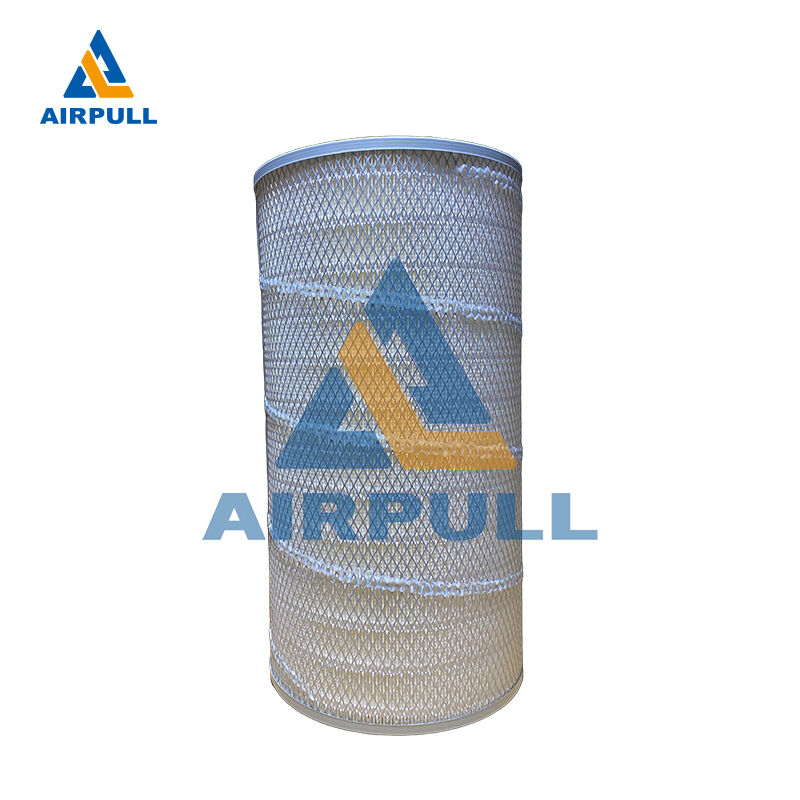
When procurement teams ask who makes the best filter element, the most accurate answer is not a single company name but a clear set of manufacturing capabilities that match your operating risk, contamination profile, and maintenance model. In industrial environments, a filter element manufacturer is only as good as its repeatability under pressure, temperature shifts, and variable load. The real benchmark is performance consistency over lifecycle cost, not a one-time catalog specification. That is why choosing a filter element manufacturer should be treated as a technical and operational decision rather than a simple buying task.
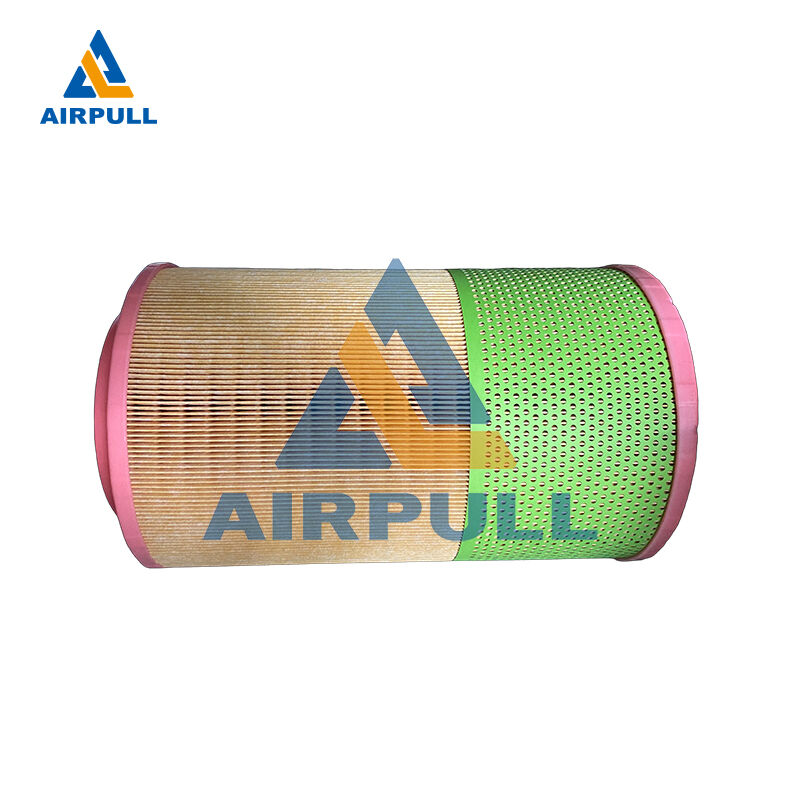
In practice, the best outcome comes from identifying which filter element manufacturer can prove media quality, structural durability, and process control for your exact duty cycle. A high-performing filter element manufacturer will provide test transparency, material traceability, and stable dimensional accuracy, all of which directly affect uptime and energy consumption. So, the question is less about popularity and more about technical fit, quality discipline, and long-term support. This framework helps you judge any filter element manufacturer against measurable standards.
Defining What "Best" Means in Industrial Filtration
Performance Fit Matters More Than Generic Claims
A reliable definition of "best" starts with application fit. The right filter element manufacturer will align filtration rating, pressure drop behavior, dirt-holding capacity, and media compatibility with your real operating conditions. If your process runs continuously, minor inefficiencies quickly become major energy and maintenance costs. A qualified filter element manufacturer translates these realities into product design, not just marketing language.
Different industries prioritize different failure risks, so the best choice varies by context. For compressed air systems, oil carryover and particulate control may dominate; for hydraulic circuits, beta ratio stability and burst integrity are often decisive. A serious filter element manufacturer discusses these distinctions early and provides technical guidance tied to your contamination targets. That behavior is a stronger signal than broad "high efficiency" statements.
Total Cost of Ownership Defines True Value
The best purchasing decision is usually the one that lowers total cost of ownership over time. A dependable filter element manufacturer helps reduce unplanned shutdowns, premature replacements, and secondary equipment wear. Even when unit price is not the lowest, lifecycle economics can be significantly better because the element lasts predictably and protects downstream components. This is where technical quality and business value meet.
Procurement teams should evaluate replacement frequency, maintenance labor, inventory risk, and energy penalties from pressure drop. A mature filter element manufacturer can supply data that supports this full-cost view and avoids false savings from short-lived elements. In many facilities, filtration performance directly influences compressed air efficiency and compressor health. That makes the choice of filter element manufacturer a strategic reliability decision.
Technical Signals That Separate Strong Manufacturers
Media Engineering and Structural Integrity
Media quality is the foundation of filtration performance. A credible filter element manufacturer specifies fiber type, pore distribution behavior, and contamination retention characteristics in a way that engineers can verify. Structural details such as pleat stability, end-cap bonding, seam strength, and collapse resistance are equally important because media efficiency alone does not guarantee field reliability. The strongest filter element manufacturer treats media and structure as one integrated system.
Material compatibility should also be tested against real temperature and chemical exposure. A well-developed filter element manufacturer validates adhesives, seals, and support layers for the intended duty cycle, including start-stop stress and differential pressure spikes. This level of engineering discipline reduces early failures that often appear as "random" breakdowns. In reality, those failures frequently come from poor design margins at the filter element manufacturer level.
Process Control, Consistency, and Traceability
Manufacturing consistency is what turns a good sample into reliable production output. A trustworthy filter element manufacturer maintains process controls for pleating, curing, bonding, and dimensional tolerance so every batch performs the same way. Without this control, two visually similar elements can behave very differently in service. Consistent quality is one of the clearest indicators of a professional filter element manufacturer.
Traceability is another differentiator that matters during troubleshooting and audits. A responsible filter element manufacturer can connect batch records to material lots and quality checkpoints, making root-cause analysis faster when field issues appear. This protects both maintenance teams and procurement teams from recurring uncertainty. When evaluating options, ask how each filter element manufacturer documents and controls variation over time.
Commercial and Operational Criteria for B2B Buyers
Specification Clarity and Documentation Quality
Strong technical documentation reduces mismatch risk before purchase orders are released. An experienced filter element manufacturer provides clear specifications for filtration grade, pressure tolerance, service recommendations, and dimensional standards. Documentation should be specific enough for engineering sign-off and practical enough for maintenance execution. This is often where a high-quality filter element manufacturer stands out in real procurement workflows.
Cross-reference accuracy is especially important in replacement programs. The right filter element manufacturer confirms compatibility assumptions rather than leaving buyers to infer fit from part naming alone. Clear documentation also improves internal communication between maintenance, operations, and purchasing teams. In multi-site operations, that consistency can significantly reduce errors tied to filter element manufacturer selection.
Supply Stability and Service Responsiveness
Even technically excellent elements lose value if supply is inconsistent. A dependable filter element manufacturer supports stable lead times, realistic forecasting, and predictable replenishment for critical SKUs. This lowers emergency buys and reduces the operational risk of stockouts. For many plants, responsiveness from the filter element manufacturer during urgent demand spikes is as important as baseline price.
Service quality should include pre-sale application support and post-sale problem resolution. A capable filter element manufacturer will help diagnose filtration issues using operating data rather than generic recommendations. That partnership model improves long-term performance and avoids repeated trial-and-error purchasing. In practice, the best filter element manufacturer is one that performs reliably across both product and service dimensions.
A Practical Framework to Identify the Best Match
Build a Use-Case Scorecard Before You Buy
To answer who makes the best filter element for your operation, start with a scorecard built around your failure modes and process priorities. Rank criteria such as efficiency stability, pressure drop behavior, burst margin, compatibility, documentation quality, and delivery reliability. Then assess each filter element manufacturer against those weighted factors using evidence, not assumptions. This method converts subjective preference into defensible selection logic.
During technical review, request performance data tied to realistic operating conditions. A transparent filter element manufacturer should be comfortable discussing test methods, acceptance thresholds, and expected maintenance intervals. Where relevant, include pilot runs to confirm behavior in your own equipment. A structured evaluation makes it easier to identify the filter element manufacturer that truly fits your duty profile.
Align Engineering, Procurement, and Maintenance
Selection quality improves when engineering, procurement, and maintenance use shared decision criteria. Engineering validates technical fit, procurement validates commercial resilience, and maintenance validates service practicality. A high-performing filter element manufacturer can satisfy all three viewpoints with consistent evidence and communication. This cross-functional approach reduces friction after implementation.
After onboarding, track outcomes such as differential pressure trends, replacement intervals, and unplanned maintenance events. These indicators show whether your chosen filter element manufacturer is delivering the promised value in real operating conditions. Periodic review also creates a feedback loop for optimization and specification refinement. Over time, this process-driven model is the most reliable way to confirm the best filter element manufacturer for your plant.
FAQ
Who makes the best filter element in industrial applications?
The best choice is the filter element manufacturer that matches your contamination risks, operating pressure, media compatibility needs, and supply reliability requirements. There is no universal single winner across all plants and duty cycles. The strongest results come from evaluating technical evidence, process consistency, and lifecycle cost performance. In short, "best" is application-specific and measurable.
How many times should a supplier prove batch consistency before approval?
Most B2B teams benefit from reviewing multiple production batches rather than approving from one sample set. A reliable filter element manufacturer should demonstrate repeatable dimensions, stable pressure behavior, and consistent media quality across runs. This reduces commissioning surprises and protects maintenance planning. Consistency evidence is often more valuable than a single strong test report.
Is lower unit price a good indicator of a better filter element manufacturer?
Not by itself. A lower price can be attractive, but the better filter element manufacturer is the one that minimizes total operating cost through predictable life, equipment protection, and fewer disruptions. If cheaper elements increase change frequency or raise failure risk, total cost usually rises. B2B buyers should prioritize lifecycle economics over invoice price alone.
What is the fastest way to compare two filter element manufacturers objectively?
Use a weighted scorecard tied to your use case, then evaluate each filter element manufacturer against the same technical and operational criteria. Include media performance, structural durability, traceability, documentation quality, lead-time reliability, and support responsiveness. This removes bias and keeps decisions aligned with plant outcomes. A structured comparison is the most practical route to confident selection.