EN
EN


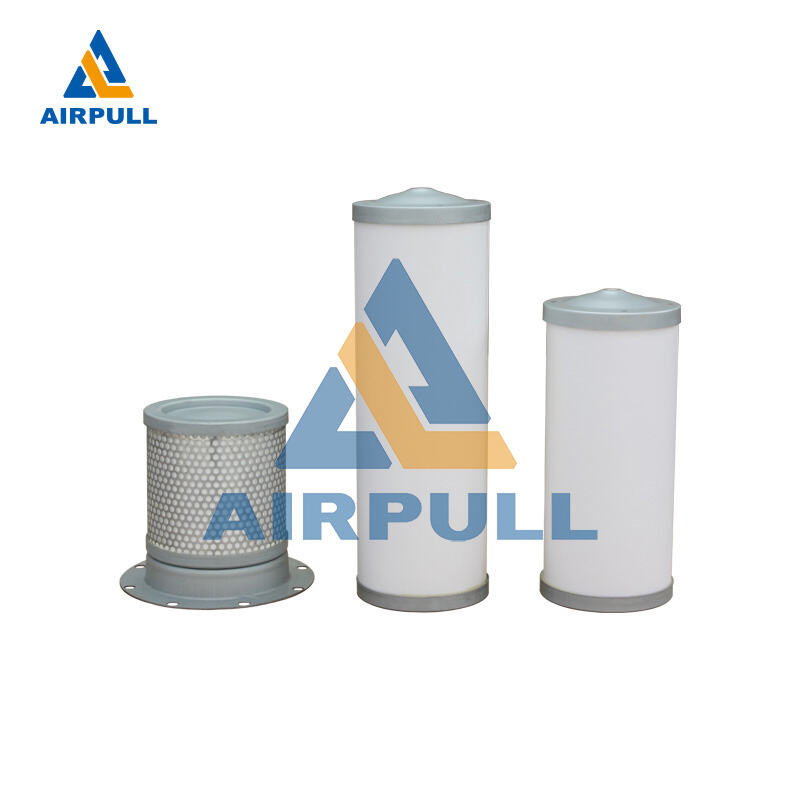
When buyers ask who makes the best lube oil filter, the most accurate answer is not a brand name, it is a capability profile. In industrial procurement, the best choice is the lube oil filter manufacturer that can prove stable filtration efficiency, consistent element quality, and predictable operating life under your exact duty cycle. A serious evaluation goes beyond catalog claims and focuses on contamination control, pressure behavior, seal integrity, and service reliability over time. That is why selecting a lube oil filter manufacturer should be treated as a risk management decision, not a simple price comparison.
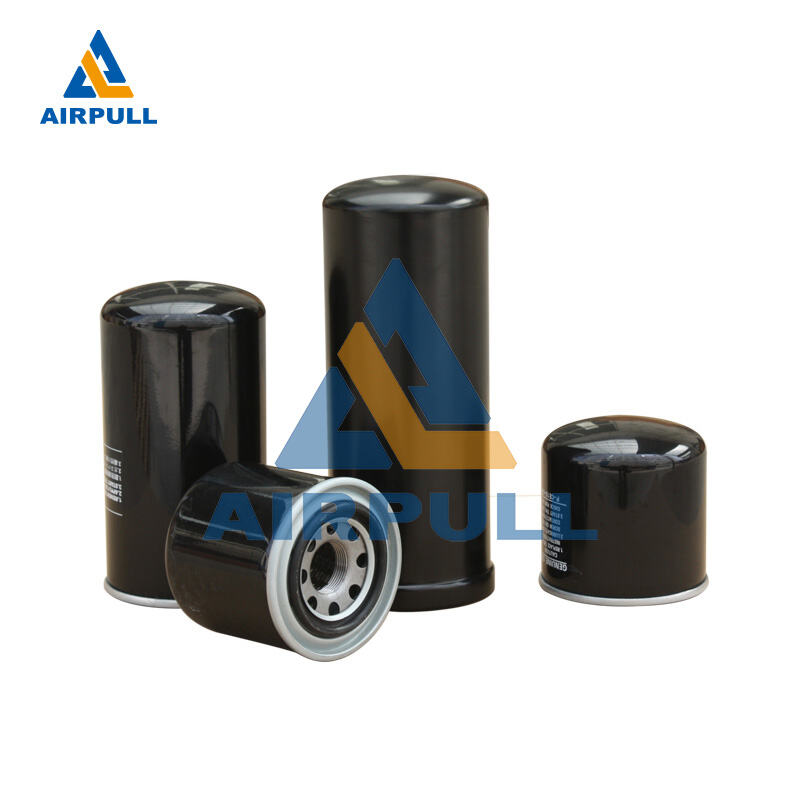
For compressors, turbines, hydraulic support systems, and process machinery, lubrication quality directly influences wear rates, bearing protection, and unplanned shutdown risk. The best lube oil filter manufacturer is therefore the one that aligns filter media design, structural durability, and quality traceability with your maintenance strategy. If you evaluate the right technical and commercial signals, you can identify a lube oil filter manufacturer that performs better in your plant environment, lowers lifecycle cost, and supports long-term reliability goals.
Defining What Best Really Means in Industrial Filtration
Performance Must Be Measured in Operating Context
A strong lube oil filter manufacturer does not rely on generic marketing terms such as high quality or premium grade. Instead, it provides measurable data tied to actual operating conditions, including particle retention behavior across relevant micron ranges, clean pressure drop, and contaminant holding capacity. Those metrics determine whether the filter protects critical components or becomes a flow restriction problem during normal operation.
In practical terms, the best lube oil filter manufacturer for one plant may not be best for another if viscosity, temperature profile, contamination load, or duty cycle are different. A manufacturer that understands this will ask for process details before recommending a model. That consultative behavior is one of the clearest signs that the lube oil filter manufacturer is engineering for performance rather than only selling part numbers.
Consistency Often Matters More Than Peak Claims
Many procurement teams focus on peak efficiency figures, but long-run consistency is often more valuable. The right lube oil filter manufacturer maintains stable media production, adhesive quality, and dimensional control so that each replacement element behaves like the previous one. This consistency protects maintenance schedules and prevents performance drift across service intervals.
A dependable lube oil filter manufacturer also controls variability in end caps, seam bonding, and bypass valve calibration, because small mechanical deviations can produce large reliability consequences. When filtration is part of uptime protection, repeatability across batches is a core requirement. The best supplier is the lube oil filter manufacturer that can demonstrate this repeatability through documented process control.
Technical Signals That Separate Average and Best Manufacturers
Media Engineering and Structural Integrity Standards
Filter media is the heart of any element, and a capable lube oil filter manufacturer explains media composition, layer structure, and expected behavior as differential pressure rises. In demanding service, media collapse resistance and pleat support geometry become just as important as capture efficiency. A supplier that treats media as a system component, not a commodity sheet, is usually a stronger lube oil filter manufacturer for industrial buyers.
Structural integrity testing is another key separator. A mature lube oil filter manufacturer validates burst strength, cyclic pressure durability, and seal performance under thermal variation. These checks reduce the chance of internal bypassing and leakage paths that quietly undermine contamination control. In reliability-focused facilities, this level of validation is essential.
Quality Traceability and Production Discipline
The best lube oil filter manufacturer provides traceable lot records, inspection criteria, and clear nonconformance handling. Traceability allows buyers to investigate anomalies quickly, isolate risk, and protect system continuity. Without traceability, troubleshooting can become expensive and slow, especially when multiple assets share similar consumables.
Production discipline is equally important because filtration performance is highly sensitive to manufacturing precision. A credible lube oil filter manufacturer controls pleat spacing, adhesive application, and sealing surfaces with consistent process checks. Buyers looking for a proven lube oil filter manufacturer should prioritize transparent quality systems over low headline pricing.
Commercial and Service Capabilities That Influence Real Value
Application Support Reduces Selection Risk
An experienced lube oil filter manufacturer helps validate fit, compatibility, and performance expectations before full rollout. This support may include review of operating pressure windows, oil chemistry considerations, and contamination patterns observed during maintenance. Strong application guidance lowers misapplication risk and improves first-time success rates.
A practical lube oil filter manufacturer also helps buyers define replacement intervals based on condition trends rather than fixed calendar assumptions. When service strategy matches actual contaminant loading, plants often improve both protection and consumable efficiency. That combination is a major reason why technical support quality should be part of best-manufacturer evaluation.
Supply Stability and Lifecycle Cost Predictability
The best lube oil filter manufacturer is dependable in supply, not only in product performance. Reliable lead times, stable specifications, and controlled change management prevent maintenance disruptions and emergency substitutions. For critical operations, consistency of availability can be as valuable as incremental gains in filtration metrics.
From a financial perspective, a strong lube oil filter manufacturer helps reduce total ownership cost by lowering premature change-outs, minimizing contamination-related wear, and supporting predictable maintenance planning. Procurement teams that evaluate only unit price often miss these larger cost drivers. A lifecycle view usually identifies a different, and better, lube oil filter manufacturer.
A Practical Framework to Decide Who Makes the Best Choice for Your Plant
Use a Weighted Evaluation Model Instead of Opinions
To decide who makes the best option, build a scorecard that combines technical evidence and operational fit. Include criteria such as filtration efficiency behavior, pressure drop stability, structural test validation, quality traceability, application engineering support, and supply reliability. The lube oil filter manufacturer with the highest balanced score is usually the right strategic partner.
This method keeps decisions objective and easier to defend internally. It also prevents overreliance on single claims that may not translate into field results. In most industrial contexts, the best lube oil filter manufacturer is the one that performs consistently across all critical factors, not just one standout specification.
Validate with Controlled Field Deployment
Before full adoption, run controlled trials on representative assets and monitor oil cleanliness trends, pressure behavior, and service interval outcomes. A reliable lube oil filter manufacturer will support this process with documentation and technical interpretation, helping your team separate signal from noise. Field verification turns vendor claims into plant-specific evidence.
After trial completion, compare maintenance events, component condition observations, and replacement consistency. The best long-term partner is the lube oil filter manufacturer that delivers repeatable results with minimal operational friction. That is the practical answer to who makes the best lube oil filter in a B2B environment focused on risk, uptime, and cost control.
FAQ
Who makes the best lube oil filter for industrial systems?
The best source is the lube oil filter manufacturer that proves performance in your operating conditions, maintains strict quality consistency, and supports application decisions with data. There is no universal winner across all facilities because process conditions differ. The strongest choice is the manufacturer that matches your contamination profile, pressure range, and maintenance objectives.
How can buyers compare one lube oil filter manufacturer to another without brand rankings?
Use a structured scorecard built around measurable criteria such as media behavior, pressure drop stability, structural test evidence, traceability, and service support. This approach highlights which lube oil filter manufacturer is most reliable for your specific assets. It also reduces bias from price-only decisions and improves long-term procurement outcomes.
Does higher filter price always mean a better lube oil filter manufacturer?
Not always. A higher price can reflect better engineering and control, but value depends on field performance and lifecycle impact. The right lube oil filter manufacturer is the one that reduces risk, supports uptime, and delivers predictable service intervals in your plant, even if the initial unit cost is not the lowest.
What is the biggest mistake when selecting a lube oil filter manufacturer?
The most common mistake is choosing solely by upfront price and ignoring operating context. This can lead to unstable filtration behavior, unexpected pressure issues, and higher maintenance burden. A better approach is to evaluate each lube oil filter manufacturer through technical validation, consistency, and supply reliability before standardization.
Table of Contents
- Defining What Best Really Means in Industrial Filtration
- Technical Signals That Separate Average and Best Manufacturers
- Commercial and Service Capabilities That Influence Real Value
- A Practical Framework to Decide Who Makes the Best Choice for Your Plant
-
FAQ
- Who makes the best lube oil filter for industrial systems?
- How can buyers compare one lube oil filter manufacturer to another without brand rankings?
- Does higher filter price always mean a better lube oil filter manufacturer?
- What is the biggest mistake when selecting a lube oil filter manufacturer?