EN
EN


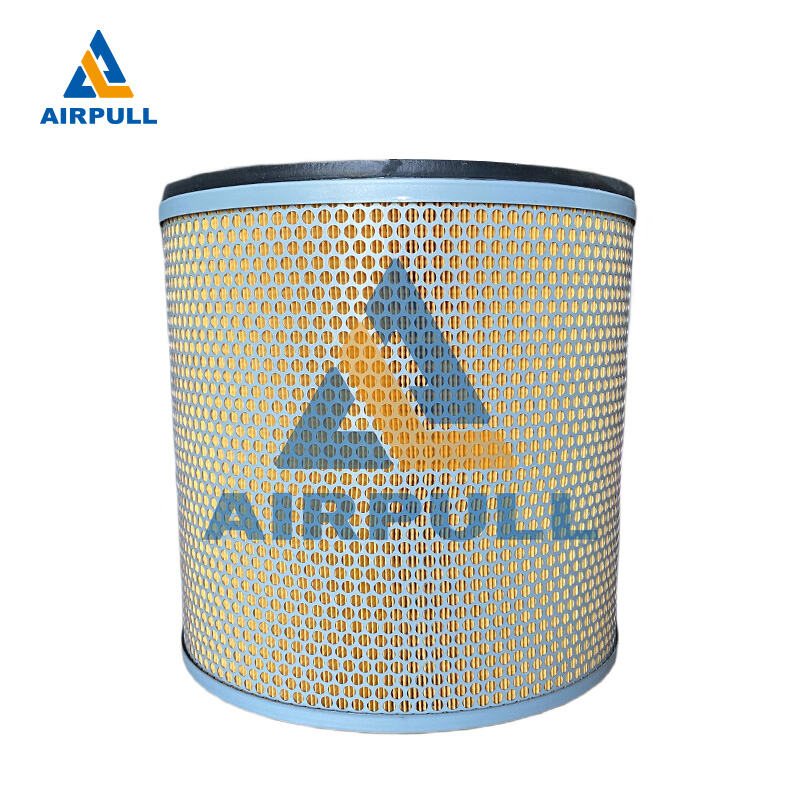
For industrial buyers, the cost gap between a wholesale air filter purchase and a retail purchase is not just a price tag issue. It affects maintenance budgets, production uptime, procurement speed, and long-term operating margins. In most B2B settings, wholesale air filter sourcing delivers a lower unit price, but the real value comes from cost stability, inventory control, and fewer emergency buys. If your team is evaluating wholesale air filter vs retail channels, the correct decision depends on order cadence, technical consistency requirements, and how your operation handles risk.
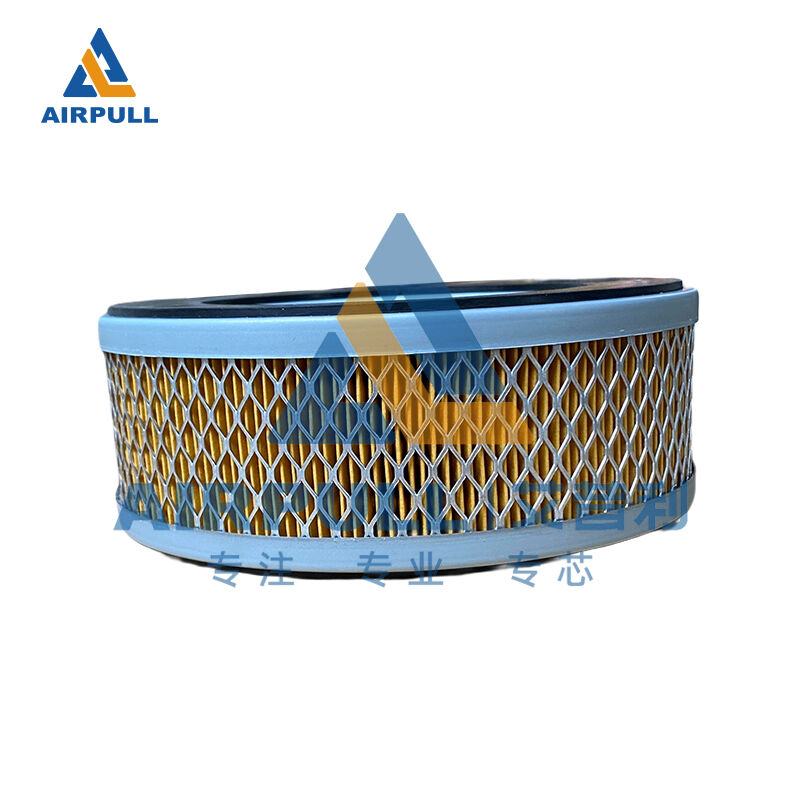
The headline answer is clear: wholesale channels usually reduce total cost when air filter demand is predictable and recurring, while retail channels often cost more per unit but offer short-term flexibility for low-volume or urgent needs. This article breaks down wholesale air filter vs retail cost through practical industrial buying logic, including direct price mechanics, hidden cost drivers, ownership impact, and when each channel is financially justified. The goal is not generic advice, but decision-ready guidance for procurement and operations teams managing compressed air and equipment filtration programs.
Direct Price Mechanics in Wholesale Air Filter vs Retail Purchasing
Unit price structure and margin layers
The first visible difference in wholesale air filter vs retail cost is the margin structure between source and buyer. A wholesale air filter order usually moves through fewer markup layers, which lowers unit cost at volume. Retail pricing typically includes distribution overhead, small-order handling, and storefront margin, all of which are embedded in per-piece pricing.
In industrial procurement, this means the same specification can carry very different landed cost depending on channel. A wholesale air filter contract can lock in pricing bands tied to order quantity or quarterly volume, while retail pricing is often transactional and less negotiable. Even when retail appears competitive for a single order, repeated purchases usually widen the cost gap over time.
Volume thresholds and break-even points
A cost comparison should identify your break-even point, not only compare one invoice. Most wholesale air filter programs become financially stronger when monthly consumption is stable and forecastable. Once demand crosses a modest threshold, the lower unit cost compounds quickly across maintenance cycles.
Retail can still be rational when demand is sporadic or unknown, especially during pilot phases or equipment transitions. But once usage patterns settle, staying in retail often means paying a recurring premium that does not create additional technical value. For most plants with regular service schedules, wholesale air filter procurement aligns better with budget discipline.
Hidden Cost Drivers Beyond Invoice Price
Stockout risk and emergency procurement expense
Invoice price alone can hide expensive disruptions. When teams rely on retail availability, stockouts can force urgent substitutions, expedited shipping, or short maintenance delays that impact production continuity. A wholesale air filter arrangement usually improves supply planning, reducing reactive buying behavior and its associated premium costs.
Emergency retail purchases also consume internal labor. Buyers spend time searching alternatives, verifying fit, and managing approvals under pressure. Those internal hours are real cost, even when not line-itemed. A structured wholesale air filter plan lowers this administrative volatility by making replenishment more predictable.
Specification consistency and failure-related costs
Consistency matters in filtration economics because slight variation can affect pressure drop behavior, service interval stability, and component wear. Retail channels may offer broader assortment but less controlled consistency between purchase cycles. A wholesale air filter relationship often supports tighter specification repeatability and batch-level continuity.
When filter performance varies, downstream costs rise through frequent changeouts, troubleshooting time, and avoidable compressor stress. These costs are easy to miss in a narrow price comparison. In practice, wholesale air filter sourcing often protects cost by reducing variability-related maintenance events rather than only lowering procurement price.
Total Cost of Ownership in Industrial Air Filtration Programs
Lifecycle cost versus purchase cost
The strongest financial lens is total cost of ownership, not unit cost in isolation. A wholesale air filter strategy tends to improve ownership economics when it supports stable service intervals and controlled replenishment lead times. The savings appear across multiple cost centers, including purchasing, maintenance planning, and uptime reliability.
Retail buying can appear simpler for occasional needs, but repeated retail cycles often produce fragmented spend and weak visibility. Without consolidated data, teams struggle to optimize reorder points or evaluate true annual cost. A wholesale air filter program makes spend patterns easier to audit, helping finance and operations align on predictable cost outcomes.
Cash flow planning and budget predictability
Industrial buyers also care about timing of cash outflows. Wholesale air filter agreements can be structured around planned release schedules, reducing surprise purchasing spikes. Retail purchasing, by contrast, is frequently event-driven and can produce uneven monthly expenditure during maintenance-heavy periods.
Budget predictability has strategic value in B2B operations because it supports better maintenance coordination and fewer last-minute approvals. With a wholesale air filter framework, procurement can negotiate terms, define safety stock logic, and reduce price volatility exposure. This is one reason the cost advantage extends beyond the sticker price.
Decision Fit by Demand Pattern and Operational Maturity
When wholesale channels are the stronger cost decision
Wholesale is usually the stronger option when your facility runs recurring PM schedules, standardized equipment, and repeatable filter specifications. In that environment, a wholesale air filter model delivers both lower average cost and better planning performance. Teams can align purchasing with maintenance intervals instead of reacting to shortages.
A mature operation also benefits from direct channel communication on technical details and replenishment rhythm. With fewer unplanned orders, procurement workload drops and spend becomes easier to forecast. For this profile, wholesale air filter sourcing generally creates measurable cost control over a full fiscal cycle.
When retail remains financially practical
Retail can still make sense for low-frequency buyers, early-stage facilities, or mixed fleets with uncertain consumption. If your annual volume is small, the administrative effort of formal wholesale setup may offset some unit-price savings. In those cases, retail flexibility can be a practical bridge while demand data is being built.
Retail is also useful during temporary abnormal conditions, such as urgent one-off replacements or short commissioning windows. The key is to treat retail as a tactical channel, not a default long-term strategy once usage stabilizes. As soon as repeat demand is visible, shifting to wholesale air filter procurement usually improves both cost and control.
Hybrid procurement models for transition periods
Many industrial teams use a hybrid model during transition: baseline volume through wholesale and exceptional demand through retail. This approach protects continuity while procurement calibrates reorder points and lead-time buffers. It also helps validate whether projected wholesale air filter savings hold in your real operating context.
Over time, the hybrid model often reveals that most spend can be standardized into wholesale contracts, leaving retail for true exceptions. That evolution reduces price variance and improves supplier-side planning. For cost governance, hybrid is a tactical phase, while wholesale air filter sourcing is typically the long-term financial endpoint.
FAQ
Is wholesale always cheaper than retail for every buyer?
Not for every profile. Wholesale air filter purchasing is usually cheaper when demand is recurring and volume is meaningful, but very small or irregular buyers may not realize immediate net savings after setup and inventory considerations. The right comparison is annual total cost, not one transaction.
How much volume is needed before wholesale cost benefits become clear?
There is no universal threshold because equipment mix, replacement intervals, and logistics all matter. In practice, once a site has predictable monthly or quarterly consumption, wholesale air filter pricing and planning benefits become easier to capture. A three-to-six-month consumption baseline is often enough to model break-even accurately.
Does wholesale reduce operational risk or only lower price?
It often does both. A wholesale air filter program can reduce stockout exposure, improve specification consistency, and lower emergency procurement frequency. These effects reduce hidden operational costs that retail-only strategies commonly absorb.
What is the most reliable way to compare wholesale air filter vs retail cost?
Build a full-year model that includes unit price, freight, lead-time risk, emergency order frequency, labor time for procurement, and downtime exposure from delays or inconsistency. That method usually shows why wholesale air filter sourcing outperforms retail in steady industrial environments, while retail remains useful for low-volume and exceptional events.