EN
EN


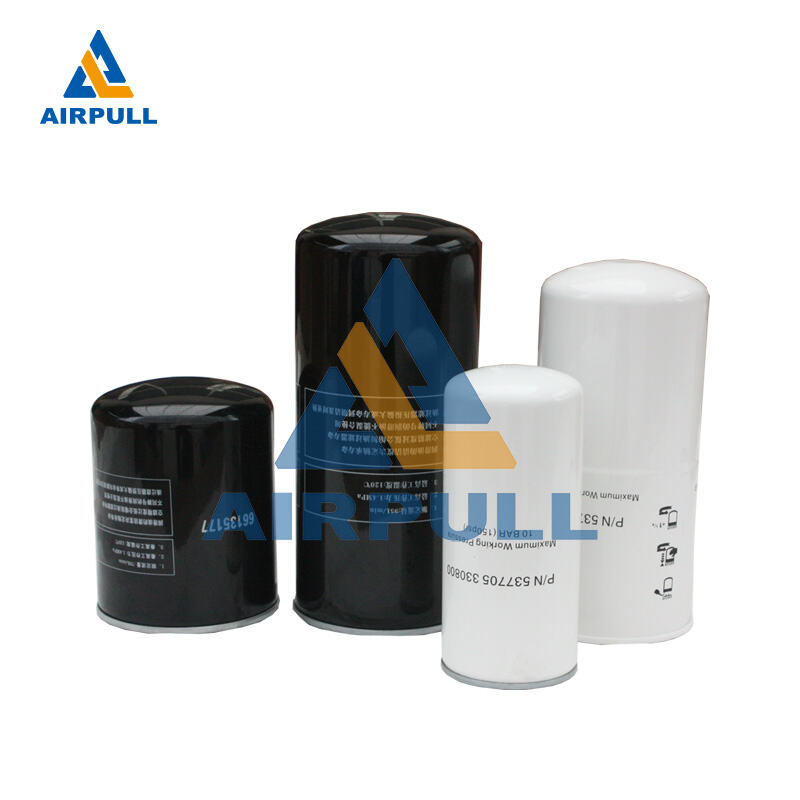
Choosing between an industrial-grade filtration setup and a household unit is not just a matter of size. The decision affects uptime, maintenance planning, energy stability, equipment life, and air quality outcomes under very different operating conditions. In practice, the gap between a residential cartridge and an air filter industrial specification becomes obvious as soon as airflow volume, contaminant load, and run-hours increase. For engineers, plant managers, and procurement teams, understanding this difference early prevents costly mismatches and frequent replacement cycles.
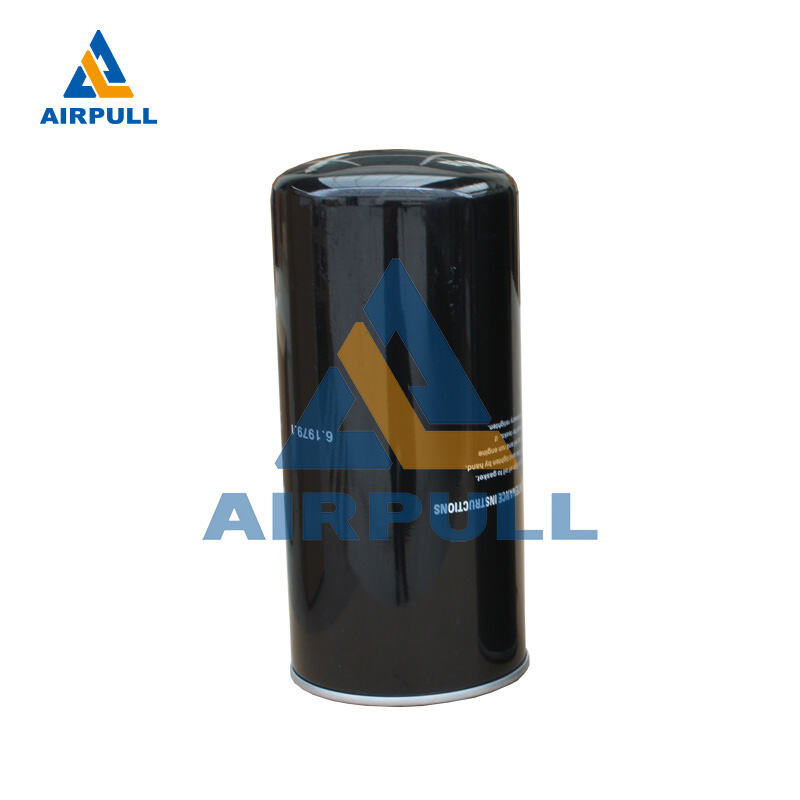
An air filter industrial design is built around process reliability, while residential filters are built around comfort and basic indoor protection. That distinction drives everything from media structure and pressure tolerance to inspection intervals and failure risk. This comparison explains where each filter type fits, why their specifications diverge, and how to decide correctly when your application sits between commercial and heavy-duty conditions.
Core Functional Differences Between Industrial and Residential Filtration
Operating environment and contaminant profile
A residential filter typically handles low to moderate dust, fibers, and seasonal particulates from occupied indoor spaces. An air filter industrial unit is designed for harsher environments where oil mist, fine process dust, metallic particles, moisture variation, and continuous particulate loading are normal. This shift in contaminant profile changes required media density, separator design, and resistance to saturation. In industrial plants, contamination is rarely static, so the air filter industrial must stay effective across wider fluctuations.
Industrial settings also introduce contaminants that can damage downstream machinery, not just affect breathing comfort. When compressed air lines, rotating equipment, or process enclosures are involved, an air filter industrial becomes part of equipment protection strategy. Residential units are not engineered for this mechanical protection role. That is why selecting a household model for process duty often leads to premature clogging and unstable pressure behavior.
Duty cycle, airflow, and pressure conditions
Most home systems run intermittently and at relatively stable loads, while industrial systems often run for long shifts or continuously. Under these conditions, an air filter industrial must maintain flow consistency despite sustained particulate capture. Materials, frame integrity, and seal quality are therefore more demanding. Residential filters can perform well within comfort HVAC ranges but are not expected to tolerate continuous high-volume stress.
Pressure drop behavior is another practical divider. In many plants, even small pressure instability affects process efficiency and energy draw. A properly specified air filter industrial balances capture efficiency with controlled resistance so fans, compressors, and blowers stay in design windows. Residential products are optimized differently, prioritizing quiet operation and acceptable home airflow rather than process-critical pressure management.
Design and Material Construction Standards
Filter media architecture and mechanical strength
Media design in a residential unit is usually simpler because contaminant intensity is lower and replacement cycles are shorter. By contrast, an air filter industrial often uses reinforced media layers, deeper pleat geometry, and support structures that resist collapse during prolonged loading. The goal is not only to trap particles but to sustain predictable performance as the filter approaches service threshold. This mechanical margin is essential in production environments where shutdowns are expensive.
Frame and end-cap robustness also differ in meaningful ways. An air filter industrial may need better vibration tolerance, chemical compatibility, and thermal resilience, depending on the plant layout. Residential assemblies are generally adequate for ducted home systems but may deform or leak under industrial vibration and heat cycles. In B2B operations, seal failure can be as damaging as poor media capture, so construction quality must be evaluated as a system factor.
Efficiency targets and application-specific tolerance
Efficiency is not a single universal number that works across all sites. A residential buyer usually targets cleaner indoor air with moderate risk tolerance for short-term variation. Industrial buyers must align efficiency with process sensitivity, meaning the air filter industrial is selected according to downstream equipment vulnerability and quality requirements. In some applications, a small reduction in filtration stability can affect product quality or tool wear rates.
Because of that, industrial specification tends to consider lifecycle consistency rather than only initial capture rating. An air filter industrial that begins with excellent lab performance but degrades quickly in real dust conditions is a poor fit. Residential markets can accept simpler replacement logic, but industrial teams need predictable behavior across the full service interval to protect planning accuracy.
Cost of Ownership and Maintenance Reality
Upfront price versus lifecycle economics
Residential filters are cheaper at purchase, which can look attractive during sourcing discussions. However, industrial operations should evaluate total ownership cost, where replacement frequency, labor time, pressure-related energy impact, and downtime exposure matter more than unit price. A well-matched air filter industrial often lowers full-cycle cost by extending stable operation. The cheaper option can become expensive when it triggers extra maintenance rounds.
In many facilities, procurement and maintenance teams are measured on reliability outcomes, not just line-item spend. Under that model, an air filter industrial is justified when it protects throughput and avoids unplanned interruptions. Residential-grade solutions may appear to save budget initially but can create hidden costs through repeated intervention and inconsistent process conditions.
Service intervals, inspection strategy, and failure risk
Home users often replace filters on simple calendar intervals. Industrial maintenance usually combines runtime data, differential pressure trends, contaminant load patterns, and production schedules. An air filter industrial supports this approach because it is designed for monitored performance over longer duty periods. The maintenance philosophy shifts from routine swap-outs to condition-informed replacement.
Failure consequences also differ sharply. In a house, delayed replacement may reduce comfort or air freshness. In a plant, the wrong filter can increase wear in compressors, cause process instability, or contaminate sensitive stages. That is why air filter industrial selection belongs in reliability planning, not only in consumables purchasing. The right specification reduces risk at both equipment and operational levels.
Application Fit and Selection Logic for B2B Teams
When residential-grade filtration is still acceptable
Some light-duty spaces inside industrial properties do not require full process-grade filtration. Offices, low-load utility rooms, and non-critical comfort zones may operate effectively with residential-style standards. The key is separating these zones from production-critical systems. Once airflow influences machinery, compressed air quality, or contamination-sensitive outputs, the case for air filter industrial becomes much stronger.
Mixed facilities should map each airflow path to its consequence level. This avoids over-specifying low-risk areas while preventing under-specification in high-impact zones. Teams that standardize everything to one low-grade filter often encounter avoidable reliability issues. Strategic deployment of air filter industrial resources is usually more efficient than uniform low-cost adoption.
Decision criteria that prevent mis-specification
A practical selection process starts with operating hours, contaminant type, airflow requirement, pressure tolerance, and consequence of failure. If any of these factors trend high, a dedicated air filter industrial is typically the safer choice. Decision-makers should also check maintenance capability, because advanced filters perform best when inspection and replacement discipline is realistic. Specification without operational follow-through weakens expected gains.
Cross-functional review helps avoid common mistakes. Engineering defines technical thresholds, operations validates runtime behavior, and procurement aligns supply consistency. This collaborative model makes air filter industrial choices more accurate and defensible. Instead of buying by appearance or nominal size, the team purchases filtration performance matched to real process demands.
FAQ
What is the main difference between industrial and residential filtration performance?
The main difference is consistency under load. Residential filters are designed for comfort-focused indoor conditions, while an air filter industrial is built for higher contaminant concentration, longer run times, and tighter operational tolerance. Industrial applications require stable airflow and protection of equipment, not just cleaner ambient air.
Can I use a residential filter in a light industrial area?
It can be acceptable in non-critical zones with low contaminant stress, such as office sections within a larger facility. It is usually not suitable where airflow supports process equipment or quality-sensitive production. In those environments, an air filter industrial is the appropriate baseline because failure impact is higher.
How often should an industrial filter be replaced?
Replacement should be based on condition signals such as pressure trend, runtime profile, and contaminant loading, rather than fixed calendar dates alone. A good air filter industrial program uses monitoring data to schedule service before performance drift affects output. This approach improves reliability and avoids unnecessary early replacement.
Does a higher-priced industrial filter always lower total operating cost?
Not always, but it often does when matched correctly to duty conditions. The value of an air filter industrial depends on whether it extends stable operation, reduces maintenance intervention, and protects downstream assets. Cost should be evaluated across energy, labor, replacement frequency, and downtime exposure, not purchase price alone.