EN
EN



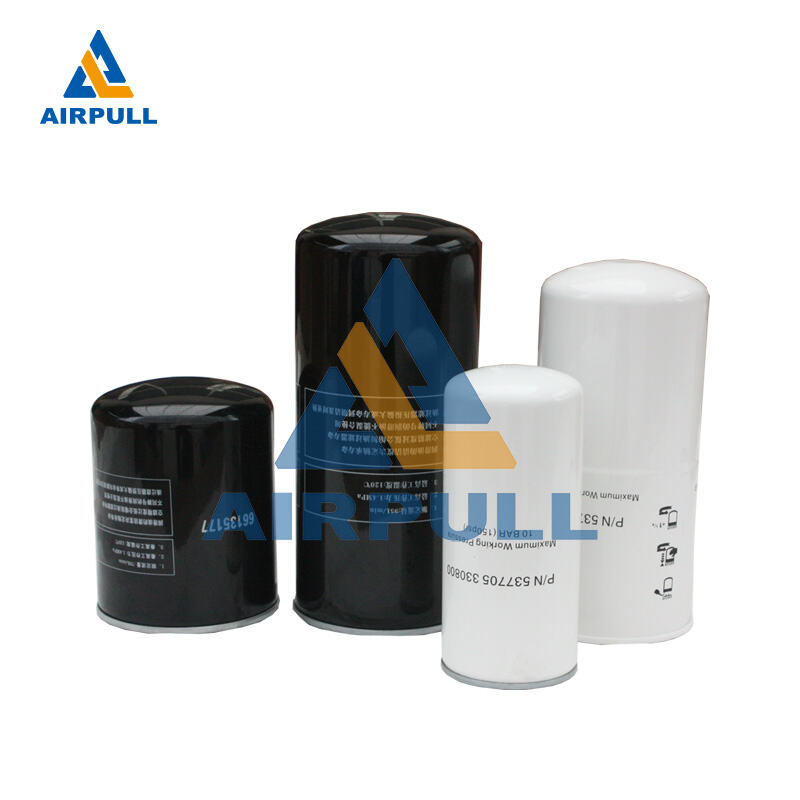
Selecting the best air compressor oil filter in 2026 is less about marketing language and more about measurable reliability under industrial load. This review is built for maintenance managers, plant engineers, and procurement teams who need an air compressor oil filter that protects bearings, rotors, and lubricant life in real operating conditions. Instead of broad product hype, this analysis focuses on how each air compressor oil filter should be judged by filtration behavior, pressure stability, service life realism, and operational risk reduction. The goal is to help you decide which air compressor oil filter profile is truly best for your system duty cycle.
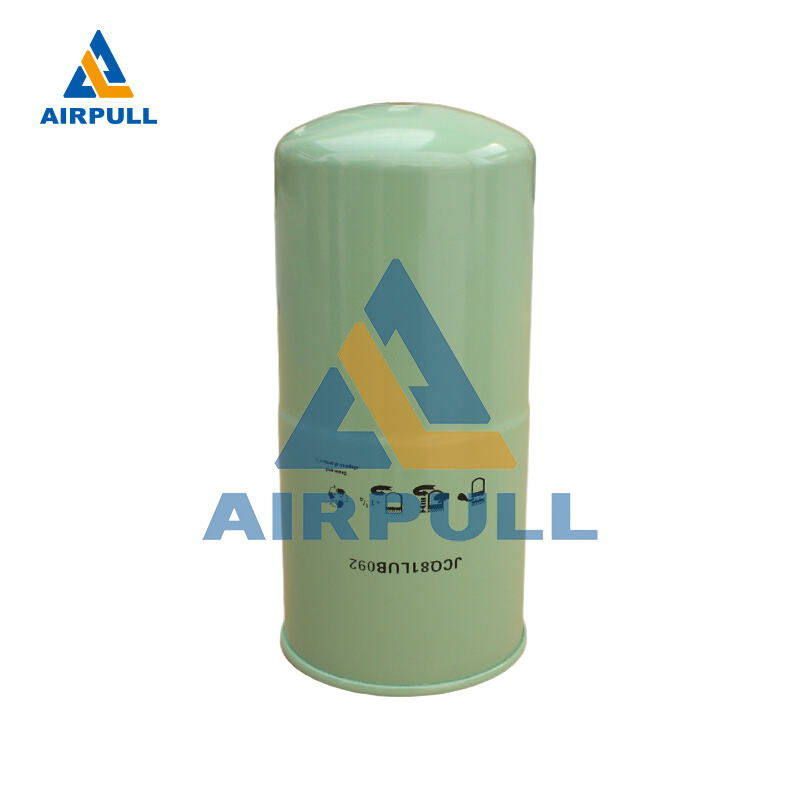
In this 2026 review framework, the best air compressor oil filter is defined as the option that delivers clean oil consistently without creating unnecessary differential pressure, unplanned changeouts, or avoidable downtime. A high-performing air compressor oil filter should maintain contaminant capture through the full interval, hold seal integrity during temperature swings, and remain predictable across start-stop and continuous-duty environments. When an air compressor oil filter fails in any of these areas, total ownership cost rises quickly through oil degradation, heat stress, and maintenance interruptions.
2026 Review Criteria for Industrial Reliability
Filtration efficiency and bypass behavior
The first criterion in any serious air compressor oil filter review is how effectively the media captures fine contamination without forcing premature bypass events. An air compressor oil filter that looks good on paper but triggers bypass under common viscosity conditions can expose compressor internals to abrasive particles. For 2026 buyers, the best air compressor oil filter is one that balances filtration fineness with stable flow at operating temperature, not just at ideal laboratory conditions.
In practical terms, an air compressor oil filter should be evaluated at startup viscosity peaks and at normal thermal equilibrium. Many facilities discover too late that the wrong air compressor oil filter choice increases pressure drop during cold starts, especially where ambient temperatures fluctuate. A dependable air compressor oil filter maintains protection in both phases, reducing the risk of metal contact wear and extending oil usability across the full maintenance cycle.
Reviewing bypass valve consistency is equally important. If an air compressor oil filter has inconsistent bypass response, contamination control becomes unpredictable during transient load changes. In 2026 procurement reviews, teams increasingly prioritize air compressor oil filter designs with reliable bypass calibration and repeatable performance from batch to batch, because that consistency directly supports uptime planning.
Media stability under thermal cycling
The second major criterion is media and structural stability under repeated heating and cooling. A strong air compressor oil filter should resist pleat collapse, adhesive fatigue, and end-cap distortion when oil temperatures rise during long shifts and drop after shutdown. Any air compressor oil filter that loses structural integrity under these cycles can release trapped particles or reduce effective filtration area.
Industrial users in 2026 are also watching compatibility between air compressor oil filter media and modern lubricant formulations, including synthetic blends with extended drain targets. A chemically mismatched air compressor oil filter may degrade earlier than expected, even when differential pressure readings appear acceptable at first. The best air compressor oil filter remains chemically stable across additive packages, minimizing interval variability and reducing surprise maintenance.
Seal material quality is not a minor detail. Each air compressor oil filter must maintain gasket elasticity and leak resistance across thermal swings and vibration. When seal integrity weakens, oil leakage and air ingress can compromise lubrication quality, creating secondary issues that are often misdiagnosed as compressor faults rather than air compressor oil filter performance problems.
Performance Findings in Real Plant Conditions
Continuous duty in rotary screw systems
In continuous-duty operations, the best air compressor oil filter is the one that stays stable over long runtime blocks without sharp pressure-drop escalation. Plants running multi-shift production need an air compressor oil filter that preserves flow margin late into the service interval, because maintenance windows are limited and unplanned stops are expensive. A stable air compressor oil filter contributes to smoother thermal management and reduced lubricant oxidation stress.
Field observations show that when an air compressor oil filter is underspecified for contamination load, pressure rise becomes nonlinear near end-of-life. This pattern shortens usable interval and forces reactive changeouts. Choosing a properly rated air compressor oil filter for continuous duty helps avoid these late-cycle surprises and supports more accurate maintenance forecasting.
Another common finding in 2026 reviews is that continuous duty amplifies small quality differences. A marginal air compressor oil filter may appear acceptable in short tests but reveal instability over hundreds of operating hours. For this reason, teams should compare air compressor oil filter behavior across full interval runs rather than relying only on early-hour results.
Start-stop operations and contamination spikes
Start-stop environments place different stress on an air compressor oil filter than steady-state production. Frequent restarts can mobilize settled debris and create contamination spikes, so the best air compressor oil filter in this context must recover quickly without excessive differential pressure fluctuation. A resilient air compressor oil filter provides repeatable filtration response through every restart cycle.
Facilities with variable demand often see higher moisture exposure and intermittent thermal shock. Under these conditions, an air compressor oil filter with weak media bonding can lose effective capture performance faster than expected. A well-built air compressor oil filter, by contrast, keeps filtration efficiency consistent despite repeated transients, which protects bearing surfaces and helps preserve oil chemistry stability.
From a review standpoint, start-stop plants should track pressure trend, oil cleanliness, and interval consistency together. A single metric does not fully describe air compressor oil filter quality. The best air compressor oil filter for variable-duty sites is the one that stays predictable across all three signals, not merely one that advertises high nominal filtration ratings.
Cost of Ownership and Maintenance Planning
Service interval realism
A practical 2026 review must connect air compressor oil filter selection to total cost of ownership, not unit price alone. The best air compressor oil filter often lowers lifecycle cost by reducing premature oil degradation, stabilizing maintenance timing, and avoiding unplanned intervention. Even a modest improvement in air compressor oil filter interval consistency can produce meaningful savings in labor coordination and downtime control.
Interval claims should always be validated against site conditions. Dust load, operating temperature, and lubricant type all influence how long an air compressor oil filter can run safely. The strongest procurement decisions come from matching air compressor oil filter specifications to plant reality, then confirming results with trend data rather than fixed calendar assumptions.
When interval realism is ignored, teams usually overrun or underrun the air compressor oil filter. Overrun increases contamination risk, while underrun wastes service life and labor resources. A balanced air compressor oil filter program uses data-driven change timing that aligns with operating stress, protecting both equipment and maintenance budgets.
Inventory and downtime risk
Inventory strategy is another reason this review matters. Standardizing on a reliable air compressor oil filter profile can simplify stocking and reduce emergency purchase events. If an air compressor oil filter has inconsistent fit or performance, plants often carry excess safety stock, which ties up capital and still does not eliminate downtime exposure.
In 2026, operations teams are placing more value on predictability than on lowest upfront cost. A dependable air compressor oil filter supports planned shutdown alignment, cleaner maintenance execution, and fewer rushed replacements under production pressure. These indirect benefits are often larger than the visible purchase-price difference between one air compressor oil filter and another.
Downtime risk should also include installation reliability. An air compressor oil filter that threads cleanly, seats correctly, and seals consistently reduces human-error probability during fast maintenance windows. That practical installation behavior is a core review factor because it directly affects first-time-right completion rates.
2026 Buying Guidance by Operating Scenario
Matching micron rating and oil chemistry
The best air compressor oil filter depends on application context, and selection should begin with contamination profile plus lubricant chemistry. A finer air compressor oil filter is not always better if it creates avoidable pressure penalties for your viscosity range. The right air compressor oil filter balances particle control with flow stability under your true operating temperature envelope.
For facilities using synthetic lubricants and long operating cycles, an air compressor oil filter with strong chemical resistance and structural endurance is usually the better fit. For harsher airborne contamination conditions, the best air compressor oil filter often emphasizes dirt-holding capacity and stable differential pressure progression. The review conclusion should always connect air compressor oil filter choice to actual stress patterns, not generic assumptions.
Decision teams should also verify how each air compressor oil filter performs near interval end, because that phase reveals real-world margin. Early-hour performance alone can hide risk. In 2026 procurement practice, the most trusted air compressor oil filter options are those with repeatable late-cycle behavior across multiple maintenance rounds.
Fit, seal integrity, and installation control
Mechanical fit remains a decisive factor in every air compressor oil filter review. Even a high-quality media package cannot compensate for poor fit tolerance, thread mismatch, or gasket inconsistency. The best air compressor oil filter should install smoothly, torque correctly, and maintain sealing under vibration without retightening requirements.
Installation control procedures should include pre-fit verification, clean handling, and post-start leak checks for each air compressor oil filter replacement. These steps are simple but critical, especially in plants where multiple technicians handle service events. A consistent air compressor oil filter installation routine improves reliability outcomes and keeps diagnostic data cleaner when investigating compressor performance shifts.
Final selection in 2026 should be based on a complete operating picture: filtration stability, thermal resilience, interval consistency, and fit reliability. When these factors align, the chosen air compressor oil filter is not just acceptable, it is the best operational choice for your specific asset environment.
FAQ
How often should an air compressor oil filter be changed in industrial service?
Change timing depends on duty cycle, contamination load, and lubricant condition rather than calendar alone. Most plants get better results by tracking differential pressure trends, oil cleanliness indicators, and runtime history for each air compressor oil filter. A data-based interval prevents both premature replacements and risky overextension.
Can one air compressor oil filter specification work across all compressor applications?
A single specification rarely fits every environment because temperature profile, startup frequency, and air quality vary by site. The best air compressor oil filter for continuous duty may differ from the best choice for frequent start-stop operation. Matching the air compressor oil filter to the specific operating scenario is the most reliable approach.
What is the biggest mistake buyers make when reviewing air compressor oil filter options?
The most common mistake is focusing only on purchase price while ignoring lifecycle behavior. An inexpensive air compressor oil filter can increase total cost through unstable intervals, higher downtime risk, and oil degradation side effects. A proper review weighs full operational impact, not just invoice value.
Does a higher micron efficiency always mean a better air compressor oil filter?
Not always. A very fine air compressor oil filter can create unnecessary pressure drop if it is not matched to oil viscosity and system flow requirements. The best air compressor oil filter achieves the right balance between contaminant removal and stable flow, maintaining protection without creating avoidable operating stress.
Table of Contents
- 2026 Review Criteria for Industrial Reliability
- Performance Findings in Real Plant Conditions
- Cost of Ownership and Maintenance Planning
- 2026 Buying Guidance by Operating Scenario
-
FAQ
- How often should an air compressor oil filter be changed in industrial service?
- Can one air compressor oil filter specification work across all compressor applications?
- What is the biggest mistake buyers make when reviewing air compressor oil filter options?
- Does a higher micron efficiency always mean a better air compressor oil filter?