EN
EN



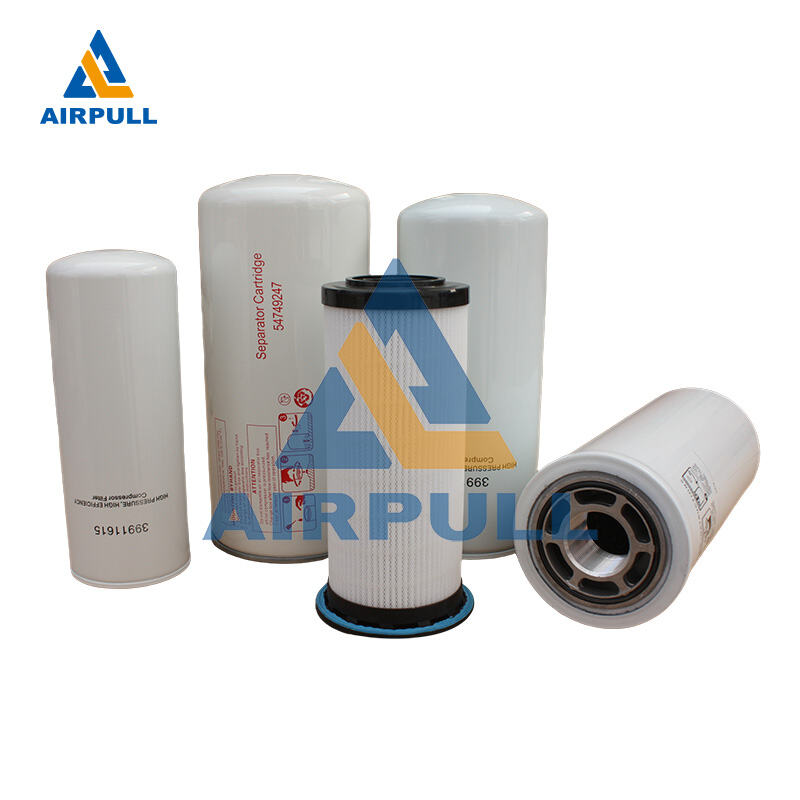
Choosing the right air compressor oil separator is one of the most important maintenance and performance decisions in a compressed air system. In a review context, the word best does not mean a universal winner for every plant. The best air compressor oil separator is the one that delivers stable separation efficiency, acceptable pressure drop, and predictable service life under your real operating load, duty cycle, and air quality requirements. This review is built to help B2B buyers and maintenance teams judge an air compressor oil separator by practical operating value rather than marketing language.
A useful air compressor oil separator review should explain what separates a reliable element from a risky one in day-to-day production. It should also connect technical factors to business outcomes such as energy cost, downstream contamination risk, and maintenance planning confidence. In that spirit, this guide reviews how to evaluate an air compressor oil separator, which performance signals matter most, and how to decide whether a specific air compressor oil separator is truly the best fit for your facility.
What Defines the Best Fit in an Industrial Review Context
Performance fit is more important than universal claims
In industrial procurement, the best air compressor oil separator is not selected by headline claims alone. A strong review starts by checking whether the air compressor oil separator matches compressor model specifications, operating pressure range, and expected oil carryover limits. Even a high-quality air compressor oil separator can underperform when applied outside its intended envelope. Fit is the first review criterion because it drives every downstream result.
When reviewing any air compressor oil separator, verify that dimensions, sealing geometry, media structure, and collapse resistance align with OEM-equivalent requirements for your machine type. A mismatch can produce unstable pressure drop and early saturation, turning a promising air compressor oil separator into a short-life consumable. The best review outcome is a component that performs consistently over time, not one that only tests well during initial operation.
Total operating value determines real quality
The best air compressor oil separator also needs to be judged by total operating value, not purchase price alone. A cheaper air compressor oil separator with higher pressure drop can increase energy consumption every hour the compressor runs. Over a full service interval, that hidden cost can exceed any upfront savings. In review terms, value means balancing acquisition cost, service life, and system efficiency.
A reliable air compressor oil separator should help maintain clean compressed air while supporting stable compressor temperature and discharge behavior. It should not force frequent shutdowns for replacement or trigger avoidable downstream filter loading. In B2B environments, the best air compressor oil separator is the one that reduces operational uncertainty and supports predictable production planning.
Core Review Criteria That Separate Strong and Weak Options
Separation efficiency and residual oil control
A serious air compressor oil separator review begins with separation efficiency. The purpose of an air compressor oil separator is to remove oil aerosol from compressed air before it moves downstream. If residual oil levels remain high, air treatment stages face extra burden, and sensitive applications may see contamination risk. The best air compressor oil separator keeps residual oil low and stable across normal load variation.
During review, focus on consistency rather than a single best-case reading. A dependable air compressor oil separator should retain performance as runtime accumulates, not drop sharply after initial hours. This is where media quality, bonding integrity, and flow distribution design become meaningful. If an air compressor oil separator performs well only in clean or lightly loaded conditions, it may not be the best selection for round-the-clock industrial duty.
Pressure drop behavior and energy implications
Pressure drop is a major economic factor in any air compressor oil separator review. Every increase in differential pressure can translate into added energy demand from the compressor package. The best air compressor oil separator starts with reasonable initial pressure drop and rises gradually across its service life. A steep rise often signals media fouling sensitivity or poor structural flow management.
A practical review compares not only initial pressure data but also pressure stability under realistic contamination load. An air compressor oil separator that keeps differential pressure controlled for a longer interval usually provides better lifecycle efficiency. For operations teams, this means fewer surprises and clearer replacement planning. From a business perspective, the best air compressor oil separator protects both compressed air quality and utility cost discipline.
Service Life, Reliability, and Maintenance Practicality
Durability under real plant conditions
Service life claims are common, but review quality depends on how an air compressor oil separator handles heat cycles, vibration, and variable loading. In harsh environments, weak seals or fragile media can shorten interval life even when installation is correct. The best air compressor oil separator is built to stay structurally stable through changing operating conditions without rapid performance degradation.
A robust air compressor oil separator should resist deformation and preserve internal flow paths over time. When the structure remains intact, separation efficiency and pressure behavior stay more predictable. This stability is essential for maintenance teams that plan shutdowns around production priorities. In review terms, long-term reliability is not a bonus feature of an air compressor oil separator, it is a core requirement.
Maintenance integration and replacement confidence
An air compressor oil separator review should also examine how easily the element integrates into standard maintenance procedures. A properly specified air compressor oil separator should install without fitment stress, seal correctly, and support routine replacement workflows. Difficult fitment can create leak paths or handling damage, undermining performance from day one.
Replacement confidence matters because procurement and maintenance teams need repeatable outcomes. Selecting an air compressor oil separator with consistent manufacturing quality reduces variation between batches and simplifies maintenance forecasting. In a best air compressor oil separator review, process compatibility and repeatability are part of quality, not separate from it.
How to Make the Final Selection Decision
Match review findings to operating scenario
To decide which air compressor oil separator is best for your site, translate review data into your operating scenario. A plant with continuous high load may prioritize slow pressure-rise behavior, while another with strict air purity targets may prioritize residual oil stability. The right air compressor oil separator is the one whose strengths match your actual risk profile and production priorities.
This is where many buying decisions improve. Instead of asking for a generic best air compressor oil separator, teams define specific acceptance criteria tied to uptime, energy budget, and quality compliance. A focused review process helps avoid overpaying for features you do not need while preventing under-specification that causes repeat interventions. The best air compressor oil separator is context-specific and evidence-based.
Build a review framework for long-term procurement
A mature purchasing approach treats each air compressor oil separator decision as part of a long-term reliability strategy. Standardize review criteria such as separation consistency, pressure trend, installation accuracy, and interval life. When every candidate air compressor oil separator is evaluated through the same framework, procurement quality becomes more repeatable across sites and maintenance cycles.
Over time, this framework turns review observations into operational intelligence. You can identify which air compressor oil separator specifications correlate with lower downtime and better energy control in your own system conditions. That insight is more valuable than broad market claims because it is tied to your actual compressor behavior. In practical terms, the best air compressor oil separator review is the one that improves every future replacement decision.
FAQ
What is the most important metric in an air compressor oil separator review?
The most important metric is stable real-world performance across the full service interval, combining separation efficiency and pressure drop behavior. A single strong startup reading is not enough. A reliable air compressor oil separator should keep residual oil controlled while avoiding fast pressure-rise under normal plant conditions.
How often should an air compressor oil separator be replaced?
Replacement timing depends on duty cycle, contamination load, operating temperature, and pressure trend in your compressor system. Instead of fixed assumptions, use interval history and differential pressure monitoring to define a reliable replacement window. A well-matched air compressor oil separator usually shows predictable degradation rather than sudden failure.
Can a lower-cost air compressor oil separator still be the best option?
Yes, but only when performance fit and lifecycle behavior are verified. A lower purchase price can still represent the best choice if the air compressor oil separator maintains acceptable residual oil control, controlled pressure drop, and consistent service life. The review should always compare total operating cost, not invoice cost alone.
Why does one air compressor oil separator perform differently across two facilities?
Performance differences often come from operating context, including load profile, ambient dust, oil condition, maintenance practices, and compressor settings. The same air compressor oil separator can show different pressure and life outcomes when those variables change. That is why the best air compressor oil separator is defined by site-specific fit, not a universal ranking.