EN
EN


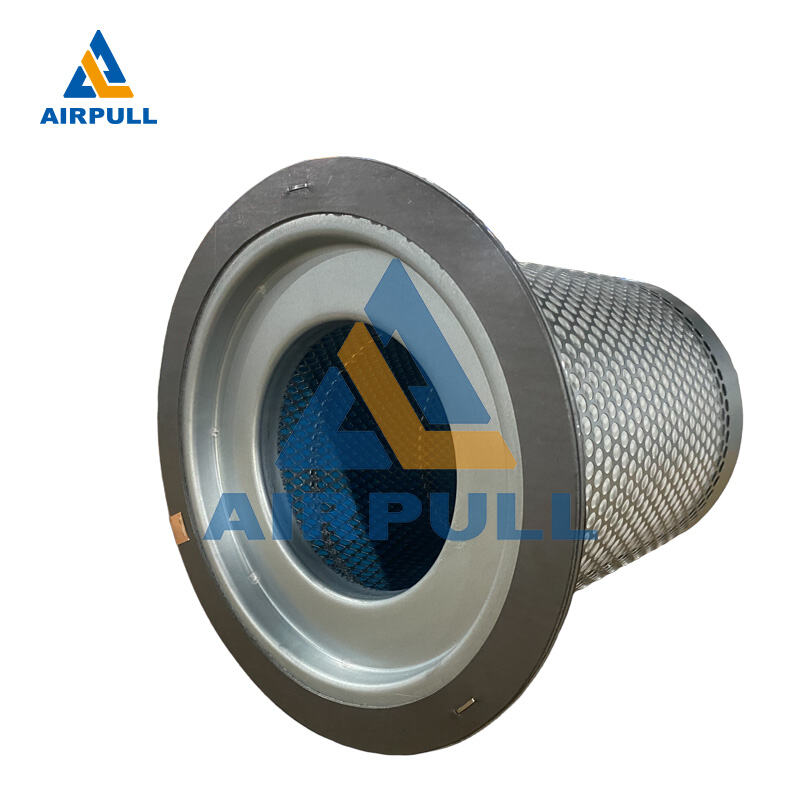
When procurement teams search for the top five options in a critical equipment category, they are usually trying to reduce risk, not just reduce price. In separation systems, that is especially true because process stability, downstream equipment life, and maintenance intervals are all affected by who built the separator and how consistently they control quality. That is why serious buyers evaluate oil and gas separator manufacturers through a decision framework that turns a broad market into a defensible shortlist of five.
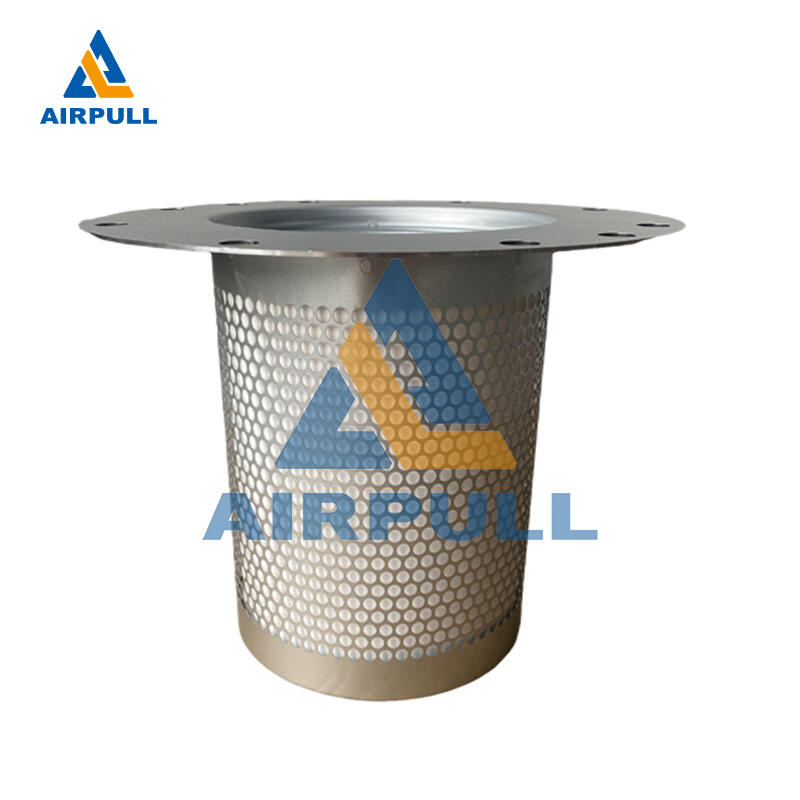
For B2B and industrial projects, the phrase top five should be treated as a project-specific outcome rather than a generic online ranking. Different plants face different gas compositions, pressure windows, contamination profiles, and reliability targets, so the same five names are rarely right for every site. The strongest approach is to define what top means in your operating context, then score oil and gas separator manufacturers against technical fit, execution reliability, and lifecycle support.
Defining What Top Five Means in Industrial Procurement
From market popularity to project fit
Many buyers begin with internet visibility, but visibility does not guarantee performance under real process conditions. A manufacturer can be widely known and still fail your solids load profile, pressure fluctuation pattern, or maintenance window requirements. The most reliable teams set qualification criteria first and only then compare oil and gas separator manufacturers against those criteria.
This shift from popularity to fit is where procurement quality improves. Instead of asking who is most talked about, buyers ask who can deliver predictable separation efficiency, mechanical integrity, and service response for their exact duty. That creates a shortlist that is defensible to operations, engineering, and finance at the same time.
Turning a broad supplier field into a top-five shortlist
A practical top-five process starts with a longlist, then narrows through staged gates. First, remove companies that cannot document relevant operating cases. Next, remove suppliers that cannot provide stable quality records across multiple production lots. Finally, rank remaining oil and gas separator manufacturers by lifecycle risk, not by headline pricing alone.
This method keeps decision-making transparent. Everyone can see why one manufacturer remains and another drops out, which reduces internal debate late in the procurement cycle. It also prevents rushed decisions based on incomplete technical discussions.
Technical and Quality Signals That Separate Top-Tier Manufacturers
Design capability and process-condition matching
Top-performing separator partners demonstrate strong engineering alignment between separator design and actual field conditions. They can explain how internals, flow path control, and material choices respond to your pressure range, gas velocity profile, and expected contaminant pattern. Among oil and gas separator manufacturers, this ability to connect design choices to process behavior is a primary differentiator.
Buyers should expect clear technical communication, not vague assurances. Strong manufacturers can discuss expected operating envelopes, likely failure modes, and how design margins are selected. That level of clarity usually predicts fewer surprises after commissioning.
Manufacturing discipline and consistency across batches
A separator is only as reliable as the production discipline behind it. Leading oil and gas separator manufacturers maintain repeatable fabrication controls, dimensional verification routines, and documented inspection checkpoints from incoming material to final release. Consistency across batches matters because replacement cycles and expansion phases often happen years apart.
When quality systems are weak, the first unit may perform acceptably while later units drift in tolerance, fit, or durability. That creates hidden operational cost through unplanned intervention and variable performance. Teams that evaluate oil and gas separator manufacturers should ask for evidence of process control depth, not just a general quality statement.
Validation evidence and performance traceability
Top candidates support claims with traceable records. They can show how performance data was generated, under what conditions, and how results map to your application envelope. Mature oil and gas separator manufacturers are comfortable sharing validation methodology because they know decision-makers need auditable technical confidence.
Traceability also supports long-term asset governance. If process conditions evolve, engineering teams can revisit baseline assumptions and adapt maintenance or replacement strategy quickly. This is a key reason high-discipline oil and gas separator manufacturers usually outperform low-transparency options over the full equipment lifecycle.
Operational and Commercial Capabilities That Protect Project Outcomes
Delivery reliability and change-management strength
Even a strong separator design can become a project problem if delivery is inconsistent. Reliable oil and gas separator manufacturers provide realistic lead times, communicate production status clearly, and manage engineering changes without destabilizing schedule commitments. In industrial environments, schedule confidence is often as important as purchase price.
Buyers should also evaluate how suppliers handle specification updates after purchase order release. Projects frequently encounter revised process assumptions or site constraints. The best oil and gas separator manufacturers can absorb controlled changes while preserving documentation integrity and minimizing commissioning risk.
Lifecycle support and aftermarket responsiveness
A top-five decision should reflect the full service horizon, not only initial installation. Strong oil and gas separator manufacturers offer clear post-delivery support channels, technical troubleshooting access, and practical maintenance guidance that helps site teams sustain performance. Slow or fragmented support can erase early savings quickly.
For plants that rely on ongoing element replacement, it is useful to assess compatibility and availability planning in advance. In many cases, teams include oil and gas separator manufacturers in broader reliability planning so consumables, service timing, and process uptime stay coordinated.
Total cost of ownership instead of low bid pricing
Procurement decisions improve when they compare total cost of ownership over the asset period. This includes downtime exposure, maintenance effort, replacement frequency, and support responsiveness. Experienced oil and gas separator manufacturers often appear more cost-effective over time even when their upfront quote is not the lowest.
This does not mean paying a premium without proof. It means quantifying tradeoffs with realistic operating assumptions so commercial decisions reflect true business impact. The top five in your project should be the five with the strongest long-term value profile.
A Practical Workflow to Build Your Top-Five Manufacturer Shortlist
Stage one qualification and data capture
Begin with a structured request package that includes operating conditions, reliability targets, quality documentation needs, and service expectations. This allows oil and gas separator manufacturers to respond with comparable technical and commercial information rather than inconsistent marketing language. Comparable inputs produce comparable outputs, which is essential for fair screening.
During early qualification, evaluate responsiveness and technical accuracy as carefully as price. Suppliers that misunderstand requirements at this stage often create larger execution risks later. Strong oil and gas separator manufacturers typically ask precise clarification questions before issuing proposals.
Stage two weighted scoring and internal alignment
After qualification, apply weighted scoring across technical fit, quality assurance depth, delivery confidence, and lifecycle support. Finance, operations, and engineering should each review scoring logic so the final shortlist is accepted cross-functionally. This is where a large field of oil and gas separator manufacturers becomes a clear top-five candidate group.
Weighted scoring also improves auditability. If leadership asks why one supplier was excluded, the answer is documented and evidence-based. That helps organizations maintain procurement consistency across future projects.
Stage three final validation before award
Before final award, confirm assumptions that most often cause downstream disputes: scope boundaries, acceptance criteria, documentation deliverables, and support response standards. Top oil and gas separator manufacturers are usually willing to close these points clearly because it protects both sides during execution. Ambiguity at this step often becomes a cost issue later.
At completion of this stage, your top-five ranking is no longer a subjective preference. It becomes a structured procurement outcome linked to operational risk control, commercial clarity, and long-term performance confidence.
Risk Indicators That Remove Suppliers From Top-Five Consideration
Technical vagueness and inconsistent documentation
One common red flag is broad claims without condition-specific evidence. When oil and gas separator manufacturers cannot map performance statements to your exact operating envelope, risk increases quickly. Documentation gaps at proposal stage usually signal larger governance gaps during delivery.
Another risk signal is inconsistency across versions of technical documents. If design assumptions, tolerances, or quality commitments change without clear revision control, cross-functional trust weakens. High-quality oil and gas separator manufacturers maintain document discipline because industrial projects depend on it.
Commercial opacity and weak support accountability
Commercial terms that look attractive but leave service obligations undefined can undermine project economics. Buyers should watch for unclear warranty boundaries, delayed response commitments, or vague spare support language. Reliable oil and gas separator manufacturers define post-delivery accountability with minimal ambiguity.
When support pathways are unclear, internal teams absorb the operational burden during disruptions. That hidden cost is often larger than any initial quote difference. A supplier with weak accountability rarely belongs in a true top-five group.
FAQ
How many oil and gas separator manufacturers should be on an initial longlist before narrowing to five?
A practical longlist is usually broad enough to preserve competition but narrow enough for detailed technical review. Many B2B teams start with a moderate field and then narrow through qualification gates based on fit and risk. The exact count matters less than using consistent criteria to identify the best five oil and gas separator manufacturers for your operating context.
Can smaller oil and gas separator manufacturers make a top-five shortlist?
Yes, when they demonstrate strong process fit, quality consistency, and dependable support. Scale alone does not guarantee reliability, and smaller organizations can perform very well in specialized applications. The key is evidence quality, execution discipline, and lifecycle responsiveness relative to project requirements.
What is the biggest mistake when evaluating oil and gas separator manufacturers?
The biggest mistake is over-weighting initial price while under-weighting lifecycle risk. Short-term savings can disappear through downtime, performance drift, and support delays. A balanced scorecard that tests technical, operational, and commercial reliability usually leads to better outcomes.
How often should a company re-evaluate its preferred oil and gas separator manufacturers?
Re-evaluation is useful when process conditions change, reliability targets tighten, or repeated service issues emerge. Periodic review also helps organizations capture improvements in manufacturing capability and support quality. Keeping evaluation criteria current ensures your preferred supplier group remains aligned with business and plant performance goals.
Table of Contents
- Defining What Top Five Means in Industrial Procurement
- Technical and Quality Signals That Separate Top-Tier Manufacturers
- Operational and Commercial Capabilities That Protect Project Outcomes
- A Practical Workflow to Build Your Top-Five Manufacturer Shortlist
- Risk Indicators That Remove Suppliers From Top-Five Consideration
-
FAQ
- How many oil and gas separator manufacturers should be on an initial longlist before narrowing to five?
- Can smaller oil and gas separator manufacturers make a top-five shortlist?
- What is the biggest mistake when evaluating oil and gas separator manufacturers?
- How often should a company re-evaluate its preferred oil and gas separator manufacturers?