EN
EN


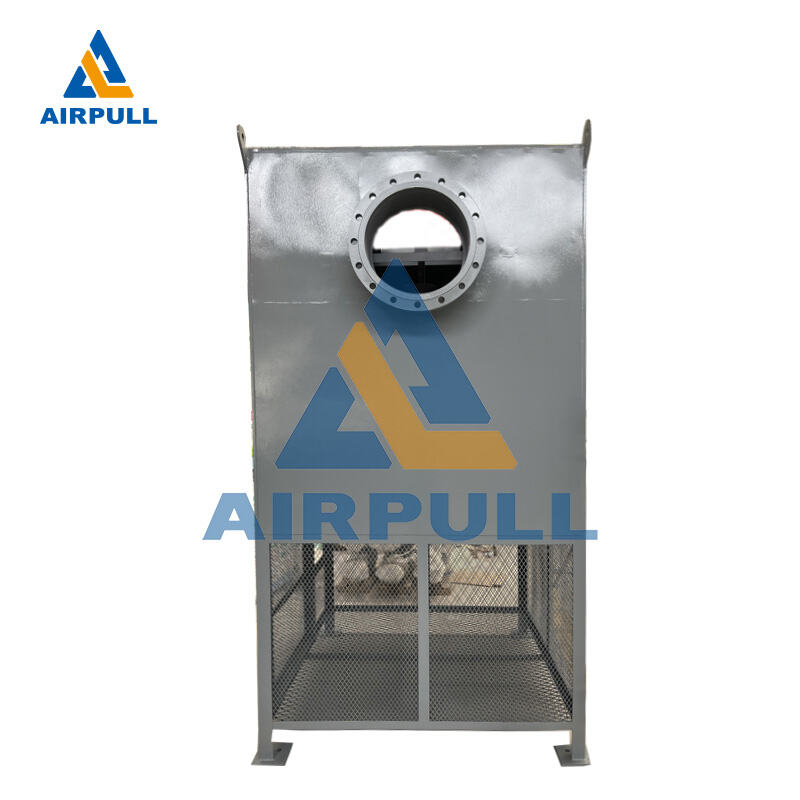
A self cleaning air filter is usually the better choice when dust loading is constant, access is limited, or unplanned shutdowns are expensive. A traditional filter can still work well in cleaner service, but the moment loading rises, the self cleaning air filter changes the maintenance equation. In industrial settings, this comparison is less about marketing terms and more about how each design handles contamination, airflow, and labor.
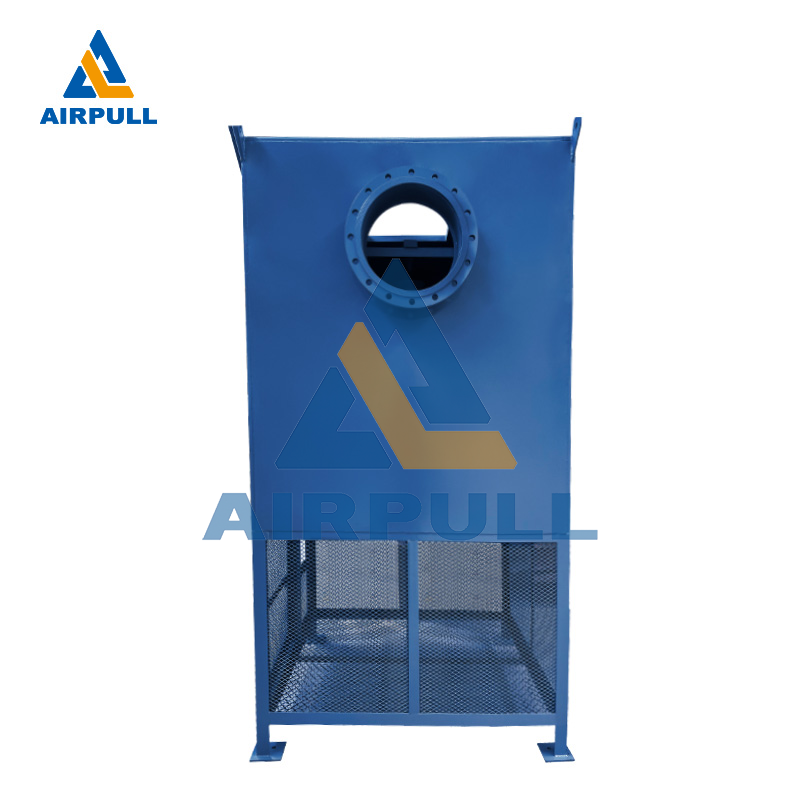
For plants comparing a self cleaning air filter with a traditional filter, the real decision is how much uptime the system must protect. A self cleaning air filter reduces the need for frequent media changeout, while a traditional filter depends on scheduled replacement and close attention to pressure drop. That difference affects energy use, service planning, and the consistency of downstream equipment.
The Core Operating Difference
How a self cleaning air filter clears dust
A self cleaning air filter is built to shed accumulated dust before loading becomes a restriction. In many industrial applications, that means the filter keeps operating while cleaning cycles remove particles from the media surface or the collector element. The result is a more stable airflow profile than a traditional filter that waits until the element is saturated.
This matters because process equipment rarely fails only from contamination; it also suffers when airflow becomes inconsistent. A self cleaning air filter helps reduce those swings, which is why it is often chosen for systems that run for long stretches or see variable dust conditions. The design is especially useful when operators cannot stop the line every time the filter starts to load.
What the traditional filter does differently
A traditional filter captures particles until the media reaches its service limit, then it is removed and replaced. That simple operating model can be ideal where dust levels are moderate and maintenance crews are nearby. In cleaner environments, the traditional filter remains attractive because it is familiar, inexpensive to understand, and easy to specify.
The limitation is that a traditional filter offers no active recovery once loading begins. As resistance rises, airflow falls, and the system can become less predictable. Compared with a self cleaning air filter, the traditional approach places more responsibility on the maintenance schedule and less on the equipment itself.
Maintenance, Downtime, and Labor
Service intervals and access conditions
Maintenance is where the self cleaning air filter often separates itself from the traditional filter. In plants with difficult access, confined enclosures, or remote installation points, every changeout has a cost beyond the element itself. A self cleaning air filter can reduce those interruptions by extending the interval between interventions.
For plants evaluating a self cleaning air filter, the operating context matters more than the catalog description. If technicians must climb, shut down production, or expose sensitive equipment to perform routine replacement, the self cleaning air filter can save substantial labor time. The traditional filter is still workable, but only when service access is easy and planned downtime is already part of the process.
Waste handling and contamination control
A traditional filter creates a regular waste stream because the loaded element is removed and discarded or processed. In dusty or contaminated environments, that step can add housekeeping burdens and handling concerns. The self cleaning air filter reduces how often that removal cycle happens, which can simplify site cleanliness and lower exposure to captured material.
That does not mean the self cleaning air filter eliminates maintenance altogether. It still needs inspection, verification, and occasional service, but the work is more predictable and less frequent. For operations that value clean changeovers and fewer interruptions, that difference can matter as much as filtration efficiency.
Cost and Performance Trade-Offs
Initial purchase price versus operating cost
A self cleaning air filter usually carries a higher upfront cost than a traditional filter because the design is more complex. The right comparison, however, is not purchase price alone. The real question is whether the self cleaning air filter lowers labor, downtime, and replacement frequency enough to offset that initial premium.
In high-duty industrial use, operating cost can dominate the decision. A traditional filter may look economical at the start, but repeated replacements and shutdowns can change the picture quickly. The self cleaning air filter often becomes attractive when the service burden is measured across months of continuous operation rather than a single purchase order.
Pressure drop and airflow stability
Pressure drop is one of the clearest performance differences between a self cleaning air filter and a traditional filter. As a traditional filter loads, resistance increases and the system must work harder to move the same air volume. That can affect process consistency, fan load, and energy use.
A self cleaning air filter is designed to keep that resistance from climbing too fast. By removing dust before the media becomes overly restricted, it helps preserve airflow and protect downstream equipment from erratic conditions. In systems where stable supply air or stable process air is essential, that advantage is often decisive.
Where Each Filter Fits in Industrial Practice
Best-fit scenarios for a self cleaning air filter
A self cleaning air filter fits best in applications with heavy particulate load, long operating cycles, or costly downtime. That includes dust-prone process areas, outdoor installations, and systems that cannot pause often for service. In those settings, the self cleaning air filter is not just a convenience; it is part of the operational strategy.
The same logic applies when access is difficult or when staffing is limited across shifts. A self cleaning air filter reduces the frequency of manual intervention and helps operators focus on production instead of routine media changeout. Where dust exposure is repetitive and uptime is critical, it is usually the stronger choice.
When a traditional filter is still practical
A traditional filter still makes sense in cleaner environments, lower-duty applications, and facilities with straightforward maintenance access. If the airflow demand is moderate and replacement windows are easy to schedule, the simpler design can be entirely adequate. In those cases, a self cleaning air filter may offer more capability than the process truly needs.
This is why the comparison should be tied to the operating environment rather than a broad assumption about modern equipment. A traditional filter can be the right tool when dust loading is light and the maintenance team can intervene quickly. The self cleaning air filter becomes more compelling as dust, runtime, and downtime cost all rise together.
FAQ
Is a self cleaning air filter always better than a traditional filter?
No. A self cleaning air filter is better when dust loading, access limits, or downtime costs are high, but a traditional filter can be a sound choice in cleaner, simpler applications. The right answer depends on service frequency, airflow stability, and how much interruption the plant can absorb.
Does a self cleaning air filter reduce maintenance?
Yes, but it does not remove maintenance entirely. A self cleaning air filter reduces the frequency of changeout and helps make service more predictable, while still requiring inspection and scheduled attention. That shift is often the main operational benefit.
Why does pressure drop matter in this comparison?
Pressure drop affects airflow, energy use, and the consistency of downstream equipment. A traditional filter usually sees resistance rise as it loads, while a self cleaning air filter is designed to control that buildup. In continuous industrial service, that difference can affect both performance and operating cost.
When should a plant choose a traditional filter?
A traditional filter is often suitable when contamination is light, access is easy, and downtime is already scheduled into operations. In that situation, the added complexity of a self cleaning air filter may not deliver enough value to justify the change. The best choice is the one that matches the actual dust load and service reality.