EN
EN


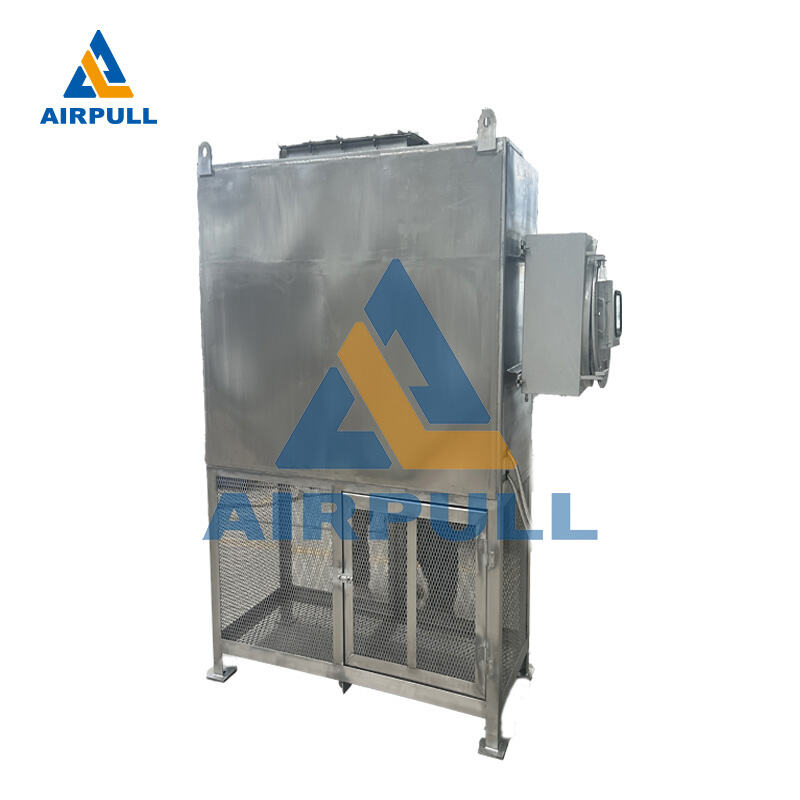
Installing a self cleaning air filter is not just a mechanical task; it is a reliability decision that affects airflow stability, maintenance labor, and equipment uptime. In industrial environments, a self cleaning air filter must be installed with correct orientation, sealing pressure, pulse-cleaning connections, and control settings, or the system will never deliver its designed performance. This guide explains how to install a self cleaning air filter step by step so the unit performs consistently from day one.
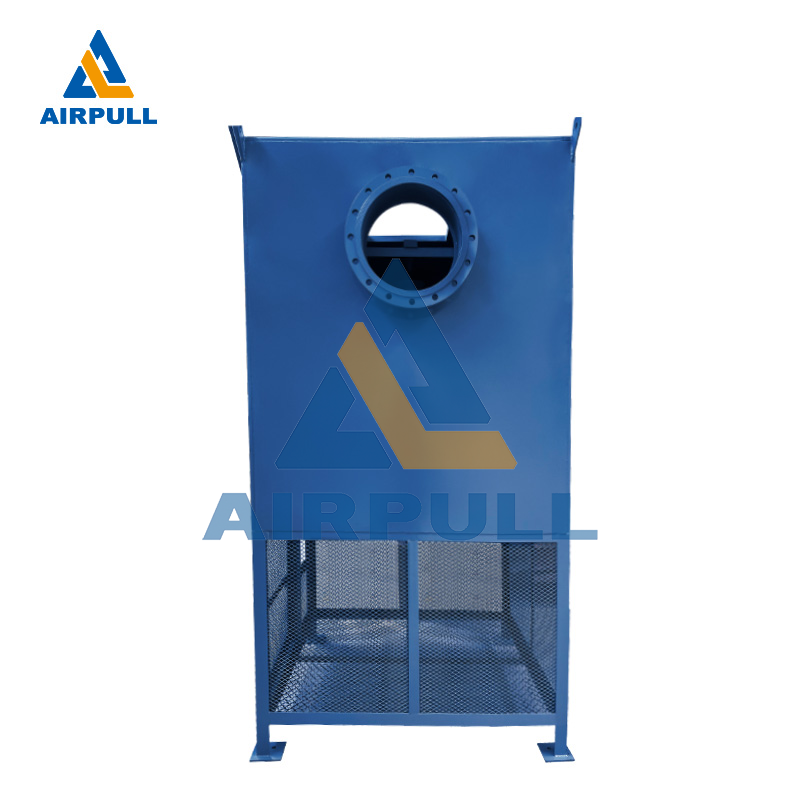
The process below is written for plant engineers, maintenance supervisors, and project teams who need a repeatable installation workflow. It focuses on practical execution, not theory alone: site readiness, mechanical mounting, compressed air integration, electrical control setup, commissioning checks, and early-life optimization. When each stage is done correctly, a self cleaning air filter can maintain low pressure drop, protect downstream systems, and reduce unscheduled intervention across demanding duty cycles.
Prepare the Installation Scope Before Any Physical Work
Confirm process conditions and specification match
Before mounting a self cleaning air filter, verify that the selected unit matches actual operating conditions rather than nameplate assumptions. Check airflow volume, particulate characteristics, inlet temperature, humidity range, and pressure envelope against project documents. A self cleaning air filter sized only for average flow may underperform during surge loads, which can increase differential pressure and shorten element life. Matching duty profile to design range is the first protection against startup instability.
Review the process layout and define whether the self cleaning air filter is handling intake air for compressors, blowers, turbines, furnaces, or general ventilation equipment. Different applications require different installation priorities, especially regarding pulsation, vibration, and contaminants. The installation method for a self cleaning air filter should always be tied to real operating behavior, not only to drawing geometry. This prevents expensive rework after commissioning.
Inspect site readiness and access clearances
A self cleaning air filter needs proper service clearance to support cartridge replacement, pulse valve maintenance, and instrument access. Measure approach space around doors, hopper zones, manifold lines, and electrical enclosures before lifting begins. If a self cleaning air filter is boxed in by structure or piping, even routine maintenance can become a shutdown-level event. Good access planning saves years of labor.
Verify foundation flatness, anchor positions, and load capacity. Uneven support can twist the housing of a self cleaning air filter and create sealing leaks that are difficult to diagnose later. Confirm that lifting points, rigging paths, and safety controls are approved before delivery is positioned. Installation quality starts with site control, not with bolt tightening.
Mount the Unit and Build an Airtight Mechanical Path
Position, level, and anchor the housing correctly
Set the self cleaning air filter in its final orientation according to airflow direction markings and service-side access requirements. Use leveling tools to ensure the body is plumb and stable before final anchoring. A tilted self cleaning air filter can cause uneven dust loading and inconsistent cleaning pulse coverage across filter elements. Accurate leveling improves filtration balance.
Tighten anchors in sequence and recheck alignment after torqueing. Do not force-fit connected ducts to compensate for misplacement, because duct stress can deform the self cleaning air filter casing over time. Mechanical neutrality between the unit and adjacent ducting is important for long-term seal integrity. Install flexible connectors where vibration transfer is expected.
Connect ductwork, gaskets, and joints without leakage paths
The performance of a self cleaning air filter depends heavily on airtight connections at every flange and inspection point. Install specified gaskets, apply even bolt pressure, and avoid over-compression that can crack soft sealing materials. Any bypass path around a self cleaning air filter allows unfiltered air to reach downstream equipment, reducing protection and increasing wear risk. Leak-free assembly is non-negotiable.
After duct connection, inspect all service doors, drain points, and instrument ports for seal continuity. A self cleaning air filter with minor housing leaks may still run, but it will show unstable differential pressure and poor cleaning response under load changes. Conduct a simple pre-commission leak test using low-pressure air and soap solution or an approved plant method. Fixing leaks before startup is far easier than fault-finding during production.
Integrate Utilities and Controls for Cleaning Function
Install compressed air supply for pulse cleaning reliability
A self cleaning air filter requires a stable compressed air source with correct pressure, cleanliness, and dryness to drive pulse cleaning valves. Install a regulator, isolation valve, and moisture management components as specified. If wet or contaminated air enters the manifold, a self cleaning air filter may suffer valve sticking and ineffective pulse energy. That directly raises pressure drop and maintenance frequency.
Route compressed air lines with proper support and slope, and avoid dead legs where condensate can collect. Confirm manifold tightness and valve orientation before energizing the system. The cleaning mechanism is the core value of a self cleaning air filter, so utility quality must be treated as a primary commissioning parameter. Poor air supply is one of the most common causes of underperformance.
Wire sensors and configure control logic parameters
Connect differential pressure sensors, pulse controller outputs, and status signals according to the electrical diagram and plant control philosophy. A self cleaning air filter should be integrated so operators can monitor pressure trend, pulse activity, and alarm states from the control room. Clear visibility reduces diagnosis time when process conditions change. Label all terminals and verify loop continuity before power-up.
Set initial control values based on vendor guidance and process reality, including pulse interval, pulse duration, and differential pressure setpoints. A self cleaning air filter that pulses too frequently wastes compressed air, while delayed pulsing allows dust cake growth and airflow restriction. Balanced tuning keeps filtration stable and extends element life. Document startup settings so later optimization is traceable.
Commission the System and Stabilize Early Operation
Run startup checks in controlled sequence
Start the self cleaning air filter with a staged sequence: verify mechanical integrity, energize controls, confirm compressed air readiness, and then introduce process airflow gradually. Observe differential pressure response as flow increases. A healthy self cleaning air filter should show predictable pressure behavior and regular pulse action without erratic spikes. Any abnormal trend should trigger immediate inspection before full-load operation.
During initial hours, inspect valve firing consistency, door seals, and duct joints while the unit is in service. A self cleaning air filter can pass static tests yet reveal dynamic issues once vibration and thermal effects appear. Early surveillance prevents small defects from becoming production incidents. Capture baseline readings for future condition comparison.
Validate performance and hand over with operating standards
Commissioning is complete only when the self cleaning air filter demonstrates stable performance across normal operating range. Record airflow, differential pressure window, pulse air consumption, and alarm response behavior. These values define acceptable operation and help teams detect drift early. Formal handover should include a clear routine for inspection, cleaning-system checks, and shutdown restart sequence.
For teams evaluating equipment options or replacement planning, reviewing a proven self cleaning air filter configuration can clarify expected installation interfaces and control requirements. Standardizing installation practice across lines also improves reliability outcomes. When procedures are consistent, troubleshooting becomes faster and less dependent on individual experience.
Prevent Common Installation Errors That Reduce Service Life
Avoid configuration mistakes that look minor but cost uptime
Many failures blamed on product quality are installation errors in disguise. A self cleaning air filter installed with reversed flow direction, loose inspection doors, or incorrect pulse pressure will rarely achieve target performance. Another common problem is skipping final torque verification after thermal cycling, which can open micro-leaks at flanges. Preventive discipline during installation protects long-term filtration efficiency.
Incorrect differential pressure setpoints also create hidden losses. If the self cleaning air filter is configured with thresholds that are too wide, cleaning starts late and airflow quality degrades before operators notice. If thresholds are too tight, pulse frequency increases and compressed air demand rises unnecessarily. Good setup means aligning control values with actual dust loading behavior.
Build a post-install routine that keeps performance predictable
After installation, define a short-interval review plan for the first month. Track trend data to confirm the self cleaning air filter remains within expected pressure and pulse patterns as production schedules vary. Early trend analysis can reveal subtle mechanical or control issues before they trigger shutdowns. This approach turns commissioning into sustained reliability instead of a one-day event.
Train operators on what normal behavior looks like for the self cleaning air filter and what deviations require escalation. Simple awareness of sound changes, pulse irregularity, or differential pressure drift can prevent major maintenance events. A self cleaning air filter delivers maximum value when installation quality is paired with disciplined operation. That combination lowers lifecycle cost and supports stable plant output.
FAQ
How long does it usually take to install a self cleaning air filter in an industrial line?
Installation time depends on unit size, duct complexity, and utility readiness, but many projects complete mechanical and utility integration within one to three days, followed by commissioning checks. A larger self cleaning air filter with custom supports and control integration may take longer. The biggest schedule drivers are access constraints and compressed air routing quality. Planning these items early shortens downtime.
Can an existing filtration setup be upgraded to a self cleaning air filter without major redesign?
In many cases, yes, but the retrofit must be checked for airflow range, footprint, service clearance, and control compatibility. A self cleaning air filter often improves maintainability, yet retrofit success depends on sealing quality and proper pulse-air infrastructure. Existing duct stress and foundation condition also need review. A structured site survey prevents costly fitment surprises.
What is the most important commissioning indicator after installing a self cleaning air filter?
Differential pressure trend is usually the most useful single indicator because it reflects loading, cleaning effectiveness, and airflow stability together. A self cleaning air filter operating correctly will show a controlled pressure band rather than continuous climb or erratic spikes. Pair this with pulse valve activity checks for a complete picture. Stable trends in the first weeks usually predict reliable long-term operation.
How often should maintenance teams inspect a newly installed self cleaning air filter?
For a new installation, weekly inspections during the first month are practical to confirm seals, pulse behavior, and control settings remain stable. After baseline stability is proven, intervals can shift to the plant standard based on duty severity. A self cleaning air filter in heavy dust service may still need more frequent observation than one in moderate conditions. Inspection frequency should follow actual trend data rather than fixed assumptions.
Table of Contents
- Prepare the Installation Scope Before Any Physical Work
- Mount the Unit and Build an Airtight Mechanical Path
- Integrate Utilities and Controls for Cleaning Function
- Commission the System and Stabilize Early Operation
- Prevent Common Installation Errors That Reduce Service Life
-
FAQ
- How long does it usually take to install a self cleaning air filter in an industrial line?
- Can an existing filtration setup be upgraded to a self cleaning air filter without major redesign?
- What is the most important commissioning indicator after installing a self cleaning air filter?
- How often should maintenance teams inspect a newly installed self cleaning air filter?