
 EN
EN


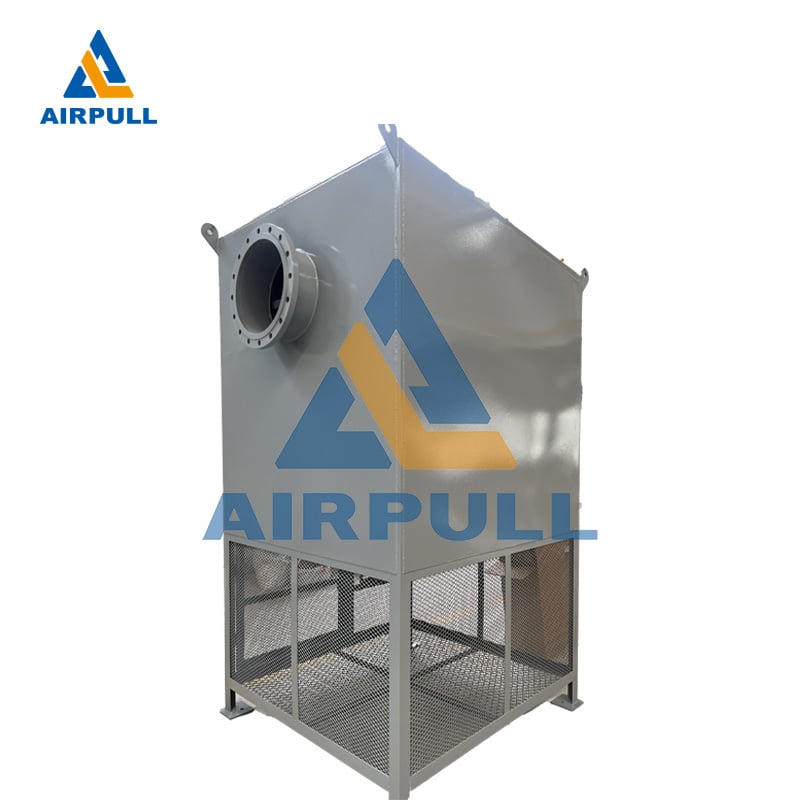
Choosing a self cleaning air purifier for an industrial site is not a simple equipment purchase. It is a long-term operational decision that affects production continuity, air quality compliance, maintenance labor, and total energy cost. A good self cleaning air purifier should reduce routine manual intervention while keeping filtration performance stable across changing dust conditions. This guide is built to help technical buyers make a confident decision based on fit, not marketing language.
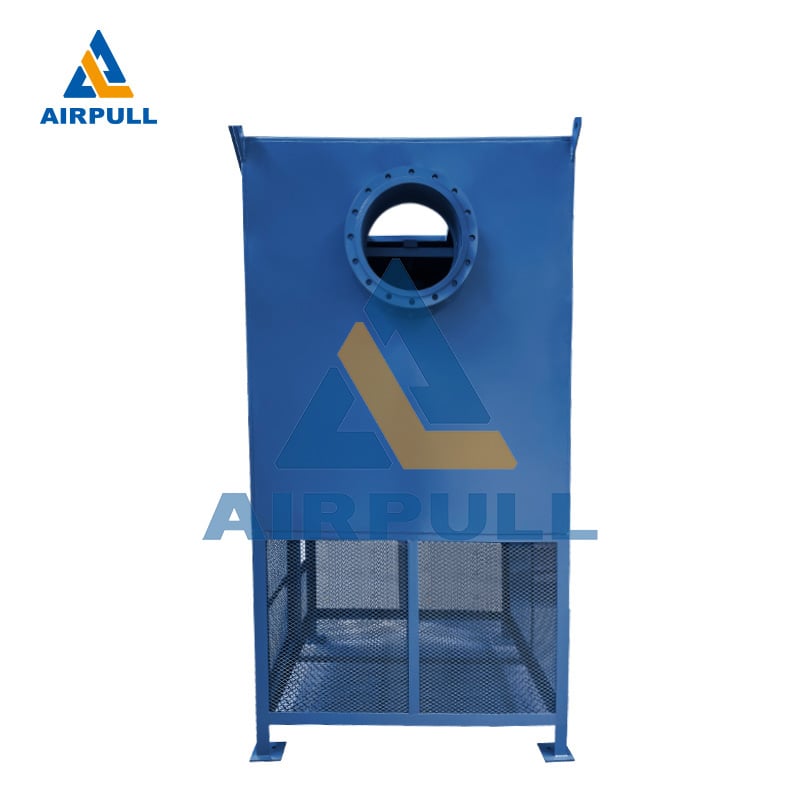
The right self cleaning air purifier is the one that matches your process profile, contamination pattern, utility constraints, and uptime targets. In many plants, teams focus first on airflow ratings, but the buying outcome is usually decided by cleaning efficiency, pressure behavior, and serviceability over time. A self cleaning air purifier that looks adequate on paper can underperform in real duty cycles if regeneration logic and filter loading behavior are not evaluated early. The sections below walk through the practical criteria that matter most when selecting a self cleaning air purifier for B2B and industrial use.
Define the Role of a Self Cleaning Air Purifier in Industrial Operations
How the technology changes maintenance economics
A self cleaning air purifier is designed to remove suspended particles while automatically restoring filter media condition through a cleaning cycle. This reduces the frequency of manual shutdown cleaning and lowers the risk of productivity loss tied to clogged filters. When maintenance crews spend less time on routine dust removal, they can focus on reliability tasks with higher business value. That is why a self cleaning air purifier often becomes part of a broader cost control strategy rather than a standalone environmental upgrade.
From a procurement perspective, the key is to evaluate lifecycle labor impact instead of comparing purchase price alone. A lower-cost unit can become expensive when frequent servicing, consumable turnover, and unplanned stoppages are included. A well-matched self cleaning air purifier typically extends usable filter life through controlled regeneration cycles and more consistent differential pressure management. Over a multi-year horizon, those effects can materially improve total ownership economics.
Where a self cleaning air purifier fits in process airflow
Not every process area has the same contamination profile, so placement logic matters. A self cleaning air purifier near high-load generation points may require stronger pulse cleaning behavior and tighter control architecture than one used in a secondary zone. The buying team should map particle source intensity, duty duration, and airflow pathways before finalizing unit configuration. This ensures the selected self cleaning air purifier supports the real process environment rather than an idealized benchmark.
In facilities with variable shifts, the operating window can swing from low-load to surge conditions in short intervals. A self cleaning air purifier should maintain stable capture performance without excessive pressure spikes during these transitions. Systems that recover quickly after dust surges are generally better for uptime and fan efficiency. That operational resilience is often a stronger indicator of value than nominal peak airflow claims.
Evaluate Performance Criteria Before You Commit
Filtration stability under variable dust load
When reviewing technical data, filtration stability should be treated as a primary decision criterion. A self cleaning air purifier must hold effective particle capture through repeated loading and cleaning cycles, not only during initial operation. Ask for evidence of performance continuity across realistic dust concentrations and cycle durations. This is where many industrial buyers find a clear difference between a basic filter package and a production-grade self cleaning air purifier.
It is useful to benchmark how the self cleaning air purifier handles particle size variation in your target range. Fine particles often stress media behavior differently than coarse material, especially under fluctuating humidity. Consistent removal efficiency under these mixed conditions supports better downstream equipment protection. For sensitive production lines, that consistency can be as important as the filtration rating itself.
Pressure management and energy behavior
Differential pressure trend is one of the most important operational signals in any self cleaning air purifier deployment. If pressure rises too quickly, fan energy increases and airflow availability drops, both of which can affect process quality. Effective self cleaning air purifier designs maintain pressure within a manageable band through predictable regeneration timing. Buyers should request trend examples that show how quickly pressure recovers after cleaning events.
Energy behavior should be assessed as a system-level outcome, not an isolated motor specification. A self cleaning air purifier with stable pressure control can reduce overall fan load volatility and support smoother energy consumption profiles. Over time, this may improve budgeting accuracy for utilities and reduce peak demand stress in high-throughput operations. For plants with strict operating margins, pressure stability is a direct commercial factor, not just an engineering metric.
Assess Integration and Lifecycle Requirements
Installation constraints and control compatibility
A self cleaning air purifier can perform well only when integrated correctly into the plant environment. Duct routing, available footprint, service clearance, and vibration conditions all influence practical performance. Before purchase, verify that the self cleaning air purifier can be installed without compromising access for inspection and maintenance. Tight installations often increase service time and can negate expected labor savings.
Control compatibility is another frequent decision point in industrial projects. The self cleaning air purifier should support clean communication with existing monitoring architecture so teams can track pressure, alarms, and cleaning cycle status in real time. Clear signal visibility helps operations teams react early to abnormal loading patterns. Strong integration capability makes a self cleaning air purifier easier to manage across multi-shift production schedules.
Service model spare strategy and uptime planning
A buying guide is incomplete without service planning, because uptime depends on more than initial specification quality. Every self cleaning air purifier should be reviewed with a practical spare strategy, including media replacement cadence and critical component availability. Plants that define these elements before commissioning usually experience fewer emergency interruptions. The goal is to ensure the self cleaning air purifier remains a predictable asset through normal and peak demand periods.
Service documentation quality also matters during ownership. A self cleaning air purifier with clear maintenance procedures, troubleshooting logic, and parts traceability supports faster recovery when issues occur. Training requirements should be realistic for your maintenance team skill mix and shift pattern. These lifecycle details often determine whether a self cleaning air purifier delivers expected value after the first year.
Build a Practical Buying Decision Framework
Match specifications to risk critical zones
A strong procurement decision starts by linking process risk to filtration requirements. Identify where contamination creates the highest consequence, then specify a self cleaning air purifier that protects those zones first. This prioritization prevents overspending in low-impact areas and under-protecting critical operations. The best self cleaning air purifier program is usually risk-weighted rather than uniform across every department.
Decision teams should translate technical specifications into business outcomes such as uptime stability, scrap reduction, worker exposure control, and maintenance predictability. A self cleaning air purifier that aligns with these outcomes is easier to justify internally and easier to manage after deployment. Procurement, EHS, operations, and maintenance should review the same performance indicators to avoid fragmented expectations. Cross-functional alignment reduces post-installation disputes about what success should look like.
Validate technical claims with evidence based checkpoints
During final selection, use evidence checkpoints instead of relying on generalized performance language. Request operating condition assumptions, cleaning cycle logic, pressure trend behavior, and media durability context for each self cleaning air purifier configuration under review. This level of detail reveals whether performance expectations are grounded in realistic duty conditions. It also helps prevent mismatch between lab-style claims and plant reality.
A disciplined buying process should include commissioning criteria before purchase order release. Define acceptance thresholds for airflow stability, pressure recovery, and cleaning consistency so the self cleaning air purifier can be evaluated objectively during startup. Early clarity improves accountability and shortens optimization time after installation. When the decision framework is structured this way, the selected self cleaning air purifier is far more likely to deliver measurable operational value.
FAQ
How often does a self cleaning air purifier need manual maintenance?
Manual maintenance frequency depends on dust type, load intensity, and cleaning cycle effectiveness, but a properly configured self cleaning air purifier generally needs less frequent intervention than conventional non-regenerating systems. Teams should still schedule periodic inspections for seals, pressure sensors, and media condition. The main advantage is that routine clog-related shutdown work is reduced. Maintenance shifts from emergency cleaning to planned reliability checks.
Can a self cleaning air purifier handle both fine and coarse particles?
A self cleaning air purifier can handle mixed particle profiles when media selection and cleaning parameters are matched to the process. Fine particles may require tighter media behavior and careful pulse tuning to avoid premature pressure buildup. Coarse particles may demand strong pre-separation logic in some airflow setups. The key is validating performance under your actual particle distribution, not only nominal test conditions.
What should be prioritized first when buying a self cleaning air purifier?
Start with process conditions and risk impact, then evaluate pressure stability and cleaning recovery behavior. A self cleaning air purifier that performs consistently under real duty cycles will usually create better lifecycle outcomes than one chosen mainly on upfront price. Integration readiness and service planning should be reviewed in parallel. This sequence leads to a more reliable and defensible purchasing decision.
Is a self cleaning air purifier suitable for continuous operation environments?
Yes, a self cleaning air purifier is often well suited to continuous operation when sized correctly and supported by clear maintenance planning. Continuous sites benefit from automatic regeneration because it helps sustain airflow and reduces manual cleaning interruptions. Performance stability still depends on correct installation, control integration, and periodic condition checks. With those factors in place, continuous-duty reliability is a realistic expectation.
