EN
EN


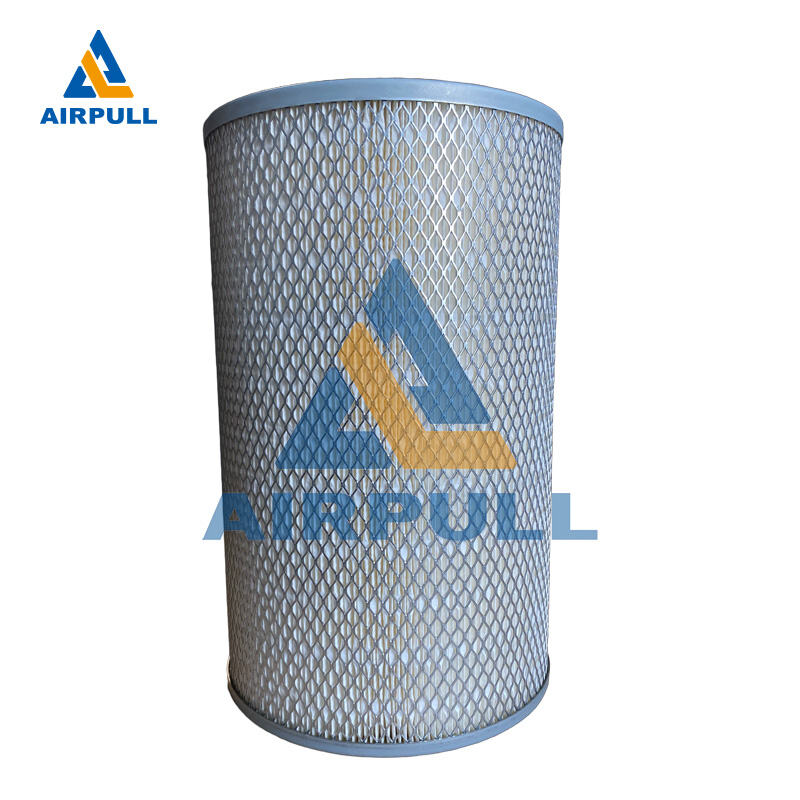
A reliable compressed air system starts with a disciplined filtration strategy, not with emergency replacements after quality failures. In most plants, contamination issues come from a mismatch between process air requirements and filter selection, placement, and maintenance intervals. This guide explains how to implement industrial air compressor filters in a practical sequence so your team can protect product quality, reduce pressure losses, and avoid unplanned downtime. You will move from requirement definition to commissioning and then to ongoing optimization, with each step tied to measurable operating results.
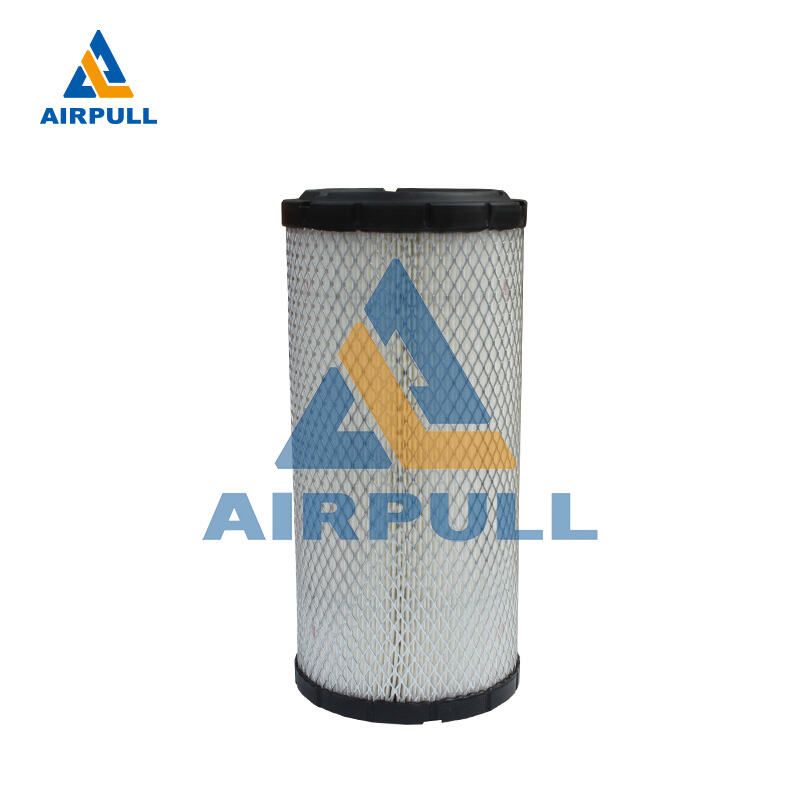
Because compressed air touches production equipment, packaging, instrumentation, and sometimes final products, industrial air compressor filters should be treated as process-control components rather than generic consumables. A step-by-step method helps you choose the right filter stages, avoid over-specification, and maintain stable air quality under changing loads. By following the workflow below, maintenance and production teams can align industrial air compressor filters with real operating conditions instead of assumptions made during initial design.
Step 1: Define Filtration Objectives and System Boundaries
Map air quality requirements by process zone
Start by separating your facility into air-use zones, because one uniform filtration target often creates unnecessary cost. Instrument air, actuator air, direct product contact points, and general utility points usually need different contamination limits. Industrial air compressor filters should be selected after these limits are documented by zone, not before. This prevents both under-protection in critical areas and excessive pressure drop in non-critical areas.
During this mapping stage, define acceptable levels for particles, oil aerosols, and moisture carryover at each use point. The purpose is to translate broad quality expectations into specific filtration duties for industrial air compressor filters. When teams skip this translation, they often install fine filters everywhere and then struggle with rising differential pressure. A zone-based target model keeps filtration performance linked to actual production risk.
It is also important to identify process changes over a full operating cycle, including peak loads and shift transitions. Industrial air compressor filters that perform well at average flow can behave differently at peak demand. By capturing these variations early, you create a realistic basis for sizing and staging filters. This makes later troubleshooting much faster because baseline assumptions are already documented.
Audit existing compressor and distribution conditions
Next, evaluate current compressor room conditions, aftercooling effectiveness, dryer performance, and condensate management. Industrial air compressor filters cannot compensate for severe upstream moisture or oil carryover without frequent blockage and early replacement. A technical audit reveals whether contamination is primarily generated at compression, introduced in piping, or accumulated from poor drainage practices. That distinction affects where each filter stage should be installed.
Capture operating pressure, temperature, and average flow for each header where industrial air compressor filters may be placed. These values influence element media selection, housing size, and allowable pressure drop. Do not rely only on nameplate data, because real operating conditions often differ significantly. Measured conditions create a better fit between filter design and day-to-day performance.
Finally, inspect legacy piping for corrosion scale and lubricant residues that can overload downstream elements. If the distribution network is contaminated, new industrial air compressor filters may show rapid pressure rise that appears to be a filter defect but is actually a system cleanliness issue. Planning a cleaning and purge sequence before full deployment reduces this risk. This early audit step protects both performance and maintenance budgets.
Step 2: Select the Right Filter Configuration for the Duty
Build a multi-stage filtration sequence
A robust setup typically uses staged separation rather than one ultra-fine element. In practice, industrial air compressor filters work best when a coarse pre-filter, coalescing stage, and fine polishing stage are arranged to share the contaminant load. Each stage protects the next one, extending service life and stabilizing pressure drop behavior. This sequence is especially useful in facilities with fluctuating compressor loading.
Place industrial air compressor filters where they can intercept contaminants close to their source while still protecting critical end uses. A central treatment train is often combined with point-of-use polishing filters in sensitive zones. This layered architecture helps maintain consistent air quality even when upstream conditions drift. It also allows targeted maintenance without disturbing the entire plant network.
When planning stages, consider how dryers and separators interact with industrial air compressor filters. Effective moisture removal upstream can dramatically improve coalescing performance and reduce element saturation risk. The objective is a balanced treatment chain where each component handles the contamination type it is best suited for. Balanced design reduces both lifecycle cost and operational surprises.
Match flow, pressure, and media ratings to real operation
Sizing should be based on actual maximum flow with a margin for growth, not on nominal averages. Undersized industrial air compressor filters create avoidable pressure losses that increase energy consumption and reduce tool performance at distant points. Oversized housings, however, can increase cost and footprint without proportional benefit when contamination loads are moderate. Use measured demand profiles to find the practical midpoint.
Media choice is equally important because different contaminants require different capture mechanisms. Industrial air compressor filters for particulate control are not identical to coalescing elements designed for aerosols and oil mist. Matching media structure to contamination type improves separation efficiency and slows differential pressure rise. This technical match directly affects replacement intervals and operating stability.
At this stage, teams often need a reliable reference for compatible replacements and specifications. A practical example is this source for industrial air compressor filters, which can help maintenance planners align part selection with system duty. Keep internal standards updated so replacements remain consistent across shifts and procurement cycles. Standardization reduces installation errors and supports better performance tracking.
Step 3: Install and Commission for Stable Baseline Performance
Install for serviceability, sealing integrity, and safe access
Installation quality determines whether industrial air compressor filters deliver their rated performance in the field. Housings should be mounted with adequate clearance for element changeout, drain checks, and gauge visibility. Poor access encourages delayed maintenance, which leads to excessive pressure drop and contamination bypass risk. Good physical layout turns maintenance tasks into routine work rather than shutdown events.
Confirm correct flow direction, seal condition, and torque values during assembly. Even premium industrial air compressor filters can underperform if O-rings are pinched or housings are unevenly tightened. Small sealing errors may not be obvious at startup but can create persistent quality instability. A controlled installation checklist minimizes these preventable failures.
Drain line routing and condensate discharge behavior should be verified before handover. If liquid is not removed consistently, industrial air compressor filters can flood and lose separation effectiveness. Install teams should validate that drains actuate correctly under real load, not only during static tests. This prevents early-life complaints that are actually drainage problems.
Commission with baseline measurements and acceptance criteria
Commissioning is where you convert design intent into measurable operating control. Record initial differential pressure, downstream cleanliness indicators, and moisture behavior for all industrial air compressor filters at stable load conditions. These baseline values become the reference for future maintenance decisions. Without a baseline, replacement timing becomes guesswork.
Set acceptance thresholds for each stage based on process sensitivity and energy impact. Industrial air compressor filters should not be changed only by calendar, because contamination load and duty cycles vary by line. A pressure-based and quality-based trigger model provides better cost control and reliability. It also gives production managers a clear rationale for maintenance actions.
Document commissioning data in a format that both operators and planners can use quickly. When industrial air compressor filters are tracked consistently, abnormal trends become visible early and corrective action is faster. This data discipline is often the difference between predictable operation and repeated reactive interventions. Commissioning is not paperwork; it is your long-term control foundation.
Step 4: Maintain, Monitor, and Improve Over Time
Create a condition-based maintenance rhythm
Effective maintenance combines scheduled inspections with condition triggers tied to real system behavior. Industrial air compressor filters should be reviewed against differential pressure trends, contamination indicators, and compressor operating patterns. This approach avoids both premature replacement and delayed intervention. Over time, it improves total cost of ownership without compromising air quality.
Coordinate maintenance intervals with production planning to reduce disruption. When industrial air compressor filters are replaced during planned windows, teams avoid emergency stoppages and rushed installation mistakes. Keep replacement elements sealed and traceable to avoid contamination before installation. Simple handling controls preserve expected filter performance.
Technician training also matters because interpretation errors can drive poor decisions. Industrial air compressor filters that show rising pressure may indicate upstream process drift rather than element end-of-life. Training teams to read system context improves diagnostic accuracy. Better diagnostics lead to fewer unnecessary changeouts and more stable operations.
Troubleshoot pressure drop and contamination recurrence patterns
When problems recur, investigate patterns instead of treating each event as isolated. Industrial air compressor filters that clog rapidly after startup may point to pipeline debris release, drain malfunction, or compressor oil carryover changes. Pattern-based troubleshooting identifies root causes that simple element replacement cannot solve. This prevents repeated cost without performance improvement.
If downstream quality remains unstable despite frequent changes, verify stage order and media compatibility. Industrial air compressor filters must be sequenced correctly so each element receives the contaminant profile it is designed to handle. Incorrect order can overload fine media and create uneven pressure behavior. Correcting sequence often restores both quality and element life.
Use periodic performance reviews to update specifications as production evolves. Industrial air compressor filters selected for an earlier process state may not match new throughput or quality demands. Revising targets, stage placement, and maintenance triggers keeps the system aligned with business needs. Continuous improvement is the final step in any serious filtration program.
FAQ
How often should industrial air compressor filters be replaced in a production plant?
Replacement frequency depends on contamination load, airflow variation, and acceptable pressure drop, so fixed calendar intervals are only a starting point. Most facilities get better results by combining periodic inspection with differential pressure limits and downstream quality checks. This method keeps industrial air compressor filters in service while they are effective and replaces them before they create energy or quality penalties.
Can industrial air compressor filters reduce energy consumption as well as improve air quality?
Yes, when they are correctly sized, staged, and maintained. Poorly selected or overloaded industrial air compressor filters increase pressure drop, which forces compressors to work harder. A balanced filtration design with timely changeouts helps control pressure losses and supports lower operating energy demand while still protecting process quality.
What is the most common mistake when implementing industrial air compressor filters?
The most common mistake is choosing elements before defining process-specific air quality targets. Without clear zone requirements, industrial air compressor filters are often overused in low-risk areas and underused where quality is critical. A requirement-first approach prevents this mismatch and produces a more reliable, economical filtration system.
Are point-of-use filters still necessary if central treatment is already installed?
In many plants, yes, especially for sensitive equipment or direct product contact applications. Central treatment handles bulk contamination, while point-of-use industrial air compressor filters provide final protection against distribution-line carryover. This layered strategy is useful when line length, pipe condition, or process criticality varies across departments.
Table of Contents
- Step 1: Define Filtration Objectives and System Boundaries
- Step 2: Select the Right Filter Configuration for the Duty
- Step 3: Install and Commission for Stable Baseline Performance
- Step 4: Maintain, Monitor, and Improve Over Time
-
FAQ
- How often should industrial air compressor filters be replaced in a production plant?
- Can industrial air compressor filters reduce energy consumption as well as improve air quality?
- What is the most common mistake when implementing industrial air compressor filters?
- Are point-of-use filters still necessary if central treatment is already installed?