EN
EN


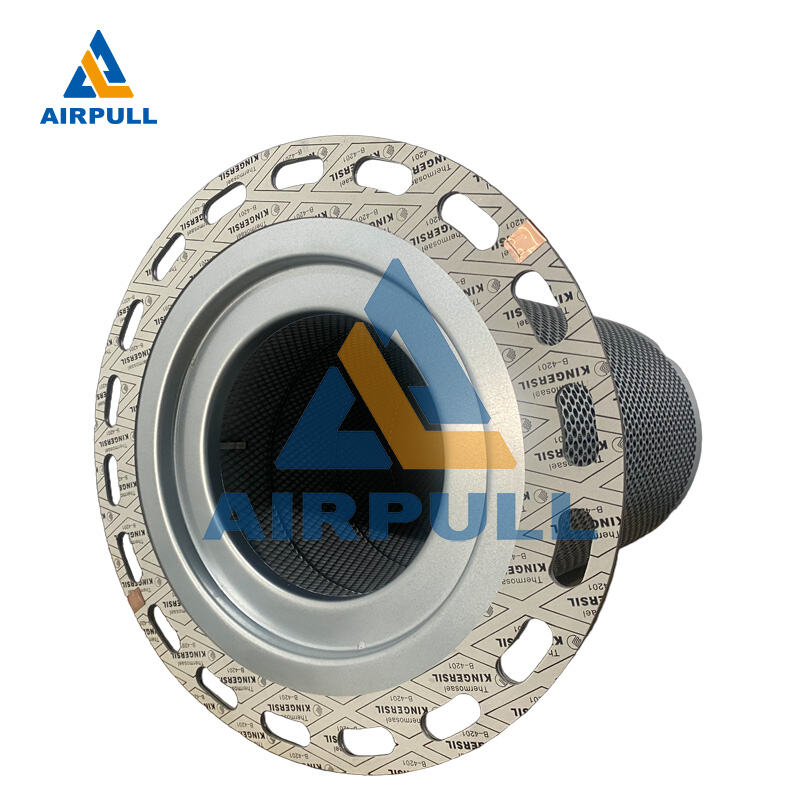
Choosing the right compressor separator filter is a purchasing decision that directly affects uptime, compressed air quality, maintenance frequency, and long-term operating cost. In industrial plants, a compressor separator filter is not a minor consumable; it is a control point for oil carryover, pressure stability, and downstream equipment protection. A buying decision made only on part number similarity often leads to higher differential pressure, shorter service life, and avoidable shutdowns. This guide focuses on practical selection logic so procurement, maintenance, and operations teams can buy with confidence.
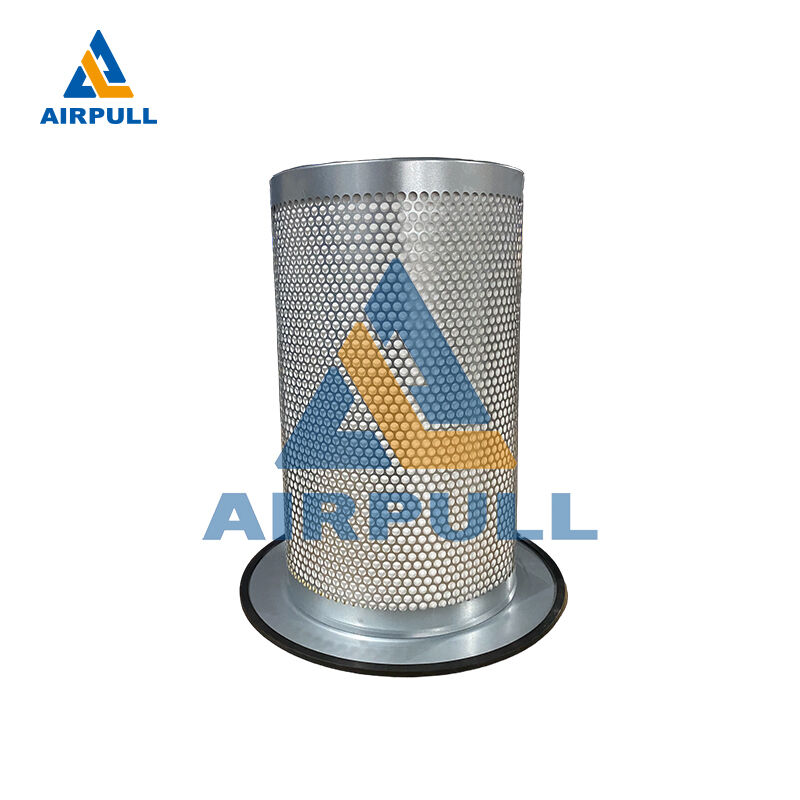
A reliable compressor separator filter buying process starts by matching technical conditions, not just matching dimensions. The best choice is the compressor separator filter that fits your oil type, load profile, operating temperature, pressure range, and service interval strategy. When these factors are aligned, your compressor separator filter supports stable production and cleaner compressed air while reducing emergency replacements. The sections below walk through how to evaluate fit, quality, lifecycle cost, and supplier communication before placing an order.
Define the operating profile before selecting any part
Map real operating conditions, not nominal ratings
Start with actual duty conditions from your site records. A compressor separator filter that performs well at nominal load may behave differently under high cycling, dusty intake conditions, or elevated ambient heat. Capture operating pressure, average load percentage, peak temperature, and shift pattern because each variable influences separator behavior. This first step prevents buying a compressor separator filter that is technically compatible but operationally mismatched.
Maintenance history also provides valuable direction. If your previous compressor separator filter showed early pressure rise, inspect root causes such as oil degradation, overextended replacement intervals, or unsuitable media structure. If oil carryover increased before scheduled changeout, your next compressor separator filter may require different media efficiency or improved sealing consistency. Decisions grounded in failure patterns reduce repeat issues.
Confirm fluid compatibility and air quality targets
Oil chemistry matters more than many buyers expect. A compressor separator filter should be compatible with the lubricant formulation in your compressor, including additive package behavior at temperature. Incompatible pairing can accelerate media saturation and degrade separation performance. Always align compressor separator filter specifications with the lubricant management plan used by operations.
Downstream air quality requirements are equally important. If compressed air serves sensitive pneumatic controls or finishing processes, the compressor separator filter must maintain low carryover consistently across the service interval. If your process tolerance is tighter, evaluate the separator in the context of your full treatment train, not as an isolated component. That approach keeps the compressor separator filter decision linked to production quality outcomes.
Evaluate technical fit using measurable criteria
Check dimensions, seals, and pressure behavior together
Physical fit is the entry requirement, not the final decision criterion. A compressor separator filter must match dimensions, thread or flange interface, and gasket geometry to prevent bypass and leakage risk. Even small tolerance differences can create installation stress or sealing inconsistency under pressure cycles. Confirming fit details early avoids forced installation and premature compressor separator filter failure.
Pressure behavior should be reviewed as a lifecycle metric. The right compressor separator filter delivers acceptable initial differential pressure and a stable pressure rise profile over operating hours. A part with low purchase price but steep pressure increase can consume more energy and trigger earlier replacement. Evaluate compressor separator filter options by total pressure-related impact, not unit cost alone.
Review media quality and structural durability
Separator media construction influences both efficiency and service life. A high-quality compressor separator filter uses media and internal support that resist collapse, channeling, and uneven flow under normal industrial vibration and load variation. Structural integrity is especially important in continuous-duty operations where pressure pulsation is routine. When media stability is poor, compressor separator filter performance can decline quickly even if the part initially appears acceptable.
Bonding, end caps, and sealing materials are also critical details. A compressor separator filter is exposed to heat, oil mist, and pressure stress over long intervals, so adhesive and elastomer quality affect reliability. Ask for clear specification data instead of generic descriptions. A disciplined review of compressor separator filter construction reduces hidden failure risks that are expensive to diagnose later.
Use a practical validation checklist before purchase
Before issuing a purchase order, align technical records across maintenance and procurement teams. The compressor separator filter should be validated against machine model compatibility, target service hours, and acceptable carryover limits. Include installation notes so technicians avoid handling errors that can damage seals. This workflow turns compressor separator filter purchasing into a repeatable process rather than a reactive decision.
When preparing sourcing documents, include required test references and acceptance criteria. For many plants, linking requirements to a specific compressor separator filter specification page can reduce ambiguity and speed technical confirmation. Clear documentation helps suppliers quote accurately and helps your team compare options on equivalent standards. Strong documentation discipline improves every future compressor separator filter purchase cycle.
Compare cost through lifecycle impact, not invoice price
Calculate energy, maintenance, and downtime effects
A compressor separator filter influences energy consumption through pressure drop, and that effect compounds over long operating periods. Even a modest difference in differential pressure can produce noticeable annual cost variation in high-hour facilities. Maintenance labor, shutdown coordination, and waste handling also contribute to real ownership cost. The most economical compressor separator filter is the one that minimizes total lifecycle burden, not simply purchase price.
Downtime risk should be priced into evaluation models. When a compressor separator filter fails early, production loss can quickly exceed savings from lower-cost procurement. For critical lines, reliability margin has direct financial value and should be treated as a purchasing criterion. This perspective keeps compressor separator filter decisions aligned with plant performance priorities.
Set replacement strategy based on condition and trend
A fixed calendar interval is useful, but trend-based management is stronger. Track differential pressure progression, oil carryover indicators, and operating temperature to determine when your compressor separator filter approaches end of effective life. Trend visibility allows planned replacement instead of emergency intervention. Over time, this improves both compressor separator filter utilization and maintenance predictability.
It is also valuable to compare actual service life against expected life by operating zone. If one line consistently shortens compressor separator filter life, investigate contamination load, cooling performance, or lubricant condition rather than blaming the element alone. Root-cause alignment improves selection accuracy in future orders. Continuous review converts compressor separator filter buying into a data-driven improvement loop.
Build a procurement process that prevents recurring mistakes
Standardize technical communication with suppliers
Many purchasing errors come from incomplete RFQ details. A clear compressor separator filter request should include operating pressure range, compressor model, lubricant type, and target change interval. Adding acceptable differential pressure thresholds helps suppliers provide technically relevant options. Better communication leads to better compressor separator filter fit at the first purchase.
Consistency across plants is equally important. If multiple facilities use similar compressor platforms, create a shared compressor separator filter specification template to reduce variation and confusion. Standardized language supports stronger quality control and easier training for new team members. It also makes compressor separator filter performance benchmarking more reliable across sites.
Control receiving, storage, and installation quality
Procurement quality does not end when goods arrive. Inspect each compressor separator filter for packaging integrity, labeling clarity, and visible seal condition before acceptance. Poor storage conditions can damage materials before installation, especially in hot or humid environments. A protected storage routine preserves compressor separator filter performance from warehouse to machine.
Installation discipline closes the loop. Even a well-selected compressor separator filter can underperform if torque guidance, cleanliness control, or startup checks are skipped. Maintenance procedures should include leak inspection and baseline pressure recording after changeout. This final step ensures the compressor separator filter is delivering expected results from day one.
Use post-install feedback to improve the next purchase cycle
After each replacement cycle, capture field feedback in a structured format. Record service hours, pressure trend, observed carryover behavior, and any unusual shutdown events linked to the compressor separator filter. Practical feedback from technicians often reveals issues that are not obvious in procurement data alone. This makes the next compressor separator filter decision more accurate and faster.
Over time, these records form a performance baseline for each operating condition. With that baseline, teams can identify whether a compressor separator filter change improved lifecycle cost or simply shifted risk to another maintenance task. Decision quality improves when procurement, maintenance, and operations review outcomes together. That collaboration is the core of a mature compressor separator filter buying strategy.
FAQ
How often should a compressor separator filter be replaced in industrial service?
Replacement timing depends on load profile, oil condition, operating temperature, and pressure trend rather than a single universal interval. Many facilities start with OEM-style guidance, then refine timing using actual differential pressure behavior for each compressor separator filter application. A condition-based approach usually gives better reliability and cost control than a rigid calendar-only method.
Can a lower-cost compressor separator filter be a good purchasing decision?
It can be, but only when technical fit, media stability, and pressure performance are verified against your operating conditions. A low-price compressor separator filter that increases pressure drop or fails early often raises total cost through energy use and downtime exposure. The correct evaluation compares lifecycle impact, not invoice value.
What data should procurement request before approving a compressor separator filter order?
At minimum, request compatibility details, dimensional confirmation, sealing material information, expected pressure behavior, and recommended service conditions. For critical equipment, include acceptance criteria tied to plant operating ranges so each compressor separator filter quote can be checked on equivalent technical grounds. This documentation reduces selection risk and improves repeatability.
Why does compressor separator filter performance vary between similar compressor units?
Performance differences often come from operating context rather than part identity. Variations in ambient heat, intake contamination, duty cycle intensity, and lubricant condition can change how a compressor separator filter ages in service. Comparing units with normalized operating data helps identify true causes and supports better future purchasing decisions.
Table of Contents
- Define the operating profile before selecting any part
- Evaluate technical fit using measurable criteria
- Compare cost through lifecycle impact, not invoice price
- Build a procurement process that prevents recurring mistakes
-
FAQ
- How often should a compressor separator filter be replaced in industrial service?
- Can a lower-cost compressor separator filter be a good purchasing decision?
- What data should procurement request before approving a compressor separator filter order?
- Why does compressor separator filter performance vary between similar compressor units?