EN
EN


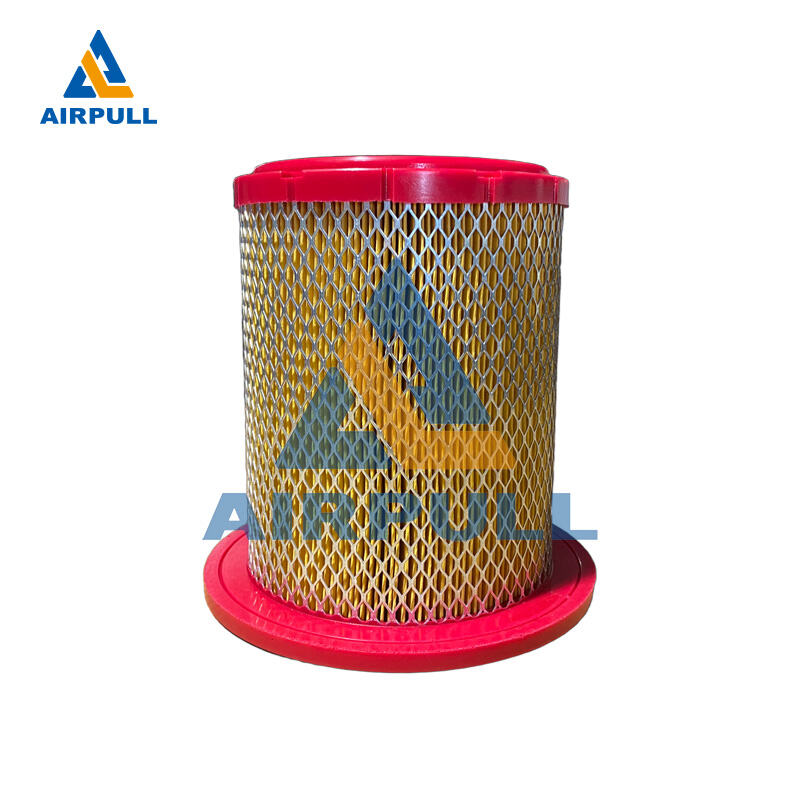
Using a filter element kit correctly is less about swapping parts and more about protecting the full operating cycle of compressed air equipment. In industrial settings, a filter element kit affects pressure stability, oil carryover, moisture control, and the service life of downstream components. When a filter element kit is installed with the right preparation and sequence, it helps maintenance teams reduce unplanned shutdowns and keep air quality within process requirements. This guide explains exactly how to use a filter element kit from planning through post-install verification.
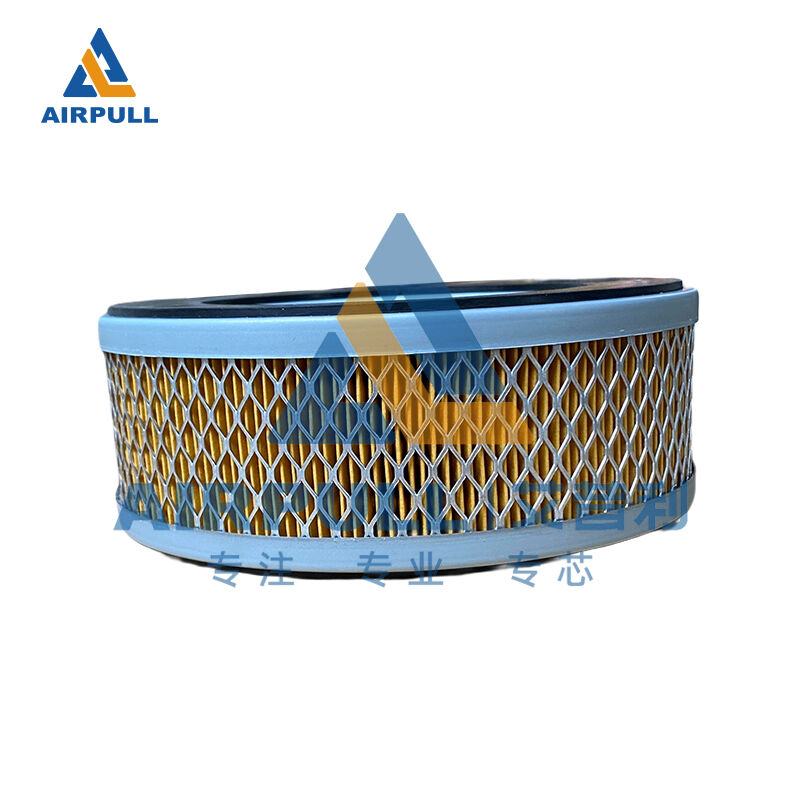
A practical approach to a filter element kit starts before the housing is opened. Technicians need to match the filter element kit to the operating profile, isolate equipment safely, and confirm contamination sources that caused the previous element to degrade. The goal is not only to replace the old unit, but to use the filter element kit in a way that restores design performance and extends the next maintenance interval. The sections below walk through each stage in the order teams can apply on the plant floor.
Preparation Before Installing a Filter Element Kit
Confirm compatibility and operating conditions
Before touching the assembly, verify that the filter element kit specification matches the compressor model, flow range, pressure class, and media type in service. A filter element kit that physically fits but does not match micron rating or pressure tolerance can create restriction, bypass risk, or shortened life. Cross-check part code, sealing dimensions, and intended function for oil, air, or separator duty. This precheck is the foundation of using a filter element kit correctly.
It is also important to compare current operating conditions with design assumptions. If system temperature or contaminant load has changed, the same filter element kit may now face higher stress than in the previous cycle. In that case, installation quality alone will not solve recurring failures. Teams using a filter element kit effectively review pressure trend data and maintenance logs so replacement strategy reflects real plant conditions.
Prepare the work area and isolation process
A clean work environment directly influences filter performance. Dust introduced during replacement can enter the housing and reduce the effective value of a new filter element kit on day one. Wipe surfaces, stage clean tools, and keep replacement components sealed until immediately before installation. This reduces contamination and supports more reliable startup behavior.
Safe isolation is equally critical. Depressurize the system, lock out energy sources, and verify zero pressure at the service point before opening the housing. When teams rush this stage, they risk seal damage and incomplete seating of the filter element kit because parts are handled under unstable conditions. Proper isolation creates the control needed for accurate fitment and leak-free operation.
Installation Workflow for Reliable Performance
Remove old components and inspect housing condition
Open the housing carefully and remove the old element without scraping the seating area. During removal, inspect the used part for abnormal loading patterns because this gives clues about upstream issues. If debris is concentrated on one side, flow distribution may be uneven and should be corrected before fitting the new filter element kit. This inspection step turns replacement into root-cause prevention.
After removal, inspect the housing interior, threads, support core, and sealing lands. Any residue left behind can compromise the new filter element kit and lead to early bypass or differential pressure rise. Clean with approved methods and ensure surfaces are dry and free from lint. Housing condition is often the difference between a routine replacement and repeat service calls.
Install seals and element with controlled handling
When installing a filter element kit, handle seals first and avoid over-lubrication. Apply only the recommended lubricant film where required, then place O-rings evenly without twists. A twisted seal can leak under pressure cycling even when the filter element kit appears seated. Controlled seal handling reduces startup leak checks and avoids housing rework.
Next, insert the element along the centerline and align it with the support structure without forcing. Tighten caps or retainers to the specified torque so the filter element kit is secured but not compressed beyond design limits. Over-tightening can deform sealing surfaces, while under-tightening can permit vibration movement. Precision in this stage protects both filtration efficiency and mechanical integrity.
For teams sourcing replacement parts, using a verified filter element kit with clear dimensional and application data helps reduce installation uncertainty. A consistent specification baseline makes torque, sealing, and fitment outcomes more predictable across maintenance shifts. This is especially useful in plants that run multiple units with similar but not identical configurations.
Commissioning and Validation After Replacement
Bring the system online in a controlled sequence
After the filter element kit is installed, restart should be gradual rather than immediate full-load operation. Introduce pressure progressively and monitor for leaks at joints and access points. A controlled ramp allows seals in the filter element kit to settle correctly under operating stress. It also gives technicians time to detect abnormal noise or vibration before they affect other components.
At this stage, compare inlet and outlet behavior to baseline readings from previous healthy operation. A correctly installed filter element kit should show expected differential pressure without sudden spikes. If initial values are outside target, stop and inspect seating, seal orientation, and contamination entry points. Early correction prevents hidden defects from becoming production failures.
Verify filtration outcomes and document baseline data
Post-install validation should include pressure differential, temperature stability, and any available air quality checks relevant to the process. The objective is to confirm that the filter element kit is functioning as intended under real load, not just idle conditions. For critical applications, capture readings at startup, mid-load, and steady-state operation. This creates a practical performance signature for the new cycle.
Documentation completes proper use of a filter element kit. Record part reference, installation date, operating hours, and observed commissioning data. With this history, teams can trend element life and anticipate replacement windows based on evidence rather than guesswork. A well-documented filter element kit program reduces emergency intervention and improves maintenance planning accuracy.
Operational Practices That Extend Filter Element Kit Life
Control contamination at the source
A filter element kit lasts longer when upstream contamination is managed instead of treated only at replacement time. Intake condition, ambient dust load, and condensate management all influence how fast the filter media saturates. If these factors are ignored, even a correctly installed filter element kit can show premature restriction. Source control keeps performance stable across longer intervals.
In practical terms, teams should monitor separators, drains, and intake pathways for drift from normal condition. Small failures in these areas increase stress on the filter element kit and distort replacement timing. By maintaining upstream health, plants protect filtration efficiency and reduce unnecessary consumable usage. This makes each filter element kit change more predictable and cost-effective.
Use condition-based triggers instead of fixed assumptions
Calendar-only replacement can be either too early or too late depending on duty cycle. A better method is to combine runtime, pressure differential trend, and process sensitivity to determine when the filter element kit should be changed. This approach avoids disposing of useful media while preventing late changes that risk contamination breakthrough. Condition-based logic aligns maintenance with actual operating stress.
Training also matters for consistency. When every technician follows the same method for using a filter element kit, variation in outcomes drops significantly. Standard work instructions should include cleaning standards, torque ranges, seal checks, and commissioning data capture. Consistency turns the filter element kit from a routine part swap into a controlled reliability practice.
FAQ
How often should a filter element kit be replaced in industrial service?
Replacement frequency depends on contamination load, runtime pattern, and required air quality, so there is no single fixed interval for every site. A practical method is to track pressure differential and operating hours together, then set thresholds tied to process risk. In high-dust or high-moisture environments, a filter element kit may require shorter cycles than nameplate assumptions. Data-driven intervals usually outperform calendar-only schedules.
Can a filter element kit be installed without changing seals?
Reusing old seals is a common cause of leaks and unstable pressure behavior after service. Because seal compression set changes over time, a new filter element kit should be paired with the correct new sealing components included for that application. Skipping seals may save minutes during maintenance but often creates repeat shutdowns and housing reopen work. Full kit replacement supports reliable sealing and consistent filtration.
What are early signs that a filter element kit was installed incorrectly?
Typical signs include immediate pressure drop anomalies, visible leakage at housing joints, unusual vibration, and faster-than-expected differential pressure increase. These symptoms can indicate misalignment, improper torque, contaminated seating surfaces, or twisted O-rings in the filter element kit assembly. If any sign appears during commissioning, isolate and inspect before returning to full production duty. Early correction prevents downstream contamination and mechanical wear.
Is it acceptable to keep running when differential pressure rises slowly?
A gradual increase is normal over service life, but it should follow a predictable trend. When differential pressure rises faster than historical baseline for the same filter element kit and duty cycle, the system should be inspected for upstream contamination shifts or installation issues. Continuing operation without review can increase energy use and reduce air quality margin. Trending and action thresholds make filter element kit decisions objective and operationally safe.