EN
EN


Cleaning a high flow filter is not just a maintenance task, it is a process that protects airflow stability, energy efficiency, and downstream equipment life. In industrial systems, a high flow filter handles significant air volume and often captures heavy contaminant loads, so poor cleaning practice can quickly reduce performance. The right method is not complicated, but it must be consistent, inspection-driven, and aligned with operating conditions. When teams understand how to clean a high flow filter correctly, they reduce unplanned shutdown risk and keep pressure drop under control.
This guide explains a practical workflow to clean a high flow filter step by step, including preparation, safe removal, contaminant release, drying, reinstallation, and post-cleaning verification. It also clarifies when a high flow filter should be cleaned versus replaced, because over-cleaning a damaged element can cause bypass and contamination. By applying this structure, maintenance teams can make each high flow filter service cycle predictable and repeatable across shifts.
Prepare the Cleaning Process Before Opening the Housing
Set maintenance conditions and isolate the system
Before touching a high flow filter, isolate pressure sources and confirm zero-energy state according to your plant procedure. A high flow filter can hold residual pressure, and opening the housing too early can release debris or create a safety event. Controlled isolation protects technicians and prevents sudden contaminant redistribution inside the vessel. Good preparation is the first sign that high flow filter cleaning is being treated as a process, not a quick fix.
Plan the cleaning window around production load so the high flow filter can be serviced without rushed decisions. Teams often damage seals or threads when trying to return equipment too quickly. A scheduled slot allows full inspection of the high flow filter body, cap, gasket seats, and drain points. That extra time usually prevents repeat maintenance within the same week.
Gather tools and define acceptance criteria
A reliable high flow filter cleaning routine starts with the right materials: low-pressure dry air, approved non-aggressive cleaning solution, lint-free cloths, soft brush tools, and replacement seals if needed. Avoid harsh solvents unless the filter media specification explicitly permits them. Media compatibility is critical because chemical attack can weaken a high flow filter even when it looks visually intact. Cleaning agents should remove contaminants without changing fiber structure.
Define clear pass or fail criteria before you start. For example, a high flow filter can be accepted after cleaning only if there are no tears, no pleat collapse, no adhesive separation, and no permanent deformation. Set these criteria in advance so technicians do not debate condition under time pressure. Standardized criteria improve consistency across every high flow filter maintenance cycle.
Remove and Inspect the Filter Element Correctly
Use controlled removal to avoid secondary contamination
When removing a high flow filter, keep orientation stable and avoid shaking the element aggressively inside the housing. Sudden impact can release captured particles into clean-side areas. Lift the high flow filter gently, then move it to a designated cleaning zone with protective surface coverage. This protects both the media and the surrounding work area.
During removal, inspect the housing interior for sludge, pooled moisture, or unusual particulate type. These signs often reveal upstream process changes that affect how frequently a high flow filter should be cleaned. If the contamination profile has shifted, your maintenance interval may need adjustment. Cleaning quality improves when technicians evaluate cause, not only symptoms.
Inspect media, seals, and structural points before cleaning
Do a full visual check before any washing or air purge. If a high flow filter shows cracks, punctures, brittle end caps, or distorted pleats, cleaning will not restore safe function. In those cases, replacement is the correct action because damaged media can allow bypass. A high flow filter that cannot maintain integrity should never return to operation.
Check seal grooves and O-ring condition carefully. Many performance complaints blamed on a high flow filter are actually caused by hardened or cut seals that leak around the element. If sealing surfaces are compromised, clean the area and install new compatible seals during reassembly. Seal quality is as important as media cleanliness in any high flow filter service procedure.
Clean the Element With Media-Safe Methods
Apply dry and wet cleaning in the right sequence
Start with dry cleaning when possible. Use low-pressure air from clean side toward dirty side so embedded particles move out of the media instead of deeper into it. Keep nozzle distance controlled to avoid fiber damage in the high flow filter. Excessive pressure is a common mistake that shortens element life.
If dry cleaning is not sufficient, continue with a mild, approved wash method based on media type. Gently rinse the high flow filter and avoid twisting or compressing pleats. Mechanical force can distort flow channels and increase pressure drop after reinstallation. The objective is contaminant removal while preserving geometry and pore behavior.
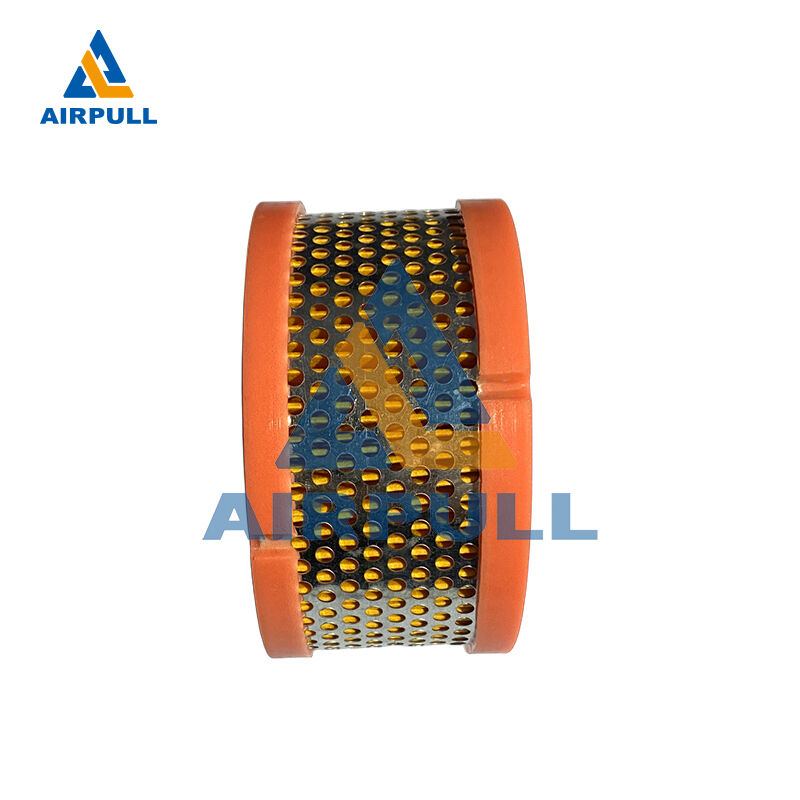
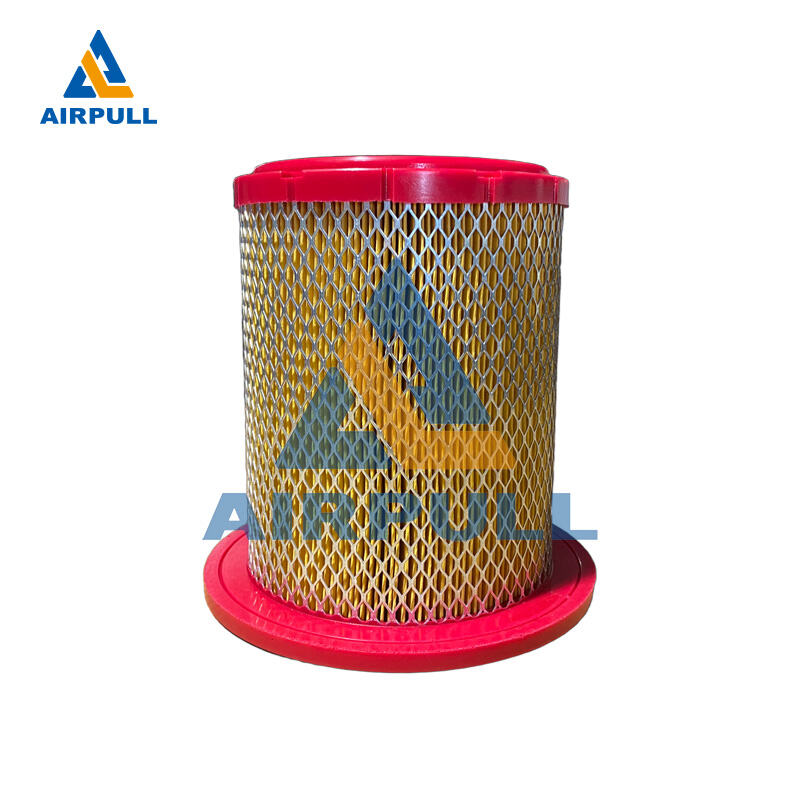
For facilities that need replacement options during turnaround, many teams keep a validated spare such as this high flow filter on hand to reduce downtime when an element fails inspection. That approach prevents rushed reuse of borderline components. It also makes the cleaning decision more objective because production pressure is lower.
Dry fully and prevent recontamination
After wet cleaning, complete drying is mandatory before reinstalling any high flow filter. Residual moisture can attract fine dust, support corrosion in metallic parts, and distort differential pressure readings at startup. Use clean, temperature-controlled airflow and avoid overheated drying that could warp synthetic media. A dry high flow filter behaves more predictably in service.
Store the cleaned high flow filter in a protected, closed area while waiting for installation. Open benches and busy maintenance zones can redeposit particles immediately after cleaning. Label each high flow filter with date, technician, and inspection outcome to preserve traceability. Documentation turns a one-time cleaning event into a controlled reliability practice.
Reinstall, Verify Performance, and Set the Next Interval
Reassemble with correct seating and torque discipline
When installing the high flow filter, align the element carefully with its seat and ensure the gasket contacts evenly all around. Misalignment can create localized bypass even when the media is clean. Tighten hardware according to housing guidance, avoiding over-torque that may deform sealing surfaces. Correct seating is essential for every high flow filter to perform as designed.
Before closing the task, inspect drain points and internal surfaces one more time. A clean high flow filter cannot compensate for contamination left in the vessel. Wipe internal areas with lint-free material and verify no loose debris remains. This simple step protects the first hours of operation after startup.
Track pressure drop trends and refine cleaning frequency
After startup, monitor differential pressure and airflow response across the high flow filter. Compare values against baseline data recorded after previous successful maintenance. If pressure drop remains high, the high flow filter may still be blocked internally or structurally degraded. Data-based verification is more reliable than visual judgment alone.
Use trend history to set the next cleaning interval based on actual loading instead of fixed calendar dates. Some processes contaminate a high flow filter quickly during seasonal shifts or product changeovers. Others allow longer intervals with stable feed quality. A condition-based schedule improves reliability, reduces unnecessary labor, and extends high flow filter service life without risking air quality.
Build a simple review loop after each cycle: what contamination was found, what cleaning method worked, what defects repeated, and how the high flow filter performed afterward. This feedback makes future work faster and more accurate. Over time, the team develops a plant-specific standard for high flow filter maintenance that reduces both downtime and consumable waste.
FAQ
How often should a high flow filter be cleaned in industrial operation?
A high flow filter should be cleaned according to differential pressure trend, contaminant load, and process criticality rather than a rigid fixed date. In stable environments, intervals may be longer, while dusty or variable processes require tighter cycles. The best practice is to define a pressure-drop trigger and validate it with inspection findings. That keeps high flow filter maintenance aligned with real operating conditions.
Can every high flow filter be washed with water or detergent?
Not every high flow filter is compatible with water or detergent, because media composition and bonding materials vary by design. Always confirm approved cleaning agents for that specific high flow filter type before wet cleaning. If compatibility is uncertain, use dry cleaning and inspection first. Incorrect chemistry can permanently damage a high flow filter even when no external damage is visible.
What indicates that a high flow filter should be replaced instead of cleaned?
Replace a high flow filter when you find tears, pleat collapse, broken end caps, adhesive failure, or persistent high pressure drop after proper cleaning. These are structural failure indicators, not surface dirt issues. Reusing a compromised high flow filter can allow bypass and contaminate downstream equipment. Replacement at that point is a reliability decision, not an optional upgrade.
Why does pressure drop stay high after cleaning a high flow filter?
A high flow filter may still show high pressure drop after cleaning due to embedded fine particles, damaged media, incomplete drying, or installation misalignment. Housing contamination and poor seal seating can also distort performance. Recheck element condition, gasket integrity, and baseline measurements to isolate the cause. Persistent deviation usually means the high flow filter has reached end-of-service condition.