EN
EN



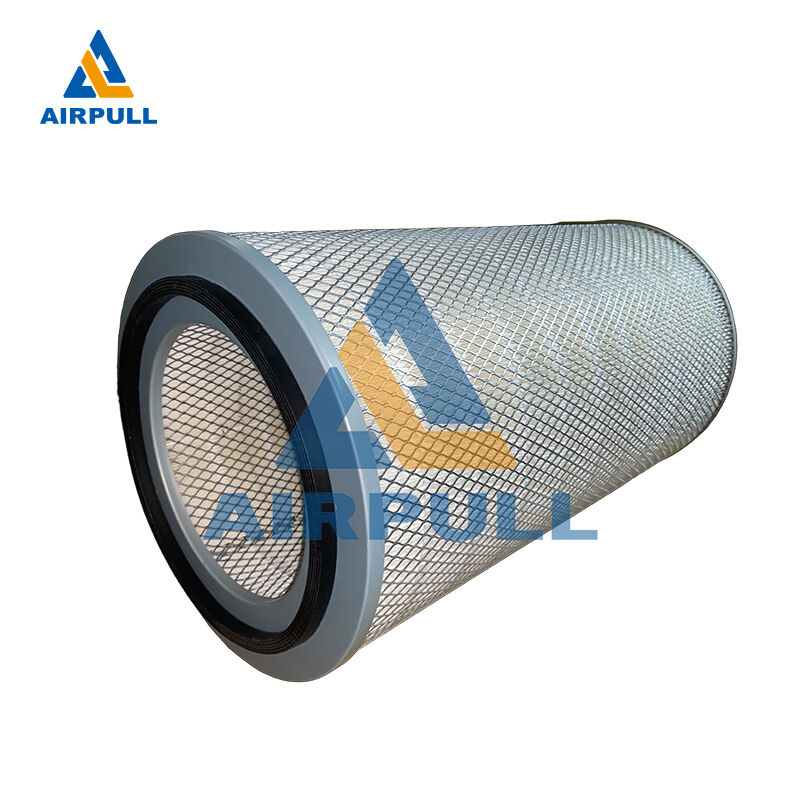
Buying a high quality air filter is not a routine catalog decision in industrial operations. It directly affects compressed air purity, equipment life, maintenance labor, and process stability across production shifts. This buyer guide is designed to help procurement teams, plant engineers, and maintenance managers evaluate a high quality air filter with clear commercial and technical logic. Instead of broad theory, the focus here is practical decision criteria you can apply before issuing a purchase order.
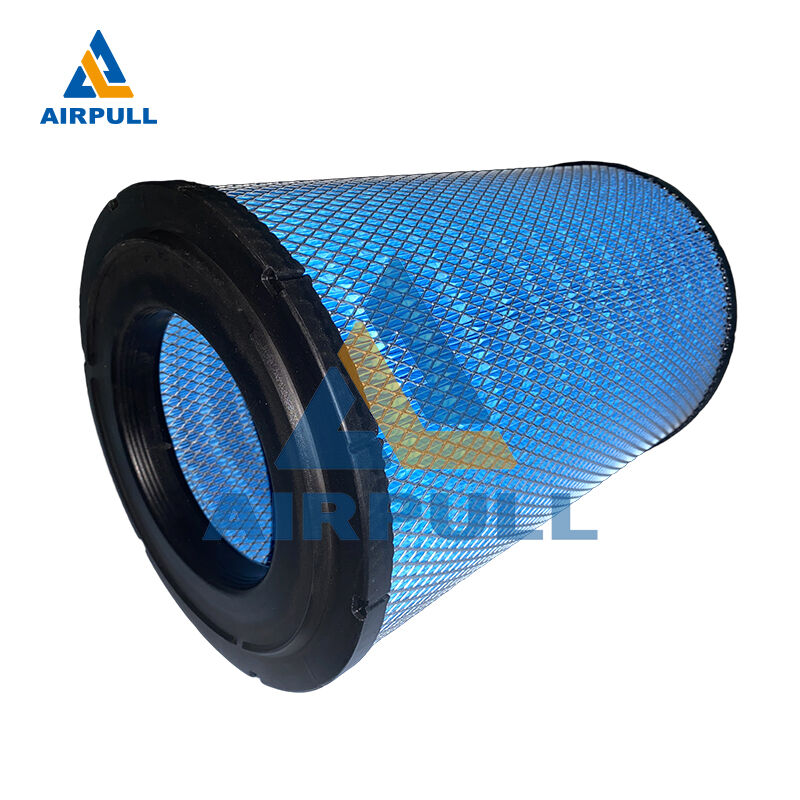
A high quality air filter should be judged by fit to operating conditions, not by appearance or a simple part match alone. Pressure behavior, media durability, contamination profile, and service interval consistency all matter when selecting the right high quality air filter. In this guide, you will learn how to define purchase requirements, verify quality signals, and avoid hidden cost traps. By the end, you should be able to select a high quality air filter that supports both uptime and total cost control.
Define the Buying Objective Before Comparing Options
Connect filtration goals to process risk
The first step in choosing a high quality air filter is defining what failure looks like in your operation. In some plants, minor contamination causes cosmetic defects, while in others it can trigger pneumatic malfunction or production stoppage. A high quality air filter must therefore be selected against your real process risk tolerance, not generic product descriptions. When your objective is clear, technical comparisons become more accurate and faster.
If your process includes precision valves, spray systems, or sensitive downstream tools, a high quality air filter is often part of quality assurance rather than just maintenance. Teams that align filter selection with process criticality usually see fewer emergency interventions. This also improves communication between purchasing and engineering because requirements are documented in operational language. A well-defined objective prevents overbuying and under-specification at the same time.
Separate initial price from operating cost
A common procurement mistake is selecting a high quality air filter only on unit price. The better metric is lifecycle impact, including energy loss from pressure drop, replacement frequency, and labor time during service windows. A high quality air filter with stable performance often lowers overall cost even when the purchase price is higher. This is especially true in facilities where compressor systems run continuously.
When evaluating quotes, ask how each high quality air filter performs over the full maintenance cycle, not just at installation. Inconsistent media quality can lead to early loading and unpredictable pressure behavior, which increases operating expense. A filter decision should therefore be tied to cost per operating hour. This approach gives finance and maintenance teams a shared basis for approval.
Evaluate Technical Fit for Real Operating Conditions
Match media and structure to contamination profile
Not every high quality air filter is built for the same contamination mix. Dust loading, oil aerosol carryover, and moisture behavior vary by compressor type and plant environment. The right high quality air filter should use media and structural support suitable for the particles and conditions your system actually sees. A mismatch can reduce efficiency and shorten service life even if dimensions are correct.
Look for evidence of consistent media formation, pleat stability, and sealing integrity in each high quality air filter. These factors influence bypass risk and filtration consistency during pressure fluctuations. If your site has temperature swings or variable duty cycles, material stability becomes even more important. Technical fit is less about marketing terms and more about predictable behavior under stress.
Check pressure drop behavior across the service cycle
A high quality air filter should balance capture performance with controlled pressure drop. Low initial resistance is useful, but long-term behavior matters more because filters load over time. If pressure rise is too steep, compressor energy use increases and can offset any savings from lower purchase price. For this reason, pressure trend data is a valuable input during buyer evaluation.
Ask suppliers how the high quality air filter performs from clean state to replacement threshold under realistic flow conditions. Consistent pressure progression helps maintenance teams plan changes instead of reacting to sudden restrictions. In demanding duty cycles, this predictability can protect output and reduce unplanned downtime. A stable high quality air filter supports both efficiency and maintenance discipline.
Use Verification Standards That Reduce Procurement Risk
Confirm dimensional and sealing consistency
Even a technically strong high quality air filter can fail in practice if tolerances are inconsistent. Dimensional accuracy affects installation fit, while seal quality affects bypass prevention. During procurement, require clear documentation of tolerance control and sealing material compatibility. A high quality air filter should install reliably without forcing alignment or creating leakage paths.
Receiving inspection procedures should include random checks for each high quality air filter batch, especially for critical lines. This is not about distrust; it is about building a repeatable quality gate. Consistent incoming quality protects both your process and your maintenance schedule. Over time, these checks also help identify the most reliable sourcing pattern.
Validate performance evidence and traceability
For industrial purchasing, claims alone are not enough when selecting a high quality air filter. Ask for test context, material details, and batch traceability that can be reviewed by technical staff. A credible high quality air filter program includes consistent records that link production control to delivered parts. This reduces ambiguity when troubleshooting field issues.
Traceability is especially useful when your plant standardizes on one high quality air filter across multiple units. If a deviation occurs, root cause analysis is faster when component lineage is documented. Procurement teams benefit because supplier performance becomes measurable over time. Quality verification is not extra paperwork; it is risk control in operational form.
Build a Practical Purchasing Framework for Long-Term Value
Align specification, inventory, and maintenance windows
A successful high quality air filter purchase strategy connects technical spec to stocking policy and service timing. If replacement intervals are shorter than planned shutdown windows, teams face reactive swaps and higher labor cost. Selecting a high quality air filter with predictable life helps synchronize inventory turnover and maintenance execution. This improves planning accuracy across departments.
Standardization can also reduce complexity when the same high quality air filter family fits multiple applications with similar contamination profiles. Fewer stock variants make purchasing cleaner and reduce the risk of installation errors. The key is controlled standardization, not forced uniformity where conditions differ. Long-term value comes from structured fit, not simplification alone.
Use controlled trials before full rollout
Before scaling a new high quality air filter across all lines, run a controlled pilot in representative operating conditions. Track pressure trend, service interval, and maintenance feedback through a full cycle. This creates site-specific evidence that supports confident rollout decisions. A pilot also reveals installation or handling issues early, when correction cost is low.
When teams need a direct sourcing reference, one option to review is high quality air filter specifications in a factory-direct format. Use this type of reference to compare structural details, compatibility claims, and procurement practicality against your internal standard. The goal is not impulse buying, but disciplined alignment between requirement and product data. A structured trial turns filter selection into a controlled business decision.
FAQ
How often should a high quality air filter be replaced in industrial systems?
Replacement timing depends on contamination load, operating hours, and acceptable pressure threshold. A high quality air filter should be changed based on monitored condition and planned service windows rather than fixed calendar dates alone. In stable environments, intervals can be longer, while dusty or high-load conditions may require faster turnover. The best practice is tracking trend data for each critical line.
Can one high quality air filter specification fit all compressor applications?
In most facilities, one universal specification is not ideal because duty cycles and contamination profiles differ. A high quality air filter should be matched to airflow, pressure behavior, and downstream sensitivity for each application group. Some standardization is useful, but only where operating conditions are genuinely similar. Fit-by-condition generally outperforms one-size purchasing.
What is the most important checkpoint during supplier evaluation?
The most important checkpoint is consistency over time, not one strong sample. A high quality air filter supplier should demonstrate repeatable dimensional control, reliable sealing quality, and clear traceability per batch. This protects maintenance planning and reduces surprise failures. Procurement confidence comes from stable delivery performance across multiple cycles.
Why does pressure drop matter so much when selecting a high quality air filter?
Pressure drop affects compressor energy demand and therefore operating cost. A high quality air filter that maintains controlled resistance through its service life supports efficiency and process stability. Rapid pressure rise can increase power use and trigger earlier replacement, even when initial pricing looked attractive. Monitoring pressure behavior gives a clearer picture of real filter value.
Table of Contents
- Define the Buying Objective Before Comparing Options
- Evaluate Technical Fit for Real Operating Conditions
- Use Verification Standards That Reduce Procurement Risk
- Build a Practical Purchasing Framework for Long-Term Value
-
FAQ
- How often should a high quality air filter be replaced in industrial systems?
- Can one high quality air filter specification fit all compressor applications?
- What is the most important checkpoint during supplier evaluation?
- Why does pressure drop matter so much when selecting a high quality air filter?