EN
EN



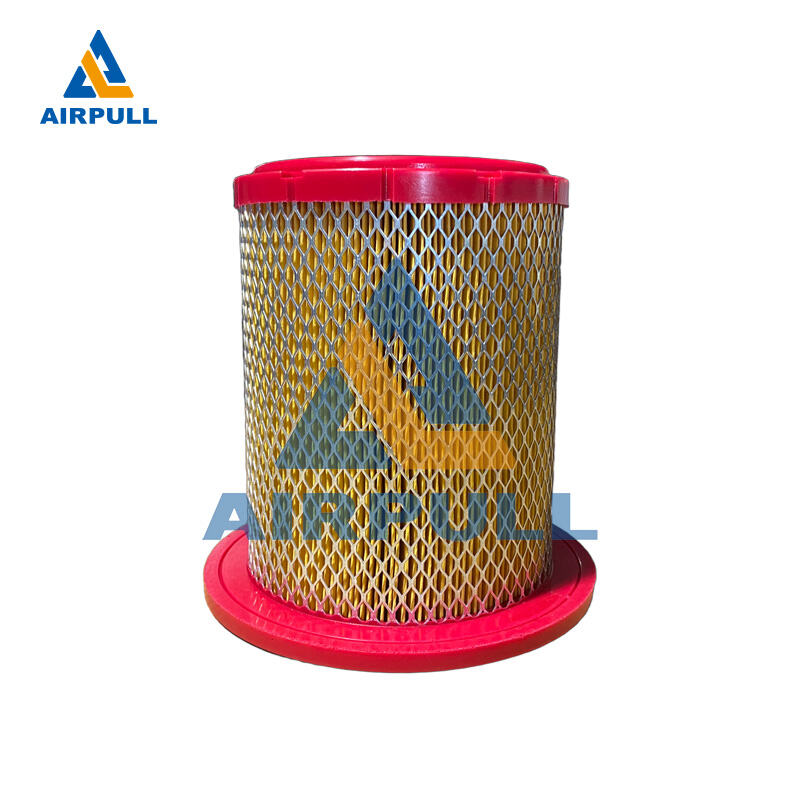
Choosing a premium air filter is not a matter of picking the highest advertised grade. In industrial environments, the right premium air filter is the one that matches process risk, operating conditions, maintenance capacity, and lifecycle cost at the same time. A practical selection method starts with defining what contamination must be controlled, then verifying how each premium air filter performs under real duty. This approach prevents overbuying, under-specifying, and avoidable downtime.
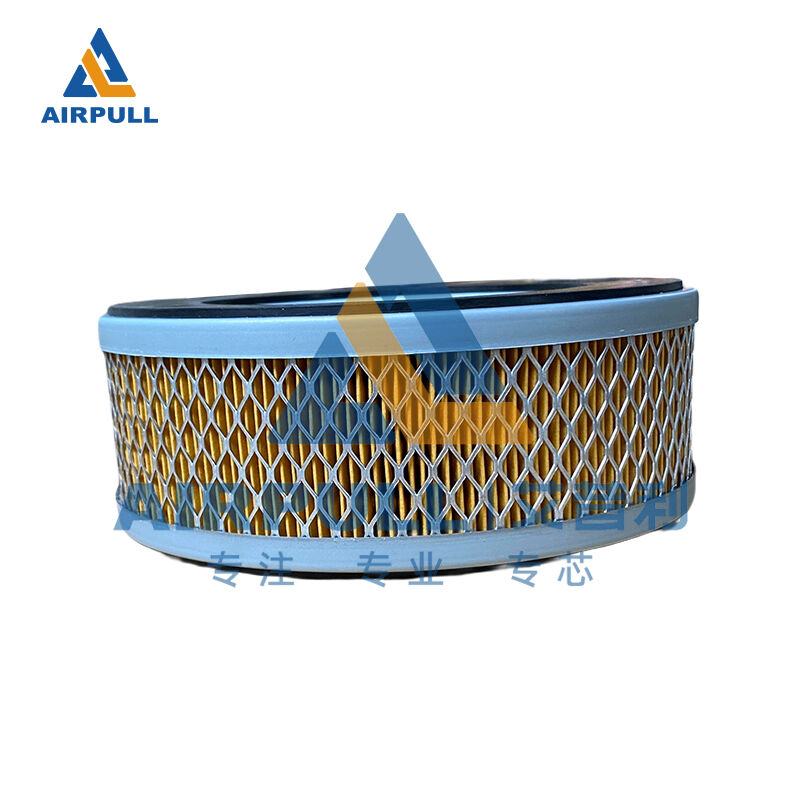
For B2B buyers, the fastest way to choose a premium air filter is to follow a sequence: define requirements, evaluate media and construction, validate installation fit, and qualify performance through controlled trials. Each step narrows risk and makes procurement decisions defensible across engineering, operations, and finance teams. When this sequence is documented, every future premium air filter purchase becomes more consistent and easier to audit. The result is cleaner air management with fewer surprises in production.
Define Performance Requirements Before Evaluating Any Premium Air Filter
Map air quality targets to process risk
Start by identifying where airborne contamination affects output quality, machine wear, or compliance exposure. A premium air filter for a high-sensitivity pneumatic line should be selected differently from a premium air filter used in a general utility zone. Clarify acceptable particle levels, moisture tolerance, and oil carryover thresholds before reviewing product sheets. This ensures the premium air filter is chosen for your operational objective, not just for a marketing label.
Cross-functional input matters at this stage. Production teams can explain defect patterns, while maintenance teams can describe fouling frequency and pressure drop issues linked to existing filtration. Procurement can then convert these inputs into purchase specifications for each premium air filter category. When requirements are written in operational terms, supplier conversations become more precise and less subjective.
Set operating envelope and duty cycle
A premium air filter should be evaluated against real airflow, pressure range, temperature profile, and contamination load, not nominal nameplate assumptions. Duty cycle influences how quickly media loads and how often filter elements require replacement. If your line runs continuously, a premium air filter with stable pressure performance over time is often more valuable than one that only performs well in initial tests. Matching specification to actual duty prevents early saturation and unstable downstream performance.
Document normal, peak, and upset conditions, including startup dust bursts or seasonal humidity shifts. These factors affect both capture efficiency and service life, which directly shape total cost. A premium air filter that appears cost-effective at average conditions may become expensive under peak contamination events. Selection decisions improve when engineering teams use full operating envelopes instead of single-point data.
Evaluate Filtration Media and Structural Design
Read particle capture data correctly
Many buyers focus on one efficiency number, but a premium air filter should be assessed across particle size ranges and loading stages. Ask for efficiency behavior at the sizes most harmful to your process and equipment, not only headline values. A premium air filter with balanced performance across fine and coarse fractions may outperform a narrowly optimized option in real facilities. Interpreting data this way reduces the gap between lab claims and plant outcomes.
It is also useful to review how differential pressure evolves as contaminants accumulate. A premium air filter that maintains stable flow resistance can protect compressor and blower energy performance over longer intervals. In contrast, rapid pressure rise can add operating cost even when capture efficiency looks strong on paper. Selection should combine filtration quality and pressure stability as a linked decision.
Check mechanical integrity and service stability
Media quality alone is not enough; casing, seals, end caps, and bonding quality determine whether a premium air filter performs consistently during vibration and thermal cycling. In industrial settings, weak structural components can cause bypass paths that erase filtration benefits. A reliable premium air filter should maintain seal integrity through installation, operation, and removal. Mechanical design is therefore a core performance factor, not just a packaging detail.
Review compatibility between filter materials and expected environmental exposure, including oil mist, cleaning agents, and temperature swings. Premature material degradation can shorten replacement intervals and increase contamination risk. A premium air filter with durable construction typically supports more predictable maintenance planning. This predictability is valuable for plants that run tight production schedules and cannot absorb unplanned service windows.
When evaluating options, many teams reference a documented product example such as premium air filter specifications to compare media type, pressure behavior, and durability criteria in one place. The key is to use any reference as a benchmark framework and validate against your own duty profile. That keeps the selection process objective and site-specific.
Validate Fit, Maintenance Workflow, and Lifecycle Cost
Confirm dimensional and sealing compatibility
Even a high-performing premium air filter can fail in practice if fitment is slightly off. Verify dimensions, sealing interfaces, and installation tolerances against existing housings and connection points. A premium air filter that installs cleanly without modification lowers leak risk and reduces technician error. Fit validation should be part of technical approval, not left to receiving inspection.
It helps to run a controlled installation check with maintenance staff before bulk ordering. Small misalignments can create recurring issues that are expensive to diagnose after rollout. A premium air filter with proven compatibility shortens changeout time and improves consistency across shifts. Operationally, installation simplicity can be as valuable as filtration performance data.
Compare service intervals and total cost of ownership
Unit price should never be the only decision variable when choosing a premium air filter. Evaluate expected service life, labor time per changeout, disposal handling, energy impact from pressure drop, and downtime exposure. A premium air filter with longer stable performance may carry higher purchase cost but lower annual operating cost. This is especially important in multi-line facilities where maintenance labor scales quickly.
Build a cost model using your real maintenance frequency and production value at risk during service interruptions. Include conservative assumptions for contamination spikes and emergency replacements. A premium air filter decision based on lifecycle economics is easier to justify to finance teams than one based on component price alone. Over time, this method improves budget predictability and asset reliability.
Build a Qualification and Procurement Framework
Run a controlled pilot and acceptance criteria
Before standardizing a premium air filter across multiple assets, conduct a pilot on representative equipment under normal and high-load conditions. Define acceptance criteria in advance, including pressure behavior, contamination control, service interval, and installation repeatability. A premium air filter should pass all criteria to move from trial to approved status. Clear pass-fail logic avoids subjective decisions and internal debate.
During the pilot, track both quantitative and qualitative feedback. Instrumentation can capture performance trends, while technicians can report handling and replacement practicality. Combining both perspectives gives a fuller picture of whether the premium air filter is operationally sustainable. Pilot evidence also supports smoother rollout and internal stakeholder alignment.
Standardize documentation and supplier communication
Once a premium air filter is approved, lock in a controlled specification document covering dimensions, media class, pressure limits, and inspection checkpoints. This prevents silent substitutions that can degrade performance over time. A standardized premium air filter spec also simplifies purchasing and reduces receiving disputes. Consistency is critical when multiple buyers or maintenance teams are involved.
Define communication protocols for lead time updates, quality incidents, and change notifications. Any modification to materials or construction should trigger formal review before implementation. A premium air filter program works best when technical and commercial controls are integrated, not separated. That integration protects production continuity and keeps filtration quality stable across procurement cycles.
FAQ
How often should a premium air filter be replaced in industrial service?
Replacement frequency depends on contamination load, airflow demand, and allowable pressure rise, so fixed calendar intervals are often incomplete. Most teams get better results by combining runtime data with differential pressure trends and visual inspection checkpoints. A premium air filter should be replaced at the point where performance decline begins to affect energy use or downstream quality risk. This condition-based approach usually balances reliability and cost better than schedule-only replacement.
Can one premium air filter specification work for every production line?
In most facilities, one universal specification is too broad because risk profiles differ by process. A premium air filter for sensitive instrumentation may require tighter performance control than one used in general compressed air distribution. Grouping applications into a few validated classes is more effective than forcing a single standard. That method keeps procurement manageable while preserving technical fit.
What is the biggest mistake when selecting a premium air filter?
The most common mistake is selecting a premium air filter by advertised efficiency alone without checking pressure stability, fitment, and service workflow. This can create hidden operating cost and inconsistent field results despite strong catalog numbers. A better decision process evaluates the full operating context and lifecycle economics from the start. In practice, balanced evaluation prevents both overengineering and underperformance.
How can procurement teams verify premium air filter quality over time?
Procurement teams should require stable part specifications, documented quality controls, and formal notification of any material or design changes. Periodic incoming checks and performance trend reviews help confirm each premium air filter batch remains aligned with the approved baseline. Joint review meetings between maintenance, engineering, and purchasing add another layer of control. This governance model keeps long-term filtration performance consistent and auditable.