EN
EN


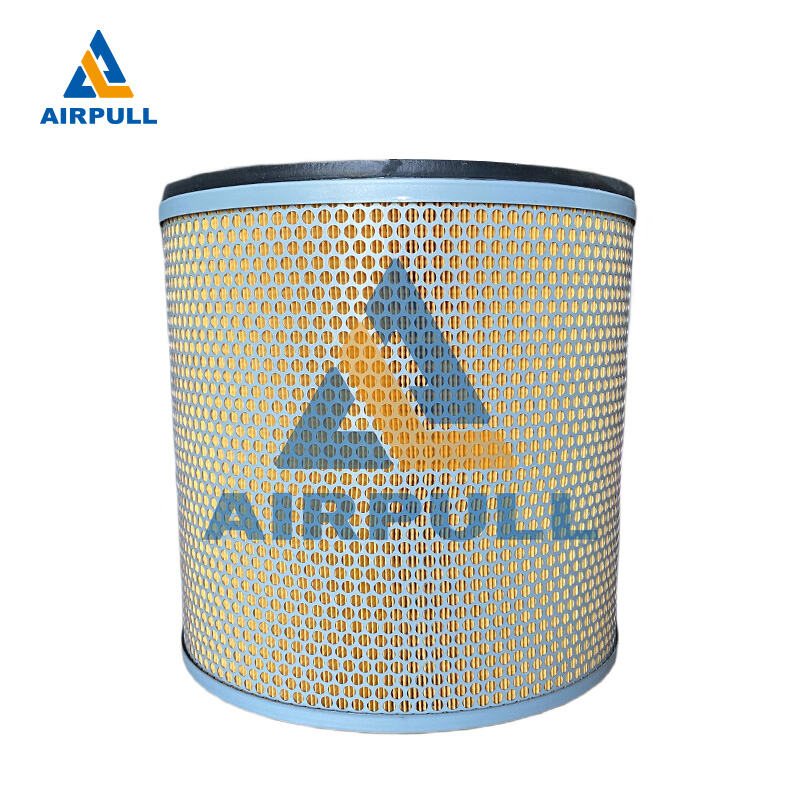
Maintaining an air purifier self cleaning filter is not just a housekeeping task. In industrial settings, it is a control point that affects airflow stability, equipment uptime, energy use, and product quality. The right method is a structured routine that combines scheduled checks, condition monitoring, and disciplined service steps. When teams treat the air purifier self cleaning filter as a managed asset instead of a replace-only component, filtration performance stays predictable and unplanned stoppages drop.
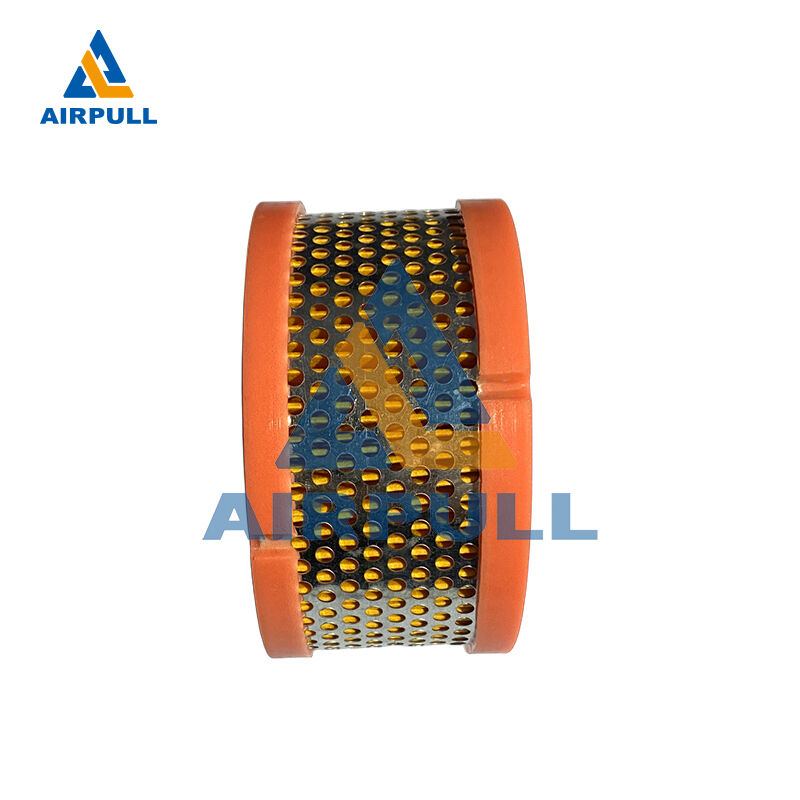
This guide explains exactly how to maintain an air purifier self cleaning filter in day-to-day operations. It focuses on practical workflow, not theory alone, so maintenance, production, and EHS teams can apply it in real facilities. You will see how to set intervals, run safe service procedures, protect media life, and use performance signals to adjust actions before failures appear. A well-managed air purifier self cleaning filter supports cleaner air and steadier output across demanding process environments.
Operational Principles That Drive Performance
Understand the self-cleaning cycle as a maintenance system
An air purifier self cleaning filter removes accumulated dust through a built-in cleaning action, often pulse air, reverse flow, or mechanical shaking depending on design. That cycle restores permeability, but it does not remove every maintenance responsibility. Teams still need to verify that cleaning triggers, pulse timing, and pressure levels remain within intended operating windows. If those settings drift, the air purifier self cleaning filter may look active while slowly losing effective capacity.
Good maintenance starts by mapping the full cleaning sequence from contamination loading to discharge path. Operators should confirm that collected particulates actually exit the system rather than re-entering the housing. In many plants, recurring issues come from blocked discharge paths, weak pulse strength, or delayed cycle activation rather than media wear itself. A stable air purifier self cleaning filter process depends on all these connected elements working together.
Maintenance teams also need to align cleaning cycles with production rhythms. A heavily loaded shift may require more frequent cleaning events than a light-load shift, even with the same hardware. Reviewing runtime data helps calibrate the air purifier self cleaning filter cycle to actual dust generation patterns. This keeps airflow consistent and avoids over-cleaning, which can stress media prematurely.
Separate dust loading effects from media damage
One common mistake is assuming every performance drop means filter replacement. In reality, an air purifier self cleaning filter can show higher resistance simply because dust burden temporarily exceeds cleaning interval capacity. Before replacing media, verify whether cleaning frequency and pulse effectiveness are sufficient for current operating conditions. This distinction protects budget and prevents unnecessary shutdowns.
Media damage has different signatures than normal loading. Tears, deformation, seal bypass, or persistent pressure rise after repeated cleaning events indicate that the air purifier self cleaning filter needs corrective service, not only cycle adjustments. Visual inspection through safe access points and differential pressure trend review usually reveal which condition is present. Combining both methods reduces guesswork and improves decision speed.
Over time, documenting these patterns builds a site-specific diagnostic baseline. Teams learn what normal looks like for each air purifier self cleaning filter under each product mix and shift profile. That baseline is essential when new operators join or process loads change seasonally. Consistent interpretation leads to consistent maintenance outcomes.
Build a Maintenance Routine Around Real Process Conditions
Set inspection intervals by dust profile and runtime
A calendar-only schedule is rarely enough for an air purifier self cleaning filter in industrial duty. Interval planning should consider particulate type, concentration spikes, humidity, and total runtime hours. Fine sticky dust, fibrous debris, or moisture-laden air can change cleaning behavior quickly and require tighter checks. In lower-load periods, intervals can be safely extended when data supports that decision.
A practical approach is a hybrid interval model: fixed minimum inspections plus condition-triggered checks. For example, teams may inspect each air purifier self cleaning filter at defined weekly points while also triggering extra checks when pressure drop exceeds alert thresholds. This creates discipline without ignoring real process variation. It also helps plants avoid the two extremes of under-maintenance and excessive intervention.
During interval reviews, include both maintenance and production perspectives. Production teams often notice subtle airflow behavior before alarms trigger, while maintenance teams can validate mechanical causes. Sharing observations improves how the air purifier self cleaning filter schedule is tuned over time. Cross-functional feedback is often the difference between reactive repairs and stable control.
Standardize shutdown, isolation, and restart practice
Service quality depends on procedure quality. Every air purifier self cleaning filter should have a clear sequence for shutdown, lockout, isolation, access, cleaning verification, reassembly, and restart confirmation. Variation between technicians increases risk of seal damage, loose fasteners, and startup leakage. Standard work instructions reduce those risks and protect both people and equipment.
During isolation, ensure stored pressure is fully released before opening service points. Residual pressure can damage components or create safety incidents during inspection. After reassembly, a controlled restart allows teams to confirm that the air purifier self cleaning filter resumes cleaning cycles correctly and reaches stable pressure behavior. Skipping this validation phase often creates hidden faults that appear later in production.
Documentation matters as much as execution. Each service event should capture date, runtime, observed condition, adjustments made, and post-service readings for the air purifier self cleaning filter. Reliable records make troubleshooting faster and reveal recurring causes across shifts. Over several months, this history becomes a powerful optimization tool.
Protect Filter Integrity During Cleaning and Service
Use the right cleaning force and direction
Self-cleaning systems are designed around specific pressure ranges and flow direction assumptions. Increasing force beyond design limits does not guarantee better cleaning and can weaken media structure. When maintaining an air purifier self cleaning filter, verify pulse or reverse-flow settings against equipment guidance and operating feedback, then adjust carefully in small steps. Controlled tuning preserves cleaning effectiveness without accelerating wear.
Manual intervention should follow the same principle. If supplemental cleaning is required during planned downtime, use methods compatible with the media type and avoid aggressive contact that can create micro-damage. An air purifier self cleaning filter can appear intact after harsh handling but still lose capture efficiency due to subtle fiber disruption. Gentle, methodical handling extends usable life.
The dust discharge route also needs attention. Even a well-tuned air purifier self cleaning filter can underperform when hoppers, valves, or ducts are partially blocked. In that case, removed dust has nowhere to go and reloading accelerates. Verifying discharge continuity should be a routine part of each service cycle.
Control seals, gaskets, and housing alignment
Air bypass is one of the most expensive hidden faults in filtration systems. A damaged gasket or misaligned panel can allow contaminated air to pass around media, making the air purifier self cleaning filter look operational while process air quality declines. Inspection should include contact surfaces, compression quality, and fastening consistency at every access cycle. Small seal issues can produce large downstream effects.
Housing integrity checks should cover vibration impact as well. Repeated mechanical stress can loosen joints and alter alignment, especially in high-duty environments. When alignment drifts, the air purifier self cleaning filter may experience uneven loading, creating localized stress and reduced life. Correcting structural fit early prevents recurring maintenance events.
When replacement is necessary, choose a specification that matches process demands rather than defaulting to a generic part. Teams evaluating options often review a air purifier self cleaning filter configuration against airflow, particulate behavior, and cleaning mechanism compatibility. Proper fit at this stage reduces long-term maintenance burden and improves stability.
Track Performance Signals and Correct Drift Early
Read pressure drop trends before failure appears
Differential pressure is one of the clearest health indicators for an air purifier self cleaning filter. A single reading is useful, but trend behavior is more valuable for maintenance decisions. Rising baseline pressure after each cleaning cycle often signals declining recovery efficiency, while unstable oscillations can point to control timing or actuator issues. Trend-based interpretation allows earlier intervention with lower disruption.
Set practical thresholds for alert, action, and escalation, then align them with production criticality. In high-sensitivity processes, even moderate drift in air purifier self cleaning filter performance can affect yield or surface quality. In less sensitive areas, thresholds can be wider without major process impact. Matching limits to business risk creates smarter maintenance priorities.
Teams should also cross-check pressure trends with energy and airflow behavior. When fan load rises while delivery drops, the air purifier self cleaning filter may be losing effective permeability despite active cleaning cycles. Correlating these signals provides stronger evidence than any single parameter alone. This improves accuracy when deciding between adjustment, repair, or replacement.
Link maintenance logs to production outcomes
The strongest maintenance programs connect technical actions to plant outcomes. Record how each air purifier self cleaning filter intervention influences downtime, defect rates, rework, and energy intensity over the following shift or week. This closes the loop between service activity and operational value. It also helps leadership support preventive work with clear business justification.
When recurring issues appear, perform short root-cause reviews rather than repeating identical fixes. For example, repeated pressure alarms on one air purifier self cleaning filter may trace back to dust characteristic changes, control tuning drift, or gasket seating problems. Solving the underlying cause is less costly than frequent emergency maintenance. Consistent review cadence keeps performance from slowly degrading.
As facilities scale, standard templates make this easier across multiple lines. A shared record format for each air purifier self cleaning filter creates comparability and speeds training. New technicians can understand expected patterns faster and avoid avoidable errors. The result is a more reliable filtration system with fewer surprises.
FAQ
How often should an air purifier self cleaning filter be inspected in industrial use?
Inspection frequency depends on dust load, runtime, and process sensitivity, but most sites perform a fixed weekly or biweekly check plus condition-based checks from pressure alerts. A high-load process may need tighter intervals for each air purifier self cleaning filter, while stable low-load operations can extend intervals after trend validation. The key is using real operating data, not calendar timing alone.
Can a self-cleaning unit eliminate filter replacement entirely?
No. An air purifier self cleaning filter reduces manual cleaning frequency and extends service life, but media and seals still age. Replacement timing should be based on pressure recovery behavior, physical condition, and air quality performance rather than assumptions. Self-cleaning improves longevity, not infinite life.
What is the first sign that maintenance quality is declining?
A common early sign is rising baseline differential pressure after cleaning cycles, often followed by unstable airflow. That pattern means the air purifier self cleaning filter is not recovering as expected and needs investigation of cleaning force, cycle timing, discharge path, and sealing condition. Early correction prevents larger failures.
Which records are most useful for long-term optimization?
Track runtime hours, pressure trends, cleaning settings, observed dust behavior, seal condition, and post-service results for every air purifier self cleaning filter event. Linking those records to downtime and quality impact turns maintenance notes into decision data. Over time, this creates a clear operating baseline and improves planning accuracy.