EN
EN


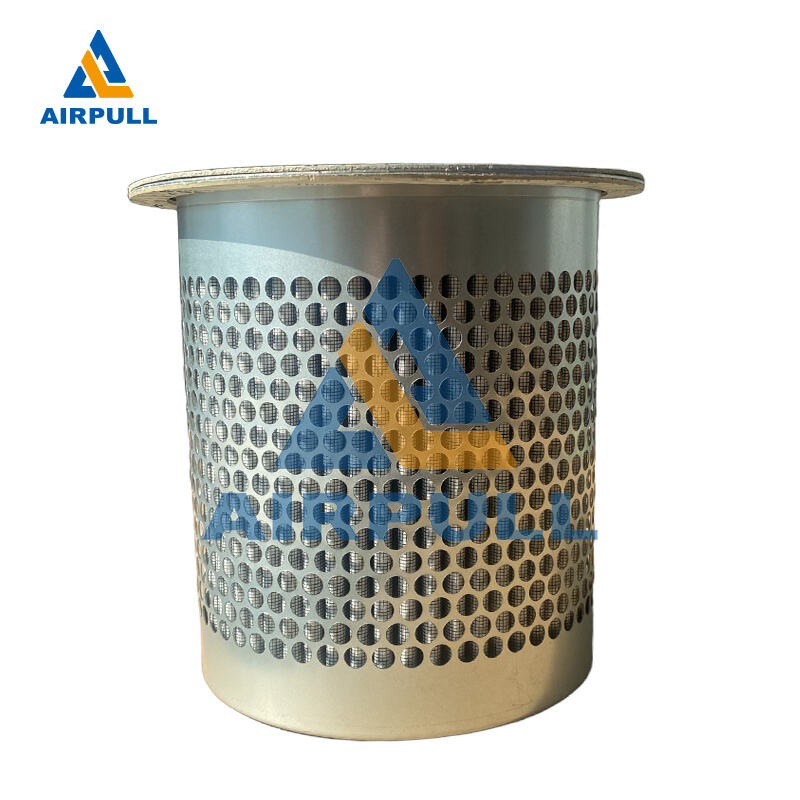
Choosing among oil and gas separator manufacturers is not a simple purchasing step, because the maker you select will influence uptime, maintenance cost, fluid quality, and risk exposure for years. In industrial environments where compressors, process skids, and production lines run continuously, separator performance is tied directly to reliability and operating margin. The right decision is less about finding a low unit price and more about matching engineering capability, quality discipline, and lifecycle support to your operating reality. This is why a structured approach to evaluating oil and gas separator manufacturers gives better long-term outcomes than quick quote comparisons.
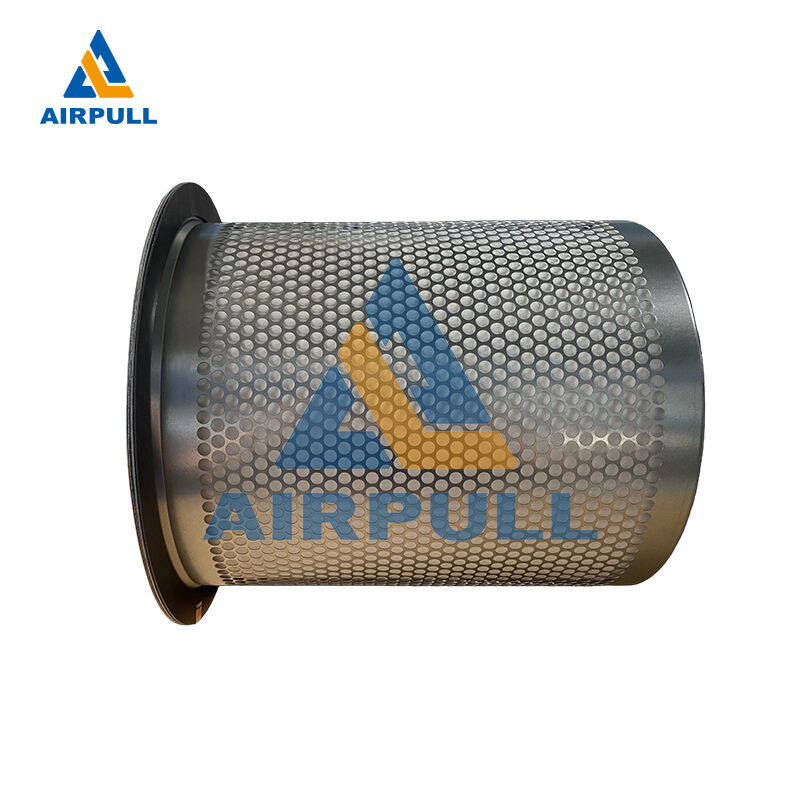
A practical way to choose oil and gas separator manufacturers is to evaluate them in sequence: define your duty conditions, verify technical fit, test production consistency, and confirm after-sales responsiveness before final approval. This process keeps teams focused on measurable factors instead of marketing language. It also helps procurement and engineering align around shared criteria, so decisions remain defensible when audits, failures, or expansion projects appear later. When the selection framework is clear, oil and gas separator manufacturers can be compared fairly on performance, risk, and total cost.
Define application requirements before evaluating makers
Map operating conditions in detail
Before contacting oil and gas separator manufacturers, document your operating envelope with precision. Capture pressure range, temperature variation, flow profile, oil carryover limits, gas composition sensitivity, and contamination patterns during startup and steady state. Many separator issues begin when assumed conditions differ from actual field behavior, so accurate inputs are essential for meaningful supplier recommendations. Well-prepared data allows oil and gas separator manufacturers to propose media structure, housing tolerances, and service intervals that are technically grounded.
It is also important to define transient events, not just nominal values, because oil and gas separator manufacturers design for both normal and abnormal cycles. Pressure spikes, thermal shocks, moisture ingress, and irregular load swings can stress separator media and seals beyond expected limits. When you provide these conditions up front, candidate makers can identify failure modes early instead of reacting after installation. This improves first-pass success and prevents avoidable redesigns.
Align internal decision criteria across teams
Selection quality improves when operations, maintenance, quality, and procurement agree on priorities before approaching oil and gas separator manufacturers. One facility may prioritize long service intervals to reduce shutdown frequency, while another may prioritize contaminant control for strict downstream quality windows. Defining weighted criteria early prevents late-stage conflict and keeps technical tradeoffs transparent. It also helps oil and gas separator manufacturers respond with proposals that match your true business goals.
Set acceptance thresholds for efficiency stability, differential pressure behavior, durability, and documentation completeness. These thresholds make evaluation objective and reduce the chance of choosing oil and gas separator manufacturers based on incomplete brochures. Teams can then assess every proposal against the same baseline, which is critical in regulated or audit-sensitive environments. A shared framework turns purchasing from a price event into a risk-managed engineering decision.
Evaluate technical and manufacturing capability
Verify design competence and application engineering
Strong oil and gas separator manufacturers demonstrate how their design choices address your specific duty cycle. Ask for technical rationale behind media selection, layer structure, bonding method, and resistance to thermal and chemical stress. The goal is to understand whether engineering decisions are adaptable or generic. Capable oil and gas separator manufacturers explain performance boundaries clearly and identify where derating or maintenance adjustments are required.
During technical review, request traceable test methods rather than headline claims. Reliable oil and gas separator manufacturers can describe validation protocols for separation efficiency, pressure drop progression, collapse resistance, and service life stability under representative conditions. When testing logic is transparent, you can judge whether lab results are transferable to your plant. This reduces the risk of selecting products that perform well in controlled trials but fail under real industrial duty.
Inspect process control and production consistency
Even good designs can underperform if production control is weak, so process discipline is a key differentiator among oil and gas separator manufacturers. Review incoming material checks, in-process inspections, dimensional control plans, and final release criteria. Consistent manufacturing protects you from batch variation that can cause early clogging, bypass, or unstable pressure behavior. Dependable oil and gas separator manufacturers treat repeatability as a core quality output, not an afterthought.
Ask how nonconformance is handled, including root-cause analysis, containment actions, and corrective validation. Mature oil and gas separator manufacturers maintain clear records and can show how process changes are documented and approved. This matters when your facility needs predictable replacement cycles and audit-ready traceability. Production consistency is often what separates a workable short-term purchase from a reliable long-term partnership with oil and gas separator manufacturers.
Compare lifecycle value instead of unit price alone
Model total operating cost over service life
The most useful comparison among oil and gas separator manufacturers comes from lifecycle cost modeling. Include filter replacement frequency, labor time, shutdown exposure, waste handling, and energy impact from pressure drop behavior across the operating interval. A lower purchase price can become expensive when maintenance windows tighten or throughput losses appear. By quantifying full-cycle economics, teams can identify oil and gas separator manufacturers that create durable value rather than short-lived savings.
For many plants, pressure stability and service interval consistency carry more financial weight than initial procurement variance. Experienced oil and gas separator manufacturers discuss these cost drivers in concrete terms and help estimate realistic replacement planning assumptions. This improves budget predictability and reduces emergency procurement events. It also gives leadership a clearer business case when approving technically superior options.
Assess risk, reliability, and compliance implications
Risk evaluation should be explicit when screening oil and gas separator manufacturers. Consider consequences of premature failure, contamination carryover, unplanned downtime, and quality excursions in downstream equipment. In high-duty systems, a separator issue can cascade quickly into broader process instability. Reliable oil and gas separator manufacturers support risk reduction through stable product performance, clear operating limits, and technical support that responds before small deviations become major failures.
Compliance and documentation readiness are equally important in industrial procurement. Qualified oil and gas separator manufacturers provide consistent technical files, inspection records, and specification traceability needed for internal and external reviews. This reduces administrative friction during qualification, commissioning, and periodic audits. Facilities that prioritize compliance discipline usually find that better-documented oil and gas separator manufacturers are easier to manage over the full asset lifecycle.
Validate support strength before final selection
Confirm response speed and problem-solving depth
Service quality can determine whether a minor issue is resolved in hours or grows into costly downtime, so evaluate support carefully when choosing oil and gas separator manufacturers. Ask how technical inquiries are triaged, what data is required for diagnosis, and typical turnaround for corrective recommendations. Suppliers that respond quickly with structured analysis are usually better prepared for real field conditions. This responsiveness is a practical indicator of operational maturity among oil and gas separator manufacturers.
It helps to run a pre-award scenario discussion around pressure anomalies, shortened life, or contamination spikes. Strong oil and gas separator manufacturers can walk through probable causes, inspection points, and immediate containment measures with clarity. Their ability to communicate under pressure often predicts post-sale partnership quality. In B2B operations, dependable collaboration from oil and gas separator manufacturers is often as valuable as product performance itself.
Use pilot qualification and controlled rollout
Before full conversion, many teams reduce risk by testing candidate units from oil and gas separator manufacturers in a controlled pilot. Define success metrics tied to your title objective: stable separation efficiency, acceptable pressure profile over time, and no adverse impact on upstream or downstream equipment. A disciplined pilot prevents broad deployment of unproven assumptions. It also creates internal confidence when moving forward with one of the evaluated oil and gas separator manufacturers.
During rollout, monitor trend data and service records closely to verify that pilot performance scales across broader operating conditions. Keep communication channels active with selected oil and gas separator manufacturers so adjustments can be made quickly if process changes occur. For replacement sourcing and technical continuity, many buyers reference oil and gas separator manufacturers with clear product documentation and responsive engineering contacts. A staged implementation approach protects production while improving decision accuracy.
FAQ
How long should qualification take when selecting oil and gas separator manufacturers?
The timeline depends on process criticality and data readiness, but most industrial teams need enough time to complete technical review, document checks, and a focused pilot under realistic operating conditions. Faster decisions are possible when your duty conditions and acceptance thresholds are already defined. Rushing selection often leads to rework, while structured qualification helps compare oil and gas separator manufacturers on measurable outcomes.
What is the biggest mistake buyers make with oil and gas separator manufacturers?
The most common mistake is treating the purchase as a catalog match instead of an operating-risk decision. When teams compare only unit price, they often miss lifecycle cost drivers like pressure behavior, maintenance burden, and response speed during field issues. Better results come from evaluating oil and gas separator manufacturers across engineering fit, consistency, and service capability together.
Can one separator specification work across every site and duty condition?
In most B2B industrial environments, a single specification rarely performs equally well across all conditions. Variation in load profile, contamination, temperature, and maintenance practice changes separator behavior over time. That is why experienced teams ask oil and gas separator manufacturers to align recommendations with each application instead of forcing one universal configuration.
When should a company re-evaluate its current oil and gas separator manufacturers?
Re-evaluation is advisable when you see recurring early replacements, rising differential pressure trends, unstable output quality, or frequent unplanned interventions. It is also wise during capacity expansion, process changes, or tighter compliance requirements. Periodic review keeps oil and gas separator manufacturers aligned with current operating goals, not outdated assumptions from earlier production stages.
Table of Contents
- Define application requirements before evaluating makers
- Evaluate technical and manufacturing capability
- Compare lifecycle value instead of unit price alone
- Validate support strength before final selection
-
FAQ
- How long should qualification take when selecting oil and gas separator manufacturers?
- What is the biggest mistake buyers make with oil and gas separator manufacturers?
- Can one separator specification work across every site and duty condition?
- When should a company re-evaluate its current oil and gas separator manufacturers?