EN
EN


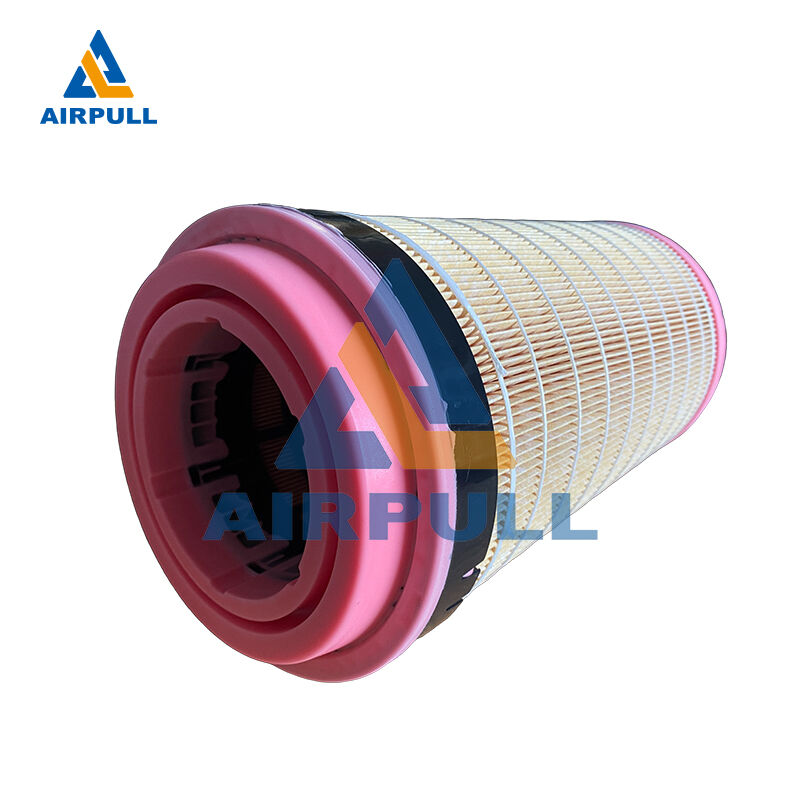
Improving compressor performance starts with treating air quality as a production variable, not a maintenance afterthought. In most plants, compressor filtration is expected to protect equipment, but it is rarely managed with the same discipline as pressure, flow, or energy use. That gap leads to pressure drop, unstable air quality, frequent element changes, and avoidable downtime. To improve compressor filtration, you need a structured method that aligns filter selection, operating conditions, and service intervals with real plant demand.
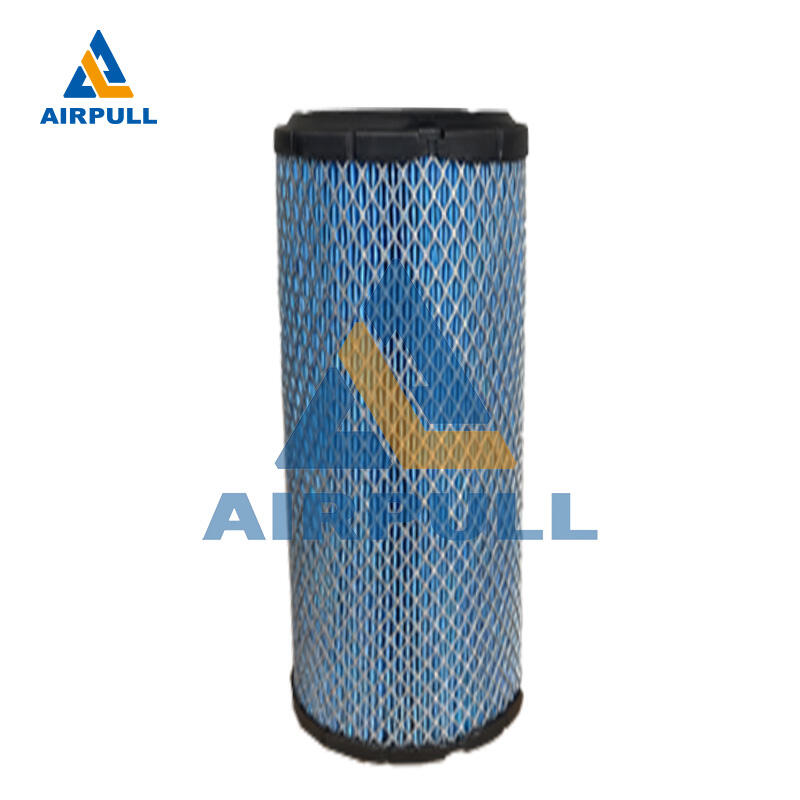
The most effective approach is sequential: establish a baseline, redesign weak points in the filtration train, improve operating control, and then lock in results through monitoring. This process makes compressor filtration measurable and repeatable across shifts, seasons, and load changes. Instead of reacting to clogged elements or oil carryover, teams can predict service needs and keep compressed air quality within target. The result is better reliability, lower lifecycle cost, and a compressor filtration system that supports production goals.
Establish the Current State Before Changing Hardware
Audit contaminant sources and operating context
Any plan to improve compressor filtration should begin with a site-specific contamination map. Ambient intake conditions, process dust, humidity swings, and nearby operations all influence what reaches the compressor inlet. A plant near grinding, packaging, or chemical handling will challenge compressor filtration differently than a clean assembly environment. Without this map, upgrades often solve the wrong problem and shift failure to another stage.
Include both external and internal contamination sources in the review. External sources include airborne particulate and moisture, while internal sources include lubricant aerosols, pipe scale, and condensate movement. Good compressor filtration strategy treats the full contamination pathway from intake to point of use. This prevents the common mistake of overspecifying one filter while leaving upstream fouling unaddressed.
Measure pressure drop, carryover, and service intervals
Baseline data makes compressor filtration improvement objective. Record differential pressure across each filter stage at normal load and at peak demand. Track oil carryover indicators, downstream particle complaints, and condensate quality from separators and drains. When compressor filtration is measured this way, hidden restrictions become visible and can be prioritized by impact.
Service history is equally important. If elements are changed too early, compressor filtration cost rises without quality benefit; if changed too late, pressure loss and contamination risks increase. Compare actual element life against expected duty and ambient conditions. This helps define whether the issue is filter grade, sizing, installation, or operating practice rather than simple wear.
Optimize the Filtration Train Stage by Stage
Match prefiltration and fine filtration to real risk
High-performing compressor filtration uses staged removal instead of asking one element to do everything. Prefilters should remove larger solids and liquid droplets, protecting finer downstream media from premature loading. Fine filters then target aerosols and smaller particles needed for process quality. This layered design improves compressor filtration consistency and extends element life across the system.
Stage matching must follow process criticality, not generic assumptions. Overly tight filtration where it is not needed can add pressure drop and energy cost, while insufficient filtration at sensitive points can damage product quality. Strong compressor filtration design defines required air cleanliness at each use point, then sets filtration stages backward from that requirement. This method keeps performance aligned with business needs.
Correct sizing and housing configuration
Undersized housings are a frequent cause of unstable compressor filtration. High face velocity increases differential pressure, accelerates media loading, and can reduce separation efficiency under demand spikes. Proper sizing should include peak flow, not just average flow, and should account for expansion scenarios in production planning. Stable compressor filtration depends on operating filters within intended velocity ranges.
Housing layout also matters. Poor drainage geometry, incorrect orientation, and inaccessible service clearances can compromise compressor filtration even with good media. Installations should support reliable condensate removal and easy inspection so maintenance is done on time. Mechanical details like seals, threads, and bypass integrity are small points that strongly influence compressor filtration outcomes over the long term.
Control Operating Conditions That Degrade Filtration
Stabilize temperature, moisture, and load fluctuations
Compressor filtration performance changes with operating conditions. High inlet temperature and humidity can increase moisture burden, while rapid load cycling can disturb separation behavior in oil-lubricated systems. When these variables swing widely, filter loading patterns become unpredictable and service intervals shorten. Improving compressor filtration therefore requires operational controls, not only component upgrades.
Practical controls include better intake placement, enclosure ventilation, and moisture management before fine filtration stages. In many facilities, moving the intake away from hot or dusty zones immediately improves compressor filtration stability. Coordinating compressor sequencing to reduce violent load transitions can also protect filter stages from repeated stress. These adjustments are often lower cost than frequent element replacement.
Protect filters through disciplined condensate management
Condensate behavior is a major determinant of compressor filtration reliability. When drains fail or are poorly maintained, liquid carryover reaches stages designed mainly for particulate and aerosol polishing. This quickly reduces compressor filtration effectiveness and can trigger pressure loss or contamination events downstream. Reliable automatic drains and regular function checks are essential controls.
Drying strategy and line slope affect results as well. If water is allowed to re-entrain in distribution piping, downstream compressor filtration must handle a burden it was not sized for. Keeping condensate removal active at each stage preserves filter capacity for intended contaminants. In practice, strong condensate discipline is one of the fastest ways to improve compressor filtration without major redesign.
Build a Maintenance and Monitoring System That Sustains Gains
Shift from calendar replacement to condition-based service
A fixed calendar is rarely the best rule for compressor filtration maintenance. Plants with varying shifts, seasonal humidity, or changing product mix need service intervals tied to differential pressure and air quality trends. Condition-based scheduling reduces both early replacement waste and late replacement risk. It makes compressor filtration maintenance responsive to actual duty.
Set alert thresholds for each stage and document actions linked to each threshold. For example, rising pressure drop may trigger inspection first, then staged element replacement if trend acceleration continues. This method creates repeatable compressor filtration decisions across maintenance teams. Over time, it also improves forecasting of spare parts and shutdown windows.
Standardize components and verify quality after interventions
Standardization reduces variation in compressor filtration outcomes. Using defined specifications for media grade, seal quality, and housing compatibility helps avoid performance drift after maintenance events. During procurement, teams should verify that selected components match duty conditions and contamination profile rather than choosing by price alone. Consistency in compressor filtration components supports consistency in air quality.
For facilities updating critical stages, selecting proven industrial-grade compressor filtration components can help stabilize differential pressure and service life. After each intervention, confirm performance with post-change measurements instead of assuming success. Verification should include pressure drop, downstream cleanliness indicators, and drain functionality. This closes the loop and ensures compressor filtration improvements are real, not just procedural.
FAQ
How long does it usually take to see results after improving compressor filtration?
Initial results from compressor filtration improvements often appear within days, especially when pressure drop and condensate handling are the main issues. More durable results, such as extended element life and reduced quality incidents, typically require one full operating cycle to validate. Most B2B facilities see clear trend improvements within one to three months when monitoring is active and maintenance rules are updated.
Can improving compressor filtration reduce energy consumption?
Yes, better compressor filtration can reduce energy demand by lowering unnecessary pressure drop across overloaded or mismatched stages. When filters are correctly sized and replaced based on condition, compressors do not need to compensate for avoidable restriction. The energy effect depends on baseline inefficiency, but pressure stability and cleaner airflow usually produce measurable operational savings.
What is the most common mistake in compressor filtration projects?
The most common mistake is changing filter elements or grades without establishing baseline data. That approach treats symptoms and often misses root causes such as poor intake location, condensate problems, or undersized housings. Successful compressor filtration projects combine measurement, staged design logic, and operating control so improvements hold under real production conditions.
How often should compressor filtration performance be reviewed?
Compressor filtration performance should be reviewed continuously through routine differential pressure and drain checks, with formal trend reviews at least monthly. High-variability operations may need weekly analysis during seasonal transitions or product changes. Regular review keeps compressor filtration aligned with demand and helps maintenance teams intervene before quality or reliability is affected.