EN
EN


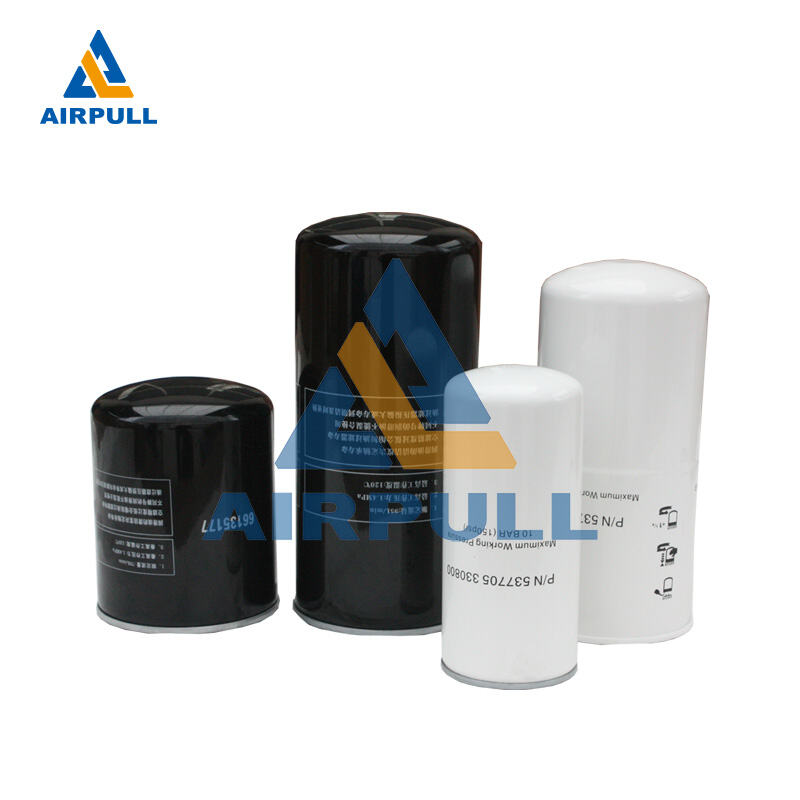
Getting the best lube oil filter price is not about pushing one supplier for a lower quote at the last minute. In industrial purchasing, the best lube oil filter price comes from matching technical fit, ordering rhythm, quality risk, and commercial terms in one decision process. When buyers treat lube oil filter price as a lifecycle cost variable instead of a single invoice line, they usually reduce unplanned spend and avoid emergency purchases. This guide explains how to secure a better lube oil filter price through a practical B2B method that procurement and maintenance teams can apply together.
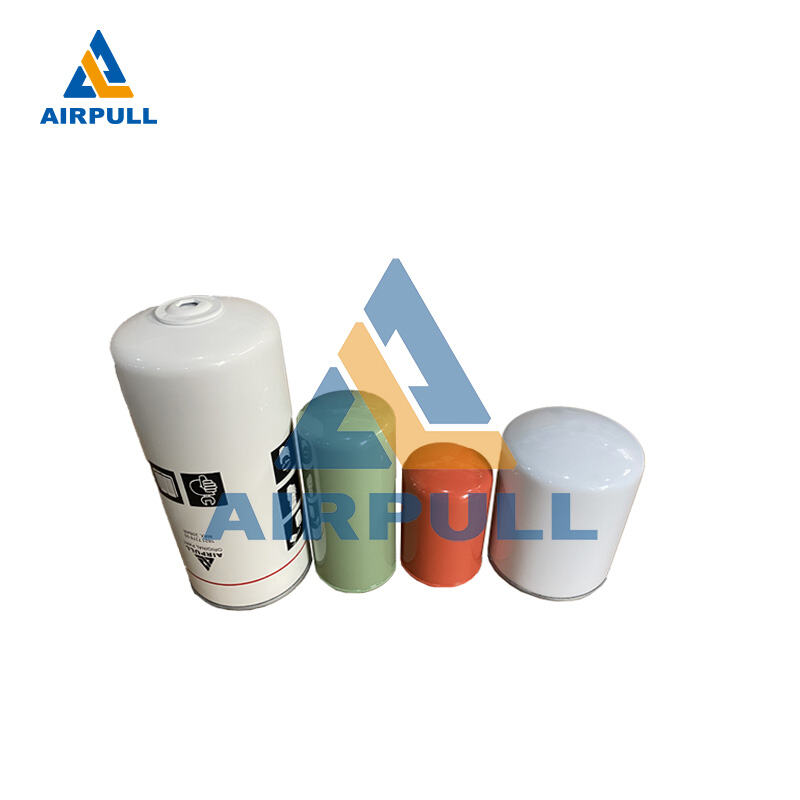
The fastest way to improve lube oil filter price outcomes is to stop buying by part name alone and start buying by operating context. Temperature profile, contamination load, pressure behavior, change interval, and equipment criticality all influence what a fair lube oil filter price should be. Buyers who define those factors before quotation can compare offers consistently, reduce quality disputes, and negotiate with confidence. The result is a lube oil filter price that reflects real operational value rather than short-term discount optics.
Build a Technical Baseline Before You Request Any Quote
Define the operating conditions that drive filter value
A competitive lube oil filter price begins with technical clarity. If the request for quotation lacks viscosity range, flow expectations, pressure fluctuation, and contamination type, suppliers will price uncertainty into the offer. That uncertainty raises lube oil filter price even when the catalog specification appears similar. A precise technical baseline removes hidden risk margins and makes lube oil filter price more predictable.
Maintenance history also matters. If your site has frequent start-stop cycles, high ambient dust, or unstable load conditions, the practical service life can differ from nominal data. In that case, a low headline lube oil filter price may produce higher replacement frequency and higher annual cost. Capturing real operating stress lets procurement compare lube oil filter price against true use conditions rather than generic assumptions.
Standardize specification language across departments
Many teams lose control of lube oil filter price because engineering, maintenance, and purchasing describe the same need differently. One asks for media type, another asks for dimensions, and a third asks for equivalent part behavior. This fragmentation creates quote variance that looks like market movement but is actually specification noise. Harmonized language gives you cleaner bids and a more reliable lube oil filter price benchmark.
Create one internal specification sheet used by all requesters and all sites where possible. Include seal material, filtration rating target, pressure tolerance, and required test documentation. Once suppliers quote to the same document, gaps become visible and lube oil filter price comparisons become meaningful. This step alone often reveals that a seemingly low lube oil filter price was tied to downgraded technical scope.
Use a Structured RFQ Method to Reveal the Real Price Floor
Request comparable commercial terms, not just unit cost
To get the best lube oil filter price, quote templates should force apples-to-apples comparison. Ask for unit price by volume tier, lead time commitment, packaging details, quality records, warranty handling, and payment terms in a fixed format. Without term standardization, suppliers can shift value from one column to another and still appear cheaper. A transparent RFQ structure shows the true lube oil filter price under the same commercial conditions.
Include freight boundaries and delivery assumptions in writing. A quoted lube oil filter price can look attractive until expedited shipping, small-batch handling, or customs-related delays increase landed cost. When your template captures these factors, the evaluated lube oil filter price reflects what finance will actually pay. Strong RFQ discipline turns negotiation from opinion into evidence.
Separate prototype, trial, and production pricing logic
Buyers often mix trial quantities with production expectations, then conclude that lube oil filter price is too high. Small trial lots are naturally priced differently due to setup and risk allocation. If you ask suppliers to state trial lube oil filter price and contracted production lube oil filter price separately, the roadmap becomes clear. This approach prevents overreaction to early-stage numbers.
During technical validation, set clear pass criteria tied to operating hours and inspection points. Once those criteria are met, move quickly into volume agreement to lock a better lube oil filter price. Delayed transition keeps you in expensive low-volume mode and weakens your leverage. A staged pricing model protects quality while steadily improving lube oil filter price.
Negotiate Total Cost Drivers That Influence Price Over Time
Convert demand volatility into pricing stability
Suppliers raise lube oil filter price when demand is erratic because capacity planning becomes uncertain. You can reduce this premium by sharing rolling forecasts and defining call-off windows. Even if monthly volumes fluctuate, forecast visibility allows suppliers to allocate materials more efficiently. Better planning conditions generally support a more stable lube oil filter price.
Framework agreements are useful when written with realistic flexibility. Instead of rigid fixed quantity commitments, use a tolerance band with planned review checkpoints. This gives procurement protection against market shifts while preserving pricing confidence for the supplier. In practice, this balance leads to a stronger long-term lube oil filter price than ad hoc spot buying.
Negotiate quality risk clauses that protect hidden cost
A low lube oil filter price is only valuable when quality performance is controlled. Include nonconformance response time, replacement responsibility, and documentation obligations in your commercial terms. If these points are vague, post-delivery issues can erase any unit savings and increase effective lube oil filter price. Clear risk clauses keep the negotiated price meaningful.
Use incoming inspection data and field feedback in quarterly reviews. When performance is consistent, request indexed cost improvements based on forecasted volume and operational stability. This gives a rational basis for reducing lube oil filter price without undermining supply continuity. Data-backed dialogue is more effective than repeated discount pressure with no performance context.
Apply Timing and Market Discipline to Capture Better Deals
Avoid emergency buying cycles that inflate spend
Emergency procurement is one of the most common reasons companies overpay lube oil filter price. Rush orders compress evaluation time, force acceptance of limited stock options, and add logistics premiums. Building reorder triggers based on real consumption helps teams buy before risk peaks. Planned replenishment usually leads to a better lube oil filter price than urgent replacement.
Set safety stock using equipment criticality instead of a one-size rule. Critical assets need protection against downtime, while noncritical lines can tolerate leaner inventory. This segmentation prevents both overstock and emergency shortfall. With better inventory timing, teams negotiate lube oil filter price from a position of control rather than pressure.
Use benchmark windows and review cycles strategically
The best lube oil filter price is rarely captured in a single negotiation round. Establish periodic benchmark windows where you revalidate market levels against your technical baseline and service performance. Regular checks prevent price drift and reveal whether your current lube oil filter price still reflects fair value. Review discipline is essential in multi-site industrial operations.
When market conditions are favorable, convert short-term advantage into longer-term protection. For example, lock part of expected volume at an agreed lube oil filter price while keeping a smaller floating portion for flexibility. This mixed strategy reduces volatility exposure and preserves competition. Over time, it builds a resilient lube oil filter price structure aligned with operational reality.
In practical sourcing workflows, teams often evaluate sample configurations and commercial fit through detailed product pages such as lube oil filter price references before final contracting. The key is to use that information inside a controlled comparison framework. External references should support, not replace, your internal specification and performance criteria. That discipline keeps final lube oil filter price decisions objective.
FAQ
How many quotations are typically needed to validate a competitive lube oil filter price?
In most industrial contexts, three well-structured quotations are enough when all suppliers quote to the same technical and commercial template. The objective is not volume of quotes but quality of comparability. If specification scope is unclear, even five quotes may not reveal a trustworthy lube oil filter price. A clean RFQ format gives better outcomes than broad but inconsistent bidding.
Can the lowest unit lube oil filter price still be the wrong choice?
Yes, because unit lube oil filter price does not capture replacement frequency, quality failures, downtime impact, and logistics risk. A slightly higher lube oil filter price can produce lower annual ownership cost when service life and reliability are better. Procurement decisions should connect price with operating performance and response commitments. This is especially important for critical equipment lines.
How often should we renegotiate lube oil filter price contracts?
A quarterly business review with a semiannual or annual formal pricing discussion is common in B2B industrial purchasing. This rhythm allows time for performance data to accumulate while still preventing silent lube oil filter price drift. If market volatility rises sharply, add interim checkpoints linked to defined triggers. Structured cadence improves both price control and supplier relationship quality.
What internal teams should be involved to secure the best lube oil filter price?
Procurement should lead process and terms, maintenance should validate field performance, engineering should confirm technical fit, and finance should model total cost effects. Cross-functional alignment prevents narrow decisions based only on invoice lube oil filter price. When these roles collaborate from specification through contract review, lube oil filter price outcomes become more stable and defensible. This shared ownership is usually the strongest predictor of sustained savings.
Table of Contents
- Build a Technical Baseline Before You Request Any Quote
- Use a Structured RFQ Method to Reveal the Real Price Floor
- Negotiate Total Cost Drivers That Influence Price Over Time
- Apply Timing and Market Discipline to Capture Better Deals
-
FAQ
- How many quotations are typically needed to validate a competitive lube oil filter price?
- Can the lowest unit lube oil filter price still be the wrong choice?
- How often should we renegotiate lube oil filter price contracts?
- What internal teams should be involved to secure the best lube oil filter price?