EN
EN


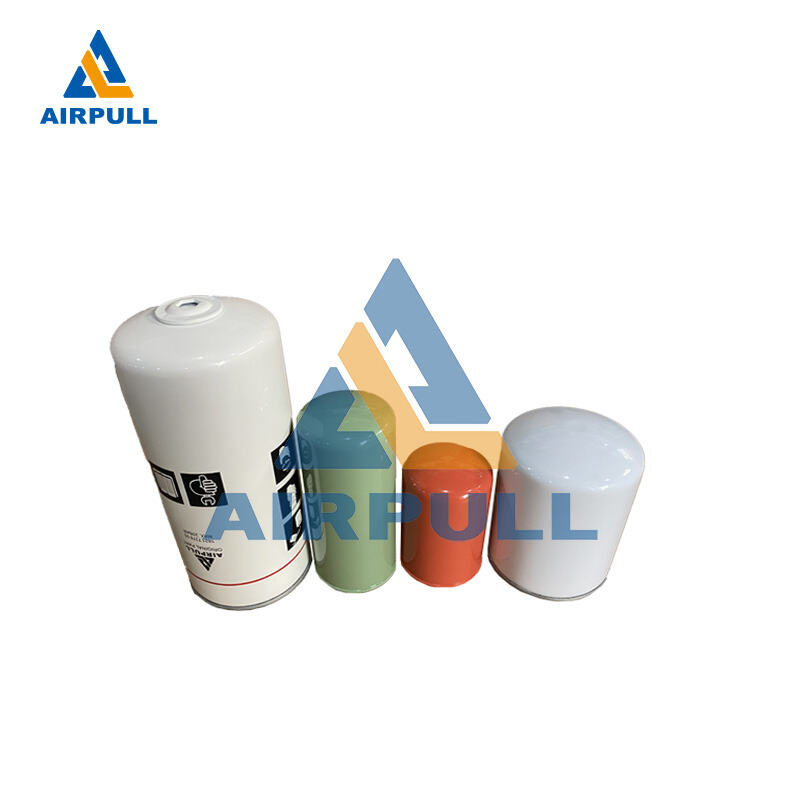
Choosing the right industrial filter element is one of the most important reliability decisions in rotating equipment, compressed air systems, hydraulic lines, and process filtration loops. In real plants, an industrial filter element is not a minor consumable; it directly affects pressure stability, contamination control, maintenance intervals, and downstream product quality. This guide explains what makes one industrial filter element a better fit than another, so procurement, maintenance, and engineering teams can make decisions that hold up under real operating conditions. Instead of vague claims, the focus is on selection logic, operating context, and service life outcomes that matter in B2B environments.
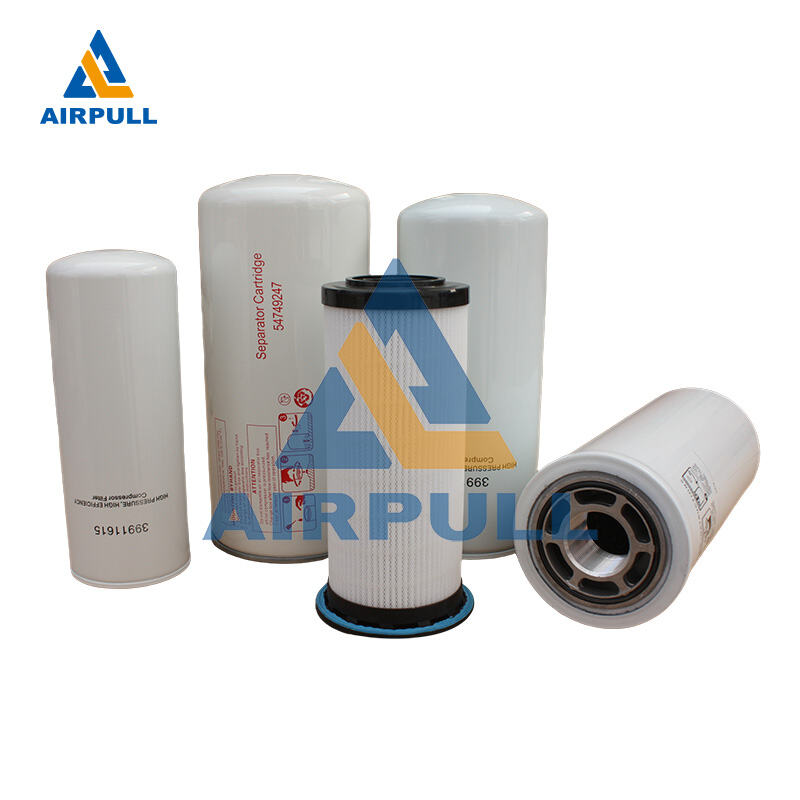
A best-fit industrial filter element is the one that balances filtration efficiency, dirt-holding capacity, pressure drop, material compatibility, and replacement rhythm for your specific duty cycle. Many teams over-prioritize micron rating and overlook how media structure, seal design, and flow profile change performance over time. This industrial filter element guide is built to help you define practical criteria, avoid common mismatch errors, and standardize decisions across departments. By the end, you will be able to evaluate any industrial filter element with a clear, repeatable framework.
Defining What “Best” Means in Industrial Filtration
Performance Criteria That Actually Determine Results
The best industrial filter element is not universally the finest micron option. It is the industrial filter element that delivers required cleanliness levels while keeping differential pressure within your operating window. In continuous-duty systems, a technically efficient industrial filter element can still fail commercially if it causes excessive energy draw or frequent shutdowns. That is why performance has to be measured as a combined outcome of cleanliness, flow continuity, and operating cost.
A strong industrial filter element also needs predictable behavior from clean condition to loaded condition. Early-stage pressure drop, mid-cycle stability, and end-of-life loading curve all matter for maintenance planning. When teams compare only nameplate specs, they miss how one industrial filter element can lose practical efficiency under pulsation, moisture spikes, or variable viscosity. Best-in-class selection always includes real duty-cycle behavior, not just catalog data.
Total Cost Perspective for B2B Operations
From a financial standpoint, the best industrial filter element lowers total lifecycle cost, not simply purchase price. A lower-cost industrial filter element may require shorter replacement intervals, create more waste handling, and increase labor touchpoints across shifts. A better engineered industrial filter element often reduces unplanned interventions and protects expensive downstream assets. In industrial budgeting, avoiding one contamination-related upset can justify a higher unit cost many times over.
Procurement and maintenance alignment is essential when defining the best industrial filter element. Procurement sees unit economics, while maintenance sees accessibility, seal reliability, and installation repeatability. Engineering adds system-level concerns such as flow transients and housing tolerance. When these views are combined, the chosen industrial filter element usually performs better and remains stable across multiple operating campaigns.
Core Technical Factors Behind the Right Selection
Filtration Rating, Media Structure, and Capacity Balance
Micron rating is only one dimension of an industrial filter element decision. The media architecture of an industrial filter element determines how particles are captured, how quickly pores load, and how pressure rises during service. Depth-loading media can give an industrial filter element better dirt-holding capacity for challenging contamination patterns. Surface-loading designs may suit cleaner streams where sharp cutoff behavior is needed.
When matching an industrial filter element to process risk, teams should define acceptable particle passage and expected contamination burst events. A highly restrictive industrial filter element can protect sensitive components, but it must still sustain required flow during peak demand. The best industrial filter element is therefore a balance between retention efficiency and usable service interval. This balance is where many real-world failures are either prevented or introduced.
Pressure Drop, Flow Dynamics, and Mechanical Integrity
Every industrial filter element introduces pressure loss, but the design objective is controlled and manageable loss. If an industrial filter element starts with high baseline drop, the usable loading margin becomes too small for industrial operations. A properly matched industrial filter element supports stable flow with enough headroom for contamination accumulation before replacement threshold. This improves uptime and reduces emergency maintenance calls.
Mechanical integrity is equally important because an industrial filter element must tolerate vibration, pulsing, temperature cycles, and startup shocks. End-cap bonding, core strength, and seal geometry determine whether an industrial filter element remains structurally reliable under stress. In demanding systems, mechanical weakness can bypass contamination control even when media specs look strong. The best industrial filter element always combines media performance with durable construction quality.
Application Fit and Operating Environment Alignment
Matching the Industrial Filter Element to Process Conditions
An industrial filter element that performs well in one service can underperform in another due to fluid properties and temperature profile. Viscosity changes affect how an industrial filter element loads and how differential pressure develops during operation. Chemical exposure can also degrade seals or media over time, reducing industrial filter element reliability and shortening service intervals. Selection must therefore start from actual process conditions, not generic assumptions.
In gas compression and air systems, moisture carryover and fine particulate behavior can change the effective duty of an industrial filter element. In hydraulic systems, transient load and cleanliness class targets place different demands on an industrial filter element. In process fluid loops, compatibility and contamination type often dominate industrial filter element design choice. The best industrial filter element is always context-specific, and that context must be documented before approval.
Standardization Across Sites Without Losing Performance
Many organizations aim to standardize industrial filter element specifications to simplify inventory and purchasing. Standardization can be valuable, but forcing one industrial filter element across dissimilar duty profiles can raise risk. A smart strategy creates a controlled specification family where each industrial filter element variant is tied to defined operating bands. This maintains procurement simplicity while preserving technical fit.
For teams updating specifications, a practical reference point is to evaluate a proven industrial filter element against your pressure, flow, and contamination envelope. Then document acceptance limits for differential pressure growth, seal behavior, and replacement triggers. That approach turns selection from opinion into evidence. It also makes each industrial filter element decision easier to defend during audits and reliability reviews.
Implementation, Monitoring, and Replacement Strategy
Commissioning and Installation Practices That Protect Results
Even a high-quality industrial filter element can fail early when installation practices are inconsistent. Housing cleanliness, seal lubrication compatibility, and torque control all influence whether an industrial filter element seats correctly. Small installation errors can create bypass paths that undermine the entire filtration objective. Best practice is to treat each industrial filter element changeout as a controlled maintenance activity, not a routine swap.
Commissioning checks should confirm baseline differential pressure, leak-free seating, and expected flow behavior after each industrial filter element replacement. Recording this baseline allows teams to detect abnormal loading trends and identify process upsets faster. Over time, these records help define realistic service intervals for each industrial filter element in each asset class. Data-driven interval control usually improves uptime and reduces unnecessary replacements.
Lifecycle Monitoring and End-of-Life Decision Rules
The best industrial filter element program uses condition signals rather than fixed calendar replacement alone. Differential pressure trend, contamination events, and process stability together indicate when an industrial filter element is approaching functional limit. Replacing too early wastes useful life, while replacing too late increases risk to equipment and production. A clear threshold policy keeps every industrial filter element decision consistent across teams.
End-of-life analysis is also valuable for improving future industrial filter element choices. Media loading pattern, seal condition, and structural observations reveal whether the selected industrial filter element matches actual stress factors. When repeated findings show mismatch, specification updates should be made quickly. Continuous feedback turns industrial filter element management into a reliability lever rather than a reactive maintenance task.
FAQ
What is the most important factor when selecting an industrial filter element?
The most important factor is application fit, because an industrial filter element must match real operating conditions, not just nominal micron targets. Filtration efficiency, pressure drop behavior, material compatibility, and dirt-holding capacity need to be evaluated together. A technically strong industrial filter element in the wrong duty profile can still cause high maintenance load and unstable performance. Selection quality improves when teams define process conditions first and then map specifications to those conditions.
How often should an industrial filter element be replaced in industrial service?
Replacement frequency should be based on condition trends and validated operating history, not a single universal schedule. An industrial filter element in stable, low-contamination service may run longer than one exposed to spikes, moisture, or variable flow. Differential pressure growth is usually the most practical indicator for industrial filter element end-of-life timing. Combining pressure trends with process events creates a safer and more economical replacement strategy.
Can one industrial filter element specification be used across all equipment types?
Using one industrial filter element specification everywhere is rarely optimal because equipment and process demands differ. A compressor duty, hydraulic circuit, and process fluid loop place different stress patterns on an industrial filter element. Over-standardization can increase risk if conditions fall outside the design envelope. A controlled family of industrial filter element specifications is usually better than a single universal choice.
How can teams verify that their current industrial filter element is the best option?
Verification comes from measurable operating outcomes over time. Track industrial filter element differential pressure profile, replacement interval consistency, contamination control performance, and downstream equipment condition. Compare these results against defined reliability and cost targets to see whether the industrial filter element is truly meeting business needs. The best industrial filter element is the one that consistently delivers required cleanliness, stable flow, and predictable maintenance behavior in your exact operating context.
Table of Contents
- Defining What “Best” Means in Industrial Filtration
- Core Technical Factors Behind the Right Selection
- Application Fit and Operating Environment Alignment
- Implementation, Monitoring, and Replacement Strategy
-
FAQ
- What is the most important factor when selecting an industrial filter element?
- How often should an industrial filter element be replaced in industrial service?
- Can one industrial filter element specification be used across all equipment types?
- How can teams verify that their current industrial filter element is the best option?