EN
EN


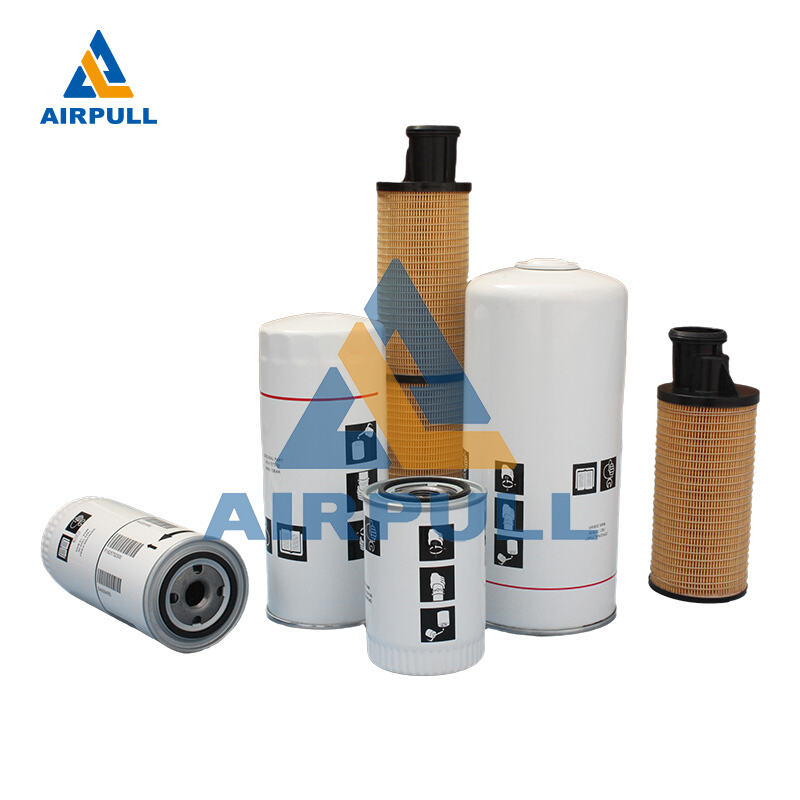
Choosing the right industrial air compressor filter is one of the most practical ways to protect compressed air quality, reduce downstream failures, and keep production stable under real operating loads. In most plants, compressed air touches multiple processes, so a poor filter decision can spread contamination, pressure loss, and maintenance costs across an entire line. This guide focuses on how to evaluate an industrial air compressor filter based on operating conditions, contamination risk, and lifecycle economics. Instead of treating filtration as a routine spare part purchase, it should be managed as a core reliability decision.
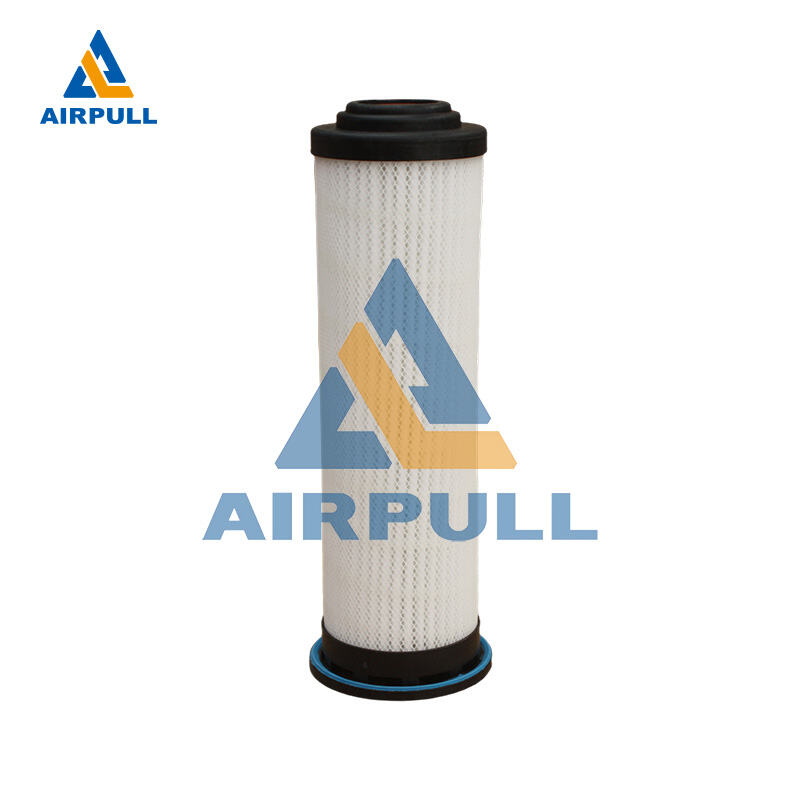
The best industrial air compressor filter is not a universal model; it is the one that matches your pressure range, flow demand, air quality target, and maintenance strategy. A filter that performs well in a lightly loaded workshop may underperform in a high-duty manufacturing environment with oil aerosols, humidity swings, and fine particulate carryover. This industrial air compressor filter guide explains what to check first, how to align grades and stages, and how to avoid common specification mistakes that increase risk. By the end, you can define the right industrial air compressor filter standard for your site with confidence.
Defining What “Best” Means in Industrial Filtration
Performance Criteria That Matter on the Plant Floor
In industrial settings, the best industrial air compressor filter is measured by consistent air quality under fluctuating demand, not by catalog claims alone. Filtration efficiency, pressure drop stability, dirt holding capacity, and moisture handling all influence actual line performance. When an industrial air compressor filter loads too quickly, pressure differential rises, compressors work harder, and energy use climbs. Over time, that hidden cost can exceed the purchase price of the filter element many times over.
Another key criterion is how well the industrial air compressor filter protects sensitive downstream equipment such as valves, pneumatic tools, packaging heads, and instrumentation. If contamination bypasses early stages, failures appear far from the compressor room and are often misdiagnosed as equipment defects. A strong filter strategy links each industrial air compressor filter stage to a defined contamination class and process requirement. That alignment prevents both under-filtration and costly over-specification.
Fit-for-Process Versus Generic Specification
A generic industrial air compressor filter selection often ignores process context, especially when purchasing is separated from operations and maintenance. Facilities handling coatings, food-contact packaging, precision assembly, or clean utility lines require tighter quality control than general service air. In those environments, each industrial air compressor filter should be chosen based on particle size target, oil aerosol tolerance, and moisture risk profile. A one-size approach usually leads to either frequent changeouts or avoidable contamination incidents.
The best guide principle is simple: define process risk first, then map it to filter duty. When process risk is high, the industrial air compressor filter train should include staged removal with clear cut points for solids, liquids, and oil mist. When risk is moderate, the same industrial air compressor filter framework can be optimized for longer intervals and lower energy impact. This is why “best” is always application-dependent and lifecycle-focused.
Building the Right Filter Architecture
Staging Logic for Stable Air Quality
A reliable compressed air system rarely depends on a single element; it depends on sequence. A typical architecture places a prefiltration industrial air compressor filter upstream to capture larger particulates and liquid droplets before fine polishing stages. This protects high-efficiency elements from rapid fouling and keeps differential pressure more stable. Proper staging allows each industrial air compressor filter to operate inside its intended loading range.
In practice, staged design also improves service planning because each industrial air compressor filter position has a predictable wear pattern. Operators can monitor pressure drop trends and replace elements by condition rather than by guesswork. That method reduces emergency interventions and supports planned shutdowns. It also improves consistency in product quality where compressed air is process-critical.
Matching Micron Grade to Contamination Profile
Micron rating alone does not define whether an industrial air compressor filter will deliver reliable results. The nature of contaminants, including particle hardness, oil carryover state, and condensate behavior, affects actual capture performance. A filter that performs well for dry dust may behave differently when exposed to sticky aerosols or intermittent moisture slugs. For this reason, industrial air compressor filter specification should include both particle and coalescing requirements where needed.
System designers should also consider how compressor type, lubricant characteristics, and aftercooler performance influence upstream contamination loading. Those factors determine how aggressively each industrial air compressor filter stage will be challenged. When micron grade and contamination profile are aligned, filter life becomes more predictable and pressure losses remain controlled. The result is a more efficient and durable air system.
Selection and Sizing Decisions That Prevent Costly Errors
Flow, Pressure, and Differential Limits
Many industrial air compressor filter issues begin with incorrect sizing rather than poor media quality. If nominal flow rating is too close to peak demand, velocity rises, separation efficiency drops, and differential pressure accelerates. A correctly sized industrial air compressor filter includes margin for demand spikes, seasonal temperature shifts, and normal element loading over time. This protects both air quality and compressor efficiency.
Pressure class compatibility is equally important. An industrial air compressor filter housing and element must match system pressure envelope, including transients during startup and line events. Underrated hardware introduces reliability risk and safety concerns, while oversized assumptions can increase cost without meaningful gain. Good selection practice balances design margin with realistic operating data.
Connection Compatibility and Service Accessibility
A technically correct industrial air compressor filter can still create operational friction if connection standards or installation orientation are overlooked. In retrofit projects, mismatched ports, limited clearance, or poor drain access can turn routine service into extended downtime. The best industrial air compressor filter choice considers not only performance but also maintainability within actual plant constraints. Service-friendly placement improves adherence to maintenance intervals.
When evaluating replacement options, using a dependable specification source helps maintain consistency across procurement cycles. Many teams standardize around a defined industrial air compressor filter reference to avoid dimensional drift and uncertain fit. That approach supports repeatable installation quality and clearer inventory planning. It also reduces the chance of emergency substitutions that compromise filtration performance.
Maintenance Strategy and Lifecycle Optimization
Condition Monitoring and Replacement Timing
The best industrial air compressor filter program is condition-led, not calendar-only. Differential pressure tracking provides an objective signal of element loading and helps teams avoid premature or delayed replacements. Replacing an industrial air compressor filter too early wastes media life, while replacing too late drives excess energy use and increases contamination risk. Trend-based timing gives a better cost-performance balance.
Routine inspection should also check drains, seals, and housing integrity because a healthy element alone cannot compensate for mechanical leaks or liquid accumulation. A neglected auto-drain can saturate an industrial air compressor filter stage and reduce effective efficiency. Small maintenance misses often become large reliability events in continuous-duty operations. Structured checks prevent that escalation.
Total Cost Control Through Filtration Discipline
Lifecycle cost of an industrial air compressor filter includes more than purchase price. Energy impact from pressure drop, labor effort, unplanned stoppages, rejected product, and component wear all belong in the real equation. Sites that treat each industrial air compressor filter as part of a system, rather than a disposable accessory, usually achieve better uptime and steadier operating cost. This systems view is what separates reactive replacement from strategic filtration management.
Documentation is the final discipline that sustains results. Recording each industrial air compressor filter change, observed differential pressure, and contamination findings creates a feedback loop for better future selection. Over several cycles, plants can refine grade, interval, and staging with evidence instead of assumptions. That is how a filtration guide becomes a practical operating standard.
FAQ
How often should an industrial air compressor filter be replaced?
Replacement interval depends on contamination load, runtime, and pressure drop trend rather than a fixed calendar rule. A heavily loaded line may require shorter cycles, while a stable low-contaminant line can run longer without risk. Monitoring differential pressure and validating downstream air quality are the most reliable triggers. This approach keeps each industrial air compressor filter in service for its full useful life without exposing the process to contamination.
Can one industrial air compressor filter handle all air quality needs?
In most industrial systems, one stage is not enough for consistent quality across varied contaminants. Solid particles, liquid water, and oil aerosols behave differently and are best controlled through staged filtration. A single industrial air compressor filter may address one dominant contaminant but leave others partially untreated. Multi-stage architecture delivers better stability and longer element life.
What is the most common mistake when buying an industrial air compressor filter?
The most common mistake is selecting by nominal fit alone without verifying flow margin, contamination profile, and pressure-drop behavior. That often leads to frequent changeouts, higher energy consumption, or downstream failures. Another frequent issue is ignoring service accessibility, which reduces maintenance quality over time. A better decision process evaluates the industrial air compressor filter as part of total system performance.
Does a higher-efficiency industrial air compressor filter always improve system performance?
Not always, because higher efficiency can introduce higher initial pressure drop if the stage is not matched correctly. If the process does not require ultra-fine polishing, over-specification may increase operating cost without measurable benefit. The right target is the efficiency level that meets process risk and compliance needs with stable energy performance. A properly matched industrial air compressor filter delivers better real-world results than an over-tight specification.
Table of Contents
- Defining What “Best” Means in Industrial Filtration
- Building the Right Filter Architecture
- Selection and Sizing Decisions That Prevent Costly Errors
- Maintenance Strategy and Lifecycle Optimization
-
FAQ
- How often should an industrial air compressor filter be replaced?
- Can one industrial air compressor filter handle all air quality needs?
- What is the most common mistake when buying an industrial air compressor filter?
- Does a higher-efficiency industrial air compressor filter always improve system performance?