EN
EN


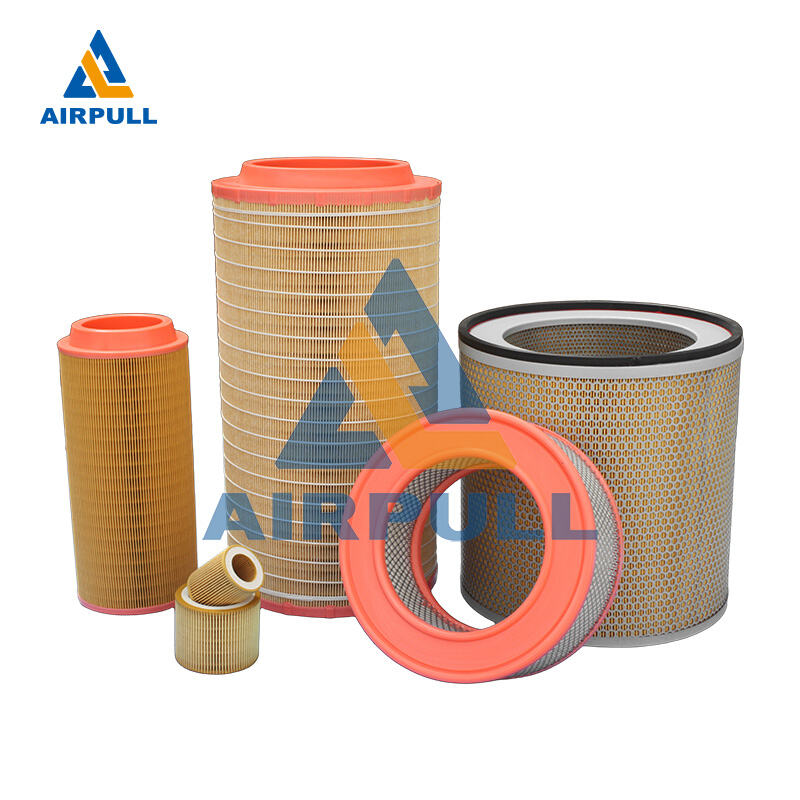
Choosing the right premium air filter in 2026 is less about marketing labels and more about operational fit, filtration stability, and total lifecycle cost. In industrial environments, a premium air filter can reduce contamination risk, protect downstream components, and stabilize process output over long production cycles. This review focuses on what makes a premium air filter truly premium in practical B2B use, and where procurement teams should pay close attention before finalizing a specification.
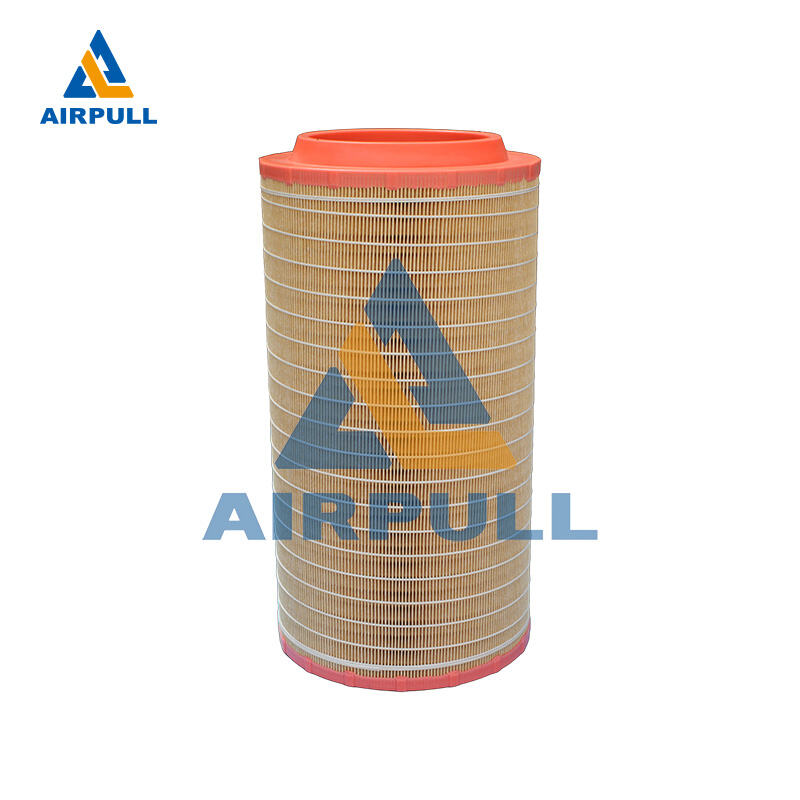
The strongest 2026 review criteria for a premium air filter include filtration efficiency under real load, pressure drop behavior, media durability, service interval consistency, and compatibility with maintenance workflows. A premium air filter that performs in laboratory conditions but drifts under humidity, vibration, or variable duty cycles is not a strong long-term choice. The goal of this article is to give you a clear, decision-ready framework for evaluating every premium air filter option with confidence.
2026 market standards shaping premium air filter quality
Performance expectations have moved from basic capture to stable process protection
In 2026, buyers expect a premium air filter to do more than trap coarse particles. The baseline now includes stable micron-level performance across changing flow rates, reliable contaminant retention, and low variability from batch to batch. For industrial users, the value of a premium air filter is measured by process continuity, not just initial filtration rating.
A credible premium air filter should demonstrate predictable behavior over the full service window. This includes pressure drop growth that remains manageable, media that resists collapse under pulsation, and seal integrity that prevents bypass. When these factors hold steady, a premium air filter supports both equipment reliability and tighter quality control.
Many teams now review trend data rather than one-time test sheets. That shift matters because a premium air filter must perform during startup, peak demand, and long steady-state runs. Consistent performance under mixed duty is a major separator between average and premium air filter products.
Regulatory pressure and audit readiness are influencing purchasing decisions
Compliance and audit preparedness have become central in industrial air management decisions. A premium air filter is increasingly chosen for traceability, documented material consistency, and predictable maintenance intervals. Procurement and quality teams want a premium air filter that can be justified technically during internal and external reviews.
Documentation quality now affects perceived product quality. A premium air filter with clear technical documentation, operating limits, and replacement guidance reduces ambiguity for plant teams. This lowers the risk of incorrect installation or delayed changeout, both of which can reduce the practical value of a premium air filter.
In sectors with strict process controls, the premium air filter is part of a broader risk management strategy. Filter choice can influence contamination incidents, rework rates, and unplanned interventions. That is why 2026 buyers treat premium air filter evaluation as an operational decision, not just a consumables purchase.
Core technical criteria in a best premium air filter review
Media design, efficiency retention, and pressure drop balance
The best premium air filter in real industrial service balances fine-particle capture with acceptable pressure drop. Overly restrictive media may improve nominal efficiency but raise energy use and strain systems. A well-designed premium air filter keeps filtration strong while preserving airflow stability through most of its usable life.
Efficiency retention is often more important than headline efficiency. A premium air filter that starts strong but loses performance quickly can expose equipment and increase operating risk. During review, check how the premium air filter behaves as dust loading increases and whether pressure drop rises in a predictable pattern.
Material architecture also matters. Layered or gradient structures can help a premium air filter distribute contaminant load more evenly, delaying premature blockage. This directly supports longer service intervals and improves cost predictability for maintenance teams managing multiple assets.
Structural integrity, seal reliability, and operating resilience
A premium air filter must hold mechanical integrity under vibration, thermal cycles, and fluctuating flow. Weak end caps, unstable pleat geometry, or poor bonding can compromise performance even when filter media quality is high. In demanding environments, structural reliability is a defining property of a premium air filter.
Seal quality is equally critical because bypass can undermine any efficiency rating. The best premium air filter designs maintain tight seating and consistent sealing pressure across service life. Review gasket material behavior under oil mist, humidity, and temperature exposure to confirm whether the premium air filter remains reliable in your specific process conditions.
Resilience under off-design events is another practical review point. Start-stop cycles, short flow surges, and maintenance variability can stress components. A premium air filter that tolerates these realities with minimal performance drift usually delivers better lifecycle results than one optimized only for ideal operation.
Application fit and lifecycle economics for B2B buyers
Matching filter specification to duty profile and contamination load
No single premium air filter is universally best without context. The right choice depends on contamination characteristics, airflow profile, operating hours, and process sensitivity. A premium air filter selected to match actual duty conditions will usually outperform a higher-rated option chosen without application alignment.
For continuous operations, review how each premium air filter handles gradual loading and sustained thermal exposure. For intermittent operations, focus on recovery behavior after idle periods and startup stress. This application-first method improves the probability that the premium air filter will deliver stable performance in daily plant reality.
Installation environment also affects outcomes. Dust type, moisture presence, and maintenance access can all influence whether a premium air filter meets expected service life. A strong review process considers these variables early so the selected premium air filter supports reliability targets instead of creating recurring service issues.
Total cost of ownership beyond unit purchase price
A premium air filter with a higher initial cost can still be the better business decision when it lowers energy losses, protects critical parts, and reduces unplanned downtime. Lifecycle thinking should include replacement frequency, labor exposure, process interruption cost, and potential quality losses linked to contamination events. This is where premium air filter value becomes visible to finance and operations together.
Changeout consistency is a hidden cost driver. If a premium air filter supports predictable replacement windows, maintenance planning becomes more efficient and spare inventory can be optimized. That operational stability can outweigh small differences in purchase price across a year of production activity.
When evaluating sourcing options, teams often review technical compatibility and product continuity together. A practical reference for specifications and component details can be found through premium air filter documentation aligned to industrial compressor applications.
Decision framework for selecting the best premium air filter in 2026
Building a repeatable internal evaluation model
A strong 2026 review process starts with clear acceptance criteria tied to operational goals. Define required filtration performance, maximum acceptable pressure drop trend, environmental limits, and target maintenance interval before comparing any premium air filter options. This structure prevents decisions based only on isolated data points.
Cross-functional input improves decision quality. Maintenance teams can validate handling and replacement practicality, while process owners assess contamination sensitivity. Procurement can then evaluate each premium air filter against risk, continuity, and lifecycle cost rather than focusing narrowly on invoice price.
Pilot testing under representative conditions is often decisive. Even a short trial can reveal how a premium air filter performs under your real load profile and maintenance routine. Results from controlled in-plant trials provide stronger evidence than broad claims and reduce uncertainty at scale-up.
Common review mistakes that weaken long-term performance
One frequent mistake is overvaluing initial efficiency while ignoring performance drift. A premium air filter should be judged on sustained output quality across the full service cycle. Another mistake is ignoring pressure drop behavior, which can increase energy demand and offset expected gains from a premium air filter upgrade.
Some teams also underestimate installation variables. Incorrect fitment, rushed changeout procedures, or inconsistent sealing practices can make a premium air filter appear weaker than it is. A reliable review includes installation standards and verification checks so observed performance reflects the actual capability of the premium air filter.
Finally, avoid treating all operating contexts as equal. A premium air filter that performs well in low-dust, stable conditions may not deliver the same results in humid, high-load environments. Decision quality improves when each premium air filter is assessed against your specific risk profile and production demands.
FAQ
What defines a premium air filter in industrial applications?
A premium air filter is typically defined by stable filtration efficiency, controlled pressure drop growth, durable media structure, and reliable sealing under real operating conditions. In industrial use, premium status is confirmed by consistent lifecycle performance rather than marketing language or single-point test claims.
How often should a premium air filter be replaced?
Replacement timing depends on contamination load, operating hours, airflow demand, and allowable pressure drop. A premium air filter usually supports longer and more predictable service intervals, but changeout should follow monitored performance trends and site-specific maintenance thresholds instead of fixed calendar assumptions alone.
Can a premium air filter reduce overall operating cost?
Yes, a premium air filter can reduce total operating cost when it improves process stability, limits contamination-related failures, and avoids excessive energy penalties from rising pressure drop. The cost benefit is strongest when the premium air filter is matched correctly to duty conditions and maintained with consistent procedures.
What is the biggest selection factor in a 2026 premium air filter review?
The most important factor is application fit across the full lifecycle. A premium air filter should match real contamination characteristics, equipment operating patterns, and maintenance capability. In 2026, the best choice is the premium air filter that delivers repeatable performance and predictable economics in your exact process environment.