EN
EN


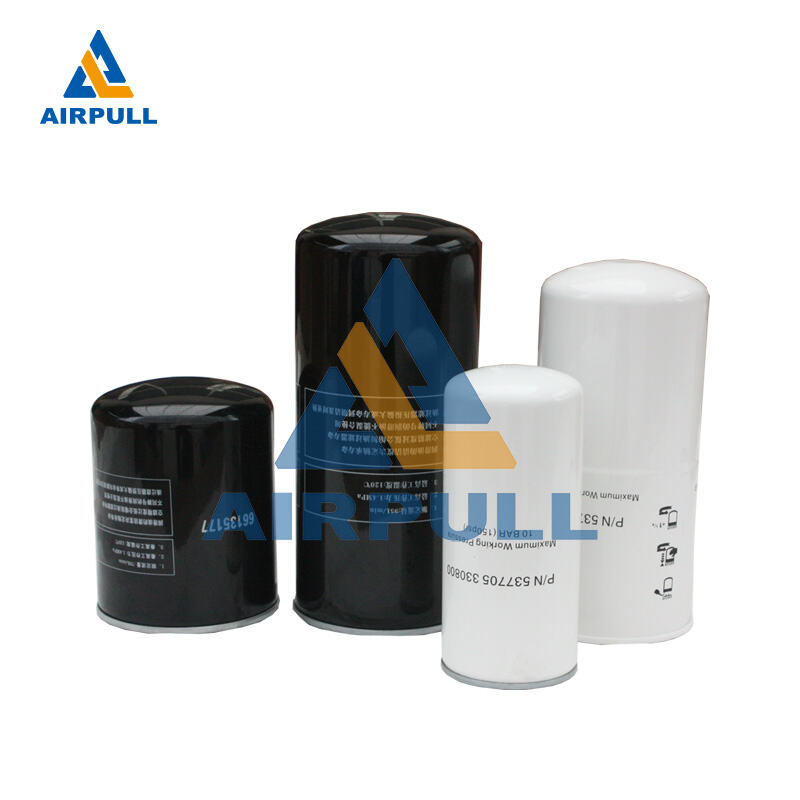
A serious compressor maintenance program rises or falls on one decision: the quality and consistency of your compressor filter supply. In industrial operations, air systems run into dust loading, oil carryover, moisture variation, and pressure stress every day, so weak filtration support quickly becomes a production risk. This review focuses on what separates an average compressor filter supply from a dependable one in real plant conditions. The goal is not hype, but a practical standard you can apply when evaluating any compressor filter supply for uptime, lifecycle cost, and service reliability.
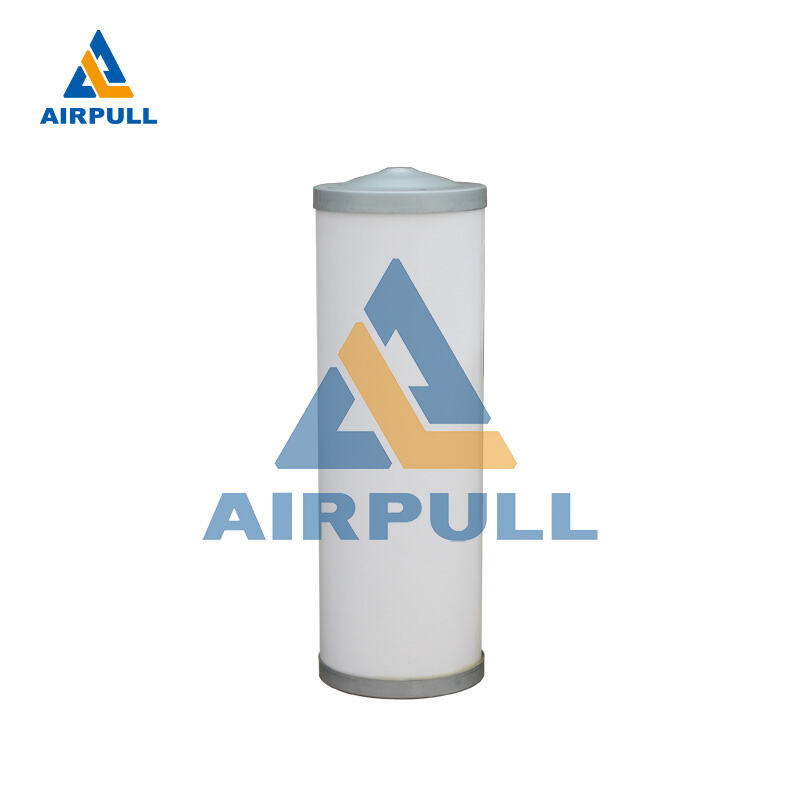
The best compressor filter supply is the one that stays stable under changing operating loads, supports predictable replacement cycles, and protects air-end performance without creating hidden maintenance burden. A strong compressor filter supply should also make procurement easier through consistent specifications, documentation clarity, and repeatable quality control. In this review, the evaluation is built around technical fit, service practicality, and purchasing confidence, so B2B buyers can make decisions that hold up over time.
Review Scope and What Defines the Best Fit
Operational relevance over marketing claims
A useful compressor filter supply review starts with operational relevance rather than brochure language. Facilities need filtration components that perform consistently across long run hours, variable ambient contamination, and different duty cycles. When a compressor filter supply is selected only on unit price, teams often absorb higher downstream costs in pressure drop, unplanned changeouts, and contamination-related wear. The best review standard checks how each compressor filter supply behaves in real service conditions, not just in ideal test statements.
Procurement teams should ask whether the compressor filter supply supports predictable maintenance windows and stable inventory planning. Reliability in this context means every filter batch aligns with expected fit, sealing integrity, and filtration behavior. A dependable compressor filter supply reduces process uncertainty because engineers and technicians can trust replacement timing and system response. That stability is usually more valuable than short-term savings that come with performance variance.
Review criteria that matter in industrial purchasing
In B2B environments, the strongest compressor filter supply is evaluated through measurable criteria: filtration efficiency consistency, pressure drop characteristics, structural durability, and contamination holding capacity. These factors directly affect energy use and compressor health. A compressor filter supply that looks acceptable at intake inspection can still fail the review if it loads too quickly or causes unstable differential pressure trends. Technical suitability and lifecycle behavior should be treated as core purchasing data.
Documentation quality is another part of the review. A professional compressor filter supply should come with clear dimensional references, material information, and compatibility guidance that maintenance teams can verify quickly. When documentation is incomplete, fit risk and installation errors rise, even if the part itself appears acceptable. The best compressor filter supply supports both engineering confidence and clean execution on the plant floor.
Technical Performance Signals in a Strong Compressor Filter Supply
Filtration efficiency and pressure behavior in daily operation
The first technical signal in any compressor filter supply review is performance stability over the service interval. Efficient capture at startup is important, but sustained efficiency under real contamination load is what protects compressor internals. A high-quality compressor filter supply maintains a balanced pressure profile, helping avoid excess energy draw from clogged or restrictive media behavior. That balance is a direct contributor to total operating cost.
Engineers should monitor differential pressure trends after installation to evaluate compressor filter supply quality in context. If pressure rise accelerates early, the media structure or contaminant capacity may not match site conditions. A reliable compressor filter supply should show controlled loading patterns that align with planned replacement intervals. Stable pressure response is often one of the clearest signs that a compressor filter supply is correctly matched.
Build quality, sealing integrity, and compatibility control
A strong compressor filter supply must deliver repeatable structural quality, including media pleat stability, end-cap bonding, and gasket integrity. These details determine whether filtration performance survives vibration, temperature shifts, and flow fluctuation. Even small sealing inconsistencies can allow bypass paths that reduce protection quality. In review terms, a compressor filter supply cannot be considered best-in-class unless sealing and fit are consistently controlled.
Compatibility is equally important for maintenance efficiency. The right compressor filter supply should install without forced adjustment and should preserve intended housing contact geometry. Poor dimensional consistency creates avoidable technician time and raises error probability during urgent maintenance windows. A well-reviewed compressor filter supply minimizes these friction points and supports clean, repeatable installation practice.
Supply Reliability and Lifecycle Value in B2B Context
Inventory continuity and maintenance scheduling confidence
In industrial procurement, the best compressor filter supply is not only a technical fit but also a stable supply-chain fit. Plants depend on reliable replenishment to keep preventive programs on schedule. When compressor filter supply availability becomes inconsistent, teams move into reactive purchasing, which usually increases cost and operational risk. Continuity in compressor filter supply supports better planning discipline and lower downtime exposure.
Consistency across batches is a central review point for lifecycle value. If each delivery behaves differently, maintenance records lose predictive power, and changeout intervals become less trustworthy. A dependable compressor filter supply preserves data integrity in your maintenance history, making trend analysis more accurate. That improves both budgeting confidence and engineering decision quality over long operating periods.
Total cost perspective beyond purchase price
A mature compressor filter supply review evaluates total cost impact, not only invoice price. Filtration performance affects compressor efficiency, lubricant condition, component wear, and service labor cadence. A lower-cost compressor filter supply can become the expensive option when it shortens service life or increases unscheduled interventions. The best compressor filter supply is typically the one that protects performance stability while keeping maintenance predictable.
Procurement and maintenance teams should align on cost metrics tied to system behavior. Reviewing compressor filter supply through energy trend, replacement frequency, and fault incidence gives a clearer business picture than unit pricing alone. This approach turns compressor filter supply selection into a reliability investment rather than a simple consumables transaction. Over time, that shift usually produces stronger uptime and better cost control.
How to Judge the Best Compressor Filter Supply for Your Facility
Application matching based on contamination profile and duty cycle
A practical review process begins with your own site profile before comparing any compressor filter supply option. Dust concentration, humidity range, operating hours, and process sensitivity all influence what good performance looks like. The best compressor filter supply for a light-duty workshop may not be the right compressor filter supply for a continuous industrial line. Matching filtration behavior to actual duty conditions is the core of accurate selection.
Maintenance history offers useful evidence for this matching step. Teams can review previous pressure trends, service intervals, and contamination findings to identify the right compressor filter supply characteristics. This prevents over-specification and under-protection at the same time. A title-level "best" compressor filter supply decision should always be grounded in facility-specific operating evidence.
Evaluation workflow for procurement and maintenance teams
The most effective workflow combines technical review, installation feedback, and lifecycle monitoring. Engineering validates fit and performance expectations, technicians report installation and handling experience, and procurement checks continuity conditions for compressor filter supply planning. This cross-functional approach reveals whether a compressor filter supply is truly reliable in both technical and operational dimensions. It also reduces the chance of choosing a part that looks good on paper but fails in service practice.
After implementation, teams should track key indicators at each replacement cycle to confirm that compressor filter supply performance remains stable. Early trend shifts can signal the need for specification adjustment or environmental controls. A best-in-class compressor filter supply decision is not a one-time event; it is reinforced through disciplined monitoring and feedback. That is how review findings become durable operational value.
FAQ
What makes a compressor filter supply the best choice for industrial use?
The best compressor filter supply combines stable filtration performance, predictable pressure behavior, consistent fit quality, and reliable replenishment support. It should protect compressor components while keeping maintenance intervals dependable. In industrial settings, a top compressor filter supply also needs clear technical documentation and repeatable batch quality. These factors together define practical performance, not just product claims.
How often should compressor filter supply performance be reviewed after purchase?
Compressor filter supply performance should be reviewed at every replacement cycle and during routine system checks. Tracking differential pressure trends, service life consistency, and contamination findings helps confirm whether the chosen compressor filter supply remains aligned with operating conditions. Regular review prevents gradual efficiency loss from going unnoticed. It also supports data-driven purchasing decisions in future cycles.
Can one compressor filter supply specification fit all operating environments?
A single compressor filter supply specification rarely fits every environment because contamination load, humidity, and duty cycle vary across facilities. The right compressor filter supply should be matched to the specific operating profile and maintenance goals of each site. What works in one process may create premature loading or insufficient protection in another. Site-based evaluation is essential for reliable results.
Why does compressor filter supply consistency matter more than low initial cost?
Compressor filter supply consistency matters because unstable quality can increase pressure drop, shorten service intervals, and raise downtime risk. These effects often outweigh short-term savings from a cheaper purchase. A consistent compressor filter supply improves maintenance planning, reduces unexpected intervention, and supports steady compressor efficiency. Over the lifecycle, predictable performance usually delivers better financial outcomes.
Table of Contents
- Review Scope and What Defines the Best Fit
- Technical Performance Signals in a Strong Compressor Filter Supply
- Supply Reliability and Lifecycle Value in B2B Context
- How to Judge the Best Compressor Filter Supply for Your Facility
-
FAQ
- What makes a compressor filter supply the best choice for industrial use?
- How often should compressor filter supply performance be reviewed after purchase?
- Can one compressor filter supply specification fit all operating environments?
- Why does compressor filter supply consistency matter more than low initial cost?