EN
EN


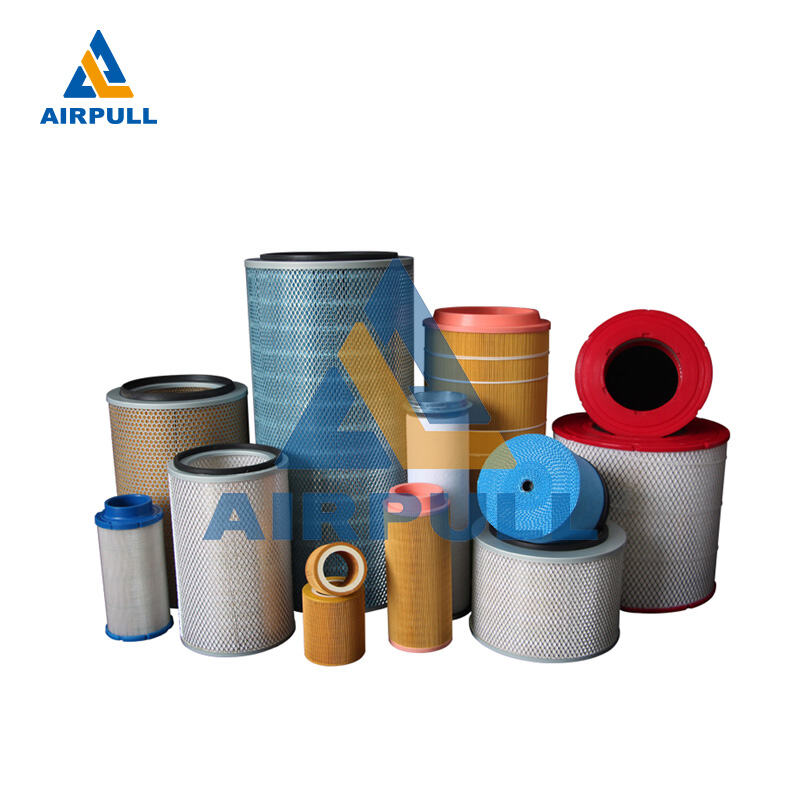
Choosing the best compressor filter element is less about marketing language and more about matching filtration behavior to operating reality. In this review, the central finding is clear: the best compressor filter element is the one that keeps pressure drop stable, protects downstream air quality, and maintains predictable service life under your actual duty cycle. A high-performing compressor filter element should show consistent contaminant capture from startup to loaded production, not just at ideal bench conditions. For B2B buyers, maintenance managers, and plant engineers, a practical compressor filter element review must focus on measurable field outcomes.
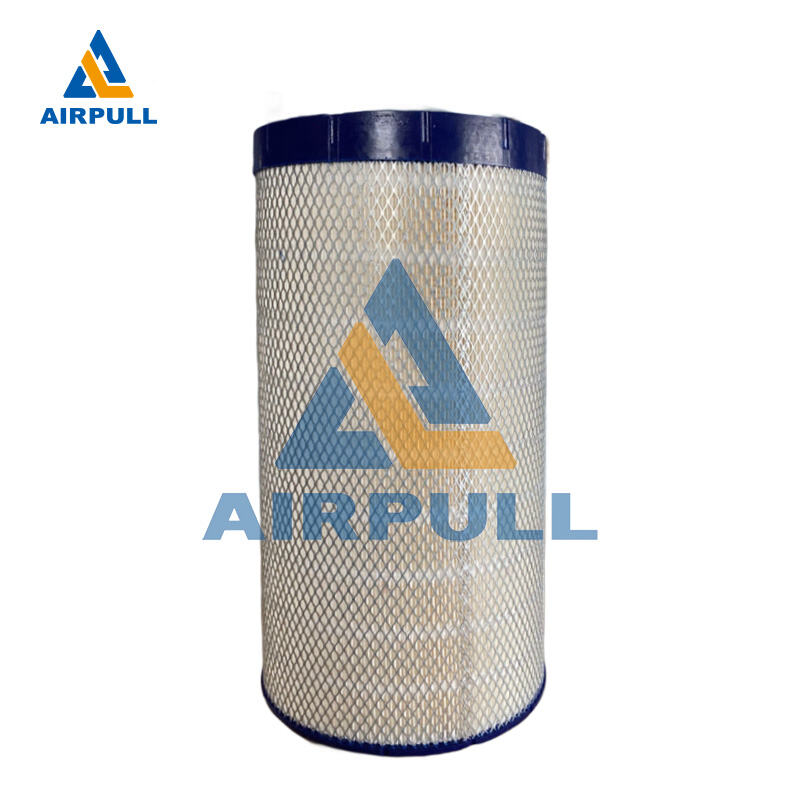
This article evaluates how a compressor filter element performs across filtration efficiency, airflow resistance, durability, contamination control, and maintenance economics. Rather than treating every compressor filter element as interchangeable, the review explains why media quality, seal integrity, and dimensional tolerance strongly affect reliability. It also clarifies where a premium compressor filter element delivers value and where an operation may prioritize simpler replacement cycles. The goal is a decision-ready review that helps you select a compressor filter element with lower risk and better lifecycle control.
Review Scope and Evaluation Standard
What defines the best result in a compressor filter element review
A meaningful compressor filter element review starts with acceptance criteria tied to plant performance, not catalog claims. The best compressor filter element should protect compressed air cleanliness while avoiding excessive pressure loss that increases energy demand. In practical terms, evaluation must consider contamination loading behavior, seal consistency, and differential pressure trend over operating hours. A compressor filter element that begins strong but degrades quickly should not rank as the best option for continuous industrial use.
In this review framework, a compressor filter element earns a higher rating when it supports stable system operation during variable load periods, frequent stop-start cycles, and ambient dust fluctuation. The best compressor filter element also maintains mechanical integrity during vibration and thermal changes. These factors matter because even small bypass events or media instability can raise downstream maintenance costs. A B2B review therefore prioritizes risk reduction, not just initial purchase price of the compressor filter element.
How operating context changes the review outcome
No single compressor filter element performs identically across every industry environment. A machining plant with oil aerosol and metallic fines challenges a compressor filter element differently than a packaging line with fibrous dust and moisture variation. That is why the best compressor filter element for one site may underperform in another if loading profile and airflow pattern differ. Review conclusions must be anchored to real process conditions rather than generic labels.
When reviewing a compressor filter element, duty hours per day, shift pattern, air demand peaks, and maintenance discipline all influence final ranking. A facility with strong preventive maintenance may extract full value from a high-efficiency compressor filter element, while a reactive maintenance site may favor a more forgiving replacement interval strategy. This is also where sourcing confidence matters, and many teams evaluate options like compressor filter element solutions alongside internal reliability targets. The review result improves when technical fit and operating behavior are evaluated together.
Performance Findings Across Real Operating Conditions
Filtration efficiency versus pressure drop stability
A top-rated compressor filter element needs to balance fine-particle capture with manageable airflow resistance. In many reviews, buyers focus first on nominal filtration rating, but the better indicator is how the compressor filter element holds efficiency as contaminant load increases. If pressure drop rises too fast, the compressor works harder and total energy cost climbs. So the best compressor filter element is not only efficient at day one, it remains efficient without sharp restriction growth.
Field observations show that compressor filter element media structure and pleat stability determine whether airflow remains consistent under continuous operation. A poorly supported compressor filter element may deform, reducing effective surface area and accelerating pressure rise. A well-constructed compressor filter element preserves flow path geometry and delays the point where replacement becomes urgent. In this review perspective, pressure stability is a critical marker of true performance quality.
Seal integrity and contamination bypass control
Seal quality is often underestimated in a compressor filter element review, yet it can decide whether filtration performance on paper translates into real protection. Even a high-grade compressor filter element can fail system goals if gasket compression is uneven or end-cap bonding is inconsistent. The best compressor filter element maintains tight fit during vibration, temperature variation, and repeated maintenance handling. This reduces bypass probability and supports reliable downstream air quality.
In industrial operations, contamination bypass from a compromised compressor filter element may trigger higher wear in valves, dryers, and pneumatic devices. The review therefore gives strong weight to dimensional precision, material resilience, and seating repeatability of each compressor filter element. Buyers seeking long-term reliability should evaluate installation consistency over multiple replacement cycles, not one-time fit. A compressor filter element that installs cleanly and seals repeatably lowers both quality risk and troubleshooting time.
Serviceability and Lifecycle Economics
Maintenance rhythm and replacement predictability
From a lifecycle standpoint, the best compressor filter element is one that supports planned maintenance rather than emergency swaps. A predictable compressor filter element allows teams to align shutdown windows, spare inventory, and labor allocation without disrupting production. Review scoring should include how clearly the compressor filter element signals end-of-life through differential pressure trend and runtime pattern. Predictable degradation is easier to manage than abrupt performance collapse.
A compressor filter element with stable behavior reduces the hidden cost of uncertainty. Plants often spend more on urgent labor and unplanned downtime than on the filter itself, so replacement consistency is a core review metric. When a compressor filter element demonstrates repeatable service intervals under similar loading, procurement can forecast annual consumption more accurately. That financial clarity is a major reason one compressor filter element may be judged better than another even at similar initial cost.
Total cost of ownership beyond unit price
A serious compressor filter element review treats unit price as only one part of value. Energy draw from pressure drop, component wear from contamination, and maintenance labor frequency all shape the true cost of a compressor filter element. The best compressor filter element frequently delivers lower total cost through reduced system stress and fewer corrective interventions. For B2B decision makers, this broader view prevents low-price bias that can increase long-term expense.
When cost analysis includes risk, a reliable compressor filter element often wins because it protects production continuity. A compressor filter element that minimizes quality deviations in compressed air can also reduce reject rates in sensitive processes. Over a full operating year, the difference between average and high-performing compressor filter element choices can be substantial even without dramatic purchase-price gaps. Review conclusions should therefore integrate operational and financial impact in one evaluation model.
Fit, Risk Control, and Procurement Decisions
Application fit and compatibility discipline
The best compressor filter element is always application-specific, and compatibility discipline is essential before final selection. Each compressor filter element should be verified for dimensional tolerance, airflow requirement, media type, and expected contaminant profile. A mismatch can create installation strain, unstable pressure behavior, or early saturation. In this review, the highest-rated compressor filter element is the one that aligns with both technical specification and real operating load.
Procurement teams benefit from documenting a qualification checklist for every compressor filter element batch. This includes visual inspection, seal inspection, and early differential pressure baseline after installation. Consistent onboarding of each compressor filter element helps catch variation before it causes line issues. The review perspective is simple: fit control is performance control.
Final review judgment for industrial buyers
The final judgment of this best compressor filter element review is that long-term reliability should lead the decision, followed by pressure stability and service predictability. A compressor filter element that balances these three factors usually produces better lifecycle economics than a purely price-led option. For industrial buyers, the strongest choice is the compressor filter element that protects air quality with minimal operational volatility. That combination is what defines practical excellence in daily production environments.
In closing, this review recommends evaluating any compressor filter element through measurable plant outcomes: contamination control, pressure trend, maintenance interval consistency, and risk-adjusted cost. A compressor filter element that performs well across all four areas is the best candidate for sustained B2B operations. When selection decisions are tied to these criteria, teams reduce surprises and gain a more stable compressed air system. That is the real standard behind the phrase best compressor filter element.
FAQ
How often should a compressor filter element be replaced in industrial use?
Replacement timing depends on load profile, airborne contamination, and operating hours, but a compressor filter element should be changed based on differential pressure trend and performance behavior rather than fixed calendar dates alone. In stable conditions, planned interval replacement works well, while high-dust environments may require shorter cycles. Tracking each compressor filter element by runtime and pressure data gives the most reliable schedule.
Can a lower-cost compressor filter element deliver the same business result?
A lower-cost compressor filter element can be acceptable in less demanding conditions, but equal business results are not guaranteed. If the compressor filter element causes faster pressure rise, inconsistent sealing, or shorter service life, total operating cost may increase. The better comparison is lifecycle impact, not purchase price alone.
What is the most important metric in a compressor filter element review?
There is no single universal metric, but pressure drop stability over service life is one of the strongest indicators of compressor filter element quality. A compressor filter element that maintains airflow while preserving filtration effectiveness usually supports both energy efficiency and equipment protection. For most B2B plants, this metric closely correlates with operational reliability.
Why does installation quality matter for compressor filter element performance?
Even a strong compressor filter element can underperform when installation is rushed or sealing surfaces are not checked. Correct seating, clean contact surfaces, and proper torque help the compressor filter element function as intended and prevent bypass. Installation discipline is a low-cost step that protects the value of every compressor filter element you deploy.
Table of Contents
- Review Scope and Evaluation Standard
- Performance Findings Across Real Operating Conditions
- Serviceability and Lifecycle Economics
- Fit, Risk Control, and Procurement Decisions
-
FAQ
- How often should a compressor filter element be replaced in industrial use?
- Can a lower-cost compressor filter element deliver the same business result?
- What is the most important metric in a compressor filter element review?
- Why does installation quality matter for compressor filter element performance?