EN
EN



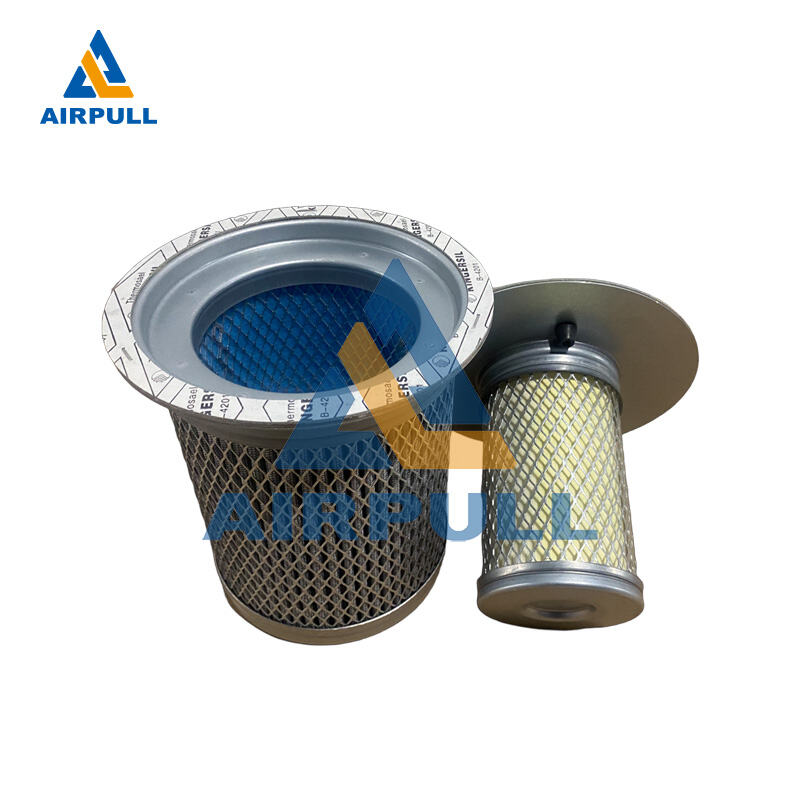
Comparing air oil separator price is not just a purchasing exercise; it is an operating-cost decision that affects compressor efficiency, maintenance intervals, and production stability. In industrial procurement, the lowest air oil separator price can look attractive in a quotation sheet but become expensive when pressure drop rises early or oil carryover increases. A reliable comparison starts by treating air oil separator price as a lifecycle metric tied to run hours, energy use, and service labor. That approach gives maintenance and sourcing teams a shared language for practical decisions.
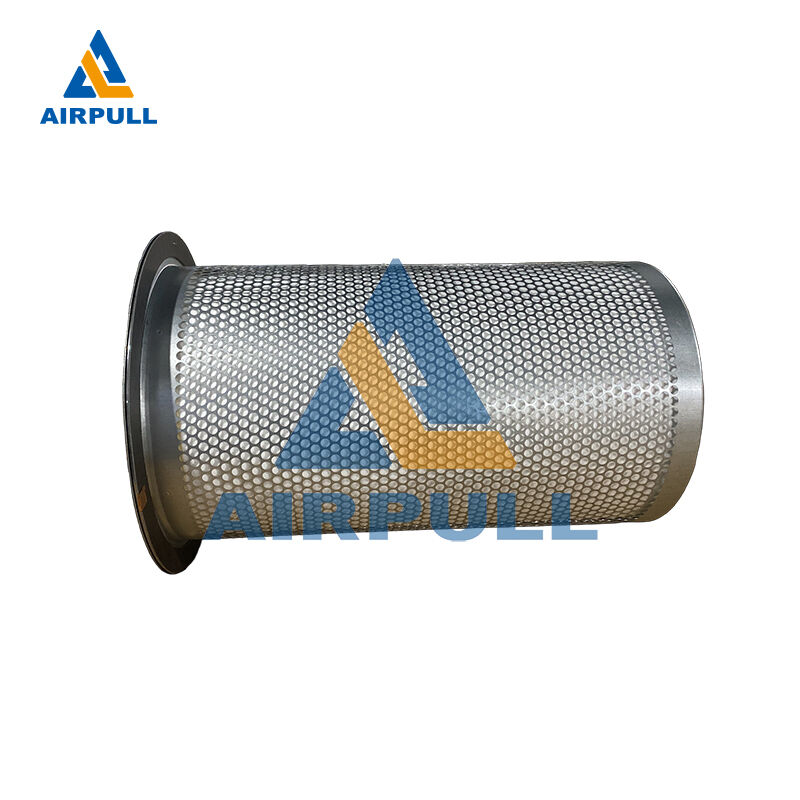
The right way to compare air oil separator price is to move from headline cost to performance-adjusted cost. That means checking technical fit, material quality, filtration behavior, expected life, and warranty support before finalizing any order. When those factors are evaluated in sequence, buyers can explain why one air oil separator price is justified and another is risky, even when both parts appear similar in photos. This article walks through that process so your team can compare quotes with confidence and document clear buying logic.
Define a Comparable Baseline Before Reviewing Any Air Oil Separator Price
Lock technical equivalence first
The first step in comparing air oil separator price is to confirm that every quote targets the same operating conditions. Check dimensions, flange style, thread type, airflow range, pressure rating, and compressor model compatibility. If these fundamentals are not matched, differences in air oil separator price do not reflect value; they reflect non-equivalent parts. Procurement teams often save time by creating a one-page technical baseline and requiring all vendors to quote against that exact scope.
You should also verify required filtration performance and acceptable residual oil content at outlet conditions. Two products may both be sold under a similar part reference while delivering different separation behavior in real load profiles. In that case, comparing air oil separator price without performance limits creates hidden risk. Technical equivalence turns price comparison into a meaningful decision instead of a guess.
Standardize quote boundaries and commercial terms
A valid air oil separator price comparison needs consistent quote boundaries. Confirm whether the quoted amount includes seals, shipping, duties, and packaging level suitable for industrial storage. When one supplier includes logistics and another excludes it, the apparent air oil separator price gap is misleading. Normalize all offers into the same commercial frame before discussing savings.
Lead time and payment terms also influence the practical value of air oil separator price. A lower unit cost can still increase total cost when late delivery forces emergency downtime or costly stopgap purchases. Include delivery reliability and replenishment cadence in your baseline. This keeps air oil separator price tied to operational continuity, not only invoice totals.
Evaluate Performance Drivers That Explain Air Oil Separator Price Differences
Material quality and separator construction
Material design is a major reason one air oil separator price differs from another. Media stability under heat, adhesive integrity, anti-corrosion treatment, and structural consistency all influence service life. A lower air oil separator price may come from thinner media or weaker bonding that degrades earlier under pressure pulsation. That early degradation often appears as rising differential pressure and more frequent replacement.
Construction precision also matters in high-duty compressor rooms. End-cap fit, seam quality, and collapse resistance directly affect filtration stability throughout the maintenance cycle. When evaluating air oil separator price, ask for manufacturing control data and quality checkpoints rather than relying on catalog wording. The goal is to connect air oil separator price with measurable construction reliability.
Pressure drop behavior and energy impact
A realistic air oil separator price comparison must include expected pressure drop over time, not only initial performance. Even small increases in restriction can raise compressor energy demand across long operating hours. In many plants, energy cost can outweigh the purchase difference in air oil separator price within one service cycle. That is why engineering and procurement should review pressure-drop trend data together.
When vendors provide only initial values, request aging behavior under representative conditions. Stable pressure characteristics can justify a higher air oil separator price because they reduce power penalties and avoid premature changeouts. This is also where lifecycle costing becomes persuasive for finance review. The best decision is rarely the smallest air oil separator price on day one.
Convert Air Oil Separator Price Into Lifecycle Cost Per Operating Hour
Use a practical total-cost formula
To compare air oil separator price in a decision-ready way, calculate cost per operating hour. Combine purchase amount, installation labor, expected service life, disposal handling, and energy effect from pressure drop. This converts each air oil separator price into a common metric that maintenance, operations, and finance can evaluate together. Once converted, quote differences become easier to defend in approval meetings.
A simple model is often enough for effective sourcing: annualized separator spending plus energy delta, divided by annual compressor hours. Even with conservative assumptions, this method reveals when a higher air oil separator price lowers total annual cost. It also identifies scenarios where a lower air oil separator price is acceptable because duty cycle is light and replacement access is easy. The point is disciplined comparison, not overly complex spreadsheets.
Account for downtime risk and maintenance burden
Downtime risk is frequently omitted when teams compare air oil separator price, yet it can dominate real economics. If separator instability causes unplanned intervention, production loss can exceed annual spare-part budgets in a short period. Include a realistic downtime factor when evaluating air oil separator price, especially in continuous-process environments. Reliability history should be treated as a cost variable, not just a quality comment.
Maintenance burden is another hidden cost around air oil separator price. Parts that require shorter intervals increase technician workload, inventory turnover, and coordination overhead. A slightly higher air oil separator price may reduce planned shutdown frequency and simplify maintenance planning. When these operational effects are quantified, procurement decisions become more stable and less reactive.
Build a Repeatable Procurement Workflow for Air Oil Separator Price Decisions
Score quotes with weighted industrial criteria
A repeatable workflow prevents inconsistent decisions on air oil separator price. Create a weighted scoring model combining technical fit, lifecycle cost, delivery reliability, documentation quality, and warranty terms. This framework ensures air oil separator price is important but not isolated from performance and risk. Teams that use weighted scoring usually reduce disputes between procurement and maintenance because tradeoffs are explicit.
In practice, scoring should be done by a cross-functional group so each department sees the same evidence. Engineering can validate technical compliance while procurement validates contract clarity and lead times. The result is a balanced judgment on air oil separator price that stands up during audits and budget reviews. It also makes supplier requalification faster in future cycles.
Use controlled trials before long-term commitment
When quote gaps are material, run a controlled trial rather than selecting based only on air oil separator price. Trial batches under normal load can reveal pressure behavior, service stability, and practical change interval. This field evidence gives context to air oil separator price and reduces uncertainty before a larger contract. A short validation window often prevents expensive reversals later.
During sourcing, it is natural to review market options such as air oil separator price offers and compare them against your validated baseline. Keep trial records, operating conditions, and maintenance observations in one file for future tenders. Over time, this creates internal benchmarks that improve every air oil separator price decision. Consistency is what turns one good purchase into a durable procurement system.
FAQ
How many quotations are enough to compare air oil separator price effectively?
Three well-scoped quotations are usually enough when each quote follows the same technical and commercial baseline. The real value comes from comparability, not from collecting many inconsistent offers. If specifications are aligned, three quotes can clearly show the realistic air oil separator price range and associated lifecycle differences. More quotes only help when they add new evidence on performance or risk.
Can the lowest air oil separator price still be the best option?
Yes, it can be the best option when technical compliance is verified, service life is acceptable, and operating duty is moderate. The key is confirming that low air oil separator price does not create hidden energy or downtime cost. If lifecycle assumptions remain favorable after validation, selecting a lower air oil separator price is a sound business decision. The decision should be evidence-based, not preference-based.
What data should be requested before approving air oil separator price?
Request dimensional compliance, pressure rating, filtration performance data, expected service interval, warranty scope, and recommended operating envelope. Ask for pressure-drop behavior over use, not only initial values, because this strongly affects lifecycle outcomes tied to air oil separator price. Include delivery reliability and packaging standards in the same review package. With these inputs, your air oil separator price decision becomes auditable and operationally grounded.
How often should companies re-benchmark air oil separator price?
Most industrial teams re-benchmark air oil separator price annually or during major maintenance planning cycles. Re-benchmarking should also happen when operating hours change, energy costs shift, or recurring quality issues appear. The objective is to keep air oil separator price aligned with current plant conditions rather than relying on outdated assumptions. Regular review supports better budget control and more predictable compressor reliability.
Table of Contents
- Define a Comparable Baseline Before Reviewing Any Air Oil Separator Price
- Evaluate Performance Drivers That Explain Air Oil Separator Price Differences
- Convert Air Oil Separator Price Into Lifecycle Cost Per Operating Hour
- Build a Repeatable Procurement Workflow for Air Oil Separator Price Decisions
- FAQ