EN
EN



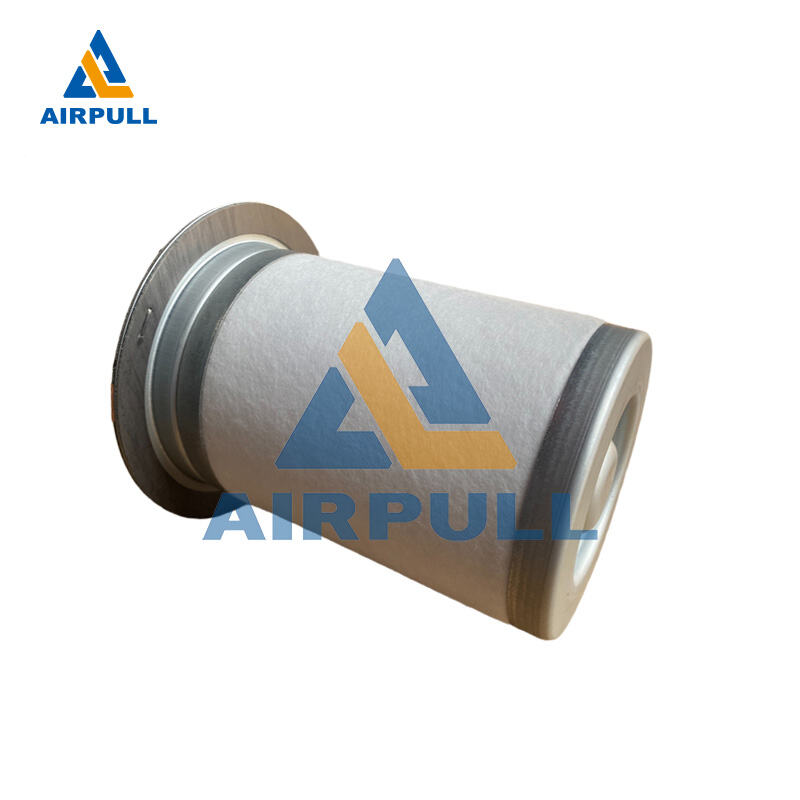
Knowing how to clean an air compressor inlet filter is not a minor maintenance detail; it is a direct control point for compressor reliability, energy efficiency, and downstream air quality. A neglected air compressor inlet air filter increases pressure drop at the intake, forces the machine to work harder, and raises the risk of dust entering critical internal parts. In B2B production environments, poor intake filtration can translate into unstable output, unplanned shutdowns, and avoidable operating cost. Cleaning the air compressor inlet air filter correctly, on schedule, and with the right inspection criteria keeps performance stable and extends service life.
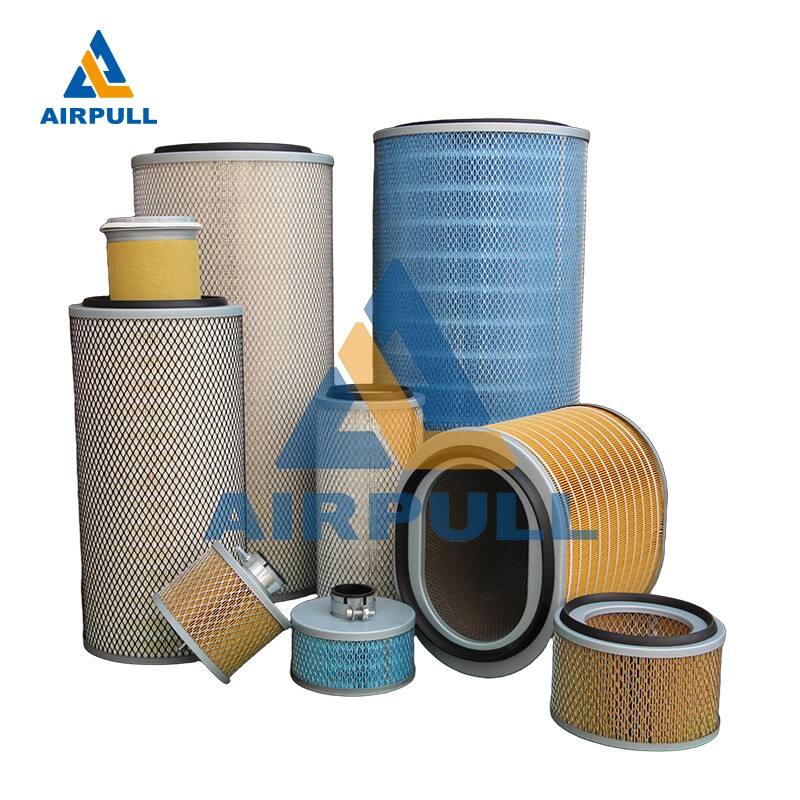
This guide explains the full workflow in practical order, from shutdown and removal to cleaning, drying, reinstallation, and post-clean validation. It also clarifies when cleaning is appropriate and when replacing the air compressor inlet air filter is the safer decision. By applying a consistent method, maintenance teams can avoid common handling damage, protect the sealing integrity around the air compressor inlet air filter, and keep intake resistance within acceptable limits over time.
Preparation and Safety Baseline
Isolate the compressor before touching the housing
Before cleaning any air compressor inlet air filter, isolate energy sources and follow your plant lockout procedure. Shut the compressor down fully, depressurize the system as required by site practice, and wait for rotating elements to stop. Opening the intake housing on a running or recently stopped machine introduces unnecessary risk and can pull contamination inward. A controlled shutdown protects personnel and prevents damage to the air compressor inlet air filter seat.
Temperature also matters at this stage. If the compressor has been under continuous load, allow enough cool-down time to handle covers and seals safely. Many avoidable maintenance errors happen when technicians rush disassembly on a hot machine. A calm setup phase makes the rest of the air compressor inlet air filter cleaning process faster and cleaner.
Prepare clean tools and a contamination-controlled workspace
Use dedicated cleaning tools that do not introduce fibers, oil residue, or metallic particles. Typical setup includes low-pressure dry air, a soft non-shedding brush, clean lint-free wipes, and a container for holding the removed air compressor inlet air filter. Keep compressed air pressure controlled so media is not torn during blow-off. Excess pressure often shortens the usable life of the air compressor inlet air filter even when the damage is not immediately visible.
Set up a clean bench or tray to place housing components in removal order. This helps prevent misalignment during reassembly and reduces the chance of losing sealing rings. In dusty facilities, perform this task away from active grinding, bag dumping, or heavy forklift traffic. A clean environment is part of proper air compressor inlet air filter maintenance, not an optional extra.
Step-by-Step Cleaning Workflow
Remove and assess the filter before cleaning
Open the inlet cover carefully and remove the air compressor inlet air filter without deforming the media or frame. Avoid tapping the element against hard surfaces, because impact can crack adhesive lines and create bypass paths. Once removed, inspect pleat spacing, end caps, gasket condition, and any signs of moisture or oil carryover. If the air compressor inlet air filter shows tears, collapsed pleats, or hardened seals, replacement is usually more reliable than cleaning.
Document what you see before cleaning begins. A quick photo and brief note on dust loading can help trend operating conditions over time. Repeated abnormal loading may indicate issues in intake location, enclosure sealing, or process-generated airborne material. The condition of each air compressor inlet air filter gives useful diagnostic information beyond simple pass or fail.
Clean from the clean side out with controlled force
For dry particulate loading, clean the air compressor inlet air filter by directing low-pressure dry air from the clean side toward the dirty side. This direction pushes particles out of the pleats rather than driving them deeper into the media. Move the nozzle in smooth passes and maintain enough distance to avoid damaging the fibers. A gentle, methodical approach restores flow while preserving the air compressor inlet air filter structure.
Use a soft brush only for stubborn surface deposits and only with light contact. Aggressive brushing can open the media surface and reduce filtration efficiency in service. Never wash a standard cellulose-type air compressor inlet air filter unless the manufacturer explicitly states it is washable media. Water exposure on non-washable elements can permanently weaken the air compressor inlet air filter and distort pleat geometry.
When a replacement is required, use a compatible part matched to operating conditions and housing dimensions, such as this air compressor inlet air filter. Correct fit is critical because even high-quality media cannot protect the compressor if the seal line leaks.
Inspection and Reinstallation Standards
Verify media integrity and seal quality after cleaning
After cleaning, recheck the air compressor inlet air filter under good lighting. Look for pinholes, edge lifting, pleat cracks, and gasket compression damage. Lightly flex the frame only within safe limits to identify hidden fractures near bonded corners. Any structural defect can allow unfiltered air to bypass the media, so do not reinstall a compromised air compressor inlet air filter.
Inspect the housing interior as well. Remove dust from the sealing surface, cover groove, and any mating points that contact the air compressor inlet air filter gasket. A perfect filter element cannot compensate for dirt trapped on sealing lines. This is one of the most common reasons cleaned filters still underperform after service.
Reinstall with alignment discipline and final leak checks
Seat the air compressor inlet air filter evenly and confirm full gasket contact all around the perimeter. Tighten latches or fasteners in a balanced pattern to avoid warping the cover. Over-tightening can deform the frame, while under-tightening can create an intake leak path. Consistent clamp pressure is essential for air compressor inlet air filter effectiveness.
After restart, monitor intake restriction indicators, machine sound, and load behavior for early signs of improper seating. A sudden whistle, unusual dust in the housing, or unexpected restriction readings can signal sealing problems. A brief post-maintenance check closes the loop and confirms the air compressor inlet air filter cleaning job was successful.
Cleaning Frequency and Operating Conditions
Set intervals by restriction trend, not by calendar alone
Many facilities clean the air compressor inlet air filter on fixed dates, but performance-based intervals are more accurate. Track differential pressure or restriction indicator behavior and combine that data with operating hours. In clean indoor environments, service intervals may stretch safely; in dusty bulk handling zones, the same air compressor inlet air filter may require far more frequent attention. Data-led scheduling reduces both unnecessary handling and late intervention.
A practical maintenance rule is to inspect visually at regular hour marks and clean only when loading affects intake performance. Every cleaning event adds handling stress to the media, so over-cleaning can reduce life. The goal is not maximum cleaning frequency but stable operation with a healthy air compressor inlet air filter and minimal bypass risk.
Adjust methods for humidity, oil mist, and mixed contaminants
If contamination includes moisture or oily aerosol, dry-air blow cleaning may not restore the air compressor inlet air filter adequately. Sticky deposits bind dust to fibers and can remain even after repeated passes. In these conditions, earlier replacement cycles are often more effective than aggressive cleaning attempts. Trying to force recovery from a saturated air compressor inlet air filter usually costs more in energy and reliability later.
Seasonal changes also matter. High humidity periods can increase media loading behavior, especially where warm intake air cools rapidly near the compressor room boundary. Review trend data seasonally and adjust maintenance windows so the air compressor inlet air filter is serviced before restriction reaches damaging levels.
Common Mistakes That Reduce Filter Life
Applying excessive air pressure and mechanical force
One frequent mistake is blasting the air compressor inlet air filter with high-pressure air at close range. This can separate fibers, widen pore structure, and reduce capture efficiency even when the element looks intact. Another mistake is striking the filter against equipment frames to shake off dust, which can crack adhesive joints. Gentle technique preserves the air compressor inlet air filter far better than force.
Teams also damage filters by using stiff brushes or improvised metal tools to clear pleat valleys. These methods create microscopic tears that become bypass channels under flow. A damaged air compressor inlet air filter may pass visual checks but still allow harmful particles into compression stages.
Ignoring housing condition and record discipline
Maintenance focus often stays on the element alone, while the intake box and seal seats are ignored. Dust buildup on mating surfaces can defeat a freshly cleaned air compressor inlet air filter within minutes of startup. Housing cracks, warped covers, or worn latches also compromise sealing integrity. Filter care and housing care must be treated as one system.
Another costly gap is weak documentation. Without records of restriction, hours, and observed loading type, teams cannot optimize cleaning intervals or identify process changes. Good records turn each air compressor inlet air filter service into a data point for reliability improvement, making future maintenance decisions faster and more accurate.
FAQ
How often should an air compressor inlet air filter be cleaned in industrial operation?
Clean the air compressor inlet air filter based on restriction trend and environment rather than fixed calendar dates. In low-dust facilities, intervals are usually longer, while heavy particulate zones may need frequent checks. A practical program combines operating hours, indicator readings, and visual inspection to avoid both over-cleaning and late cleaning.
Can every air compressor inlet air filter be washed with water?
No. Many standard elements are not washable and can be damaged by water exposure. Unless the media is explicitly designed for washing, use dry cleaning methods only. When deposits are oily, sticky, or deeply embedded, replacing the air compressor inlet air filter is normally the safer option.
What is the clearest sign that cleaning is no longer enough?
The clearest sign is persistent high restriction after proper cleaning, especially when combined with visible media wear or seal degradation. Tears, collapsed pleats, hardened gaskets, and frame distortion also indicate end of service life. At that point, replacing the air compressor inlet air filter protects compressor performance and prevents contamination risk.
Why does sealing matter as much as filter media quality?
Even high-grade media cannot work if air bypasses around the gasket or cover interface. Poor seating lets unfiltered air enter directly, which can increase wear and reduce efficiency. Correct installation, clean sealing surfaces, and even clamping pressure are essential to make the air compressor inlet air filter perform as intended.