EN
EN



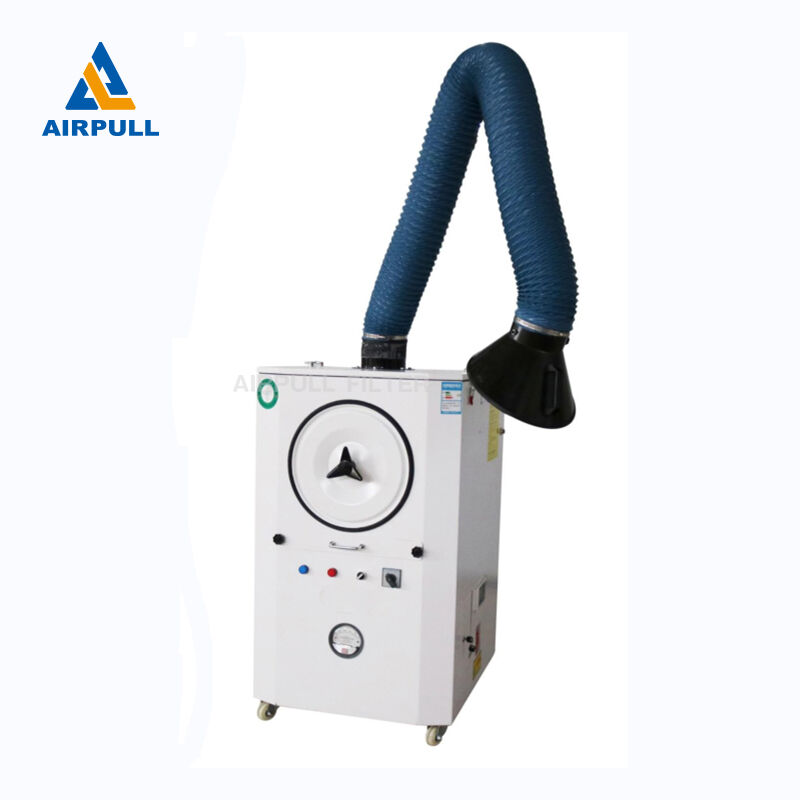
Cleaning a mobile welding fume dust collector is not a housekeeping task; it is a performance task that protects airflow stability, operator safety, and equipment life. In busy fabrication spaces, dust loading rises fast, and a neglected unit can lose suction long before anyone notices visible smoke. A structured cleaning routine keeps your mobile welding fume dust collector operating at design conditions and reduces unplanned stoppages. The key is to clean by component function, not by guesswork.
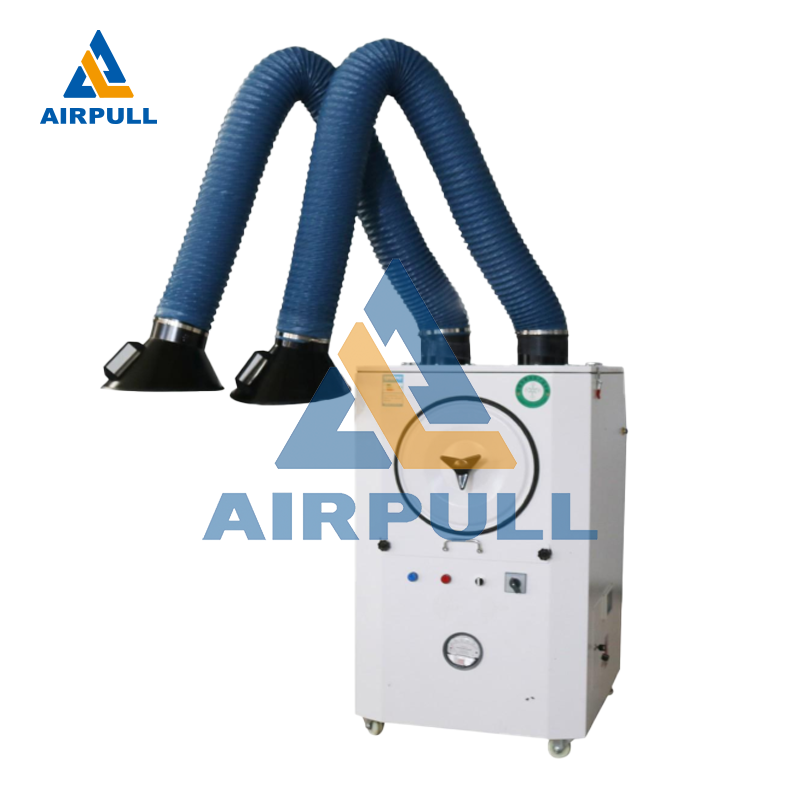
This guide explains exactly how to clean a mobile welding fume dust collector in a practical, repeatable workflow suitable for industrial teams. You will see what to inspect first, what to clean daily versus weekly, and how to avoid common mistakes that damage filters or motors. The process is written for supervisors, maintenance staff, and operators who need consistent results from each mobile welding fume dust collector on the floor.
Prepare the Unit Before Any Cleaning Begins
Isolate power and secure the work area
Before touching any panel, switch off and isolate the mobile welding fume dust collector from its power source according to site lockout practice. Wait for fan rotation to fully stop and allow internal dust to settle for a few minutes. This prevents airborne re-entrainment when access doors are opened. A clean-down performed without isolation can expose personnel and may pull debris into rotating components.
Move the mobile welding fume dust collector to a controlled cleaning zone when possible, especially if your workshop has mixed processes nearby. Keep the area dry, well ventilated, and free from active grinding sparks. Place a collection bag or sealed disposal container near the service side so dust can be handled immediately. This simple preparation step shortens downtime and improves housekeeping quality after each clean.
Gather the correct cleaning tools and PPE
Use tools that remove contaminants without harming seals, filter media, and coated metal surfaces. Typical items include a soft anti-static brush, an industrial vacuum, lint-free cloths, and a mild non-corrosive cleaner for external surfaces. Avoid aggressive compressed air blasting directly on primary filters unless the manufacturer allows that method for your filter type. The wrong cleaning method can permanently reduce capture efficiency in a mobile welding fume dust collector.
Personal protection matters because welding fume dust can contain fine particulates and metal residues. Wear respiratory protection, gloves, and eye protection while servicing the mobile welding fume dust collector. If you observe unusual residue color or odor, pause and verify process inputs before proceeding. Cleaning is also an inspection opportunity, and PPE supports both tasks safely.
Clean the Dust Path in the Correct Sequence
Start with pre-separation points and dust collection chamber
Open the dust drawer or collection compartment first, because this is where heavy loading usually accumulates. Remove settled dust gently into a sealed bag to avoid sudden plume release inside the workshop. Wipe the chamber edges and check that drawer rails and gaskets seat tightly on reassembly. A poor seal at this stage allows bypass that makes any mobile welding fume dust collector appear weak even with good filters.
Inspect inlets and internal baffles next, since these points shape air distribution before filtration. Use a vacuum and soft brush to clear adhered particles from corners and transitions. If buildup is sticky, use a lightly damp lint-free cloth and dry the surface fully before closing. Stable flow through these zones improves the consistency of every mobile welding fume dust collector cleaning cycle.
Service filters using condition-based handling
Check pressure behavior, visible loading, and maintenance history before deciding whether to clean or replace filters. For reusable stages, use approved low-impact cleaning techniques and keep handling gentle to avoid tears, edge damage, or media deformation. For non-reusable stages, replace on schedule instead of forcing extra life. Filter integrity is the heart of a mobile welding fume dust collector and should never be compromised to save a short-term part cost.
When reinstalling filters, ensure orientation, seating depth, and clamp tension are correct and uniform. Uneven compression can create leakage paths that return fume to the shop air. Record the service date and condition notes so the next technician can spot early trends. Good records turn each mobile welding fume dust collector from reactive equipment into managed infrastructure.
Clean External Airflow Components and Mobility Parts
Restore extraction arm performance and hood capture
Extraction arms, hoods, and flexible joints collect residue that can reduce effective capture at the weld point. Clean these parts from hood to base connection, removing visible deposits along bends and articulation points. Confirm that arm joints hold position after cleaning and do not drift under their own weight. A mobile welding fume dust collector cannot protect the operator if the hood cannot stay where capture is needed.
Inspect the hood opening for dents or deformation that narrow the capture zone. Wipe surfaces clean and verify unobstructed airflow by feeling steady draw at typical standoff distance. If suction feels inconsistent, inspect hose routing for internal collapse or blockage. These practical checks keep each mobile welding fume dust collector aligned with actual welding behavior, not just bench conditions.
Maintain fan inlet, outlet path, and wheel assembly
Dust near fan inlets and outlet grilles can increase resistance and noise over time. Vacuum these surfaces carefully and confirm that protective screens are intact after cleaning. Never insert hard tools into the fan section while assembled, and avoid introducing moisture into motor areas. Preserving mechanical balance is critical for long-term reliability in a mobile welding fume dust collector.
Because the unit is mobile, wheel and caster condition also affects safe operation and placement quality. Remove wrapped debris from axles, clean brake mechanisms, and verify smooth rolling with secure locking. Reliable positioning helps operators keep the hood close to the fume source, which improves real-world capture. Mechanical mobility and air quality outcomes are directly linked in daily mobile welding fume dust collector use.
Validate Performance After Cleaning and Build a Repeatable Schedule
Run post-clean checks before returning to production
After reassembly, power the unit and listen for abnormal vibration, whistle, or rattling that may indicate a loose panel or misseated filter. Verify airflow at the hood and compare with known baseline behavior in your facility. A quick smoke visualization test can confirm that fume is moving into the hood rather than drifting into the operator zone. This functional verification closes the cleaning loop for every mobile welding fume dust collector service event.
Also inspect around doors and seams during operation for any sign of leakage. Even small leaks reduce capture efficiency and increase internal contamination of downstream components. Correcting these issues immediately keeps cleaning intervals predictable and prevents repeated rework. Consistent validation is what separates routine wiping from true mobile welding fume dust collector maintenance.
Create a practical cleaning frequency by duty cycle
Set frequency based on welding hours, material type, and process intensity rather than fixed calendar habits alone. High-duty stations may require daily dust chamber cleaning and weekly filter checks, while lighter stations can follow longer intervals with monthly deep service. Use observed pressure trend, suction behavior, and residue loading to fine-tune timing. A duty-based plan keeps each mobile welding fume dust collector clean without over-servicing healthy components.
Standardize your method across shifts with one documented checklist and short technician notes after each cleaning. When teams follow the same sequence, performance variation between units drops and troubleshooting becomes faster. For facilities reviewing equipment options, this mobile welding fume dust collector format is easiest to maintain when procedures are clear and repeatable. Discipline in execution is the biggest factor behind stable air quality outcomes.
FAQ
How often should I clean a mobile welding fume dust collector in a heavy fabrication shop?
In heavy duty welding environments, inspect the dust chamber daily and perform a deeper service at least weekly, then adjust based on actual loading and airflow behavior. If suction drops or visible haze increases near workstations, shorten the interval immediately. The right frequency is driven by process intensity, not by a fixed date alone. Keeping the mobile welding fume dust collector on a condition-based cycle prevents sudden performance loss.
Can I use compressed air to clean filters in a mobile welding fume dust collector?
Use compressed air only when the filter design and manufacturer guidance explicitly permit it, and keep pressure controlled to avoid damaging filter media. Many filters lose efficiency after aggressive blasting even when they look clean. In many cases, careful vacuum cleaning or scheduled replacement is safer and more reliable. Protecting filter integrity is central to mobile welding fume dust collector performance.
What signs show that cleaning is not enough and parts should be replaced?
Replace components when you see persistent airflow loss after proper cleaning, repeated leakage at seals, torn media, deformed filter frames, or unusual fan noise that remains after debris removal. Recurrent dust bypass is another clear indicator that cleaning alone will not restore function. Continuing to run in this condition increases exposure risk and maintenance burden. Timely replacement keeps the mobile welding fume dust collector dependable in production.
Which cleaning mistake causes the most downtime in practice?
The most common high-impact mistake is skipping reassembly checks, especially filter seating and door seal alignment. A unit may restart and sound normal while still leaking or underperforming, which leads to repeated interventions later in the shift. The second common mistake is using harsh cleaning methods that shorten filter life. A careful, repeatable process keeps the mobile welding fume dust collector available and effective.
Table of Contents
- Prepare the Unit Before Any Cleaning Begins
- Clean the Dust Path in the Correct Sequence
- Clean External Airflow Components and Mobility Parts
- Validate Performance After Cleaning and Build a Repeatable Schedule
-
FAQ
- How often should I clean a mobile welding fume dust collector in a heavy fabrication shop?
- Can I use compressed air to clean filters in a mobile welding fume dust collector?
- What signs show that cleaning is not enough and parts should be replaced?
- Which cleaning mistake causes the most downtime in practice?