EN
EN


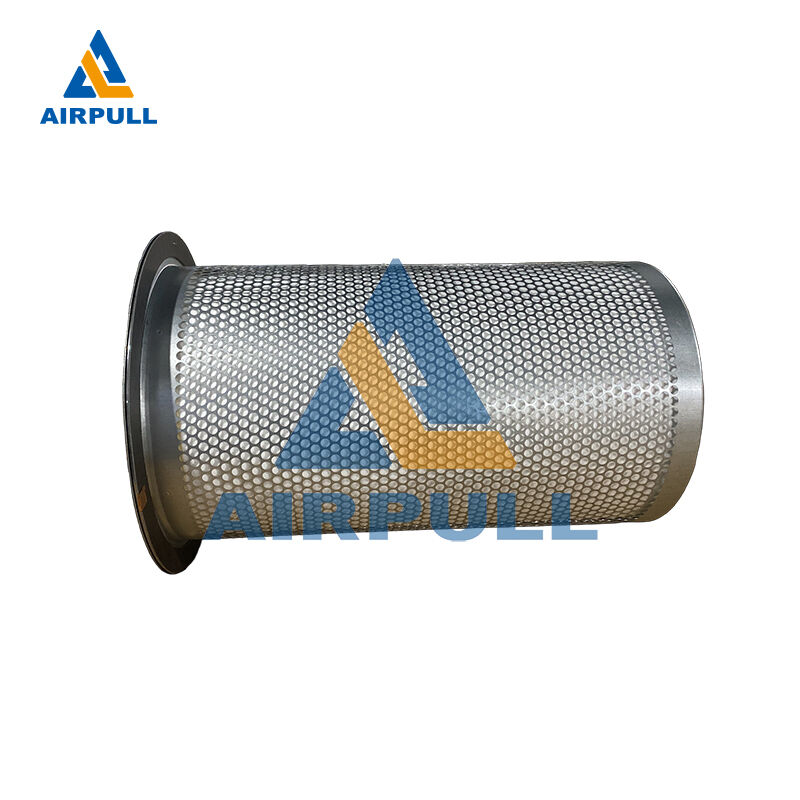
Choosing the right oil mist separator supplier is one of the most consequential procurement decisions a manufacturing or industrial operation can make. The difference between a reliable partner and a substandard one is not simply about price — it translates directly into machine uptime, air quality compliance, maintenance costs, and the long-term performance of your production environment. Whether you operate CNC machining centers, hydraulic systems, compressors, or industrial gearboxes, the quality of your oil mist separator supplier will shape how effectively airborne contaminants are captured and how confidently your facility can meet environmental and occupational health standards.
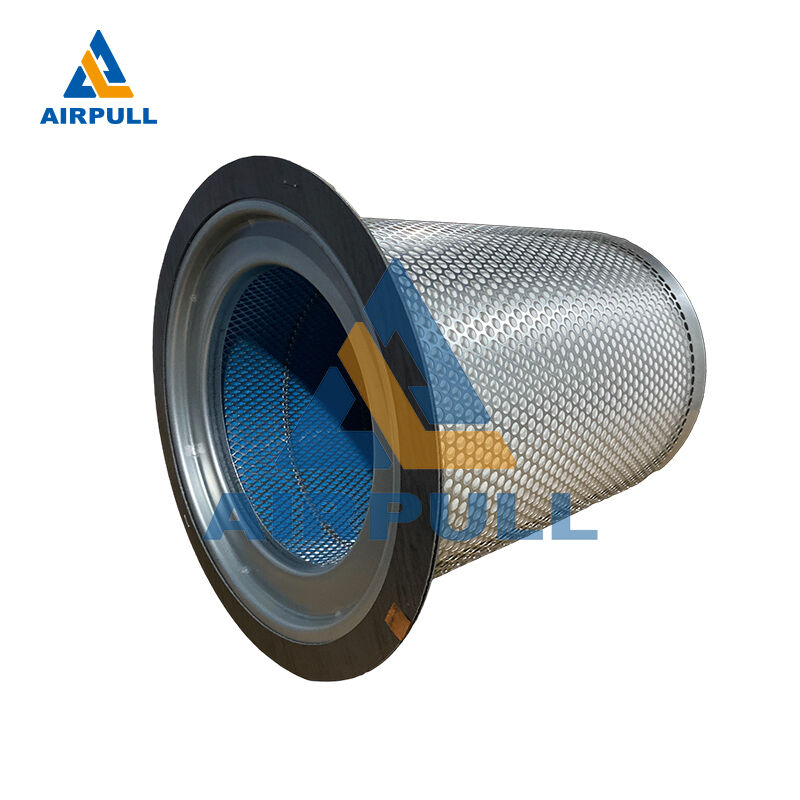
Yet not every oil mist separator supplier delivers the same level of value, and the gap between the best and worst options in the market is far wider than many buyers anticipate. The best suppliers combine engineering expertise, consistent product quality, responsive technical support, and transparent documentation. The worst, by contrast, often compete on price alone while cutting corners on materials, filtration media, and quality control. This article breaks down the key distinctions between strong and weak suppliers, giving procurement managers and engineers the framework they need to make an informed, confident decision.
What Separates a High-Quality Oil Mist Separator Supplier from a Poor One
Filtration Efficiency and Technical Specification Integrity
The most fundamental measure of any oil mist separator supplier is the verified filtration efficiency of their products. A reputable supplier will provide independently tested data showing capture rates across particle size ranges — typically measured in microns — and will be transparent about the test conditions under which those ratings were achieved. This matters because oil mist particles range from submicron aerosols to larger droplets, and a separator that only handles coarse particles will allow fine aerosols to escape into the workspace or exhaust stream.
A poor-quality oil mist separator supplier, on the other hand, often publishes inflated efficiency claims without third-party validation. Their specifications may reference ideal laboratory conditions rather than real-world industrial environments. When you ask for technical data sheets or test reports, a weak supplier either cannot produce them or provides documents that are vague, inconsistent, or formatted in ways that obscure rather than clarify performance. This is one of the clearest early warning signs that you are dealing with a supplier who prioritizes low production cost over actual product integrity.
Leading suppliers invest in filter media that has been engineered specifically for oil mist capture — using multi-stage coalescence technology, high-surface-area fiber structures, or activated carbon post-filters for odor control. They can explain the mechanism behind their design and how it translates to operational benefits for your specific application. When evaluating any oil mist separator supplier, always request application-specific performance data and ask how the product performs under your actual operating temperature, pressure differential, and flow rate conditions.
Material Quality and Component Durability
Beyond filtration media, material quality across all components — housing, seals, drain systems, and mounting interfaces — separates durable products from those that degrade quickly in service. The best oil mist separator supplier uses corrosion-resistant materials appropriate for the lubricants, coolants, and temperatures present in the target application. They source components to consistent standards and maintain documented material specifications that buyers can review and verify.
A substandard oil mist separator supplier often uses lower-grade polymers, thin-gauge metal housings, or generic sealing materials that deteriorate rapidly when exposed to industrial oils or elevated temperatures. What appears to be a cost saving at the point of purchase quickly becomes an expensive liability when seals fail, housings crack, or filter elements collapse prematurely. Maintenance teams end up replacing units far more frequently than planned, and the total cost of ownership far exceeds what a higher-quality supplier would have delivered.
Evaluating Supplier Reliability and Service Capability
Responsiveness and Technical Support Depth
A strong oil mist separator supplier treats technical support as a core part of their value proposition, not an afterthought. Before the sale, they ask the right questions about your application — machine type, oil type, flow rate, ambient conditions, and filtration goals — and use that information to recommend appropriate products. After the sale, they remain accessible when issues arise, offer clear troubleshooting guidance, and can advise on filter change intervals based on real usage data rather than generic schedules.
A weak oil mist separator supplier tends to disappear after the transaction is complete. Their sales team may be responsive during the quoting phase, but post-purchase support is difficult to access, slow to respond, or technically superficial. When maintenance questions arise or a unit underperforms, buyers are left to troubleshoot alone or hire outside consultants to compensate for the supplier's lack of support infrastructure. This hidden cost erodes whatever price advantage the supplier initially offered.
When vetting any oil mist separator supplier, request references from existing customers in similar industries and ask specific questions about their experience with after-sales support. Inquire about lead times for replacement elements, availability of engineering contacts, and whether the supplier offers application reviews for new installations. These questions reveal the depth of a supplier's service culture and their genuine commitment to customer success beyond the initial sale.
Supply Chain Consistency and Delivery Reliability
Consistent product availability is a defining characteristic of a professional oil mist separator supplier. Industrial operations depend on predictable maintenance schedules, and the inability to source replacement filter elements on time can cause significant production disruption. The best suppliers maintain strategic inventory, offer reliable lead time commitments, and communicate proactively when supply constraints arise so that buyers can plan accordingly.
Poor-performing suppliers frequently struggle with stock inconsistency, long and unpredictable lead times, and frequent substitutions of components that do not match original specifications. This is especially problematic in environments where regulatory compliance depends on validated filtration systems — substituting non-equivalent components can void performance certifications and expose businesses to liability. A trustworthy oil mist separator supplier maintains product continuity and gives buyers advance notice of any design changes that may affect compatibility or performance.
Documentation, Compliance, and Traceability Standards
Certification and Regulatory Alignment
Regulatory compliance is a non-negotiable expectation in many industries that rely on oil mist separation, including metalworking, food-grade manufacturing, pharmaceutical production, and power generation. A credible oil mist separator supplier ensures their products meet relevant international standards — such as ISO filtration ratings, CE directives where applicable, or industry-specific requirements — and provides complete documentation to support compliance audits. Certificates of conformance, test reports, and material declarations should be available upon request without delay.
A low-quality oil mist separator supplier may claim compliance without being able to substantiate it with proper documentation. This creates significant risk for buyers who operate in regulated environments, as equipment that fails to meet documented standards during an audit can result in fines, production halts, or forced retrofits. Buyers should always verify that compliance documents reference the specific product model and batch being purchased, not generic or generic-sounding certifications that do not trace back to the actual unit.
Product Traceability and Quality Management Systems
Strong suppliers operate under documented quality management systems — typically aligned with ISO 9001 or equivalent frameworks — that ensure consistent manufacturing processes, incoming material inspection, in-process quality checks, and final product verification. This level of systematic quality control is what gives buyers confidence that the unit they receive in their hundredth order will perform identically to the unit from their first. A dependable oil mist separator supplier can demonstrate batch traceability, meaning that if a quality issue arises, the root cause can be identified and corrected systematically.
By contrast, a poor-quality oil mist separator supplier typically operates without formal quality systems, making product consistency unpredictable. Batch-to-batch variation in filter media density, seal dimensions, or housing tolerances can lead to erratic performance that is difficult to diagnose and even harder to resolve. Buyers who discover this inconsistency after deployment often face the costly process of auditing their installed base and replacing non-conforming units — a situation that could have been avoided entirely with proper supplier due diligence.
Pricing Logic and Total Cost of Ownership Perspective
Understanding the True Cost of a Low-Price Supplier
Price is invariably part of the supplier selection equation, but experienced procurement professionals know that the purchase price of an oil mist separator is only one component of the true cost of ownership. A reputable oil mist separator supplier may offer products at a higher unit price, but that premium reflects better media quality, longer service life, lower pressure drop, and reduced maintenance frequency — all of which contribute to a lower total operational cost over the product's service life.
A low-price oil mist separator supplier frequently creates hidden costs that accumulate rapidly: shorter filter element life requiring more frequent replacements, higher energy consumption due to elevated pressure drop across degraded media, increased maintenance labor, higher risk of unplanned downtime, and potential regulatory penalties from insufficient filtration performance. When these factors are quantified over a 12- or 24-month operational horizon, the initial cost savings from a discount supplier often turn into a significant net loss compared to a quality-focused partner.
Value-Added Offerings That Distinguish Elite Suppliers
The best oil mist separator supplier goes beyond simply selling a product. They offer engineering consultation during the specification phase, provide installation guidance, and offer ongoing monitoring or maintenance advisory services. Some offer customized filtration solutions for non-standard applications where off-the-shelf products would underperform. These value-added capabilities reflect a supplier that understands the operational realities of their customers and is invested in long-term partnership rather than transactional sales.
An average or poor-quality oil mist separator supplier rarely invests in application engineering, customization capability, or technical consultation services. Their catalog is limited, their application knowledge is shallow, and their relationship with the customer ends at the point of delivery. For businesses with complex or high-stakes filtration requirements, this type of supplier relationship creates gaps that must be filled internally — adding burden to already stretched engineering and maintenance teams.
FAQ
What are the most important criteria for evaluating an oil mist separator supplier?
The most critical criteria include verified filtration efficiency with supporting test data, material quality across all components, consistency of supply and lead time reliability, quality management certification, and the depth of technical support offered before and after purchase. A strong oil mist separator supplier should be able to demonstrate all of these attributes with transparent documentation and accessible reference customers.
How do I identify a poor-quality oil mist separator supplier before making a purchase?
Key warning signs include an inability to provide third-party validated performance data, vague or unverifiable compliance certifications, unusually low pricing without a clear explanation, limited or no after-sales technical support, and inconsistent product availability. If a prospective oil mist separator supplier deflects technical questions or cannot produce quality management documentation upon request, these are strong signals to proceed with caution.
Why does it matter which oil mist separator supplier I choose if the product looks similar?
Products that appear similar externally can differ significantly in internal construction, filter media quality, pressure drop characteristics, and actual service life. Choosing the wrong oil mist separator supplier based on appearance or price alone can result in poor air quality in your facility, premature product failure, regulatory non-compliance, and higher total maintenance costs. The internal engineering of a separator determines its real-world performance, and only a supplier with genuine technical capability and quality controls can consistently deliver products that perform as specified.
Can switching oil mist separator suppliers mid-operation cause problems?
Switching to a new oil mist separator supplier requires careful validation to ensure that replacement elements and units are dimensionally and functionally compatible with existing installations. Differences in filter media grade, housing geometry, or flow characteristics can affect system performance even when products are nominally described as equivalent. A professional supplier will support a smooth transition by providing detailed compatibility documentation and, where needed, engineering review of the proposed substitution before installation.
Table of Contents
- What Separates a High-Quality Oil Mist Separator Supplier from a Poor One
- Evaluating Supplier Reliability and Service Capability
- Documentation, Compliance, and Traceability Standards
- Pricing Logic and Total Cost of Ownership Perspective
-
FAQ
- What are the most important criteria for evaluating an oil mist separator supplier?
- How do I identify a poor-quality oil mist separator supplier before making a purchase?
- Why does it matter which oil mist separator supplier I choose if the product looks similar?
- Can switching oil mist separator suppliers mid-operation cause problems?