EN
EN



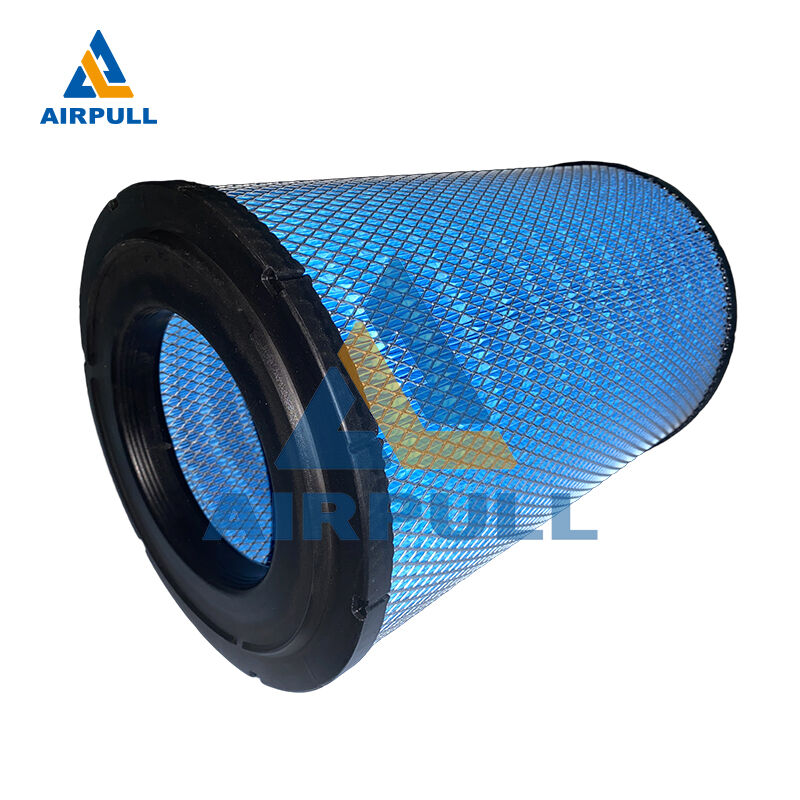
Purchasing a wholesale air filter is one of the most impactful procurement decisions a facility manager, maintenance engineer, or industrial buyer can make. When done correctly, buying in bulk at the right specifications can reduce operational costs significantly, improve equipment longevity, and keep air compressor systems running at peak efficiency. Yet many buyers approach wholesale purchasing reactively — responding to breakdowns rather than planning ahead — and end up overpaying or receiving products that do not perform to the required standard.
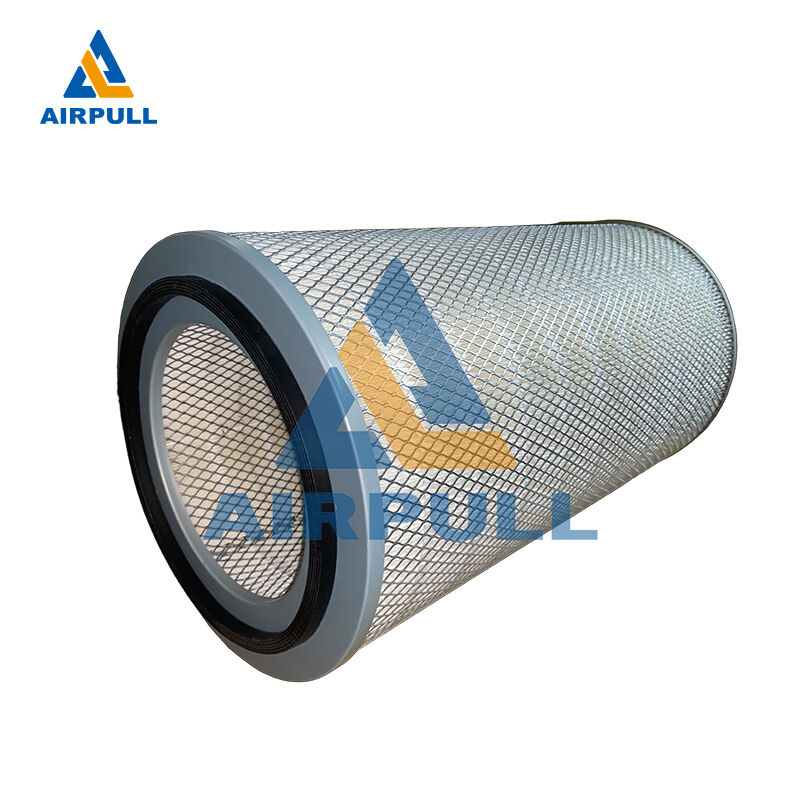
Buying a wholesale air filter smartly means understanding what drives real value in a bulk purchase — from technical specifications and supplier reliability to timing your orders and managing inventory correctly. This article walks through the essential decisions and considerations that industrial buyers must address to make wholesale procurement work in their favor. Whether you are sourcing for a single facility or managing supply chains across multiple plants, the logic presented here applies directly to improving your purchasing outcomes.
Understanding What You Actually Need Before You Buy
Define the Application and Compatibility First
Smart wholesale air filter procurement always starts with a clear technical definition of what the application demands. Before placing any bulk order, buyers must confirm the equipment model, the inlet and outlet dimensions, the required filtration grade, and the operating pressure range. Ordering a wholesale air filter that is technically incompatible — even slightly — can result in air leakage, improper sealing, or early failure, none of which become more acceptable just because they were purchased at volume.
Filter compatibility is not simply about physical dimensions. It also includes the filtration efficiency rating, the type of contaminant being removed — whether particulate, oil aerosol, or moisture — and the rated flow capacity relative to the compressor output. Each of these parameters must be cross-referenced with the original equipment manufacturer specification before committing to a wholesale air filter purchase.
A systematic approach to compatibility reduces the risk of ordering several hundred units only to discover a misalignment after delivery. Build a technical sheet for each equipment type in your facility and map each required filter to it. This document becomes the purchase standard that guides every future wholesale air filter reorder, saving time and protecting against costly procurement errors.
Calculate Real Consumption Volume Before Setting Order Quantities
One of the most common mistakes in wholesale air filter buying is overestimating or underestimating consumption volume. Buying too little means frequent reorders, higher per-unit pricing, and potential downtime when stock runs out unexpectedly. Buying too much ties up capital, risks storage degradation, and creates waste if equipment changes make a particular filter obsolete.
To calculate a sensible wholesale air filter order quantity, start with historical replacement frequency data from your maintenance logs. Multiply average filter life under your operating conditions by the number of active units, then project demand across a realistic planning horizon — typically six to twelve months. Apply a modest buffer for unplanned demand or lead time delays, but resist the temptation to inflate this buffer excessively.
Consumption volume analysis also reveals whether you are dealing with a high-turnover filter type that justifies blanket purchase agreements or a lower-volume specialty filter that should be ordered in smaller, more flexible batches. Both strategies are valid, but they require different supplier relationships and contract structures when buying wholesale air filter quantities at scale.
Evaluating Filtration Performance Without Relying on Price Alone
What Performance Standards Actually Mean in Practice
When sourcing a wholesale air filter for industrial or commercial use, performance specifications carry far more weight than the unit price on the quotation sheet. A filter that fails at sixty percent of its rated service life costs you more in labor, downtime, and replacement frequency than a properly rated unit sold at a higher per-piece price. This is a critical distinction that separates reactive buying from intelligent procurement.
Key performance indicators to evaluate in any wholesale air filter include the ISO 8573 filtration class for air purity, the differential pressure drop under rated flow conditions, the dust-holding capacity, and the tested burst pressure. These are not marketing claims — they should be documented in product datasheets and verifiable through third-party test reports upon request.
Buyers who focus exclusively on cost per unit often discover that lower-grade filters require more frequent replacement intervals, which increases total cost of ownership substantially. A wholesale air filter program built around performance-first selection tends to produce better long-term results than one driven by upfront price minimization alone.
Requesting Samples and Test Documentation Before Bulk Commitment
Any reputable supplier offering a wholesale air filter product at commercial scale should be willing to provide physical samples and technical documentation before a bulk purchase is agreed upon. Requesting samples is not a sign of distrust — it is standard professional practice in industrial procurement and demonstrates that you take performance accountability seriously.
When testing samples, evaluate them under conditions that reflect your actual operating environment rather than ideal laboratory conditions. If your compressors run in high-humidity environments, high-dust areas, or at elevated ambient temperatures, your sample evaluation must account for those conditions. A wholesale air filter that performs adequately in a climate-controlled test space but degrades quickly in your real environment provides no useful procurement data.
Technical documentation to request alongside samples includes the product material safety data sheet, the filtration efficiency test report, dimensional drawings, and compatibility cross-reference data. Having this information on file also supports your internal maintenance and quality audit records, which is increasingly important for facilities operating under ISO 9001 or other quality management frameworks.
Structuring Your Wholesale Purchase for Total Cost Efficiency
Understanding the True Cost Drivers Beyond Unit Price
The unit price of a wholesale air filter is only one component of the total procurement cost. Shipping, import duties, warehousing, quality inspection, and the administrative cost of supplier management all contribute to what you actually spend to have a filter installed and operating in your equipment. Buyers who negotiate hard on unit price while ignoring these ancillary costs often find that their savings evaporate quickly.
Freight costs are particularly significant for bulk wholesale air filter orders because filters, while relatively lightweight individually, occupy considerable cubic volume. Understand your landed cost per unit — that is, the cost including all shipping, customs, and handling — before comparing quotes from multiple suppliers. A cheaper unit price from a distant source may result in a higher landed cost than a slightly more expensive local or regional option.
Warehousing cost is another factor that deserves attention. Holding a large wholesale air filter inventory requires clean, dry storage space, proper inventory management, and regular stock rotation to prevent degradation. Factor these costs into your total cost model so that your bulk order quantity decision reflects economic reality rather than just the appeal of a lower per-unit price at high volume.
Structuring Payment Terms and Delivery Schedules Strategically
Smart wholesale air filter procurement is not just about what you buy — it is also about how the transaction is structured. Payment terms directly affect your working capital position, while delivery schedules influence your inventory levels and storage requirements. Experienced industrial buyers use both levers to optimize financial efficiency alongside operational reliability.
Where possible, negotiate staged deliveries rather than a single large shipment. A phased delivery structure allows you to receive your wholesale air filter supply in regular intervals aligned with your actual consumption rate, reducing the capital tied up in inventory at any given time while still capturing the volume pricing that comes with a committed annual purchase agreement.
Payment terms negotiation should focus on securing terms that align with your cash flow cycle. Net 30 or net 60 terms are standard in B2B industrial purchasing and allow your accounts payable team to manage outflows efficiently. Some suppliers also offer early payment discounts, which can be worth calculating against your own cost of capital to determine whether taking the discount or holding cash is the better financial decision for your organization.
Building a Reliable Supply Relationship for Long-Term Procurement
What Supplier Reliability Looks Like in the Wholesale Air Filter Market
A wholesale air filter purchase is rarely a one-time transaction. Most facilities require ongoing supply across multiple years, meaning the supplier relationship has a compounding effect on procurement outcomes. A supplier who delivers consistently on time, maintains product quality across batches, and communicates proactively about supply chain issues is worth a premium over an unreliable alternative offering a lower quote.
Assess supplier reliability through verifiable indicators: production capacity, years of operation in the industrial filtration segment, quality certification status, and the ability to provide references from comparable industrial customers. For wholesale air filter supply specifically, batch-to-batch consistency is essential — dimensional tolerances and filtration media performance must be stable across every production run, not just the initial sample.
Reliable suppliers also demonstrate transparency in their manufacturing and quality control processes. They should be able to explain their inspection procedures, describe how they handle non-conforming product, and provide documentation that supports traceability from raw material to finished wholesale air filter delivery. This level of transparency is a strong positive indicator when evaluating whether a supplier can be trusted with long-term bulk supply responsibilities.
Setting Up Review Mechanisms to Protect Ongoing Quality
Even after an initial successful wholesale air filter order, it is essential to build ongoing quality review mechanisms into the supply relationship. Quality that is present in the first shipment does not automatically persist in subsequent ones, particularly if market pressures cause a supplier to adjust materials or manufacturing processes without notification.
Establish incoming inspection protocols for each wholesale air filter delivery that includes dimensional checks, visual inspection for media integrity, and spot-testing of differential pressure performance on a sample basis. These checks need not be exhaustive for every unit, but they should be consistent enough to detect systematic quality shifts before they propagate through your maintenance operation.
Schedule periodic supplier review meetings — at least annually — to discuss performance data, upcoming volume forecasts, and any specification changes on either side. This structured communication creates a feedback loop that benefits both parties and protects the long-term integrity of your wholesale air filter supply program.
Avoiding the Most Costly Mistakes in Wholesale Buying
The Risk of Buying on Price Alone in a Technical Product Category
Industrial filtration is a technically demanding product category where quality differences have real, measurable consequences. Treating a wholesale air filter purchase the way one might source a commodity office supply — purely on cost — is one of the most expensive mistakes a procurement team can make. The downstream cost of equipment damage caused by inadequate filtration can dwarf any savings achieved at the purchasing stage.
Low-price wholesale air filter products sourced without technical verification often present problems such as substandard filter media with inconsistent pore structure, housing materials that are not rated for operating pressure or temperature, inadequate sealing that allows bypass of unfiltered air, and dimensional tolerances that result in poor fit within the filter housing. Each of these issues creates a different failure mode, and collectively they represent a serious risk to equipment reliability.
A disciplined approach to wholesale air filter procurement places technical qualification as the primary gate and cost negotiation as a secondary optimization. Once a product meets the technical standard and comes from a supplier who demonstrates delivery reliability, price negotiation has a legitimate and important role. But price should never precede qualification in the decision sequence.
Inventory Mismanagement and Its Impact on Procurement Efficiency
Even the most carefully selected wholesale air filter becomes a liability if inventory is not managed properly. Filters stored in humid, contaminated, or temperature-extreme environments can suffer media degradation, seal deterioration, or dimensional distortion before they ever reach the equipment. The cost of this waste is real and often invisible in procurement reporting because it manifests as maintenance problems rather than purchase errors.
Implement a dedicated storage protocol for your wholesale air filter inventory that specifies acceptable temperature and humidity ranges, requires original packaging to remain intact until point of use, and enforces first-in-first-out rotation to prevent aging stock from accumulating. Label all stored units with the receipt date and rated shelf life so that maintenance teams can identify and rotate stock correctly without relying on informal memory.
Inventory visibility is equally important. Without an accurate real-time count of available wholesale air filter units by type and specification, procurement teams tend to over-order defensively or under-order through oversight. A simple inventory management system — even a well-maintained spreadsheet for smaller operations — eliminates these errors and makes your wholesale buying strategy considerably more effective.
FAQ
What is the minimum order quantity typically expected for a wholesale air filter purchase?
Minimum order quantities for a wholesale air filter purchase vary depending on the supplier and the filter type, but industrial suppliers commonly set minimums in the range of 50 to 500 units per SKU. For specialized compressor filter elements, minimums may be lower because of the higher per-unit value. It is always worth discussing flexible terms with suppliers, particularly if you are establishing a long-term supply relationship, as many manufacturers will accommodate smaller initial orders to facilitate qualification before larger commitments are made.
How do I verify that a wholesale air filter meets the filtration standard required for my compressor?
Verification begins with requesting the supplier's filtration test report, which should reference the relevant ISO 8573 air purity standard and specify the filtration class achieved. Ask for dimensional drawings to confirm compatibility with your housing, and request documentation of the tested differential pressure and dust-holding capacity. If the supplier cannot provide these documents, treat that as a disqualifying factor. For critical applications, independent third-party laboratory testing of a sample batch is the most reliable verification method available.
Can I use a wholesale air filter from a generic supplier instead of an OEM-specified part?
In many cases, yes — provided the replacement wholesale air filter meets or exceeds the original specification in all key parameters including dimensions, filtration efficiency, pressure rating, and media type. The critical step is performing a thorough technical comparison rather than assuming equivalence based on visual similarity alone. Many high-quality aftermarket filter manufacturers produce products that match OEM specifications precisely and offer them at significantly lower wholesale pricing. The key is documentation: ensure the replacement product is supported by test data, not just a compatibility claim.
How often should I renegotiate my wholesale air filter supply agreement?
Annual renegotiation is generally advisable for ongoing wholesale air filter supply agreements. This cadence allows you to incorporate updated consumption forecasts, adjust pricing to reflect current market conditions for raw materials and logistics, and address any quality or delivery performance issues observed during the prior period. If your volume has grown significantly or if you are willing to commit to a longer-term agreement, these factors can be used as leverage to secure improved pricing or priority production scheduling with your supplier.
Table of Contents
- Understanding What You Actually Need Before You Buy
- Evaluating Filtration Performance Without Relying on Price Alone
- Structuring Your Wholesale Purchase for Total Cost Efficiency
- Building a Reliable Supply Relationship for Long-Term Procurement
- Avoiding the Most Costly Mistakes in Wholesale Buying
-
FAQ
- What is the minimum order quantity typically expected for a wholesale air filter purchase?
- How do I verify that a wholesale air filter meets the filtration standard required for my compressor?
- Can I use a wholesale air filter from a generic supplier instead of an OEM-specified part?
- How often should I renegotiate my wholesale air filter supply agreement?