EN
EN



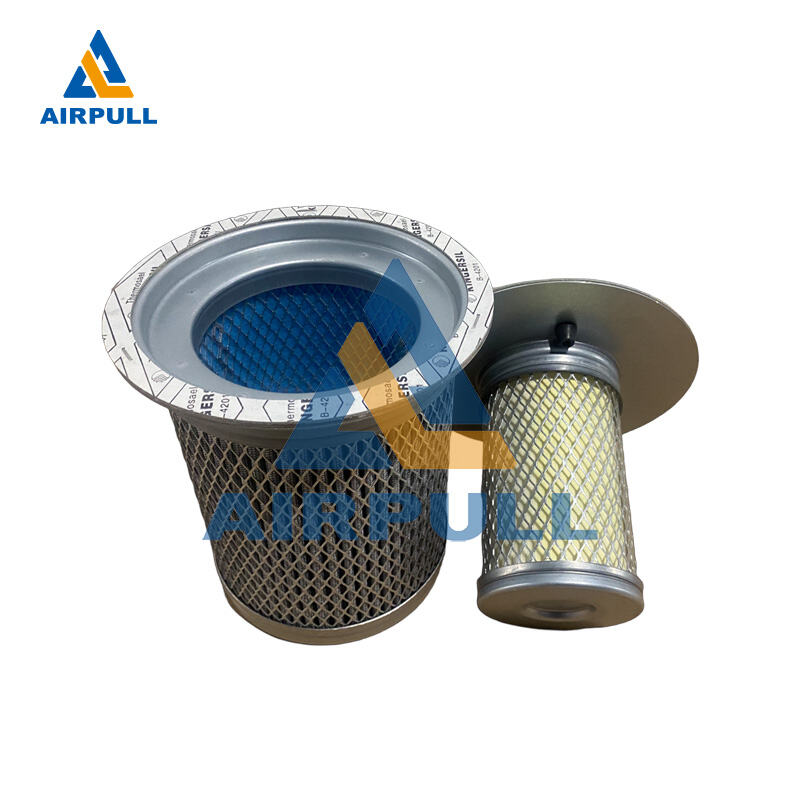
Selecting the right oil separator filter in 2026 is no longer a minor maintenance detail for industrial operators. In compressed air systems, the oil separator filter directly affects air quality, pressure stability, downstream equipment protection, and total operating cost. This review is built for B2B buyers and plant teams that need a practical decision framework, not generic product language. The goal is to identify what makes one oil separator filter truly better than another under real production conditions.
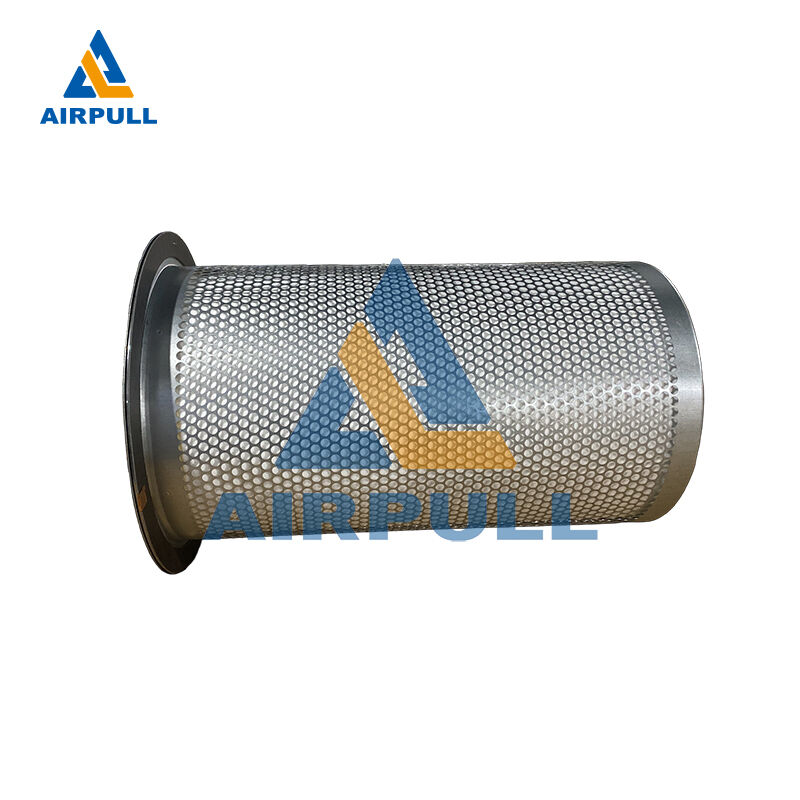
This Best Oil Separator Filter Review 2026 focuses on evaluation logic, operational performance, application fit, and lifecycle value. Instead of ranking brands, it explains how to judge an oil separator filter by measurable outcomes such as differential pressure behavior, separation efficiency consistency, contamination risk, and replacement interval stability. By the end, you will have a clear way to qualify any oil separator filter for your own duty cycle, reliability target, and procurement model.
Review Framework for 2026 Industrial Buying
What defines a best-in-class oil separator filter this year
In 2026, a best-in-class oil separator filter is defined by stable performance over time, not just acceptable startup values. Many units show low initial differential pressure, but only a high-quality oil separator filter maintains that behavior through load swings, ambient changes, and long run hours. The review standard should therefore prioritize pressure trend consistency, oil carryover control, and structural durability under continuous operation. A reliable oil separator filter supports predictable compressor output rather than forcing frequent correction actions.
Industrial teams should examine the media structure and internal sealing quality because these factors determine whether an oil separator filter can sustain fine aerosol capture without early restriction. End-cap bonding, pleat uniformity, and collapse resistance all influence how long the oil separator filter remains within acceptable pressure and purity windows. In multi-shift production, these details become financial variables because airflow instability and contamination events have direct cost impact. The best oil separator filter is the one that protects process continuity month after month.
Core review criteria used by maintenance and reliability teams
A practical review in 2026 starts with baseline operating data before installation, then compares post-install behavior over a defined interval. Teams should track pressure drop curve shape, oil residue downstream indicators, and compressor load response while the oil separator filter ages. This method reveals whether the oil separator filter performs evenly or degrades in spikes that threaten uptime. A single reading never tells the full story in industrial environments.
Compatibility is another critical criterion because an oil separator filter must match separator housing geometry, flow demand, and lubricant profile. Even a technically strong oil separator filter can underperform when fit tolerance is poor or system conditions exceed design assumptions. Procurement and engineering should align on part specification, expected run hours, and contamination tolerance before approval. This integrated review approach gives the oil separator filter a fair and realistic performance judgment.
Performance Findings in Continuous Operation
Pressure behavior and energy implications over service life
Pressure stability is one of the clearest performance indicators in this oil separator filter review. As differential pressure increases, compressors often consume more energy to maintain required output, so the long-term pressure profile of an oil separator filter has direct utility cost implications. A high-performing oil separator filter shows a controlled, gradual rise rather than abrupt jumps. That pattern supports predictable maintenance planning and avoids hidden energy penalties.
In field conditions, pressure behavior is influenced by particulate load, oil condition, and thermal cycling. The best oil separator filter designs handle these stresses by preserving flow channels and minimizing early pore blockage. When pressure remains stable, operators can extend confidence in normal run schedules without risking sudden output constraints. This is why pressure trend quality matters more than isolated initial numbers when choosing an oil separator filter.
Separation consistency and downstream cleanliness control
Separation efficiency should be evaluated as consistency across operating states, not as a single lab claim. A dependable oil separator filter must control oil carryover during startup, steady load, and variable demand cycles to protect dryers, valves, and pneumatic tools. If carryover rises intermittently, downstream contamination can accumulate before alarms trigger corrective action. The best oil separator filter therefore delivers repeatable aerosol capture under realistic duty variations.
Clean downstream air also supports product quality in sensitive processes where oil trace levels can affect finish, coating, or packaging outcomes. In those cases, oil separator filter selection is a process control decision as much as a maintenance decision. Teams reviewing an oil separator filter should connect cleanliness outcomes to scrap risk, rework probability, and customer compliance exposure. This broader lens helps justify investment in a higher-performing oil separator filter when process integrity is critical.
Application Fit Across B2B Operating Environments
Heavy-duty manufacturing and high-load compressor rooms
In high-load facilities, an oil separator filter faces long runtime, elevated thermal stress, and frequent load transitions. The best oil separator filter for this environment is one that combines structural integrity with stable separation under sustained throughput. Maintenance teams should prioritize durable construction features and proven pressure stability over nominal low-cost alternatives. Under heavy use, oil separator filter failure risk is more expensive than a higher initial purchase price.
For plants with tight uptime targets, the oil separator filter should be evaluated alongside maintenance interval strategy. A filter that supports predictable replacement windows helps reduce emergency interventions and avoids production disruption. This predictability is particularly valuable in operations with fixed delivery commitments. In practice, the right oil separator filter becomes part of operational risk management, not just spare-part inventory.
Precision production lines and contamination-sensitive processes
In precision-focused environments, the tolerance for oil carryover is often very low, so oil separator filter quality directly affects compliance and consistency. Here, the best oil separator filter is the one that maintains stable separation even during transients such as startup peaks or rapid demand changes. Reliability teams should validate not only average performance but also edge-condition behavior. This prevents occasional contamination spikes that are hard to trace later.
When process sensitivity is high, documentation and traceability of oil separator filter replacement cycles become equally important. Consistent records allow teams to correlate quality events with filtration status and optimize interval timing. A disciplined approach turns the oil separator filter from a reactive maintenance item into a controlled quality asset. This is a key pattern seen in mature B2B operations in 2026.
Procurement, Cost Control, and Lifecycle Value
Total cost perspective beyond purchase price
A credible 2026 review must evaluate oil separator filter value through total lifecycle cost. The initial unit price is only one component compared with energy impact, maintenance labor, downtime risk, and downstream contamination consequences. A lower-priced oil separator filter can become more expensive when pressure rises quickly or service life is inconsistent. Procurement teams get better outcomes when they compare cost per stable operating hour rather than invoice price alone.
This is why technical and purchasing teams should co-define acceptance criteria for each oil separator filter. Criteria typically include pressure trend limits, expected interval range, and cleanliness expectations under normal load. With shared metrics, supplier discussions become objective and repeatable. Decision quality improves because each oil separator filter is assessed against plant performance goals, not generic assumptions.
Implementation guidance for 2026 buying cycles
For current buying cycles, many teams begin with a controlled trial of a qualified oil separator filter and compare outcomes to existing baseline data. This approach works best when run hours, load profile, and lubricant condition are documented consistently. Trial design should include mid-interval checks and end-of-interval inspection to understand degradation pattern. A disciplined pilot gives procurement confidence without exposing production to unmanaged risk.
After pilot validation, standardization is often the next step for multi-line operations. Standardizing the oil separator filter specification where operating conditions are similar reduces planning complexity and improves spare management. At the same time, facilities should keep exception rules for unique duty cycles where a different oil separator filter may be technically justified. This balanced model supports control, flexibility, and measurable performance gains.
FAQ
How often should an oil separator filter be replaced in 2026 industrial settings?
Replacement interval depends on load profile, oil condition, ambient contamination, and compressor duty cycle. Most teams should use trend-based triggers such as differential pressure behavior and carryover indicators instead of fixed calendar-only replacement. A stable oil separator filter in clean, controlled conditions can run longer than one in dusty or high-heat environments. The best practice is to define an expected interval band and adjust using real operating data.
Can one oil separator filter specification fit every compressor application?
One specification rarely fits every condition because flow demand, thermal stress, and cleanliness requirements vary across plants. An oil separator filter that performs well in a moderate-duty line may not hold the same profile in a heavy-load compressor room. Fit should be validated by housing compatibility, pressure trend behavior, and downstream air quality needs. Selection quality improves when the oil separator filter is matched to application reality rather than treated as a universal part.
What is the most important KPI in an oil separator filter review?
There is no single KPI that stands alone, but differential pressure trend over service life is often the strongest leading indicator. It connects directly to energy use, airflow stability, and maintenance predictability. That KPI should be read together with oil carryover behavior to confirm the oil separator filter is balancing flow and separation correctly. A good review uses both metrics to judge real operational value.
Is a higher-priced oil separator filter always the better option?
Not always, but a higher price can be justified when the oil separator filter delivers better lifecycle economics. If pressure remains stable longer, contamination risk drops, and replacement planning becomes predictable, total cost can improve even with a higher purchase price. The right decision comes from measured field performance and cost-per-hour analysis, not price alone. In 2026 procurement practice, the best oil separator filter is the one with the strongest validated operating outcome.