EN
EN




Choosing the right air oil separator filter element is one of the most important decisions in rotary screw compressor maintenance, because separator quality directly affects oil carryover, pressure stability, and downstream air cleanliness. This review is built for industrial buyers who need practical, decision-ready insight rather than marketing language. The focus is how an air oil separator filter element performs under real duty cycles, including continuous production, variable load operation, and frequent start-stop schedules. In short, the best option is the one that protects compressor efficiency while keeping total maintenance cost predictable over time.
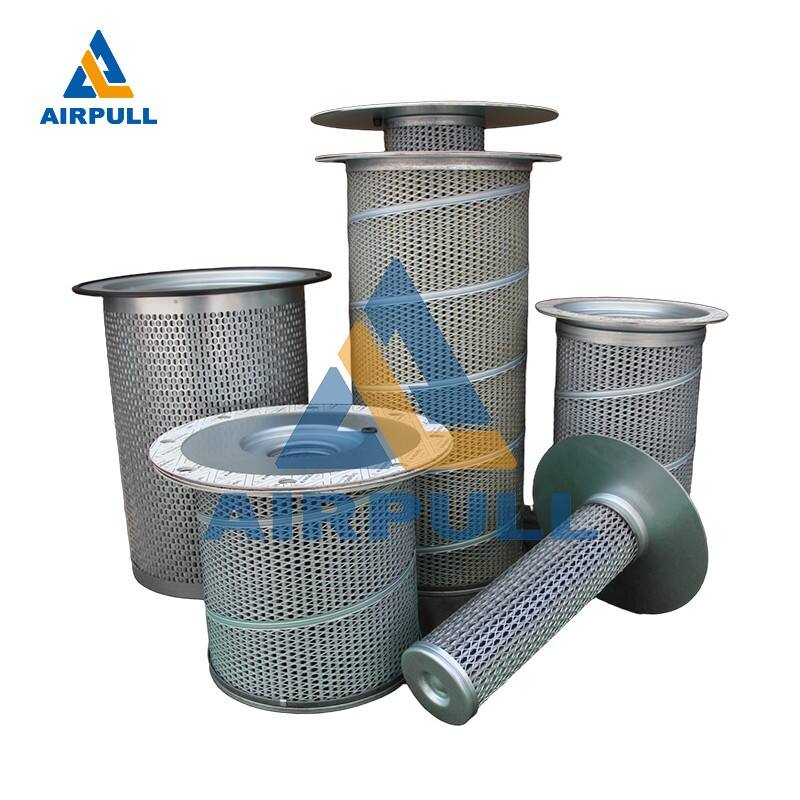
In this review, the air oil separator filter element is assessed through build quality, filtration behavior, pressure drop control, service-life consistency, and installation practicality. A strong air oil separator filter element should not only separate oil mist effectively but also remain stable as operating hours accumulate. Industrial teams also need confidence that each air oil separator filter element replacement aligns with maintenance planning and avoids unplanned compressor downtime. That is the lens used throughout this best air oil separator element review.
Review Scope and Evaluation Context
Industrial review criteria used in this assessment
To determine what makes a leading air oil separator filter element, the review prioritizes metrics that matter in production environments. These include initial pressure differential, oil carryover trend over runtime, thermal resistance, and sealing reliability at normal and elevated compressor temperatures. Any air oil separator filter element that performs well only at startup but degrades rapidly under heat and cycling cannot be considered a top choice for industrial duty.
This review also examines consistency between replacement cycles, because repeatability is critical in B2B operations. A high-quality air oil separator filter element should show predictable behavior from one maintenance interval to the next, allowing planners to schedule shutdowns with confidence. When variability is high, teams face either premature replacement cost or late replacement risk, both of which harm lifecycle economics.
Operating conditions that influence separator outcomes
Compressor room conditions strongly shape how any air oil separator filter element behaves in service. Ambient dust load, intake filtration quality, lubricant condition, and operating temperature all influence separator stress and oil mist capture efficiency. Even a well-designed air oil separator filter element can lose expected service life if upstream contamination is uncontrolled or if oil oxidation is already advanced.
Load profile matters as much as environment. In steady full-load applications, an air oil separator filter element is exposed to continuous flow and heat, while in intermittent duty it must tolerate repeated pressure transitions. The best-performing air oil separator filter element is the one that remains stable across both scenarios, with no sharp pressure rise and no abrupt increase in oil carryover before planned replacement time.
Build Quality Findings from the Review
Filter media structure and separation stability
A top-tier air oil separator filter element usually demonstrates controlled fiber structure and uniform media density, which helps keep separation performance stable as operating hours increase. In practical terms, this means less drift in oil carryover and less risk of downstream contamination in tools, valves, and process air lines. The review indicates that media consistency is one of the strongest predictors of whether an air oil separator filter element maintains efficiency throughout its service window.
Another key point is resistance to oil saturation behavior over long runs. The best air oil separator filter element does not exhibit early flooding characteristics and avoids unstable drainage behavior that can increase carryover. When media saturation is managed correctly, the air oil separator filter element continues to separate fine oil mist without causing unnecessary restriction in the compressor package.
Seal integrity and mechanical durability
Seal design is often overlooked during procurement, yet it can determine whether an air oil separator filter element performs as expected or leaks internally under pressure. Reliable seals maintain contact integrity under thermal expansion and vibration, preventing bypass paths that reduce effective separation. In this review framework, strong seal stability is a non-negotiable quality factor for any air oil separator filter element classified as best in class.
Mechanical durability also affects replacement safety and post-install reliability. A robust air oil separator filter element should resist handling damage during installation and remain structurally stable during long operation. Distortion, seam weakness, or inconsistent end-cap fit can compromise filtration behavior, so durability indicators are weighted heavily in this best air oil separator element review.
Performance Under Real Compressor Duty Cycles
Pressure differential trend across service hours
From an operational cost perspective, pressure behavior is central to air compressor efficiency. A high-performing air oil separator filter element starts with an acceptable pressure differential and rises gradually in a predictable curve rather than spiking unexpectedly. This progression allows maintenance teams to change the air oil separator filter element based on measured condition, not guesswork.
When pressure rise is erratic, compressors consume more energy and experience unstable loading patterns. The review standard therefore favors any air oil separator filter element that balances fine separation with controlled flow resistance. That balance is what reduces hidden electricity penalties while still protecting downstream equipment from oil aerosol contamination.
Oil carryover control and air quality impact
Oil carryover is where separator quality becomes visible to plant operators. A dependable air oil separator filter element keeps carryover low and stable during most of the maintenance interval, helping maintain cleaner compressed air and reducing secondary fouling in pipelines and pneumatic devices. As carryover climbs, operational side effects appear quickly, including sticky valve behavior and increased line maintenance.
In this review model, the best air oil separator filter element is not defined by one-time lab claims but by sustained field behavior under normal industrial variation. Consistent carryover control means less oil make-up consumption, lower cleanup burden, and more confidence that compressed air quality remains within process expectations. This is a direct business value point, not just a technical detail.
Service Life, Maintenance Rhythm, and Cost Logic
Replacement interval predictability
A strong air oil separator filter element contributes to planned maintenance discipline by delivering repeatable service life under stable operating conditions. Predictability helps procurement and maintenance teams coordinate shutdown windows, inventory levels, and labor allocation. If air oil separator filter element life is inconsistent, plants either overstock parts or risk urgent orders and production disruptions.
This review places high value on lifecycle steadiness rather than chasing maximum runtime at all costs. Extending air oil separator filter element use beyond safe limits usually increases pressure drop and carryover, which can cost more in energy and contamination than the saved part expense. The best decision is a replacement rhythm aligned with performance trend data and operating context.
Installation fit and maintenance practicality
Even a technically capable air oil separator filter element can underperform if installation fit is inconsistent. Reliable dimensions, proper gasket seating, and clear installation handling reduce risk during maintenance execution. In industrial settings with tight service windows, an air oil separator filter element that installs cleanly and consistently supports faster turnaround and fewer restart issues.
Maintenance practicality also includes inspection clarity and post-install verification. Teams should be able to monitor pressure behavior and oil carryover after each air oil separator filter element change to confirm expected performance. This closes the loop between part selection and operating outcome, turning routine replacement into a controlled reliability process.
Decision Guidance Based on This Best Element Review
How to judge whether a separator is the right choice
The best air oil separator filter element for one facility may not be ideal for another unless operating profile, temperature pattern, and contamination exposure are matched correctly. Decision quality improves when buyers evaluate the air oil separator filter element against real duty conditions instead of relying only on nominal compatibility. A review-driven selection process should connect technical specification with actual maintenance and energy objectives.
In practice, a reliable air oil separator filter element decision starts with baseline operating data and ends with post-install performance tracking. This method confirms whether expected pressure and carryover behavior are achieved in your system. Over time, this evidence-based approach reduces replacement uncertainty and improves the total value of every air oil separator filter element purchase.
Common buying errors this review helps avoid
A frequent mistake is focusing only on initial part price while ignoring pressure-loss impact and downstream oil contamination cost. The lowest-cost air oil separator filter element can become the most expensive option when energy and maintenance side effects are included. This review approach corrects that by weighing full operating consequences, not just invoice price.
Another error is treating all replacements as equivalent without validating performance trend after installation. Every air oil separator filter element should be reviewed through pressure and carryover monitoring to ensure expected behavior in your compressor environment. That discipline is what separates routine purchasing from strategic reliability management in B2B operations.
FAQ
What defines the best air oil separator filter element in industrial use?
The best air oil separator filter element is defined by stable oil carryover control, predictable pressure differential growth, reliable sealing, and consistent service life under your actual operating conditions. Industrial value comes from repeatable performance across maintenance cycles, not from isolated test claims.
How often should an air oil separator filter element be replaced?
Replacement timing depends on load profile, environment, lubricant condition, and pressure trend. A good practice is to track operating hours together with differential pressure and carryover behavior, then replace the air oil separator filter element at a planned point before efficiency loss and contamination risk accelerate.
Can a poor air oil separator filter element increase compressor energy cost?
Yes. When an air oil separator filter element causes excessive or unstable pressure drop, the compressor must work harder to maintain output, which raises electricity consumption. That added energy cost often outweighs any short-term savings from choosing a lower-grade separator.
Why is post-install monitoring important after changing the separator?
Post-install monitoring confirms that the air oil separator filter element is seated correctly and performing as expected in real plant conditions. Reviewing pressure behavior and carryover after replacement helps detect fit or performance issues early and supports a more reliable long-term maintenance strategy.