EN
EN



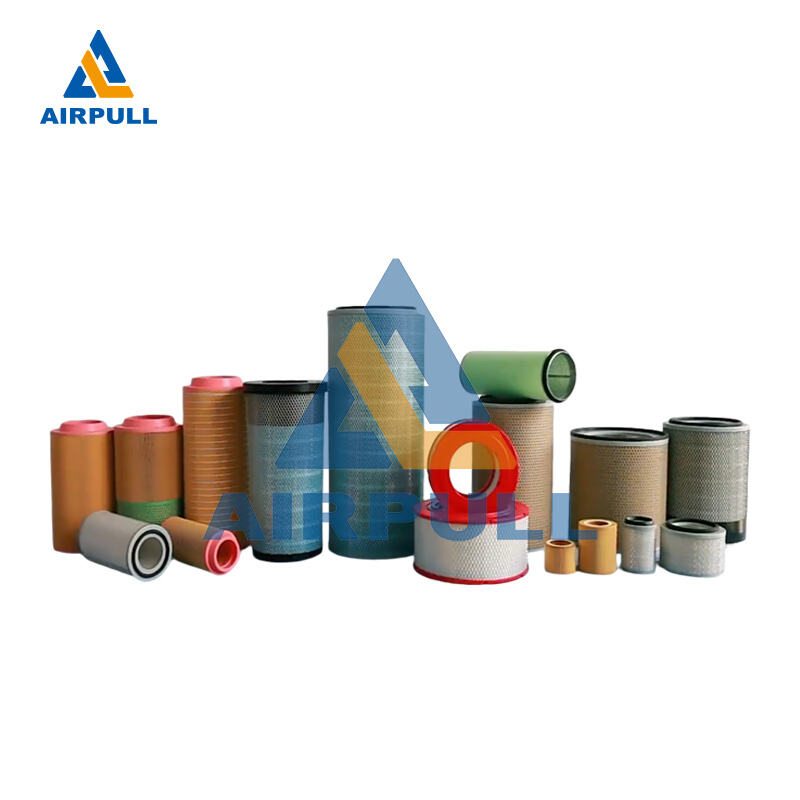
Choosing the best component for compressed air systems is less about marketing language and more about measurable separation quality, pressure stability, and lifecycle cost. In this review, the focus is the industrial air oil separator filter as a performance-critical part that directly affects air purity, lubricant carryover, and compressor efficiency. A strong industrial air oil separator filter can reduce downstream contamination risk while helping maintenance teams keep service intervals predictable. For B2B buyers and plant engineers, the right decision comes from technical fit, not a generic "best" claim.
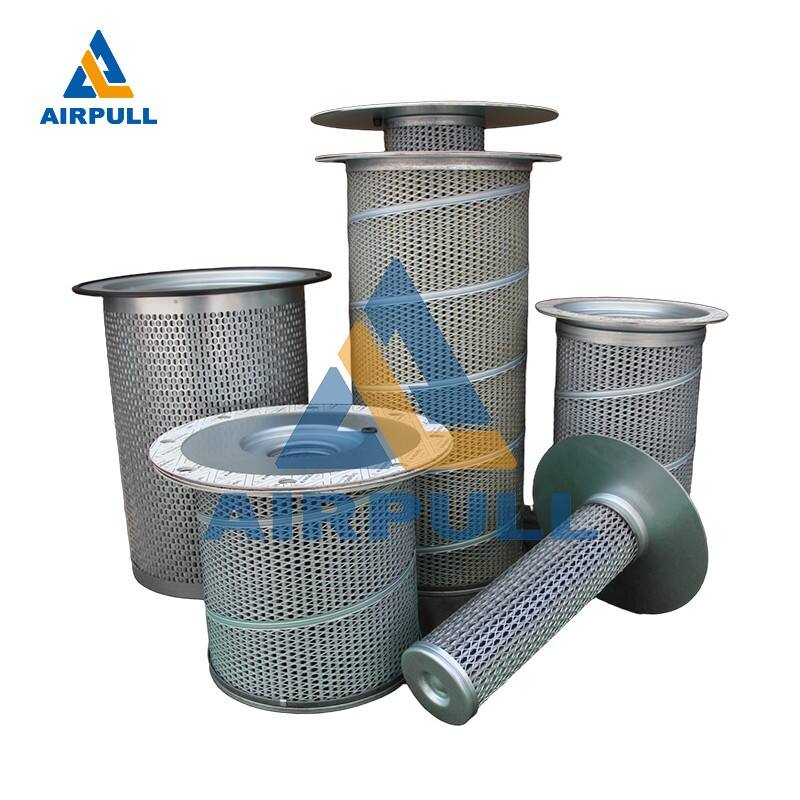
This review explains what separates a high-performing industrial air oil separator filter from an average one under real production conditions. Instead of comparing brand names, it evaluates design consistency, pressure-drop behavior, durability under thermal cycling, and practical replacement economics. The goal is to help operations, procurement, and maintenance teams identify the industrial air oil separator filter specification that supports stable output and lower total operating cost. The conclusion is straightforward: the best option is the one that sustains clean air delivery and controlled differential pressure across your true duty cycle.
Review Scope and Evaluation Standard
How this review defines "best" in industrial service
In industrial environments, "best" means repeatable outcomes over long operating hours, not one-time performance in ideal settings. A reliable industrial air oil separator filter should maintain separation efficiency while resisting fiber collapse, adhesive failure, and seal degradation. It should also support consistent pressure behavior so compressor loading does not drift as quickly over time. This review therefore rates value through stability, not short-term peak performance.
The industrial air oil separator filter is reviewed through the lens of plant-level impact, including air quality compliance, oil consumption control, and service planning confidence. A component that performs well only at low load is not considered top tier for real production. Equally, a unit with acceptable filtration but unstable pressure drop can increase energy cost and offset any purchase savings. The best result is balanced performance across cleanliness, durability, and operating efficiency.
Key indicators that matter to buyers and maintenance teams
Three indicators carry the most weight in this industrial air oil separator filter review: oil carryover consistency, differential pressure progression, and useful service life under variable load. Oil carryover consistency determines downstream cleanliness and protects pneumatic tools, valves, and process equipment. Differential pressure progression reveals how fast resistance builds as media loads, which influences compressor power demand. Useful service life determines labor frequency, shutdown impact, and spare inventory pressure.
A serious evaluation of an industrial air oil separator filter also checks how the element behaves during startup surges and repeated temperature swings. Industrial duty is rarely static, and element integrity under cycling conditions is often where lower-grade parts fail first. When these indicators are tracked together, buyers can separate truly dependable options from products that look similar on paper. This is the core standard used throughout this review.
Filtration Performance Under Industrial Duty
Separation efficiency and oil carryover control
The primary function of an industrial air oil separator filter is to remove entrained oil mist from compressed air before it reaches downstream systems. High separation efficiency helps prevent residue buildup in pipelines, dryers, and end-use equipment where contamination can trigger quality issues or unplanned cleaning. In production environments with strict cleanliness requirements, this is not optional performance but baseline reliability. A high-quality industrial air oil separator filter keeps carryover low and stable rather than fluctuating across shifts.
Consistency is as important as peak efficiency because plant operations depend on predictable output. An industrial air oil separator filter that starts strong but degrades quickly creates hidden cost through rework, excess lubrication loss, and downstream fouling. Good media structure and precise internal flow control improve droplet coalescence and drainage behavior. That is why the best review outcome favors sustained performance across the full maintenance window.
Pressure drop behavior and compressor energy implications
Pressure drop is often underestimated during purchasing, yet it directly affects compressor workload and electricity use. A well-designed industrial air oil separator filter starts with controlled initial differential pressure and increases gradually rather than sharply under contamination loading. This protects efficiency and helps avoid premature element replacement triggered by rapid pressure rise. For facilities running continuous duty, even small pressure differences can compound into material energy cost changes.
The industrial air oil separator filter should therefore be reviewed as an energy-influencing component, not only a consumable. Stable media permeability and uniform pleat geometry support smoother airflow and reduce localized restriction. When pressure behavior remains predictable, teams can align service intervals with production planning instead of reacting to sudden performance drops. In this review framework, pressure stability is a defining quality of top-performing options.
Reliability, Service Life, and Maintenance Economics
Structural durability in thermal and load cycling
Industrial compressors face startup spikes, load transitions, and ambient temperature variation, all of which stress separator elements. A dependable industrial air oil separator filter needs strong bonding, resilient seals, and media support that resists deformation under pulsation. Weak internal construction may not fail immediately, but gradual distortion can reduce separation performance and accelerate pressure growth. Long-term reliability depends on materials and manufacturing control more than appearance.
When evaluating an industrial air oil separator filter, engineers should look at evidence of stable operation across repeated operating cycles. Elements that tolerate thermal expansion and contraction without seal leakage help preserve both efficiency and safety margins. Durability also protects maintenance planning because unexpected failures are far more expensive than scheduled replacement. In review terms, structural consistency is a core reason one option ranks above another.
Service interval predictability and total cost impact
A practical review must consider how predictable the service interval is, since labor coordination and downtime planning affect plant economics. The best industrial air oil separator filter does not simply last long in ideal tests; it delivers usable life consistency in real contamination and load conditions. Predictability allows teams to group maintenance tasks, reduce emergency callouts, and avoid costly production interruptions. This creates value that is often larger than the unit-price difference between parts.
Total cost evaluation of an industrial air oil separator filter should combine purchase price, energy influence, lubricant loss, labor time, and disposal frequency. A lower-cost element that drives earlier replacement and higher pressure drop can become the more expensive choice over one operating year. In contrast, stable performance supports budget accuracy and procurement confidence. This is why the review emphasizes lifecycle economics rather than upfront price alone.
Application Fit Across Compressor Operating Profiles
Continuous production lines and high-duty environments
For facilities running around the clock, the industrial air oil separator filter must hold separation quality under sustained thermal load and long runtime blocks. Continuous-duty operations expose weaknesses in media stability and drainage efficiency faster than intermittent systems. The best-fit element in this context is one with balanced airflow resistance and reliable coalescing behavior across the full shift cycle. Selection should prioritize operational steadiness over nominal catalog claims.
In high-duty plants, a proven industrial air oil separator filter can reduce variation in compressor behavior, helping teams keep output and utility planning stable. It also lowers the risk of oil contamination reaching critical downstream processes where clean compressed air is linked to product quality. Reliability under continuous operation is therefore a central evaluation lens in this review. Performance consistency under stress is what distinguishes truly suitable choices.
Variable-load plants and mixed process schedules
Many industrial sites operate with fluctuating demand, frequent unloading, and process-driven airflow changes. In this setting, the industrial air oil separator filter should tolerate transient conditions without sharp carryover swings or rapid pressure instability. Elements that perform only under steady-state assumptions often underdeliver when demand changes quickly throughout the day. A better design maintains control during both peak and partial load phases.
For mixed schedules, maintenance teams benefit from an industrial air oil separator filter that responds predictably across variable conditions and still supports planned replacement windows. This reduces uncertainty in spare planning and avoids over-maintaining equipment out of caution. A practical example to review for compatibility is industrial air oil separator filter configurations designed for compressor operating stability. The core objective remains the same: dependable performance through real operating variability.
Final Verdict for Procurement and Maintenance Teams
What this review concludes as the best choice logic
The best result in this Best Industrial Air Oil Separator Review is not a universal one-size-fits-all product, but a clear selection logic grounded in duty profile and lifecycle behavior. The winning industrial air oil separator filter is the one that keeps oil carryover controlled, pressure rise gradual, and service intervals predictable in your specific environment. That combination protects production quality and minimizes hidden operating costs. In procurement terms, this is a risk-reduction decision as much as a filtration decision.
A strong industrial air oil separator filter should be validated through operating data, maintenance history, and compatibility with compressor conditions rather than single-point claims. Teams that evaluate on these criteria typically see fewer unexpected interventions and better compressed-air reliability. The review outcome is clear: sustained, balanced performance defines "best" in industrial practice. Short-term savings without performance stability rarely remain savings over time.
How to apply the review in real purchasing cycles
Use this review framework by mapping candidate industrial air oil separator filter options against your runtime profile, contamination exposure, and maintenance capacity. Then compare expected pressure behavior and service predictability, not only initial price. This approach helps align engineering requirements with procurement decisions and reduces disagreement between departments after installation. It also improves forecast accuracy for spare parts and labor planning.
When the industrial air oil separator filter is treated as a strategic reliability component, plants usually gain cleaner downstream air, steadier compressor performance, and fewer avoidable disruptions. The best choice is the one that supports your process outcomes over repeated cycles, month after month. That is the practical meaning of "best" under industrial operating reality. This is the final position of the review.
FAQ
How often should an industrial air oil separator filter be replaced in B2B plants?
Replacement frequency depends on operating hours, contamination level, load profile, and compressor condition. A typical industrial air oil separator filter may run for a broad service window, but the correct interval should be set by differential pressure trend and air quality results rather than calendar estimates alone. Plants with high particulate exposure or frequent cycling may require earlier replacement. Trend-based maintenance gives better reliability than fixed assumptions.
Can one industrial air oil separator filter specification fit every compressor application?
Not in most industrial settings, because duty cycles and process sensitivity vary widely across facilities. An industrial air oil separator filter that performs well in continuous heavy load may not be optimal for highly variable schedules with frequent transitions. Fit should be judged through compatibility with operating temperature, pressure behavior, and expected service stability. Application context is essential to selection quality.
What is the most important KPI to monitor after installation?
The most practical leading KPI is differential pressure trend across the industrial air oil separator filter, tracked together with signs of oil carryover downstream. Pressure trend reveals how quickly flow resistance is changing and helps predict replacement timing before performance loss becomes operationally significant. Pairing this with air cleanliness checks provides a balanced view of element health. Monitoring both metrics supports cost control and reliability.
Does a higher purchase price always mean a better industrial air oil separator filter?
Higher price alone does not guarantee better lifecycle value. The better industrial air oil separator filter is the one that delivers stable separation, manageable pressure growth, and predictable service life in your actual operating conditions. Some options justify higher cost through lower energy impact and fewer maintenance disruptions, while others do not. Performance evidence in real duty remains the deciding factor.
Table of Contents
- Review Scope and Evaluation Standard
- Filtration Performance Under Industrial Duty
- Reliability, Service Life, and Maintenance Economics
- Application Fit Across Compressor Operating Profiles
- Final Verdict for Procurement and Maintenance Teams
-
FAQ
- How often should an industrial air oil separator filter be replaced in B2B plants?
- Can one industrial air oil separator filter specification fit every compressor application?
- What is the most important KPI to monitor after installation?
- Does a higher purchase price always mean a better industrial air oil separator filter?