EN
EN


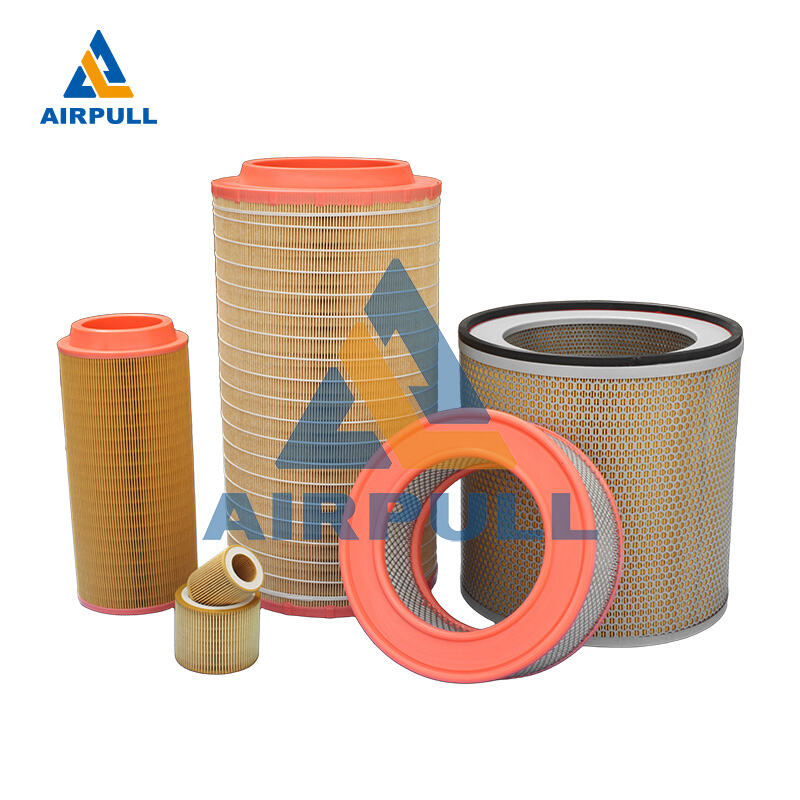
Selecting the right filter air cartridge in 2026 is less about marketing labels and more about measurable operating results. In industrial environments, the best filter air cartridge is the one that protects downstream equipment, keeps pressure drop stable, and maintains predictable service life under real dust and moisture conditions. This review focuses on how B2B buyers should evaluate a filter air cartridge for compressor systems and pneumatic lines where contamination directly affects uptime. Instead of broad claims, the discussion below uses practical decision criteria that procurement teams, plant engineers, and maintenance managers can apply immediately.
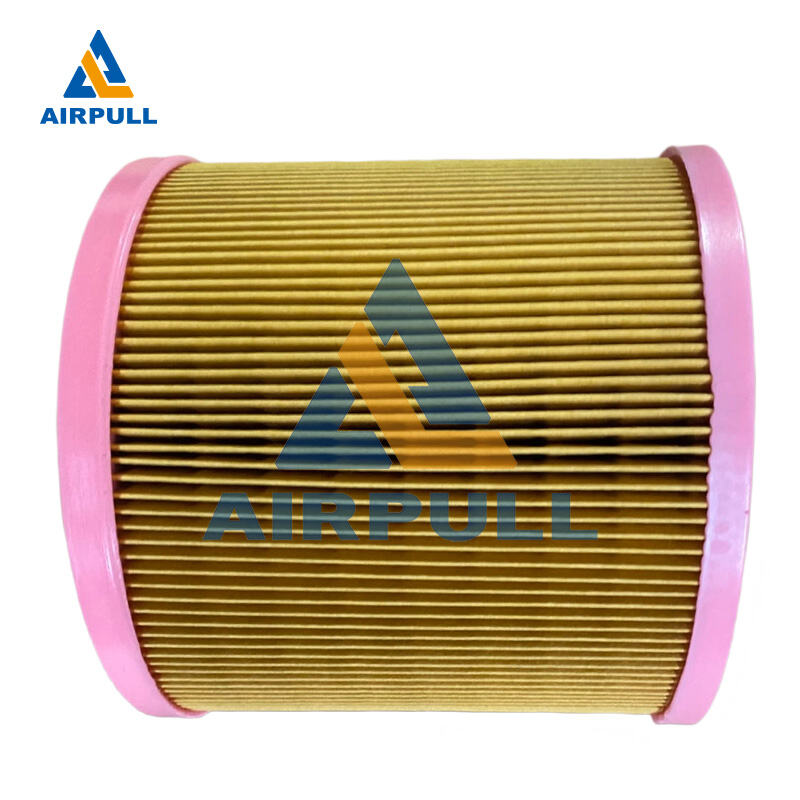
A strong filter air cartridge review in 2026 must also account for total lifecycle impact, not only initial purchase cost. A low-price filter air cartridge can become expensive when it causes frequent shutdowns, unstable pressure, or accelerated wear in valves, cylinders, and tooling. The best filter air cartridge choice is usually the one with balanced media efficiency, structural durability, and reliable supply consistency. This article breaks that evaluation into performance, cost, and application-fit lenses so your team can make a confident purchasing decision.
What Defines a High-Value Filter Air Cartridge in 2026
Media structure and particulate capture stability
The first sign of a high-quality filter air cartridge is media consistency across production batches. Uniform fiber distribution helps the filter air cartridge trap fine particles without creating sharp pressure spikes during normal operation. In practice, this means air quality remains stable longer, which reduces contamination risk for sensitive pneumatic components. When reviewing any filter air cartridge, request technical data that shows retention behavior over time rather than only an initial filtration snapshot.
A second factor is how the filter air cartridge behaves as dust loading increases. Some designs perform well at installation but lose effectiveness quickly as particle accumulation changes the internal flow path. A dependable filter air cartridge maintains balanced capture and airflow so maintenance teams can plan replacement windows with fewer surprises. For B2B operations, predictability is often more valuable than an aggressive but short-lived performance peak.
Mechanical integrity under industrial duty cycles
The best filter air cartridge in 2026 must also hold structural integrity under vibration, pulsing pressure, and temperature variation. End caps, core support, and seal geometry all influence whether a filter air cartridge keeps tight fitment through extended runtime. If the structure deforms, bypass risk rises and the system may receive unfiltered air even when the element appears intact. That hidden failure mode is a major reason technical buyers now inspect construction details more carefully.
Mechanical integrity also affects installation repeatability across service teams. A well-built filter air cartridge seats correctly with less variation, reducing installation errors during fast maintenance shifts. Over a full year, this consistency helps standardize service outcomes across multiple lines or sites. In short, mechanical reliability is not separate from filtration quality; for a filter air cartridge, it is part of filtration quality.
Performance Review Across Industrial Operating Conditions
Dust loading behavior and pressure drop control
In real facilities, a filter air cartridge is exposed to fluctuating particle concentration, not lab-clean inlet conditions. The strongest options show controlled pressure drop growth as contaminant load rises, which protects compressor energy efficiency. When pressure rises too fast, power consumption increases and throughput can decline, turning the filter air cartridge into a cost center. A proper review should therefore track differential pressure trend curves, not just nominal filtration ratings.
For procurement teams, this metric directly connects to operating budget. A filter air cartridge with slower pressure increase may justify a higher unit price because it reduces energy penalty during its service cycle. Over time, the better filter air cartridge often lowers cost per operating hour while stabilizing line performance. This is especially important in plants running continuous shifts where small efficiency losses compound quickly.
Humidity, oil mist, and thermal variation tolerance
Many industrial systems face mixed contaminants, so the best filter air cartridge must perform beyond dry dust scenarios. High humidity can alter media behavior, and intermittent oil aerosols can increase resistance if the filter air cartridge is not designed for mixed exposure. Thermal cycling adds another stress layer by expanding and contracting materials around seals and support structures. A solid review checks whether the filter air cartridge maintains function across these combined conditions.
Buyers should also look at restart behavior after short shutdown periods. Some filter air cartridge designs recover airflow smoothly, while others show unstable resistance after moisture interaction. Those differences matter for facilities with frequent start-stop operations or seasonally changing climate control. To evaluate practical options, teams often begin with specification matching and then review supplier documentation such as this filter air cartridge reference.
Lifecycle Cost and Maintenance Reality
Service interval reliability and downtime impact
A filter air cartridge should be evaluated by how reliably it reaches planned replacement intervals. Unexpected early saturation forces emergency stops, and emergency stops usually cost more than the element itself. The best filter air cartridge for B2B use provides stable performance that aligns with maintenance scheduling, allowing teams to combine replacement with other planned tasks. This reduces labor disruption and improves overall asset availability.
Interval reliability also supports spare parts planning. When a filter air cartridge has predictable life in your actual environment, inventory levels can be set more accurately and rush procurement decreases. Plants then avoid both stockout risk and overstock carrying cost. In this sense, consistency of a filter air cartridge supports finance, operations, and maintenance at the same time.
Total cost of ownership instead of unit price focus
A common mistake in 2026 buying cycles is selecting a filter air cartridge based only on invoice price. Real total cost includes energy effect from pressure drop, labor for replacement frequency, and potential quality losses caused by unstable air cleanliness. A slightly higher-grade filter air cartridge may reduce hidden costs enough to produce better annual economics. Decision makers should compare expected operating hours, replacement frequency, and downtime exposure side by side.
Another cost element is variability risk between batches. If one filter air cartridge batch performs differently from the next, maintenance planning becomes uncertain and site-level KPIs become harder to control. Strong suppliers reduce this risk through quality controls and traceable production records for each filter air cartridge run. For industrial buyers, stable repeatability is often the clearest sign of long-term value.
Application Fit by B2B Scenario
Continuous production lines with strict uptime targets
In continuous manufacturing, the best filter air cartridge is usually the one that minimizes unplanned intervention. These lines need airflow and pressure behavior that remain predictable across long operating windows. A filter air cartridge with strong loading stability helps prevent gradual performance drift that can quietly affect tool response and pneumatic timing. Where uptime KPIs are tight, reliability characteristics should outweigh minor upfront price differences.
Quality-sensitive processes also benefit from stable contaminant control. If a filter air cartridge loses capture consistency, downstream defects may appear before the issue is visible on gauges. This creates costly troubleshooting cycles that involve production, maintenance, and quality teams. Choosing a consistently performing filter air cartridge lowers that cross-functional risk.
Variable-duty operations and multi-equipment workshops
Workshops and mixed-duty facilities often run compressors under fluctuating demand, making adaptability important. The right filter air cartridge in this context must tolerate frequent load changes without unstable pressure response. A resilient filter air cartridge helps maintain tool performance when equipment cycles between low and high draw periods. That stability improves operator confidence and reduces complaints tied to inconsistent pneumatic behavior.
Multi-equipment sites also benefit from standardizing around a filter air cartridge specification that balances performance and logistics. Standardization simplifies training, reduces selection errors, and makes inventory management more efficient across teams. During 2026 budget cycles, many B2B buyers treat this operational simplicity as a strategic advantage. A well-matched filter air cartridge can therefore improve both technical and administrative efficiency.
Procurement Checklist for a Reliable 2026 Purchase Decision
Specification alignment with operating reality
Before purchase, confirm that each filter air cartridge option is matched to actual flow range, contaminant profile, and duty pattern. Nameplate compatibility alone is not enough for high-use systems. A suitable filter air cartridge should be reviewed against expected dust load, humidity profile, and maintenance interval targets from your own facility history. This alignment step prevents expensive mismatch that can remain hidden for months.
It is also useful to require consistent documentation standards from suppliers. When every filter air cartridge record includes clear dimensions, media characteristics, and traceable batch information, technical review becomes faster and less subjective. Procurement and engineering can then make decisions from shared evidence. That process discipline is often what separates average outcomes from strong outcomes.
Quality assurance and supply continuity in contracts
The best filter air cartridge decision is incomplete without supply continuity planning. Even a technically strong filter air cartridge becomes a weak choice if lead-time volatility creates maintenance risk. Contracts should define acceptable quality variation boundaries and practical replenishment expectations tied to your service cycle. This protects operations from avoidable disruptions during demand swings.
Finally, include performance review checkpoints after deployment. Tracking pressure trend, replacement interval, and observed contaminant control confirms whether the selected filter air cartridge delivers expected value. These checkpoints also improve future sourcing rounds by turning experience into structured criteria. In 2026, the most effective teams treat filter air cartridge procurement as an ongoing performance program, not a one-time purchase event.
FAQ
How often should a filter air cartridge be replaced in industrial compressors?
Replacement timing depends on dust concentration, runtime intensity, humidity, and compressor loading behavior. A filter air cartridge should be changed based on monitored pressure trend and planned interval data, not calendar date alone. Sites with steady contamination profiles can set predictable cycles, while variable environments require closer tracking. The goal is to replace the filter air cartridge before efficiency loss or bypass risk affects operations.
Can a higher-priced filter air cartridge reduce total operating cost?
Yes, in many cases a better-designed filter air cartridge lowers total cost through slower pressure rise, longer stable service intervals, and reduced downtime exposure. Unit price is only one part of cost performance. When energy, labor, and interruption risk are included, a stronger filter air cartridge often delivers better annual economics. Evaluation should therefore use total cost of ownership rather than purchase price alone.
What technical data is most useful when comparing a filter air cartridge?
The most decision-useful data includes pressure drop trend behavior, particulate capture consistency over service life, mechanical construction details, and operating condition tolerance. A filter air cartridge should also come with traceable dimensions and quality records to reduce fitment and variability risk. These factors together provide a realistic view of expected field performance. Single-point efficiency claims are not enough for industrial selection.
Is one filter air cartridge specification suitable for all facilities?
Not usually, because contamination profile, runtime pattern, and maintenance strategy vary across sites. A filter air cartridge that performs well in one plant may be suboptimal in another with different humidity or duty cycles. The best practice is to define a core specification framework and then tune details to local operating conditions. This keeps procurement structured while preserving performance fit.