EN
EN


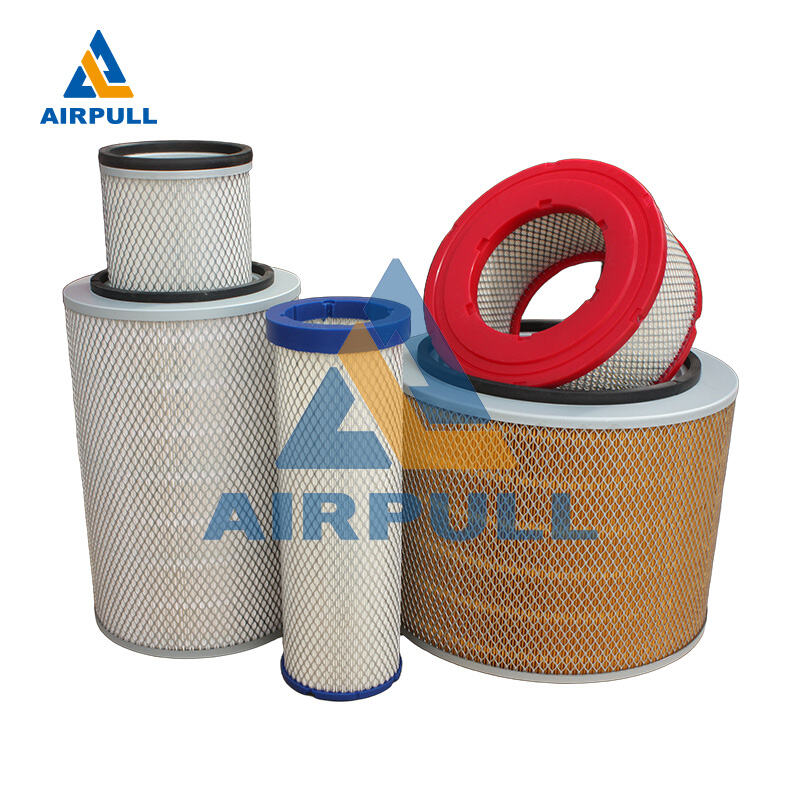
Choosing the best industrial filtration system is less about finding a single universal winner and more about matching filtration performance to real plant conditions. In this review, the focus is on how an industrial filtration system performs under continuous duty, variable contaminant loads, and strict production quality targets. For B2B buyers and engineering teams, the right industrial filtration system decision affects uptime, maintenance labor, energy profile, and downstream product consistency over many years.
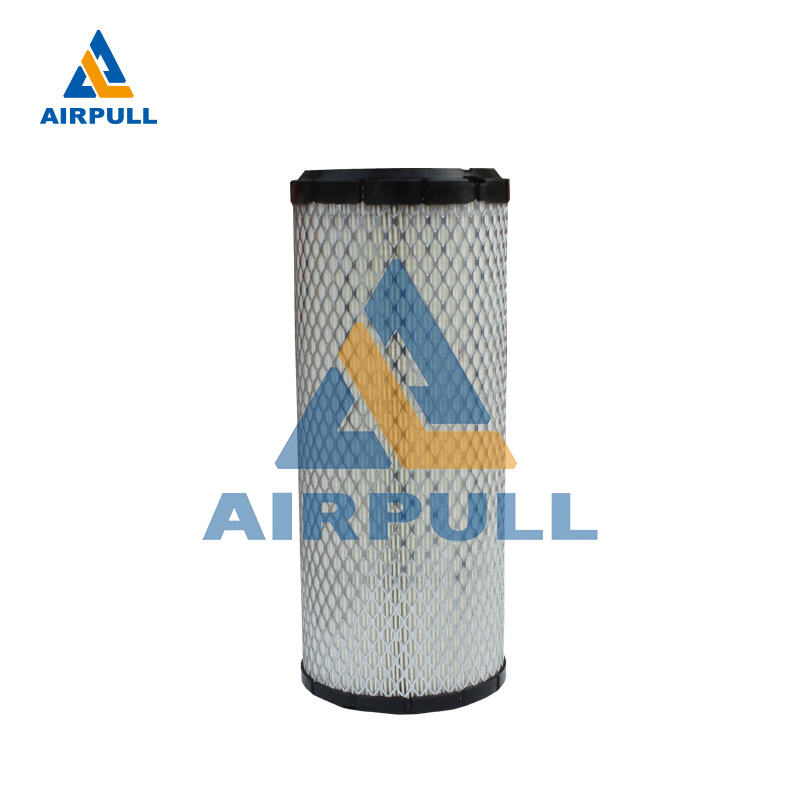
A strong industrial filtration system review should not stop at brochure-level specifications. It should evaluate capture efficiency across particle sizes, pressure behavior under load, serviceability, and total cost exposure in real operating cycles. This guide reviews what defines a high-performing industrial filtration system, where different configurations fit best, and how to separate durable long-term value from short-term purchasing convenience.
Review Criteria That Define a High-Value Industrial Filtration System
Filtration accuracy, stability, and process fit
Any serious industrial filtration system review begins with filtration accuracy, but accuracy alone is not enough. An industrial filtration system must maintain stable removal performance while production conditions shift from startup to peak operation. If a filter performs well in controlled testing but declines quickly when contaminant concentration rises, the industrial filtration system may create hidden quality and maintenance risk.
Process fit is equally critical because each industrial filtration system operates inside a larger production chain. Air handling, compressed gas cleaning, liquid process polishing, and coolant treatment place different demands on media design and housing geometry. The best industrial filtration system for one process can be inefficient or overbuilt for another, which is why fit-to-process should carry equal weight with nominal efficiency ratings.
Pressure drop behavior and energy impact
Pressure drop is one of the most practical indicators of industrial filtration system quality over time. A low initial pressure drop can look attractive, but if the industrial filtration system loads rapidly and requires frequent intervention, fan or pump energy and labor can increase faster than expected. Reviewing resistance growth over full operating intervals gives a more realistic picture than one-time startup data.
From an operating cost perspective, the best industrial filtration system is often the one with predictable pressure characteristics and manageable recovery cycles. In many facilities, an industrial filtration system with stable airflow and slower pressure rise reduces both energy waste and process disturbances. That stability often delivers stronger long-term value than a lower purchase price.
Mechanical Design Elements That Separate Average and Best Performance
Media construction, sealing integrity, and housing durability
A reliable industrial filtration system depends heavily on media structure and sealing quality. Pleat geometry, fiber composition, and support layers determine how well the industrial filtration system handles dust loading, moisture exposure, and airflow fluctuation. Weak media support can cause premature collapse or bypass, even when the rated efficiency appears acceptable on paper.
Sealing integrity is where many industrial filtration system installations lose real performance. Gasket quality, frame alignment, and clamping consistency all influence whether contaminants bypass the filter path. During review, a robust industrial filtration system should show tight construction tolerances and durable housing materials that resist vibration, thermal cycling, and repeated maintenance handling.
Self-cleaning capability and service interval control
In high-dust or continuous-flow operations, self-cleaning architecture can transform industrial filtration system economics. Pulse cleaning or automated regeneration features help an industrial filtration system maintain airflow while extending media life. When the cleaning cycle is well tuned, operators gain longer stable intervals without sacrificing capture performance.
For teams assessing replacement frequency and labor planning, service interval control is a key review category. A properly engineered industrial filtration system can reduce emergency maintenance and unplanned stoppage risk. The best industrial filtration system in demanding settings is often the one that combines automated cleaning with straightforward access for inspection and scheduled service.
Operational Review in Real Industrial Conditions
Performance under variable contaminant loads
Lab conditions rarely capture the full stress profile seen in plants, so a practical industrial filtration system review must examine variable loading behavior. During production shifts, contaminant concentration may spike due to material changes, process transitions, or seasonal environment effects. A resilient industrial filtration system should absorb these swings without sharp efficiency loss or sudden pressure instability.
When evaluating an industrial filtration system for dynamic operations, monitor trend stability rather than isolated test points. Facilities should review airflow consistency, pressure evolution, and cleaning response across full duty cycles. This approach reveals whether the industrial filtration system remains dependable when real process variability replaces controlled test assumptions.
Reliability, maintenance burden, and uptime influence
Reliability is central to any best industrial filtration system review because filtration failures can cascade into quality issues and downtime. An industrial filtration system that requires frequent manual correction shifts skilled labor away from core production tasks. By contrast, a stable industrial filtration system supports predictable uptime and simpler maintenance scheduling.
Maintenance burden should be evaluated in hours per service event, access safety, parts handling, and restart time. Even when two options share similar filtration ratings, the industrial filtration system with cleaner service workflow often delivers better lifecycle outcomes. Over long production horizons, reduced intervention and fewer process interruptions can outweigh minor differences in acquisition cost.
Total Cost Review and Decision Framework for B2B Buyers
Lifecycle cost mapping beyond purchase price
A credible industrial filtration system review calculates lifecycle impact, not only invoice price. Energy consumption, filter replacement cadence, cleaning media loss, labor hours, and downtime exposure all shape the true cost of an industrial filtration system. Procurement teams that model these factors early avoid selecting an industrial filtration system that looks economical initially but becomes expensive in operation.
Decision quality improves when buyers define expected run hours, contaminant profile, and maintenance constraints before comparing options. Under this framework, the best industrial filtration system is the one with the strongest total operational balance for the specific facility. That means an industrial filtration system should be reviewed as an asset tied to production economics, not as a standalone component.
Practical scoring logic for final selection
For final evaluation, many engineering teams score each industrial filtration system across four weighted dimensions: filtration stability, operational efficiency, serviceability, and lifecycle cost confidence. This method keeps the review focused on outcomes that matter in industrial settings. It also prevents overemphasis on single metrics that may not reflect daily plant reality.
A strong purchase decision emerges when an industrial filtration system demonstrates consistent technical performance and manageable operating demands under expected plant conditions. The best industrial filtration system is rarely the one with the most aggressive claim set; it is the option with dependable evidence across design, operation, and cost behavior. In B2B environments, disciplined review criteria produce better long-term decisions than headline-driven comparisons.
FAQ
What makes an industrial filtration system qualify as the best choice for a specific plant?
The best fit is the industrial filtration system that matches your contaminant profile, process flow, uptime requirements, and maintenance capacity. A system can be technically advanced yet still be a poor fit if service complexity or pressure behavior conflicts with your operating model. The right choice combines stable filtration, practical maintenance, and predictable lifecycle cost.
How often should an industrial filtration system be reviewed after installation?
A formal review is typically useful after early commissioning, then at defined intervals tied to production cycles. Teams should track pressure trend, capture stability, and service frequency to confirm the industrial filtration system is performing as expected. Regular review helps detect drift before it affects product quality or energy use.
Can one industrial filtration system design handle multiple process lines?
It can, but only when process conditions are sufficiently similar in flow, contaminant type, and load variation. If lines differ significantly, one shared industrial filtration system may force compromise in efficiency or maintenance planning. Segmenting filtration by process often improves control and long-term reliability.
Is a higher upfront cost always justified for an industrial filtration system?
Not always, but a higher-cost industrial filtration system can be justified when it reduces energy draw, replacement frequency, and downtime risk over time. The decision should be based on lifecycle economics rather than unit price alone. In many industrial settings, predictable performance and lower intervention needs create the strongest return.
Table of Contents
- Review Criteria That Define a High-Value Industrial Filtration System
- Mechanical Design Elements That Separate Average and Best Performance
- Operational Review in Real Industrial Conditions
- Total Cost Review and Decision Framework for B2B Buyers
-
FAQ
- What makes an industrial filtration system qualify as the best choice for a specific plant?
- How often should an industrial filtration system be reviewed after installation?
- Can one industrial filtration system design handle multiple process lines?
- Is a higher upfront cost always justified for an industrial filtration system?