EN
EN



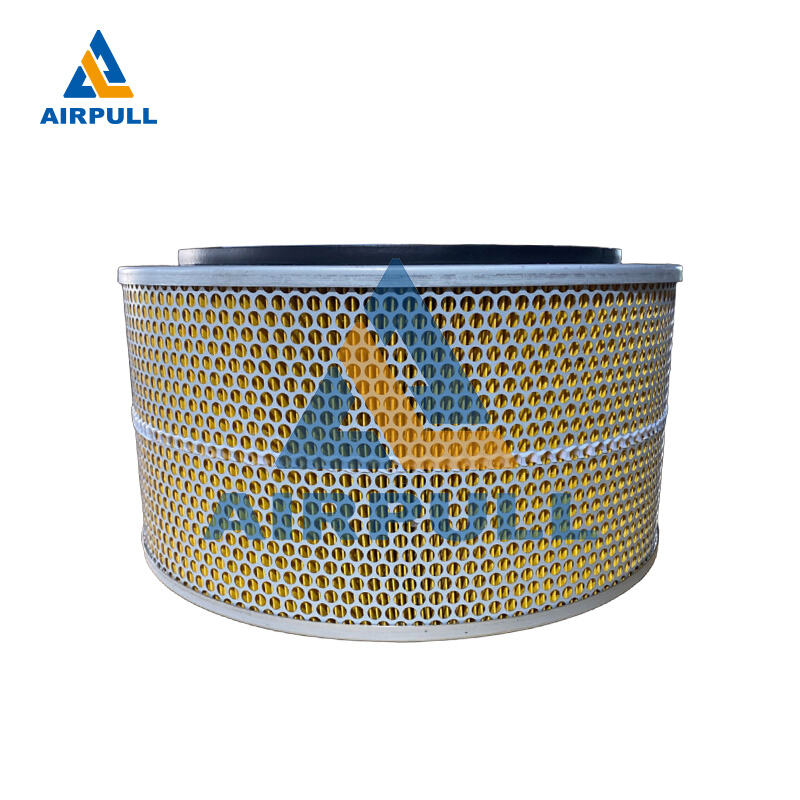
Air compressor filter efficiency represents a critical performance metric that directly impacts your compressed air system's reliability, operational costs, and equipment longevity. Understanding what efficiency means in practical terms helps industrial facilities make informed decisions about their filtration needs while avoiding costly downtime and premature component replacement. The efficiency rating of an air compressor filter determines how effectively it removes contaminants from compressed air, influencing everything from product quality in manufacturing processes to the lifespan of downstream pneumatic equipment.
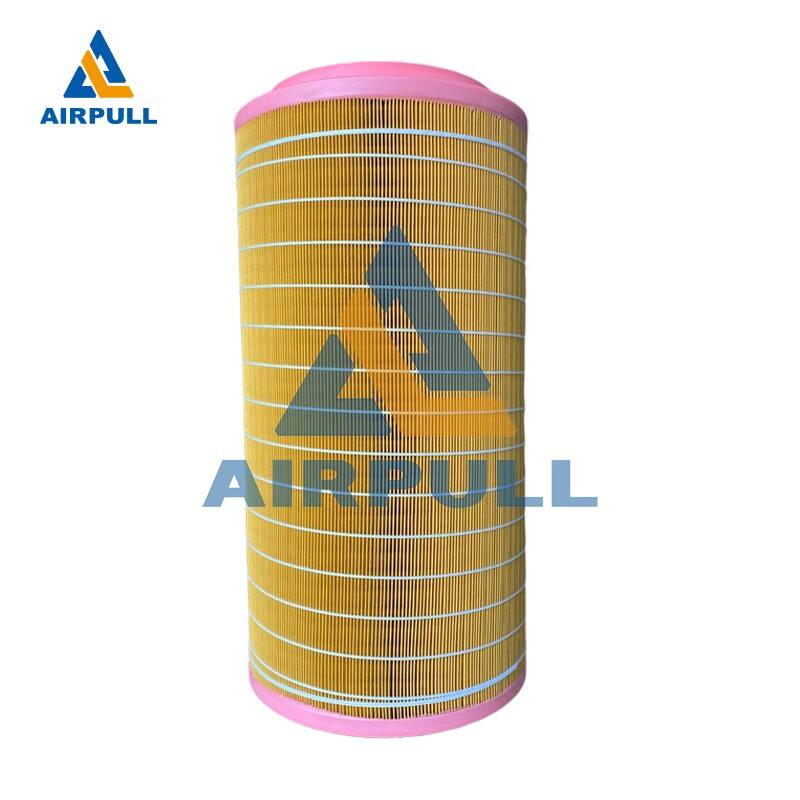
Modern compressed air systems demand precise filtration standards to meet increasingly stringent quality requirements across industries from automotive manufacturing to food processing. The efficiency specifications of your air compressor filter system determine whether your facility can achieve the air quality grades necessary for sensitive applications while maintaining cost-effective operations. This comprehensive understanding of filter efficiency encompasses not only the technical specifications but also the practical implications for maintenance schedules, energy consumption, and overall system performance optimization.
Understanding Air Compressor Filter Efficiency Ratings
Standard Efficiency Measurement Methods
Air compressor filter efficiency gets measured using standardized testing protocols that evaluate particle removal capabilities across different size ranges. The most common measurement standard follows ISO 8573 classifications, which categorize contaminants by size and concentration levels. These measurements typically express efficiency as a percentage, indicating how many particles of a specific size the air compressor filter removes from the airstream during testing conditions.
Testing laboratories conduct efficiency evaluations using controlled particle injection methods, measuring both upstream and downstream concentrations to calculate removal rates. The air compressor filter undergoes testing with calibrated particle sizes ranging from 0.1 to 10 microns, providing comprehensive efficiency data across the spectrum of common contaminants. This standardized approach ensures that efficiency ratings remain consistent across different manufacturers and allow for meaningful comparisons when selecting filtration equipment.
Professional testing facilities also evaluate efficiency under varying flow rates, pressure differentials, and loading conditions to provide real-world performance data. The resulting efficiency curves show how an air compressor filter performs throughout its service life, helping maintenance teams predict when replacement becomes necessary based on actual operating conditions rather than arbitrary time schedules.
Particle Size Classification Systems
The effectiveness of an air compressor filter depends heavily on understanding particle size distributions in compressed air systems. Contaminants typically range from large atmospheric dust particles exceeding 10 microns down to submicron oil aerosols and vapor molecules. Each size category requires different filtration mechanisms, making it essential to match filter specifications to the specific contaminant profile of your compressed air system.
Large particles above 3 microns generally get captured through mechanical interception and impaction mechanisms within the air compressor filter media. Medium-sized particles between 0.3 and 3 microns present the greatest challenge for most filtration systems, often requiring specialized media designs to achieve high efficiency removal. Submicron particles and oil vapors demand advanced coalescing and adsorption technologies that go beyond conventional mechanical filtration approaches.
Understanding these size classifications helps facilities select the appropriate air compressor filter technology for their specific applications. High-precision manufacturing processes may require removal of particles down to 0.01 microns, while general industrial applications might achieve adequate results with filters effective to 1 micron. The efficiency requirements directly correlate with the intended use of the compressed air and the sensitivity of downstream equipment to contamination.
Factors Affecting Air Compressor Filter Performance
Operating Pressure and Flow Rate Impact
The operating pressure and flow rate of your compressed air system significantly influence air compressor filter efficiency and service life. Higher operating pressures generally improve filtration performance by increasing the driving force for particle capture, but they also create more demanding conditions that can lead to premature filter degradation. The relationship between pressure and efficiency varies depending on the filter media type and construction design.
Flow rate variations affect the residence time of air within the air compressor filter housing, directly impacting particle removal efficiency. Excessive flow rates can cause particle breakthrough as the air moves too quickly through the media for effective capture. Conversely, very low flow rates may not provide sufficient velocity for proper filter operation, potentially leading to uneven loading and reduced overall efficiency.
System designers must consider these operating parameters when specifying air compressor filter capacity and efficiency ratings. Proper sizing ensures that the filter operates within its optimal efficiency range while maintaining acceptable pressure drops throughout the service interval. Many facilities benefit from variable speed drive systems that maintain consistent flow rates regardless of demand fluctuations, optimizing filter performance across varying operating conditions.
Environmental Conditions and Contaminant Loading
Environmental factors play a crucial role in determining actual air compressor filter efficiency under real-world operating conditions. Ambient humidity levels affect particle behavior and can influence the performance of certain filter media types, particularly those designed for oil removal applications. High humidity environments may cause some contaminants to agglomerate, potentially improving mechanical filtration efficiency while creating challenges for coalescing filters.
Temperature variations impact both the air compressor filter media properties and the physical characteristics of contaminants within the compressed air system. Elevated temperatures can reduce the effectiveness of some synthetic filter materials while potentially improving the performance of others. Understanding these temperature effects helps maintenance teams optimize replacement schedules and select appropriate filter specifications for their specific operating environment.
Contaminant loading refers to the concentration and types of particles entering the filtration system, which directly affects both efficiency and service life. Heavy industrial environments with high dust loading require more frequent air compressor filter replacement to maintain efficiency levels. Facilities located near coastal areas may encounter salt-laden air that creates unique filtration challenges, requiring specialized filter media designs to maintain long-term performance.
Optimizing Air Compressor Filter Selection
Application-Specific Efficiency Requirements
Selecting the optimal air compressor filter requires careful analysis of your specific application requirements and quality standards. Industries such as pharmaceutical manufacturing and electronics assembly demand extremely high efficiency ratings with particle removal down to 0.01 microns or smaller. These applications typically require multi-stage filtration systems with progressively finer air compressor filter elements to achieve the necessary air quality grades.
General industrial applications may achieve satisfactory results with less stringent efficiency requirements, focusing on cost-effective solutions that provide adequate protection for pneumatic tools and equipment. The key lies in matching the air compressor filter efficiency to the most sensitive component or process in your compressed air system. Over-specification leads to unnecessary costs and potentially higher pressure drops, while under-specification risks equipment damage and product quality issues.
Food and beverage processing facilities require special consideration for oil-free air quality, demanding high-efficiency coalescing filters combined with activated carbon adsorption stages. These applications benefit from air compressor filter systems designed specifically for removing oil aerosols and vapors that could contaminate products or affect taste and odor characteristics.
Cost-Benefit Analysis Considerations
Evaluating air compressor filter efficiency involves analyzing both initial costs and long-term operational expenses to determine the most cost-effective solution. Higher efficiency filters typically command premium pricing but often provide superior value through extended service life, reduced maintenance frequency, and improved system reliability. The total cost of ownership calculation should include filter purchase price, replacement labor costs, energy consumption, and potential downtime expenses.
Energy efficiency represents a significant factor in the overall cost analysis, as pressure drop across the air compressor filter directly impacts compressor power consumption. Advanced filter designs that maintain low pressure drops while providing high efficiency can substantially reduce operating costs over time. Facilities with continuous operation benefit most from these efficiency improvements due to the cumulative energy savings throughout the filter service life.
Risk mitigation costs should also factor into the selection process, particularly for critical applications where contamination could result in product recalls, equipment damage, or safety incidents. The insurance value of high-efficiency air compressor filter systems often justifies the additional investment, especially when considering the potential costs of system failures or quality issues in sensitive manufacturing processes.
Maintenance and Performance Monitoring
Efficiency Degradation Patterns
Air compressor filter efficiency typically follows predictable degradation patterns throughout the service life, beginning with an initial break-in period where efficiency may actually improve as the media develops optimal particle capture characteristics. During normal operation, efficiency generally remains stable until the filter approaches its designed capacity, at which point performance begins to decline more rapidly as the media becomes loaded with captured contaminants.
Understanding these degradation patterns helps maintenance teams establish optimal replacement schedules that maintain consistent air quality while maximizing filter utilization. Most air compressor filter applications achieve peak efficiency during the middle portion of the service interval, making it important to balance replacement frequency with performance requirements. Premature replacement wastes filter capacity, while delayed replacement risks efficiency loss and potential downstream contamination.
Monitoring systems can track pressure differential across the air compressor filter to indicate loading progression and predict when efficiency degradation becomes significant. Advanced monitoring approaches include real-time particle counting downstream of the filter to directly measure efficiency performance. These monitoring techniques enable condition-based maintenance strategies that optimize both filter utilization and air quality consistency.
Testing and Validation Procedures
Regular testing and validation procedures ensure that air compressor filter systems maintain specified efficiency levels throughout their service life. Particle counting instruments provide direct measurement of filtration performance by comparing upstream and downstream contamination levels during normal operation. These measurements validate that the filter continues to meet efficiency requirements and identify any performance degradation before it affects downstream processes.
Pressure differential monitoring represents the most common method for tracking air compressor filter condition, providing indirect indication of loading and efficiency changes. Establishing baseline pressure drop measurements for new filters enables maintenance teams to track degradation trends and predict replacement needs. Most filtration systems benefit from automated differential pressure monitoring with alarm capabilities to prevent unexpected filter bypass or failure.
Oil content testing becomes particularly important for applications requiring oil-free air quality, as coalescing air compressor filter efficiency directly impacts oil aerosol removal performance. Regular oil content measurements validate that the filtration system continues to meet specified limits and identify any degradation in coalescing efficiency. These tests typically require specialized sampling equipment and laboratory analysis to achieve the sensitivity needed for low oil content verification.
FAQ
How often should air compressor filters be replaced to maintain efficiency?
Air compressor filter replacement frequency depends on operating conditions, contaminant loading, and efficiency requirements, typically ranging from 1,000 to 8,000 operating hours. Monitoring pressure differential across the filter provides the most accurate indication of when replacement becomes necessary to maintain efficiency. Most facilities achieve optimal performance by replacing filters when pressure drop increases 50-100% above initial clean filter levels, ensuring efficiency remains within acceptable limits while maximizing filter utilization.
What efficiency rating do I need for general industrial applications?
General industrial applications typically require air compressor filter efficiency ratings of 99.9% for particles 1 micron and larger, providing adequate protection for pneumatic tools and standard manufacturing processes. Applications involving sensitive equipment or quality-critical processes may require higher efficiency ratings down to 0.3 microns or smaller. The specific efficiency requirement depends on the most sensitive component in your compressed air system and the consequences of contamination in your particular application.
Can high-efficiency air compressor filters reduce energy costs?
High-efficiency air compressor filters can reduce energy costs when designed with low pressure drop characteristics, as reduced pressure differential decreases compressor power consumption throughout the filter service life. Modern high-efficiency filter designs often achieve superior particle removal while maintaining pressure drops comparable to lower efficiency alternatives. The energy savings typically offset the higher initial cost of premium filters, especially in continuous operation applications where cumulative energy consumption represents a significant operating expense.
How do I verify that my air compressor filter is performing at rated efficiency?
Verifying air compressor filter efficiency requires particle counting measurements upstream and downstream of the filter using calibrated instrumentation capable of detecting particles in the relevant size ranges. Professional air quality testing services can provide certified efficiency measurements that validate filter performance against manufacturer specifications. For ongoing monitoring, pressure differential tracking combined with periodic downstream particle counting provides practical verification that the filter continues to operate within acceptable efficiency ranges.