EN
EN


Proper filter element maintenance forms the backbone of efficient industrial filtration systems, directly impacting equipment longevity, operational costs, and system reliability. When filter elements are neglected or improperly maintained, the consequences ripple through entire production processes, leading to increased downtime, higher energy consumption, and premature equipment failure. Understanding the essential maintenance practices for filter elements becomes crucial for facility managers and maintenance professionals who want to optimize their filtration systems while minimizing operational disruptions.
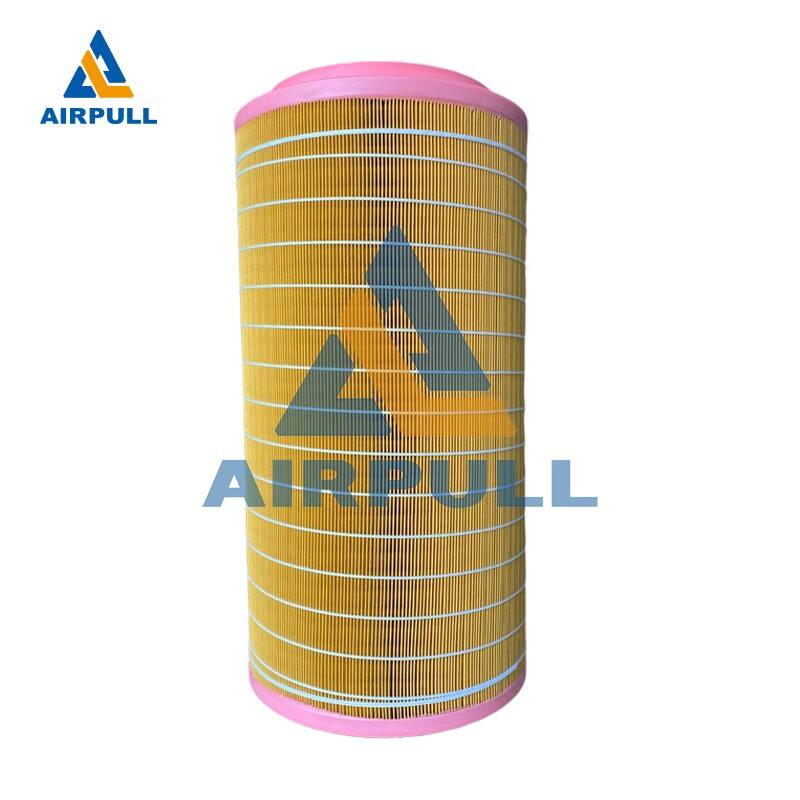
The complexity of modern filtration systems demands a systematic approach to filter element care that goes beyond simple replacement schedules. Effective maintenance strategies encompass regular inspection protocols, proper cleaning techniques, accurate performance monitoring, and strategic replacement timing. These practices not only extend the service life of individual filter elements but also ensure consistent filtration performance across various industrial applications, from air compression systems to hydraulic circuits and process fluid filtration.
Understanding Filter Element Degradation Patterns
Physical Deterioration Mechanisms
Filter elements undergo various forms of physical degradation during their operational life, with each mechanism requiring specific maintenance attention. Particle accumulation represents the most common degradation pattern, where contaminants gradually build up on the filter media surface and within its structure. This accumulation increases pressure differential across the filter element, forcing systems to work harder to maintain flow rates and ultimately reducing overall efficiency.
Media fatigue occurs when filter elements experience repeated pressure cycles, causing the filtration material to lose its structural integrity over time. This degradation pattern is particularly pronounced in systems with variable operating conditions, where pressure fluctuations stress the filter element beyond its design parameters. Recognition of these fatigue signs allows maintenance teams to implement preventive measures before catastrophic failure occurs.
Moisture-related degradation affects filter elements in humid environments or applications involving water contamination. When moisture penetrates the filter media, it can cause swelling, warping, or complete breakdown of certain filtration materials. Understanding these moisture effects helps maintenance professionals select appropriate protective measures and adjust inspection frequencies accordingly.
Chemical and Environmental Factors
Chemical compatibility between filter elements and process fluids significantly influences degradation rates and maintenance requirements. Aggressive chemicals can attack filter media directly, causing premature breakdown and compromising filtration effectiveness. Regular assessment of chemical exposure helps maintenance teams anticipate filter element replacement needs and adjust maintenance schedules to prevent system contamination.
Temperature variations create thermal stress within filter elements, particularly when systems operate across wide temperature ranges. High temperatures can cause filter media to become brittle or lose its filtering properties, while low temperatures may make materials more susceptible to cracking or structural damage. Monitoring temperature exposure patterns enables maintenance professionals to optimize filter element selection and replacement timing.
Environmental contaminants beyond the primary filtration target can accelerate filter element degradation. Dust, moisture, chemical vapors, and other environmental factors interact with filter media in complex ways, often creating synergistic effects that exceed the impact of individual contaminants. Comprehensive environmental assessment helps establish more accurate maintenance protocols and filter element selection criteria.
Inspection and Monitoring Protocols
Visual Assessment Techniques
Systematic visual inspection provides the foundation for effective filter element maintenance, revealing early signs of degradation before they impact system performance. Trained maintenance personnel should examine filter elements for discoloration, surface damage, media distortion, and seal integrity during routine inspections. These visual cues often indicate specific operational issues or environmental factors that require immediate attention.
Documentation of visual findings creates valuable historical data that helps predict future maintenance needs and identify recurring problems. Photographic records of filter element conditions enable maintenance teams to track degradation patterns over time and establish more accurate replacement intervals. This documentation also supports warranty claims and helps justify maintenance budget allocations to management.
Standardized inspection checklists ensure consistency across different maintenance personnel and shift schedules. These checklists should include specific criteria for evaluating filter element condition, clear definitions of acceptable and unacceptable conditions, and standardized reporting formats. Consistent inspection protocols reduce variability in maintenance decisions and improve overall system reliability.
Performance Monitoring Systems
Pressure differential monitoring represents the most critical performance metric for filter element maintenance decisions. Installing differential pressure gauges or sensors enables continuous monitoring of filter loading conditions and provides early warning of impending maintenance needs. Establishing appropriate pressure differential thresholds helps optimize replacement timing while avoiding premature filter element changes.
Flow rate monitoring complements pressure differential measurements by providing additional insight into filter element performance degradation. Declining flow rates at constant pressure differentials may indicate partial blockage or media degradation that visual inspection might miss. Regular flow rate documentation helps establish baseline performance levels and detect gradual performance decline.
Contamination level analysis downstream of filter elements validates filtration effectiveness and identifies potential bypass issues. Regular sampling and analysis of filtered fluids or gases provides quantitative data on filter element performance and helps detect early signs of media failure or seal problems. This monitoring approach is particularly valuable for critical applications where filtration failure could cause significant operational or safety issues.
Cleaning and Regeneration Strategies
Appropriate Cleaning Methods
Selecting appropriate cleaning methods for filter elements depends on media type, contamination characteristics, and manufacturer recommendations. Compressed air cleaning works effectively for removing surface dust and loose particles from pleated filter elements, but requires careful pressure control to avoid media damage. Reverse air pulse systems provide automated cleaning for continuous operation applications while maintaining consistent filtration performance.
Liquid washing techniques offer thorough contamination removal for filter elements designed to withstand wet cleaning processes. Using compatible cleaning solutions removes oil residues, chemical deposits, and stubborn particulate matter that dry cleaning methods cannot eliminate. However, proper drying procedures become critical to prevent moisture-related damage and ensure complete solvent removal before reinstallation.
Ultrasonic cleaning provides deep penetration cleaning for filter elements with complex geometries or heavy contamination loads. This method uses high-frequency sound waves to dislodge particles from filter media without mechanical stress, making it suitable for delicate or expensive filter elements. Proper selection of cleaning solutions and ultrasonic parameters ensures effective cleaning while preserving filter element integrity.
Cleaning Frequency and Limitations
Establishing optimal cleaning frequencies requires balancing filter element performance restoration with cumulative cleaning damage. Excessive cleaning cycles can gradually degrade filter media, reducing overall service life despite temporary performance improvements. Tracking cleaning effectiveness over multiple cycles helps determine when filter element replacement becomes more cost-effective than continued cleaning attempts.
Understanding cleaning limitations prevents damage to filter elements and ensures realistic performance expectations. Some contamination types, such as hardened deposits or chemically bonded materials, resist cleaning attempts and may require filter element replacement. Recognition of these limitations helps maintenance teams make informed decisions about cleaning viability and replacement timing.
Cost-benefit analysis of cleaning versus replacement considers both direct costs and indirect factors such as labor time, cleaning equipment requirements, and system downtime. For some filter element types and applications, replacement may prove more economical than repeated cleaning attempts. Regular evaluation of these economic factors helps optimize maintenance strategies and resource allocation.
Replacement Timing and Selection Criteria
Performance-Based Replacement Indicators
Performance-based replacement strategies rely on measurable filter element degradation indicators rather than arbitrary time intervals. Pressure differential thresholds provide clear replacement triggers that directly relate to filter element loading and system impact. Establishing these thresholds based on system-specific requirements ensures optimal replacement timing while avoiding unnecessary filter element waste.
Filtration efficiency measurements offer another quantitative approach to replacement timing decisions. Regular testing of filter element performance against specified efficiency standards identifies gradual degradation before complete failure occurs. This approach is particularly valuable for applications with strict contamination control requirements where maintaining consistent filtration performance is critical.
System performance correlation helps identify the relationship between filter element condition and overall system efficiency. Tracking energy consumption, output quality, and operational stability alongside filter element condition provides comprehensive data for replacement decision-making. These correlations often reveal hidden costs of delayed filter element replacement that justify more frequent maintenance intervals.
Environmental and Operational Considerations
Environmental conditions significantly influence filter element replacement timing and selection criteria. High-dust environments may require more frequent replacements, while corrosive atmospheres demand filter elements with enhanced chemical resistance. Understanding these environmental factors helps maintenance teams anticipate replacement needs and select appropriate filter element specifications for their specific applications.
Operational criticality affects replacement timing decisions and inventory management strategies. Critical systems may require more conservative replacement intervals to ensure continuous operation, while less critical applications might tolerate extended service intervals. Balancing operational risk with maintenance costs requires careful consideration of system importance and failure consequences.
Seasonal variations in contamination levels or operating conditions may justify adjusted replacement schedules throughout the year. Many industrial facilities experience peak contamination periods that accelerate filter element degradation, requiring more frequent replacements during these intervals. Recognizing these patterns enables proactive maintenance planning and optimal resource allocation.
Cost Optimization and Lifecycle Management
Total Cost of Ownership Analysis
Total cost of ownership analysis for filter element maintenance encompasses purchase price, installation labor, system downtime, energy consumption, and disposal costs. Comparing these total costs across different filter element types and maintenance strategies reveals the most economical approaches for specific applications. This comprehensive analysis often shows that higher-quality filter elements with longer service lives provide better overall value despite higher initial costs.
Energy cost implications of filter element maintenance decisions represent a significant portion of total ownership costs. Clogged or degraded filter elements increase system energy consumption as pumps, fans, or compressors work harder to maintain required flow rates. Quantifying these energy impacts helps justify appropriate maintenance intervals and filter element quality investments that reduce long-term operating costs.
Labor efficiency considerations include not only direct maintenance time but also system preparation, documentation, and quality verification activities. Standardizing filter element specifications across multiple systems reduces inventory complexity and maintenance training requirements. Strategic standardization efforts often yield significant cost savings through economies of scale and reduced maintenance complexity.
Inventory Management Strategies
Effective inventory management for filter element maintenance balances availability requirements with carrying costs and obsolescence risks. Just-in-time inventory approaches minimize carrying costs but require reliable supplier relationships and accurate demand forecasting. Alternatively, strategic stockpiling of critical filter elements ensures availability during supply disruptions but increases inventory investment and storage requirements.
Predictive inventory management uses historical consumption data and performance monitoring to optimize filter element ordering and storage. Advanced systems can automatically trigger purchase orders based on current filter element conditions and predicted replacement timing. This approach reduces emergency purchases while minimizing inventory carrying costs through improved demand prediction accuracy.
Supplier relationship management affects filter element availability, pricing, and technical support quality. Establishing partnerships with reliable suppliers provides access to technical expertise, favorable pricing terms, and priority delivery during supply shortages. These relationships become particularly valuable when dealing with specialized filter element requirements or emergency replacement situations.
FAQ
How often should filter elements be inspected for maintenance needs?
Filter element inspection frequency depends on operating conditions, contamination levels, and system criticality. Most industrial applications benefit from weekly visual inspections combined with monthly detailed assessments that include pressure differential measurements and performance testing. High-contamination environments or critical systems may require daily monitoring, while clean applications might extend inspection intervals to monthly or quarterly schedules.
What are the most reliable indicators that a filter element needs replacement?
The most reliable replacement indicators include pressure differential exceeding manufacturer specifications, visible media damage or distortion, declining filtration efficiency below acceptable levels, and physical contamination that cleaning cannot remove. Pressure differential typically provides the earliest and most accurate replacement signal, as it directly correlates with filter element loading and system impact before visible damage occurs.
Can all filter elements be cleaned and reused multiple times?
Not all filter elements are suitable for cleaning and reuse, as this depends on media type, contamination characteristics, and manufacturer design. Pleated paper elements generally cannot withstand liquid cleaning, while synthetic media filter elements often support multiple cleaning cycles. Disposable filter elements are designed for single-use applications, while cleanable types incorporate reinforcement and construction features that enable repeated cleaning without performance degradation.
What safety precautions should be taken during filter element maintenance?
Filter element maintenance safety requires personal protective equipment including respirators, gloves, and eye protection when handling contaminated elements. System isolation and lockout procedures prevent accidental equipment startup during maintenance activities. Proper disposal of used filter elements follows environmental regulations, particularly for elements containing hazardous materials. Additionally, cleaning operations require adequate ventilation and appropriate containment to prevent contamination spread throughout the facility.