EN
EN


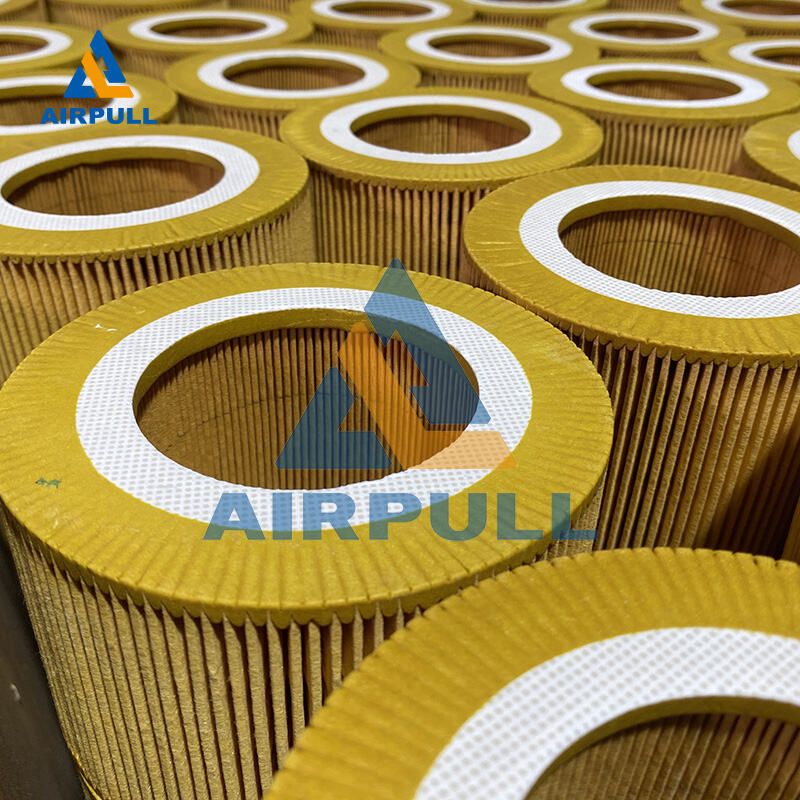
Industrial air compressors are essential workhorses in manufacturing, construction, and countless other applications. However, like any mechanical equipment, they require regular maintenance and replacement of worn components to maintain optimal performance. Understanding the most critical compressor spare parts helps facility managers and maintenance teams prepare for routine servicing, minimize downtime, and extend equipment lifespan. This comprehensive guide explores the essential components that keep compressed air systems running efficiently and reliably.
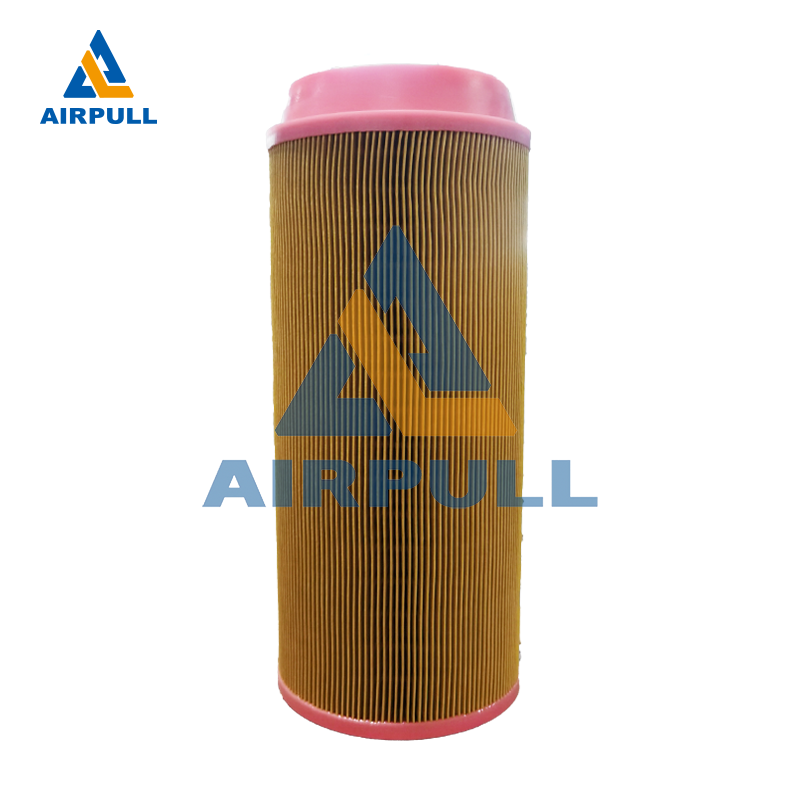
The reliability of compressed air systems directly impacts production schedules and operational costs. When critical components fail unexpectedly, the resulting downtime can be extremely expensive. By maintaining adequate inventory of the most commonly needed compressor spare parts, organizations can respond quickly to equipment issues and maintain continuous operations. Professional maintenance teams recognize that proactive parts management is far more cost-effective than emergency repairs.
Air Filtration Components
Intake Air Filters
Intake air filters serve as the first line of defense against contaminants entering the compression chamber. These filters prevent dust, debris, and other airborne particles from damaging internal components and compromising air quality. Standard intake filters typically require replacement every 500 to 2000 operating hours, depending on environmental conditions and filter quality. Facilities operating in dusty or industrial environments may need more frequent replacement intervals.
The consequences of neglecting intake air filter maintenance extend beyond simple contamination issues. Clogged filters restrict airflow, forcing the compressor to work harder and consume more energy. This increased workload can lead to premature wear of other compressor spare parts and reduced overall system efficiency. Modern high-efficiency particulate air filters can significantly improve protection while maintaining optimal airflow characteristics.
Oil Filters
Oil-injected rotary screw compressors rely heavily on clean lubricating oil for proper operation. Oil filters remove contaminants that could otherwise cause bearing damage, seal deterioration, or reduced lubrication effectiveness. These filters typically feature pleated media designed to capture particles as small as 10 microns while maintaining adequate oil flow rates. Regular replacement prevents the accumulation of harmful contaminants that could lead to catastrophic equipment failure.
Quality oil filters incorporate bypass valves that ensure continuous oil circulation even if the filter becomes severely restricted. However, relying on bypass operation compromises filtration effectiveness and should be avoided through proper maintenance scheduling. Most manufacturers recommend oil filter replacement concurrent with oil changes, typically every 2000 to 4000 operating hours depending on operating conditions and oil quality.
Separation and Filtration Systems
Oil Separators
Oil separators play a crucial role in removing lubricating oil from compressed air before it reaches downstream equipment and applications. These components typically consist of multiple filtration stages, including coalescing media that causes microscopic oil droplets to combine into larger droplets that can be effectively removed. Proper oil separation is essential for maintaining air quality standards and protecting pneumatic equipment from oil contamination.
The efficiency of oil separators directly impacts both compressed air quality and operating costs. Worn or damaged separators allow excessive oil carryover, resulting in contaminated air and increased oil consumption. Modern separators can achieve oil removal efficiencies exceeding 99.9%, but this performance degrades over time as the filtration media becomes saturated or damaged. Regular replacement of these critical compressor spare parts ensures consistent air quality and system performance.
Moisture Separators
Compressed air naturally contains moisture that can cause serious problems in pneumatic systems and applications. Moisture separators remove water vapor and liquid water from compressed air streams through various mechanisms including centrifugal action, coalescence, and temperature reduction. These components are particularly important in applications requiring dry air, such as spray painting, electronics manufacturing, or food processing operations.
Effective moisture separation requires properly sized and maintained equipment designed for specific operating conditions. Separators must handle varying moisture loads that change with ambient temperature, humidity, and air flow rates. Drainage systems require regular attention to prevent water accumulation that could overflow into downstream piping systems. Automatic drain valves and level monitors help ensure reliable moisture removal without manual intervention.
Sealing and Gasket Components
O-Rings and Seals
Elastomeric seals and o-rings provide critical leak prevention throughout compressed air systems. These components must withstand high pressures, temperature variations, and exposure to oils and other chemicals. Material selection is crucial, with different elastomers offering varying resistance to temperature extremes, chemical compatibility, and compression set resistance. Common materials include nitrile, fluorocarbon, and ethylene propylene rubbers, each suited for specific operating conditions.
Seal failure can result in significant air leaks that reduce system efficiency and increase operating costs. Even small leaks can waste substantial amounts of compressed air over time, leading to increased energy consumption and reduced system capacity. Proper installation techniques, including correct groove dimensions and surface finishes, are essential for achieving optimal seal performance and longevity. Regular inspection and replacement of worn seals prevent minor issues from developing into major system problems.
Gasket Sets
Complete gasket sets provide comprehensive sealing solutions for major compressor overhauls and maintenance procedures. These sets typically include all necessary gaskets, o-rings, and seals required for specific compressor models or maintenance intervals. Using complete gasket sets ensures compatibility and proper fit while simplifying inventory management and maintenance planning. Professional maintenance teams often prefer gasket sets because they eliminate the risk of overlooking critical sealing components during service procedures.
Quality gasket sets from reputable manufacturers include detailed installation instructions and torque specifications to ensure proper assembly. Material specifications and quality control standards vary significantly between manufacturers, making it important to source gasket sets from reliable suppliers who understand the demanding requirements of compressed air applications. Investment in high-quality gasket sets pays dividends through extended service life and improved system reliability.
Drive System Components
Drive Couplings
Drive couplings transmit power from electric motors to compressor rotors while accommodating minor misalignments and reducing vibration transmission. These components experience significant stress due to high rotational speeds and torque loads, making them among the most commonly replaced compressor spare parts. Flexible couplings help protect both motors and compressors from damage caused by shock loads or sudden speed changes during startup and shutdown cycles.
Coupling failure typically occurs gradually, with early warning signs including increased vibration, noise, or visible wear of elastomeric elements. Regular inspection allows maintenance teams to identify developing problems before complete failure occurs. Proper alignment during installation is crucial for maximizing coupling life and preventing premature wear of connected equipment. Laser alignment tools help achieve the precision required for optimal performance and longevity.
Belt Systems
Belt-driven compressors rely on properly maintained drive belts to transfer power efficiently from motors to compressor assemblies. Modern synthetic belts offer improved durability and performance compared to traditional rubber belts, but still require regular inspection and periodic replacement. Belt tension must be maintained within specified limits to prevent slippage while avoiding excessive bearing loads that could damage pulleys or motor bearings.
Belt wear patterns provide valuable diagnostic information about system condition and alignment quality. Uneven wear may indicate pulley misalignment, incorrect tension, or damaged pulleys that require attention. Complete belt sets ensure uniform wear characteristics and optimal power transmission efficiency. Proper storage conditions help maintain belt integrity before installation, as exposure to heat, ozone, or petroleum products can degrade rubber compounds and reduce service life.
Lubrication System Elements
Oil Pumps and Components
Lubrication systems in oil-injected compressors depend on reliable oil pumps to circulate lubricant throughout the compression chamber and bearing assemblies. These pumps must maintain adequate pressure and flow rates across varying operating conditions while resisting wear from continuous operation. Pump components including rotors, housings, and drive gears are among the compressor spare parts that require periodic replacement to maintain system performance.
Oil pump failure can result in catastrophic compressor damage due to inadequate lubrication of critical components. Warning signs include reduced oil pressure, increased operating temperatures, or unusual noises from the lubrication system. Preventive replacement of pump components based on operating hours or performance indicators helps avoid unexpected failures that could damage expensive compressor assemblies. Modern monitoring systems provide real-time feedback on oil pressure and temperature conditions.
Thermostatic Valves
Thermostatic valves regulate oil temperature by controlling flow through oil coolers and heat exchangers. These valves automatically adjust oil routing based on temperature sensors to maintain optimal operating conditions across varying load and ambient temperature conditions. Proper temperature control prevents oil degradation while ensuring adequate fluidity for effective lubrication and sealing.
Valve malfunctions can cause oil overheating or overcooling, both of which negatively impact compressor performance and component life. Overheated oil breaks down more rapidly, forming deposits that can clog filters and damage sealing surfaces. Conversely, excessively cool oil may be too viscous for proper circulation, leading to inadequate lubrication of critical components. Regular testing and calibration of thermostatic valves ensure consistent temperature control and optimal system performance.
Electrical and Control Components
Pressure Switches
Pressure switches provide essential control functions by monitoring system pressure and activating various control responses. These switches control compressor loading and unloading cycles, activate warning systems, and provide safety shutdowns when pressure limits are exceeded. Reliable pressure switch operation is crucial for maintaining safe operating conditions and preventing damage from excessive pressures or vacuum conditions.
Switch contacts and sensing elements gradually wear due to repeated cycling and exposure to compressed air environments. Contamination from oil mist or moisture can affect switch accuracy and reliability, making regular cleaning and calibration important maintenance tasks. Adjustable pressure switches allow fine-tuning of operating parameters to match specific application requirements and optimize energy efficiency.
Temperature Sensors
Temperature monitoring systems protect compressors from overheating while providing valuable diagnostic information about system condition. Temperature sensors monitor critical points including discharge air, oil, and bearing temperatures to detect developing problems before they cause equipment damage. Modern electronic sensors offer improved accuracy and reliability compared to mechanical temperature switches while enabling integration with computerized monitoring systems.
Sensor calibration drift can lead to false alarms or inadequate protection, making periodic verification important for maintaining system reliability. Environmental factors including vibration, moisture, and electromagnetic interference can affect sensor performance and accuracy. Proper installation techniques and protective housings help ensure long-term reliability of these critical monitoring components.
Maintenance Best Practices
Inventory Management
Effective compressor spare parts inventory management balances the need for rapid repair response against the costs of maintaining excessive stock levels. Critical components with long lead times or high failure rates deserve priority in inventory planning, while less critical items can often be sourced quickly when needed. Computerized inventory systems help track usage patterns and automatically generate purchase orders when stock levels reach predetermined minimums.
Proper storage conditions are essential for maintaining the integrity of spare parts until they are needed. Elastomeric components require protection from heat, light, and ozone exposure that could cause premature aging and failure. Metal components need protection from corrosion through appropriate packaging and climate control. Regular inventory audits help identify items approaching their shelf life limits and ensure that emergency repairs can proceed without delays caused by degraded components.
Predictive Maintenance Strategies
Modern predictive maintenance techniques help optimize replacement intervals for compressor spare parts while minimizing the risk of unexpected failures. Vibration analysis, oil analysis, and thermal imaging provide early warning of developing problems that allow planned maintenance during scheduled shutdowns. These techniques are particularly valuable for identifying bearing wear, coupling deterioration, and lubrication system problems before they cause secondary damage.
Condition monitoring data helps maintenance teams move beyond simple time-based replacement schedules toward condition-based maintenance strategies that maximize component life while maintaining reliability. Historical failure data and trending analysis provide insights into optimal replacement intervals and help identify root causes of premature component failures. This analytical approach reduces both maintenance costs and unplanned downtime while improving overall system reliability.
FAQ
What are the most frequently replaced compressor spare parts
The most commonly replaced components include air filters, oil filters, oil separators, drive belts, and various seals and gaskets. These items experience regular wear during normal operation and require replacement at predictable intervals. Air and oil filters typically need replacement every 1000-4000 operating hours, while seals and gaskets may last longer but should be replaced during major maintenance procedures to prevent leaks and system failures.
How can I determine the correct replacement interval for different spare parts
Replacement intervals depend on several factors including operating conditions, environmental factors, and component quality. Manufacturer recommendations provide baseline intervals, but these may need adjustment based on actual operating experience. Monitoring techniques such as pressure drop measurements for filters, vibration analysis for rotating components, and oil analysis for lubrication systems help determine optimal replacement timing based on actual component condition rather than arbitrary time intervals.
What factors should I consider when selecting compressor spare parts suppliers
Key selection criteria include product quality, availability, technical support, and total cost of ownership. Original equipment manufacturer parts typically offer the best fit and performance but may be more expensive than aftermarket alternatives. Reliable suppliers maintain adequate inventory levels, provide technical assistance, and offer competitive pricing on bulk orders. Quality certifications and testing documentation help ensure that replacement parts meet or exceed original specifications for performance and reliability.
How do environmental conditions affect spare parts requirements
Harsh operating environments significantly impact component life and replacement frequency. High temperatures accelerate oil degradation and elastomer aging, while dusty conditions require more frequent filter changes and additional protection for sensitive components. Corrosive atmospheres may require upgraded materials or protective coatings for metal components. Facilities operating in extreme conditions often need to maintain higher inventory levels and shorter replacement intervals to ensure reliable operation and prevent unexpected failures.