EN
EN


Keeping a screw compressor running at peak performance depends entirely on how well you understand and maintain its individual components. Screw compressor parts are precision-engineered elements that work in tight coordination — when one component degrades, the entire system pays the price through increased energy consumption, unplanned downtime, and accelerated wear across the unit. Whether you manage a manufacturing floor, an automotive workshop, or a large-scale industrial facility, knowing how to care for these components correctly is one of the highest-leverage maintenance decisions you can make.
This guide is designed to give maintenance engineers, facility managers, and procurement professionals a practical, structured approach to servicing screw compressor parts. Rather than offering generic advice, we focus on the specific maintenance logic behind each major component category — explaining what degrades, why it matters, and what best practices look like in a real industrial environment. Proper maintenance of screw compressor parts is not simply a cost-saving measure; it is a performance strategy that protects your capital investment over its full operational lifespan.
Understanding the Core Components of a Screw Compressor
The Rotor Assembly and Its Role in System Longevity
The rotor pair — the male and female helical screws — is the mechanical heart of any screw compressor. These rotors are machined to exceptionally tight tolerances, and any contamination, lubrication failure, or thermal stress can introduce micro-damage that compounds over time. Because the rotors are among the most expensive screw compressor parts to replace, protecting their working surfaces is a primary maintenance priority.
Routine inspection of the rotor housing for abnormal vibration patterns or temperature spikes can give early warning of bearing wear or rotor contact. Oil viscosity plays a critical role here — using an incorrect grade creates inadequate film thickness and accelerates rotor surface deterioration. Always follow the OEM-specified lubricant recommendation and maintain consistent oil change intervals to protect these central screw compressor parts.
Thermal expansion is another underappreciated factor in rotor health. Frequent starts and stops create thermal cycling that can gradually affect clearance tolerances. Where operationally possible, maintaining steady run cycles rather than repeated short-burst operation will extend the effective service life of the rotor assembly significantly.
Bearings, Seals, and Coupling Elements
Bearings support the rotor shafts and must absorb both radial and axial loads across thousands of operational hours. These screw compressor parts are vulnerable to contamination from degraded oil, moisture ingress, and metal particles generated during normal wear. Vibration analysis and temperature monitoring are the two most reliable non-invasive diagnostics for bearing condition assessment.
Shaft seals prevent oil from migrating into the compressed air stream and protect the rotor chamber from external contamination. Degraded seals are a common cause of oil carryover in compressed air output — a problem that often goes unnoticed until it creates downstream quality issues or damages air tools and pneumatic cylinders. Seal inspection should be a standard item in every scheduled maintenance interval for screw compressor parts.
Flexible coupling elements connect the motor shaft to the compressor rotor shaft and absorb minor misalignment and torque variation. These components are often overlooked but should be inspected for cracking, material fatigue, or deformation during each major service visit. A failed coupling can damage both the motor and the rotor assembly simultaneously.
Filtration Components and Their Maintenance Logic
Air Intake Filters: The First Line of Defense
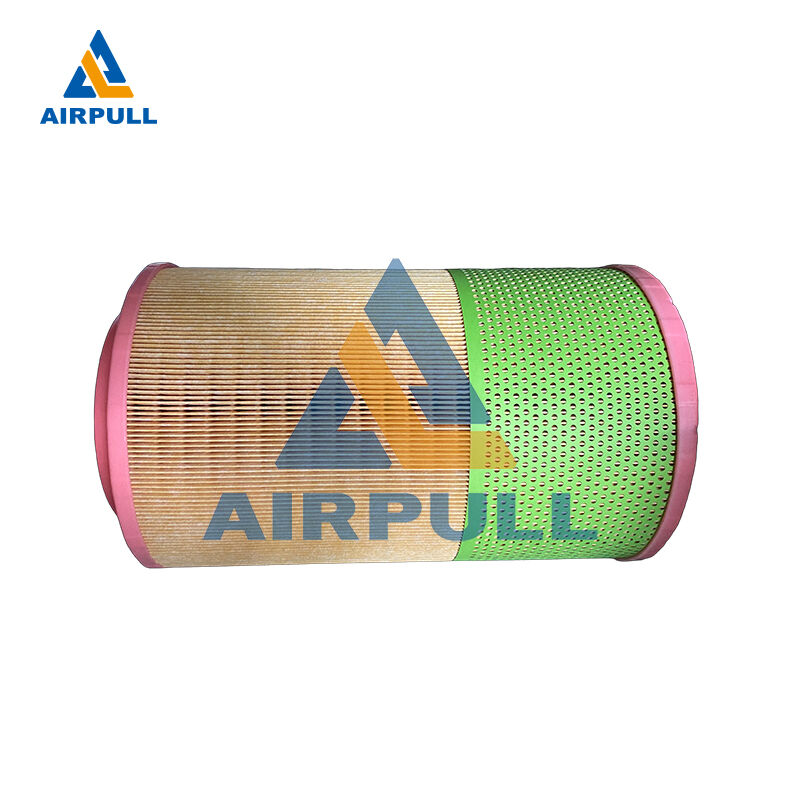
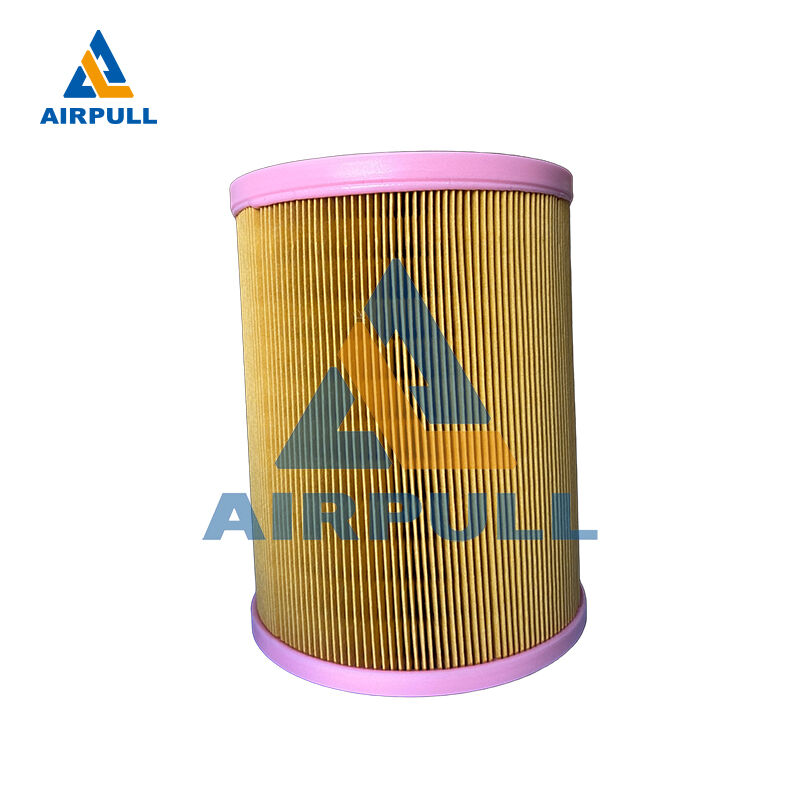
The air intake filter is one of the most frequently serviced among all screw compressor parts, and with good reason. It is responsible for removing airborne dust, particulates, and contaminants before they enter the compression chamber. A clogged or damaged intake filter forces the compressor to work harder, increases differential pressure, raises operating temperatures, and accelerates wear on internal components including the rotors and oil separator.
Filter replacement intervals must be calibrated to the actual operating environment rather than simply following calendar-based schedules. Facilities with high ambient dust — such as cement plants, woodworking shops, or foundries — may require filter changes several times more frequently than cleaner environments. A quality replacement screw compressor parts filter element, engineered to OEM specifications, maintains the filtration efficiency and structural integrity needed to protect downstream components reliably.
Differential pressure gauges installed across the filter housing provide a real-time indication of filter loading. When pressure drop across the intake filter exceeds the manufacturer's specified limit, immediate replacement is warranted regardless of the time since the last service. Monitoring this metric is a simple but highly effective practice that prevents significant secondary damage.
Oil Separator Elements: Protecting Compressed Air Quality
The oil separator element is a critical filtration component in oil-injected screw compressors. Its function is to remove entrained oil aerosols from the compressed air before it exits the unit. As this element ages and becomes saturated, oil carryover increases dramatically — contaminating downstream equipment, tooling, and processes. Among all screw compressor parts, a degraded oil separator has some of the most visible and damaging downstream consequences.
Oil separator elements should be replaced at the manufacturer's specified interval or whenever oil carryover in the compressed air output exceeds acceptable thresholds. In practice, using high-quality, correctly specified separator elements is equally important — undersized or low-efficiency separators may technically fit the housing but provide inferior performance under full-load conditions.
When replacing the oil separator, it is also good practice to inspect the scavenge line and orifice that returns collected oil to the lubrication circuit. A blocked scavenge line causes the separator to flood prematurely, shortening its service life and increasing operating costs. This interconnected view of screw compressor parts maintenance is what separates systematic maintenance from reactive repair.
Lubrication System Maintenance Best Practices
Compressor Oil: Selection, Condition Monitoring, and Change Intervals
The lubrication system in a screw compressor performs three simultaneous functions: it lubricates the rotor contact zones, it seals the compression chamber clearances, and it absorbs and transfers heat away from the compression process. The oil used in a screw compressor is therefore both a lubricant and a process fluid, and its condition directly affects the performance and longevity of all internal screw compressor parts.
Compressor oil degrades through oxidation, thermal breakdown, water contamination, and the accumulation of wear particles and acidic byproducts. Oil analysis — sending periodic samples to a laboratory for viscosity, acidity, and contamination testing — is the most data-driven approach to determining actual oil condition rather than relying solely on hour-based replacement schedules. This practice is particularly valuable in high-duty-cycle industrial applications where the oil experiences heavy thermal and oxidative stress.
Using the correct oil formulation is non-negotiable. Food-grade facilities require specific synthetic formulations to meet contamination control standards. High-temperature environments may demand oils with superior oxidation stability. Mixing incompatible oil types can cause varnish deposits that clog oil passages, starve bearings, and damage seals — creating a cascade of failures across multiple screw compressor parts simultaneously.
Oil Coolers, Thermostatic Valves, and Oil Filters
The oil cooler maintains oil temperature within the optimal operating range. External fouling of air-cooled oil cooler fins is an extremely common cause of elevated operating temperatures, yet it is one of the simplest maintenance tasks to perform. Regular cleaning of cooler fins using compressed air or a soft brush prevents the thermal degradation of oil and the overheating of screw compressor parts that follows when oil temperatures exceed design limits.
The thermostatic bypass valve controls oil temperature by regulating the flow between the cooler and the bypass circuit during warm-up. A failed thermostatic valve — either stuck open or stuck closed — disrupts oil temperature control. A valve stuck open will keep oil temperature too low during startup, risking condensation formation. A valve stuck closed will allow oil to overheat under load. Periodic testing and replacement of this component should be included in comprehensive screw compressor parts maintenance planning.
Oil filters protect the entire lubrication circuit by trapping metallic wear particles and other solid contaminants before they circulate through bearings and rotor clearances. These filters must be replaced at the intervals specified by the OEM. Extended oil filter service intervals in high-contamination environments are a false economy that ultimately leads to accelerated bearing wear and increased total maintenance costs across the compressor system.
Electrical and Control System Components
Inlet Valve and Capacity Control Mechanisms
The inlet valve regulates the volume of air entering the compressor and is central to capacity control and unloaded startup. Wear or carbon buildup on the inlet valve piston and seat is a common failure mode that causes poor modulation, energy waste, and elevated discharge temperatures. Regular inspection and cleaning of the inlet valve assembly should be part of every major service interval for screw compressor parts in variable-demand applications.
Solenoid valves that control the pneumatic or hydraulic actuation of the inlet valve are also subject to wear and coil failure over time. These are relatively low-cost components, but their failure can cause erratic compressor behavior — including surge cycling or failure to unload — that places significant stress on the entire system. Keeping these small but critical screw compressor parts in good working order protects the larger and more expensive components they interact with.
Pressure Relief Valves, Sensors, and Safety Devices
Pressure relief valves are safety-critical screw compressor parts that must be tested and recertified at regular intervals as required by pressure equipment regulations. A relief valve that fails to open at its set pressure creates a potentially dangerous overpressure condition. Conversely, a valve that weeps or opens prematurely causes pressure instability and product loss.
Pressure and temperature sensors feed real-time data to the compressor controller, enabling condition-based maintenance alerts and system protection shutdowns. Sensors that drift out of calibration can cause the controller to make incorrect decisions — allowing the compressor to run under abnormal conditions without triggering protective responses. Annual sensor calibration checks are a simple but important element of maintaining reliable screw compressor parts behavior across the full control architecture.
The controller itself, including its firmware and wiring harness, should also be included in periodic inspection routines. Loose terminal connections, moisture ingress into the control cabinet, and outdated firmware can cause intermittent faults that are difficult to diagnose and can lead to unnecessary downtime. A well-maintained control system is the nervous system that keeps all physical screw compressor parts operating safely and efficiently.
Building a Sustainable Maintenance Schedule for Screw Compressor Parts
Interval Planning Based on Operating Conditions
An effective maintenance schedule for screw compressor parts must reflect real operating conditions rather than being copied directly from a generic OEM manual. The manual provides baseline intervals designed for standard conditions, but most industrial environments deviate from that baseline in meaningful ways. Ambient temperature, dust levels, humidity, run hours per day, and load factor all influence how quickly individual components degrade.
A practical approach is to establish a tiered maintenance matrix: daily visual checks covering fluid levels, temperatures, and pressure readings; weekly checks that include filter differential pressure, cooler cleanliness, and condensate drain function; monthly checks of belts, couplings, and electrical connections; and major interval services at the OEM-specified hours for oil, filters, separators, and valve components. This structured approach ensures that no screw compressor parts category is consistently overlooked in the maintenance cycle.
Using Condition Monitoring to Extend and Optimize Service Intervals
Condition monitoring technologies — including vibration analysis, thermographic imaging, and oil analysis — enable maintenance teams to make data-informed decisions about when specific screw compressor parts actually need servicing versus when they could safely continue in service. This shifts the maintenance model from time-based replacement toward condition-based replacement, reducing both unnecessary part consumption and the risk of run-to-failure events.
Vibration monitoring is particularly valuable for bearing and rotor health assessment. Establishing a baseline vibration signature for a healthy compressor allows technicians to detect and trend deviations that indicate developing faults weeks or months before they become critical failures. This level of predictive insight is increasingly accessible even for small and medium-sized facilities through portable vibration analyzers and cloud-connected sensor platforms.
Ultimately, the investment in systematic condition monitoring pays for itself through reduced emergency repair costs, extended life of expensive screw compressor parts, and improved operational availability. Facilities that combine structured interval-based maintenance with condition monitoring data consistently achieve lower total cost of ownership across the service life of their screw compressor assets compared to those that rely on reactive maintenance alone.
FAQ
How often should air filter elements be replaced in a screw compressor?
Replacement intervals vary based on operating environment. In clean industrial settings, most air filter elements for screw compressor parts are replaced every 2,000 to 4,000 operating hours. In dusty or contaminated environments, replacement may be needed every few hundred hours. Always monitor differential pressure across the filter to determine actual service needs rather than relying on time alone.
What are the signs that screw compressor parts need immediate attention?
Key warning signs include elevated discharge temperature, abnormal vibration or noise, oil in the compressed air output, increased energy consumption for the same output pressure, and frequent controller alarms. Any of these indicators suggests that one or more screw compressor parts — most commonly filters, bearings, seals, or the thermostatic valve — require inspection and likely replacement.
Can mixing different oil types damage screw compressor parts?
Yes. Mixing incompatible oil types — particularly mineral and synthetic formulations, or different additive packages — can cause chemical reactions that form varnish deposits, sludge, and corrosive byproducts. These deposits can block oil passages, damage seals, and accelerate bearing wear across multiple screw compressor parts simultaneously. Always drain and flush completely before switching oil types, and consult the OEM specification before making any lubricant change.
Is it necessary to use OEM-specification replacement parts, or will generic alternatives work?
OEM-specification screw compressor parts are engineered to meet the exact dimensional, material, and performance requirements of the original design. Generic alternatives vary widely in quality, and poorly matched components — particularly filters, seals, and separator elements — can result in inadequate filtration, oil leakage, or premature failure. Using high-quality replacement parts that meet or exceed OEM specifications is strongly recommended to protect system reliability and avoid voiding warranties or certifications.
Table of Contents
- Understanding the Core Components of a Screw Compressor
- Filtration Components and Their Maintenance Logic
- Lubrication System Maintenance Best Practices
- Electrical and Control System Components
- Building a Sustainable Maintenance Schedule for Screw Compressor Parts
-
FAQ
- How often should air filter elements be replaced in a screw compressor?
- What are the signs that screw compressor parts need immediate attention?
- Can mixing different oil types damage screw compressor parts?
- Is it necessary to use OEM-specification replacement parts, or will generic alternatives work?