EN
EN


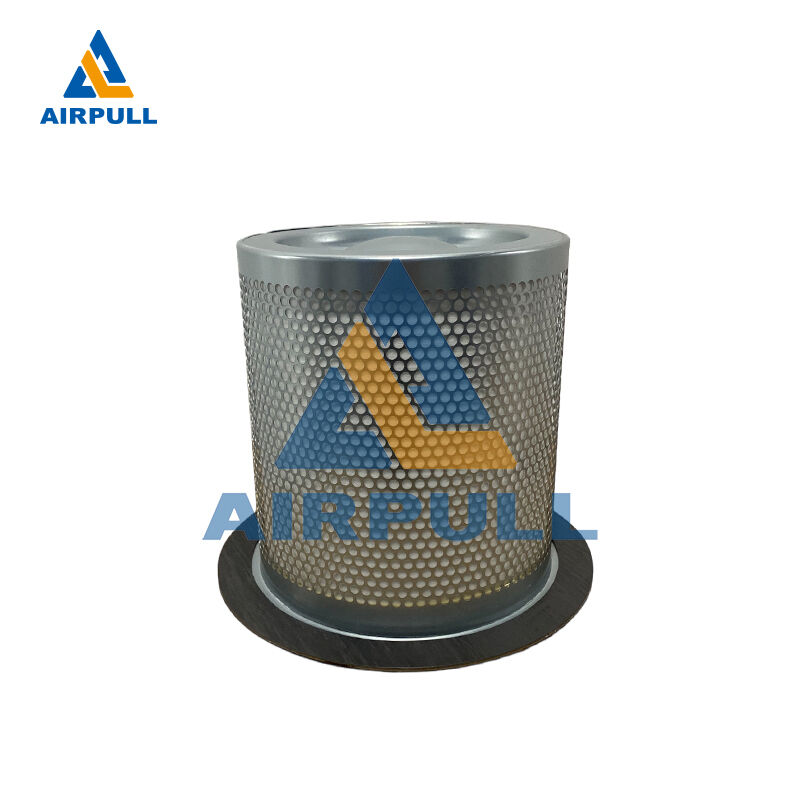
Selecting the right screw compressor parts is one of the most consequential decisions a maintenance engineer or procurement manager can make. The operational efficiency, energy consumption, and service life of a rotary screw compressor are all directly influenced by the quality of the components installed in it. Whether you are sourcing replacement parts for scheduled maintenance or responding to an unexpected failure, understanding what separates high-quality screw compressor parts from substandard alternatives is critical to protecting your investment and keeping production running without costly interruptions.
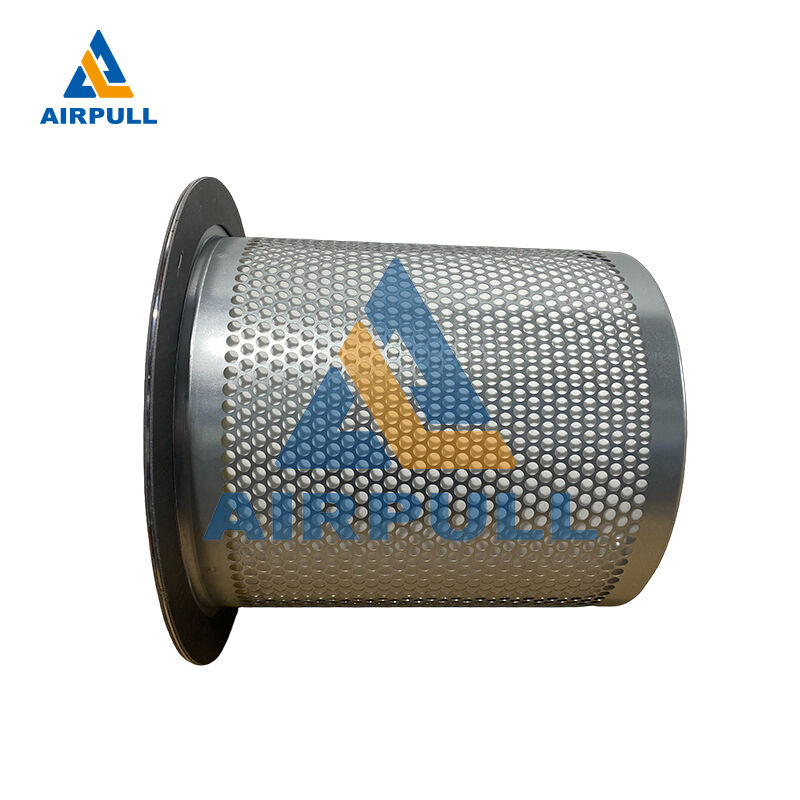
The market for screw compressor parts is broad and, at times, confusing. Dozens of aftermarket suppliers offer components at widely varying price points, and not all of them deliver the dimensional accuracy, material quality, or filtration performance that industrial applications demand. This guide walks through the key evaluation criteria, component categories, and practical decision-making steps that procurement professionals and technical buyers should apply when choosing screw compressor parts for any rotary screw system.
Understanding the Core Categories of Screw Compressor Parts
Filtration Components and Their Role in System Health
Among all screw compressor parts, filtration components are among the most frequently replaced and the most directly tied to machine longevity. The air filter element, oil filter, and oil separator element each serve a distinct protective function within the compression cycle. When any one of these components degrades or fails, the consequences ripple across the entire system — from elevated operating temperatures to accelerated rotor wear and contaminated output air.
A quality screw compressor parts selection should start with the air filter element. This component is the first line of defense against particulate contamination entering the compression chamber. Industrial environments with high dust, humidity, or particulate loads place extraordinary demands on filter media. Choosing a filter element with the correct micron rating, verified filtration efficiency, and robust end-cap construction prevents upstream contamination from causing downstream damage.
Oil separator elements are equally important and are often underestimated in procurement decisions. Their primary function is to remove entrained oil droplets from compressed air before it leaves the system, ensuring both air quality and oil economy. A compromised oil separator leads to elevated oil carryover, which shortens downstream equipment life and may violate air purity standards required for certain production environments. When evaluating screw compressor parts, buyers should examine the glass fiber filtration media quality, the collapse pressure rating, and the sealing integrity of separator elements.
Rotary and Mechanical Components
Beyond filtration, the mechanical screw compressor parts — including rotors, bearings, shaft seals, and coupling components — form the heart of the compression system. These parts are precision-engineered to extremely tight tolerances, and their quality directly determines how efficiently the compressor converts electrical energy into compressed air. Low-grade mechanical components often exhibit dimensional deviations that accelerate wear, increase vibration, and reduce volumetric efficiency over time.
Bearings deserve particular attention when sourcing screw compressor parts. Both radial and axial bearings in a screw compressor operate under sustained loads and high rotational speeds. The bearing grade, lubrication specification, and internal clearance must match the original equipment manufacturer's design parameters. Using undersized or lower-grade bearings may appear cost-effective initially, but the resulting premature failure introduces much higher repair costs and unplanned downtime.
Shaft seals and gaskets are another category where quality shortfalls frequently manifest. These components are responsible for maintaining pressure boundaries and preventing oil migration. When shaft seals are made from materials that cannot withstand the thermal cycling and chemical exposure inside a screw compressor, they harden, crack, and fail faster than expected. Selecting screw compressor parts with verified material certifications — such as FKM or PTFE-based sealing compounds for aggressive environments — is a sound practice.
Key Quality Indicators to Evaluate Before Purchasing
Dimensional Accuracy and OEM Specification Compliance
One of the most reliable ways to assess the quality of screw compressor parts is to verify dimensional compliance with original equipment manufacturer specifications. Every critical dimension — thread pitch, bore diameter, flange geometry, media area — must fall within the tolerances established by the compressor designer. Even a small deviation in a mating surface or sealing face can result in leaks, vibration, or premature component failure.
Reputable suppliers of screw compressor parts will provide detailed dimensional data sheets or be willing to share third-party inspection reports on request. When evaluating aftermarket options, request cross-reference data that confirms compatibility with your specific compressor model and serial number range. Blind purchasing based only on price or visual appearance is a common source of costly mismatches in industrial maintenance programs.
For filtration components, flow resistance data — often expressed as initial pressure drop — is an important quality indicator. A filter element that creates excessive restriction reduces system efficiency and increases energy consumption. Quality screw compressor parts suppliers will be able to provide this data, enabling buyers to make performance-based comparisons rather than relying solely on advertised specifications.
Material Quality and Operating Condition Compatibility
The operating environment of a screw compressor places severe demands on the materials used in its components. Temperatures, pressures, lubricant types, and ambient conditions vary significantly across industrial applications. When sourcing screw compressor parts, matching material specifications to actual operating conditions is just as important as dimensional compatibility.
For oil-flooded rotary screw compressors, the compatibility between the lubricant and the elastomer materials in seals and hoses must be verified. Certain synthetic lubricants, including PAO-based and ester-based oils, are aggressive toward standard nitrile rubber compounds. Purchasing generic sealing components made from incompatible materials without verifying chemical resistance can lead to seal degradation within weeks of installation. Quality screw compressor parts suppliers classify their components by lubricant compatibility and temperature range.
Metal components — including valve plates, housing covers, and cooling system fittings — should be evaluated for corrosion resistance in the context of the operating environment. Facilities in coastal areas, chemical processing environments, or high-humidity manufacturing settings will experience faster corrosion of substandard metallic screw compressor parts. Specifying parts with appropriate surface treatments or alloy specifications prevents premature degradation and extends service intervals.
Supplier Evaluation and Sourcing Strategy
Assessing Supplier Technical Capability
The quality of screw compressor parts is inseparable from the quality and rigor of the supplier's manufacturing and quality assurance processes. Before committing to a supplier, technical buyers should assess whether the supplier operates under a recognized quality management framework, such as ISO 9001, and whether they conduct incoming material inspections, in-process dimensional checks, and final performance testing.
Suppliers with genuine technical depth will have application engineers who can discuss your specific compressor model, operating conditions, and maintenance history. They will be able to advise on whether a standard replacement part is appropriate or whether upgraded materials or modified dimensions are warranted for your operating environment. This level of technical engagement is a strong indicator of supplier credibility when it comes to screw compressor parts.
Traceability is another important dimension of supplier evaluation. Reputable suppliers of screw compressor parts maintain lot traceability records that allow defective batches to be identified and recalled if quality issues emerge. This capability protects buyers from systemic failures and gives maintenance teams confidence in the components they install.
Balancing Cost and Total Value in Procurement Decisions
Price is always a factor in sourcing screw compressor parts, but the lowest initial cost rarely delivers the lowest total cost of ownership. When calculating the true cost of a component, buyers should factor in expected service life, installation labor, the cost of unplanned downtime if the part fails prematurely, and any efficiency losses introduced by substandard components over their installed life.
A filter element priced significantly below market average may be manufactured from lower-grade glass fiber media with poor consistency in filtration efficiency. Over a service interval, this translates into higher contamination levels, more frequent oil changes, and potential damage to downstream equipment — all of which carry real financial consequences. Understanding this cost dynamic leads to smarter procurement of screw compressor parts rather than reactive purchasing driven purely by unit price.
Establishing preferred supplier agreements with qualified vendors of screw compressor parts also contributes to procurement efficiency. Consistent supply of verified components reduces the administrative burden of re-qualifying new sources with every purchase order and provides more predictable maintenance scheduling and budget forecasting for industrial operations teams.
Maintenance Practices That Extend the Life of Screw Compressor Parts
Following Recommended Service Intervals
Even the highest-quality screw compressor parts will underperform or fail prematurely if maintenance intervals are not followed correctly. Compressor manufacturers specify replacement intervals based on operating hours, ambient conditions, and lubricant type. These intervals exist because filtration media saturates, bearings accumulate fatigue cycles, and elastomers harden over time regardless of visible condition.
One common mistake in industrial maintenance programs is extending service intervals beyond OEM recommendations in order to reduce parts expenditure. While this may seem like a cost-saving measure, the incremental damage caused by running past recommended intervals — particularly for oil separator elements and air filter elements — often requires more extensive repairs or full component replacements that dwarf the cost of the delayed parts replacement. Sticking to recommended schedules ensures screw compressor parts deliver their full design life.
Condition monitoring tools, such as differential pressure gauges across filter elements and oil analysis programs for lubricant degradation, provide objective data that helps maintenance teams fine-tune service intervals. These tools are particularly useful in environments where ambient conditions change seasonally or where production demand causes variable compressor loading.
Proper Installation Techniques for Replacement Parts
The quality of screw compressor parts can only be fully realized if installation is performed correctly. Improper torquing of filter housings, incorrect seating of O-rings, or failure to prime new oil filters before startup are common installation errors that compromise even the best-quality components. Training maintenance personnel on correct installation procedures is an essential complement to sourcing high-quality parts.
Before installing new screw compressor parts, technicians should inspect mating surfaces for damage, verify that old gaskets and sealing elements have been fully removed, and confirm that the replacement part's orientation markings align with the system's flow direction. These simple procedural steps significantly reduce the risk of installation-related failures that are easily misattributed to part quality.
Post-installation verification is equally important. After fitting new screw compressor parts, the system should be run through a startup and load cycle while technicians check for leaks, abnormal noise, or unexpected pressure drops. Catching installation errors immediately after startup prevents minor issues from developing into major system damage during subsequent operation.
FAQ
What is the most critical screw compressor part to inspect during scheduled maintenance?
The air filter element and oil separator element are among the most critical screw compressor parts to inspect and replace on schedule. These filtration components directly protect the rotors, bearings, and lubrication system from contamination. Neglecting them leads to accelerated internal wear, elevated oil carryover, and potential compressor failure that is far more expensive than routine part replacement.
How do I verify that aftermarket screw compressor parts are compatible with my machine?
Compatibility verification for aftermarket screw compressor parts should involve cross-referencing the part number with the compressor's model and serial number, reviewing the supplier's dimensional data against OEM specifications, and confirming material compatibility with the lubricant and operating temperature range. Requesting third-party inspection reports or dimensional compliance certificates from the supplier is a reliable verification step.
Can using lower-quality screw compressor parts void a compressor warranty?
In many cases, using non-compliant screw compressor parts that fail to meet OEM specifications can provide grounds for a warranty claim to be denied. Compressor manufacturers typically require that replacement parts meet defined performance and dimensional standards. Buyers should consult their warranty documentation and use parts from suppliers who can demonstrate specification compliance to avoid complications.
How often should screw compressor parts like oil filters and air filters be replaced?
Replacement intervals for screw compressor parts such as oil filters and air filter elements depend on operating hours, ambient dust levels, and the lubricant type in use. Most manufacturers recommend replacing air filter elements every 2,000 to 4,000 hours and oil filters at each oil change interval. In dusty or harsh environments, more frequent inspection and replacement may be necessary to maintain system performance and protect internal components.
Table of Contents
- Understanding the Core Categories of Screw Compressor Parts
- Key Quality Indicators to Evaluate Before Purchasing
- Supplier Evaluation and Sourcing Strategy
- Maintenance Practices That Extend the Life of Screw Compressor Parts
-
FAQ
- What is the most critical screw compressor part to inspect during scheduled maintenance?
- How do I verify that aftermarket screw compressor parts are compatible with my machine?
- Can using lower-quality screw compressor parts void a compressor warranty?
- How often should screw compressor parts like oil filters and air filters be replaced?