
 EN
EN


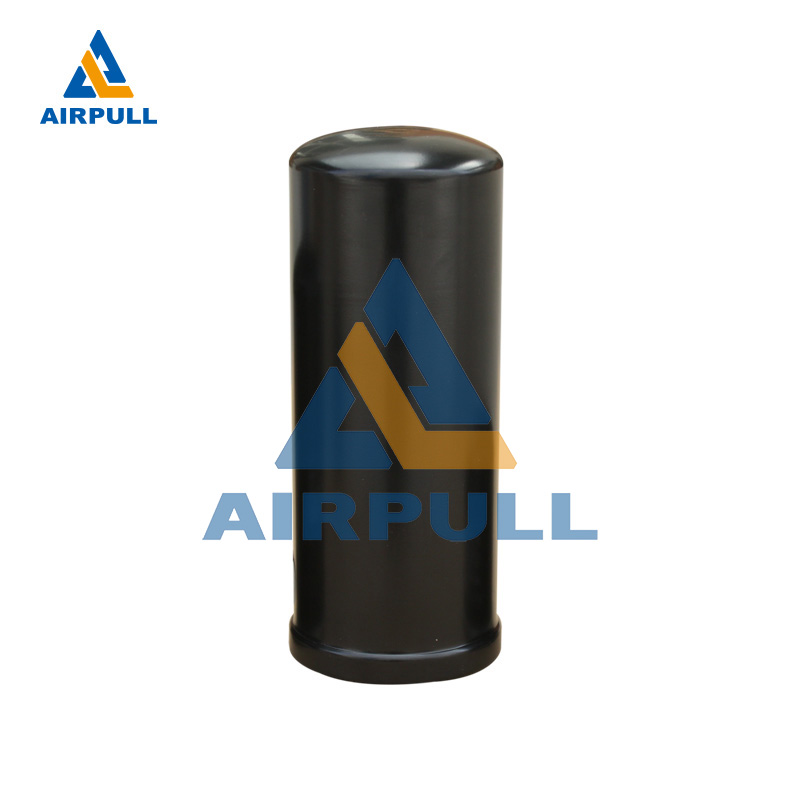
A well-maintained lubricating oil filter filter element is one of the most critical components in any industrial lubrication system. Without proper maintenance, a lubricating oil filter filter element loses its ability to remove contaminants effectively, putting expensive machinery at serious risk. Understanding how to care for this component is not optional — it is a core part of responsible equipment management.

The lubricating oil filter filter element works by trapping particles, metal shavings, sludge, and other impurities before they reach critical moving parts. Over time, the lubricating oil filter filter element accumulates these contaminants and becomes less efficient. A structured maintenance routine ensures the lubricating oil filter filter element continues to perform at the level your system demands, preventing costly downtime and premature component wear.
Why the Lubricating Oil Filter Filter Element Needs Regular Attention
Contaminant Buildup and Its Consequences
Every time oil circulates through a machine, the lubricating oil filter filter element intercepts suspended particles and degraded oil byproducts. As contaminant loading increases, the pressure differential across the lubricating oil filter filter element rises. When this differential exceeds a safe threshold, the element either bypasses oil unfiltered or restricts flow entirely. Both outcomes are damaging. An overloaded lubricating oil filter filter element allows abrasive particles to reach bearings, gears, and cylinders, leading to accelerated wear and eventual failure.
Neglecting the lubricating oil filter filter element also accelerates oil degradation. Trapped contaminants promote oxidation within the oil itself, reducing its lubricating properties faster than expected. This means that ignoring the lubricating oil filter filter element does not just harm the filter — it harms the entire lubrication system and shortens oil service intervals.
Performance Indicators That Signal Maintenance Is Due
Monitoring the lubricating oil filter filter element is easier when you know what to watch. A rising pressure differential gauge reading is the most direct signal that the lubricating oil filter filter element is nearing its service limit. Some systems use a bypass indicator light or a differential pressure switch to alert operators automatically. Additionally, increased machine operating temperature or unusual noise can suggest that the lubricating oil filter filter element is no longer delivering adequate oil flow to lubricated surfaces.
Step-by-Step Maintenance of the Lubricating Oil Filter Filter Element
Inspection and Condition Assessment
Before removing a lubricating oil filter filter element, always depressurize the system and allow oil to cool to a safe handling temperature. Once safely removed, inspect the lubricating oil filter filter element visually. Look for physical deformation, collapse of the filter media, or rupture of the end caps. A collapsed lubricating oil filter filter element indicates excessive differential pressure was sustained for too long. Check the sealing surfaces of the lubricating oil filter filter element housing as well, since damaged O-rings or gaskets can allow oil to bypass the element entirely regardless of its condition.
Cut open a used lubricating oil filter filter element if your maintenance protocol supports it. Examining the trapped contaminant profile gives valuable insight into equipment health. Heavy metallic particles inside the lubricating oil filter filter element may indicate abnormal component wear, prompting further investigation before simply installing a replacement.
Replacement Procedures and Best Practices
When replacing a lubricating oil filter filter element, always use a specification-matched replacement. The lubricating oil filter filter element must match the required micron rating, flow capacity, and pressure rating of the original design. Using an undersized or off-specification lubricating oil filter filter element can compromise filtration quality and even void equipment warranties. Pre-fill the new lubricating oil filter filter element housing with clean oil before installation where the design allows, minimizing the dry-start period during initial startup.
Tighten the lubricating oil filter filter element housing to the torque specification given in the equipment manual. Over-tightening can crack the housing or distort sealing surfaces, while under-tightening allows leakage. After installation, run the system briefly and check for leaks around the lubricating oil filter filter element before returning the equipment to full operation.
Establishing a Sustainable Maintenance Schedule
Interval Determination for the Lubricating Oil Filter Filter Element
Maintenance intervals for a lubricating oil filter filter element depend on several factors: the type of machinery, the operating environment, oil viscosity, and the severity of contamination exposure. In clean indoor environments, a lubricating oil filter filter element may last longer between services. In dusty, high-temperature, or high-load conditions, the lubricating oil filter filter element will require more frequent attention. Most manufacturers recommend inspecting the lubricating oil filter filter element at every oil change interval, but high-duty applications may require more frequent independent checks of the lubricating oil filter filter element.
Establishing a log for each lubricating oil filter filter element service event helps identify patterns. If a lubricating oil filter filter element consistently reaches its pressure limit well before the scheduled interval, the root cause — whether contamination ingestion, oil degradation, or wrong specification — must be addressed. Tracking lubricating oil filter filter element service history creates a reliable basis for adjusting future intervals intelligently.
Storage and Handling of Replacement Elements
Proper storage of spare lubricating oil filter filter element units is equally important. Store each lubricating oil filter filter element in its original sealed packaging in a clean, dry area away from direct sunlight, heat sources, and chemical exposure. A damaged or contaminated lubricating oil filter filter element in storage will underperform the moment it is installed. Label storage shelving clearly so that the correct lubricating oil filter filter element specification is always matched to the right machine, preventing installation errors on the shop floor.
FAQ
How often should a lubricating oil filter filter element be replaced?
The replacement interval for a lubricating oil filter filter element varies by application, but a general guideline is to inspect and replace the lubricating oil filter filter element at every oil change or when the differential pressure reaches the manufacturer-specified limit. High-contamination environments may require more frequent lubricating oil filter filter element replacement to maintain system protection.
Can a lubricating oil filter filter element be cleaned and reused?
Most modern lubricating oil filter filter element designs use depth-filter or pleated media that cannot be reliably cleaned and reinstalled. Attempting to clean a lubricating oil filter filter element risks damaging the media structure and reducing its filtration efficiency. In most industrial applications, replacing the lubricating oil filter filter element with a new unit is the recommended and safest practice.
What happens if a lubricating oil filter filter element is not maintained?
If a lubricating oil filter filter element is neglected, contaminant buildup will eventually cause the bypass valve to open, allowing unfiltered oil to circulate through the system. This exposes critical components to abrasive particles and accelerates wear significantly. Over time, a poorly maintained lubricating oil filter filter element can contribute to major equipment failures, expensive repairs, and unplanned production downtime.
