 ×
×

في نظام تزييت ضاغط الهواء، يُعد فلتر الزيت أحد المكونات الثلاثة الأساسية التي تحدد موثوقية ونظافة الجهاز، إلى جانب فلتر الهواء وفاصل الزيت عن الهواء. إن فلتر ضاغط هواء عالي الجودة...
اتصل بنا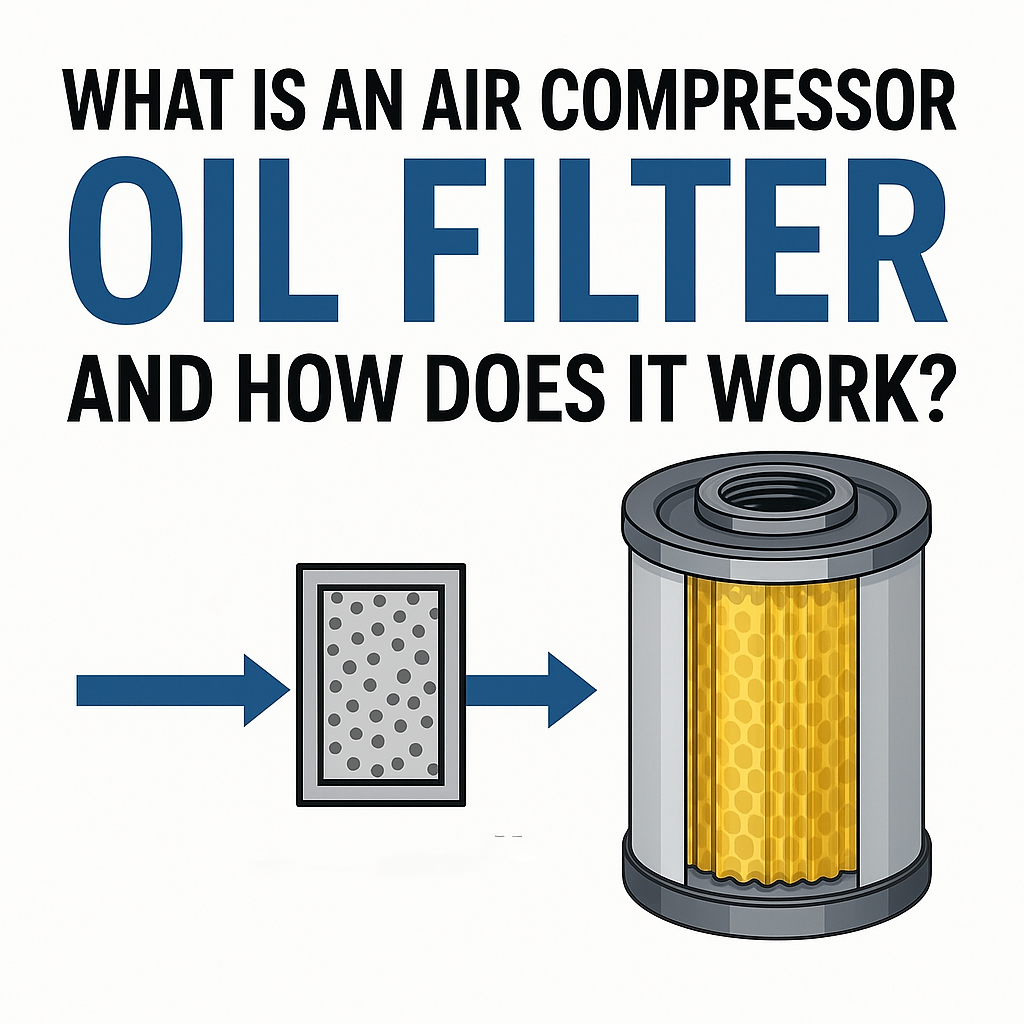
في نظام تزييت ضاغط الهواء، يُعد مرشح الزيت أحد المكونات الثلاث الأساسية التي تحدد موثوقية ونظافة المعدات، إلى جانب مرشح الهواء وفاصل الهواء عن الزيت.
مرشح هواء عالي الجودة زيت المكبس يُعد أمرًا بالغ الأهمية لضمان نظافة زيت التزييت، وحماية نهاية الهواء، وتمديد العمر الافتراضي الكلي للضاغط.
يشرح هذا المقال وظيفة ومبادئ عمل وطريقة اختيار مرشح زيت الضواغط الهوائية فلتر زيت الضاغط ، مُحسّن للمستخدمين الذين يبحثون عن حلول استبدال مرشح زيت الضواغط الهوائية أو مرشح زيت الضواغط اللولبية أو مرشحات الزيت من النوع الدوراني (spin-on).
مرشح زيت ضاغط الهواء - والمعروف أيضًا باسم مرشح زيت الضاغط عنصر الترشيح أو مرشح زيت التشحيم، أو منظف الزيت - هو قطعة تالفة مصممة لإزالة الشوائب من زيت تزييت الضاغط.
أثناء تشغيل ضاغط لولبي دوار، يحمل مادة التزييت شوائب مختلفة، منها:
جسيمات معدنية ناتجة عن التآكل الميكانيكي
غبار بيئي وجزيئات صلبة
الرواسب الكربونية
منتجات الأكسدة
إذا لم يتم تصفية هذه الشوائب بشكل صحيح، فقد تؤدي إلى:
زيادة تآكل نهاية ضاغط الهواء
ارتفاع فرق الضغط وانخفاض الكفاءة
تقصير عمر خدمة زيت التزييت
فشل مبكر في فاصل الهواء عن الزيت
توقف غير متوقع للنظام أو ارتفاع درجة حرارته
لذلك، فإن استبدال فلتر زيت الضاغط الهوائي بمنتج موثوق أمرٌ ضروري للتحكم في تلوث الزيت، ويضمن استمرارية التزييت والأداء المستقر.
يمكن تصنيف مرشحات زيت ضاغط الهواء إلى:
فلاتر الزيت الدوارة (نوع البرغي الخارجي)
فلاتر الزيت المتسلسلة / الكارtridge (النوع الداخلي)
تشمل خيارات وسطاء التصفية الورق السليلوزي، والشبكة المعدنية، والألياف الصناعية، والتي توفر تصنيفات مختلفة بالميرون وقدرات متفاوتة على احتجاز الأوساخ.
يمكن تلخيص آلية عمل فلتر الزيت لضواغط الهواء اللولبية في ثلاث مراحل:
يتدفق زيت التزييت الذي يحتوي على شوائب إلى غلاف المرشح من خلال دائرة التزييت.
يستخدم وسط التصفية - الذي يبلغ عادةً بين 5 إلى 25 ميكرونًا - هيكله المزود بمسام دقيقة لاحتجاز الشوائب:
تلتقط الطبقات الخارجية الجسيمات الأكبر حجمًا
تُزيل الطبقات الداخلية الدقيقة الجزيئات الأصغر من الغبار وقطع المعادن
تقلل طبقات الألياف الاصطناعية من فقدان الضغط وتحسّن قدرة الاحتفاظ بالأتربة
هذه المرحلة تحسّن بشكل كبير مستوى نظافة الزيت (الرمز ISO).
بعد التصفية، يعود الزيت النظيف إلى نهاية الهواء والمحامل والتروس وجميع نقاط التزييت الأخرى، مما يضمن التبريد والحماية المناسبين.
باختصار، يضمن فلتر الزيت:
تصفية عالية الكفاءة
تزييتًا مستمرًا
انخفاض في انخفاض الضغط
إطالة عمر الضاغط
إن اختيار عنصر فلتر زيت الضاغط الهوائي الصحيح أمر بالغ الأهمية لتعظيم موثوقية الضاغط. يجب مراعاة ما يلي:
توافق طراز المصنع الأصلي (OEM)
تصنيف الميكرون وكفاءة الترشيح
خصائص انخفاض الضغط
لزوجة التشحيم ونوع الزيت
مستوى الغبار والبيئة العاملة
ساعات التشغيل وجدول الصيانة
يساعد اختيار فلتر زيت الضاغط اللولبي المناسب في:
تقليل التآكل الميكانيكي
إطالة عمر فاصل الهواء عن الزيت
الحفاظ على ضغط ودرجة حرارة مستقرة
تكلفة صيانة أقل
تجنب الإيقاف غير المخطط له
في البيئات القاسية، يُوصى باستخدام فلتر زيت من ألياف صناعية يتمتع بقدرة أعلى على احتجاز الأوساخ.
إرشادات نموذجية:
استبدل عندما يصل الفرق في الضغط (ΔP) إلى 0.8–1 بار
عمر الخدمة: ٢٠٠٠–٤٠٠٠ ساعة تشغيل، ويعتمد ذلك على حالة مادة التزييت
استبدل في وقت سابق في ظروف الغبار أو الأحمال الثقيلة
تشمل الأعراض الشائعة لمرشح الزيت المسدود ما يلي:
ارتفاع درجة الحرارة
انخفاض الضغط في دائرة التزييت
انخفاض كفاءة الضاغط
انسداد متكرر للفاصل
إذا ظهرت هذه الأعراض، يُوصى باستبدال فلتر زيت ضاغط الهواء فورًا.
يُعد مرشح الزيت مكونًا حيويًا في أي نظام ضاغط هواء، حيث يضمن تزييتًا نظيفًا، ويحمي وحدة الهواء، ويعزز الأداء العام.
اختيار فلتر زيت عالي الجودة لضاغط الهواء واستبداله وفق الجدول الزمني يساعد في تقليل تكاليف الطاقة، وتمديد عمر الجهاز، وضمان التشغيل المستقر.
إذا كنت بحاجة إلى استبدالات لفلاتر الزيت مكافئة للأصلية (OEM)، أو قوائم مرجعية متقاطعة، أو نشرات بيانات فنية، أو عينات، فلا تتردد في التواصل مع فريق الهندسة لدينا للحصول على المساعدة.

توفر شركة شينشيانغ إيربول للمرشحات المحدودة مرشحات ضاغط هواء عالية الكفاءة وفواصل زيت-غاز وأنظمة ترشيح صناعية. مع أكثر من 30 عامًا من الخبرة و 33 براءة اختراع، نقدم حلولًا موثوقة لقطاعات الطاقة والنفط والصناعات الكيماوية. شحن عالمي إلى أكثر من 50 دولة.
الحي الصناعي للطاقة الكيميائية والفيزيائية الوطنية، شارع شينكي، منطقة موويه، مدينة شينشيانغ، مقاطعة خنان
حقوق الطبع والنشر © 2026 XINXIANG AIRPULL FILTER CO.,LTD جميع الحقوق محفوظة سياسة الخصوصية

 EN
EN

