EN
EN



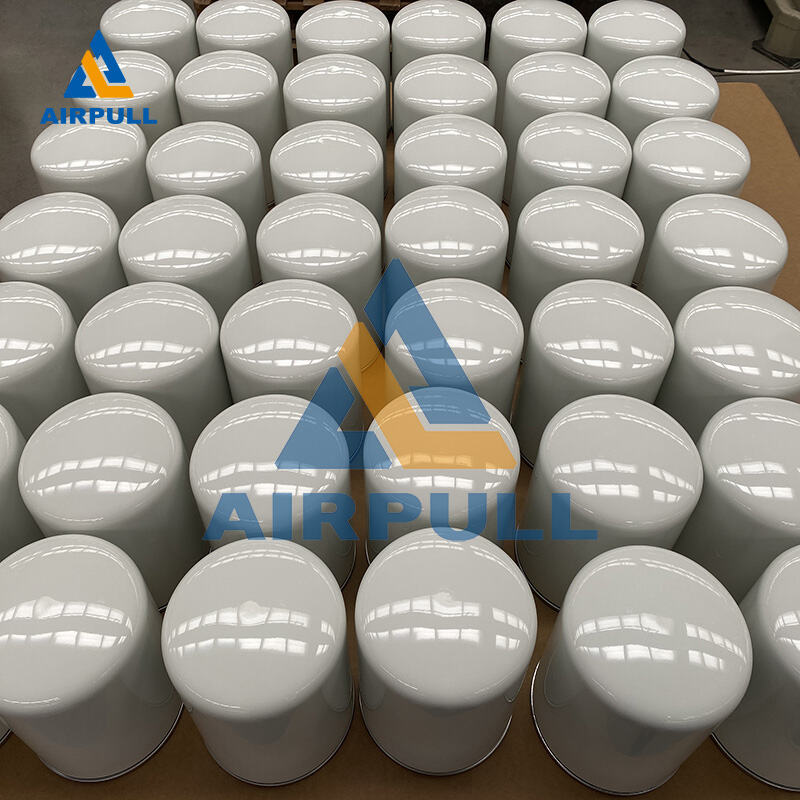
Výber správneho filter vzduchu skrutkového kompresora je kľúčové pre udržanie optimálneho výkonu zariadenia a predĺženie prevádzkovej životnosti vášho systému stlačeného vzduchu. Priemyselné zariadenia veľmi závisia od čistého, nekontaminovaného stlačeného vzduchu na poháňanie pneumatických nástrojov, výrobných procesov a kritických aplikácií. Správny filtračný systém chráni zariadenia v následnej časti systému pred škodlivými časticami, vlhkosťou a kontamináciou olejom, ktoré môžu spôsobiť drahé opravy a výpadky výroby. Porozumenie kľúčovým faktorom ovplyvňujúcim výber filtra umožňuje manažérom zariadení a údržbovým tímom rozhodovať sa informovane tak, aby vyvážili požiadavky na výkon s prevádzkovými nákladmi.
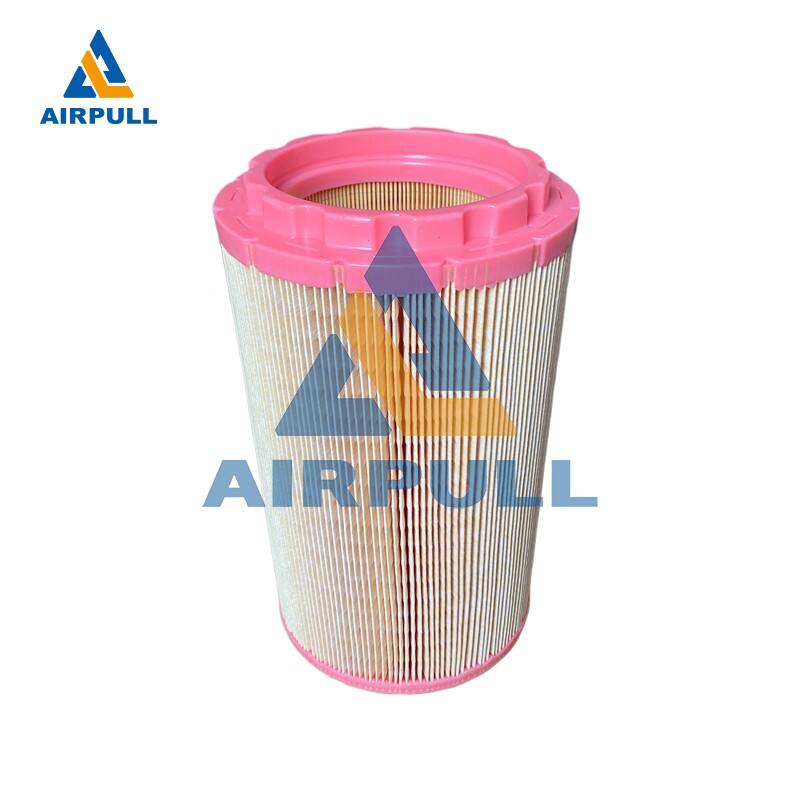
Porozumenie požiadaviek na filtráciu vzduchu
Typy a zdroje kontaminácie
Systémy stlačeného vzduchu sú vystavené viacerým zdrojom kontaminácie, ktoré vyžadujú rôzne prístupy k filtrácii. Atmosférický vzduch, ktorý vstupuje do kompresora, obsahuje prach, peľ, baktérie a rôzne ďalšie suspendované častice, ktoré môžu poškodiť vnútorné komponenty, ak nie sú správne filtrované. Prenos oleja z procesu kompresie spôsobuje kontamináciu uhľovodíkmi, ktorá ovplyvňuje kvalitu vzduchu a môže ohroziť citlivé aplikácie. Vodná para sa kondenzuje pri ochladzovaní stlačeného vzduchu, čo spôsobuje problémy s vlhkosťou a podporuje koróziu a rast baktérií v celom systéme.
Priemyselné prostredia predstavujú dodatočné výzvy spôsobené zvýšenou koncentráciou častíc, chemickými výparmi a špecifickými kontaminantmi spojenými s výrobnými procesmi. Kvalitný vzduchový filter pre skrutkový kompresor musí tieto rôznorodé zdroje kontaminácie eliminovať prostredníctvom viacstupňovej filtrácie, ktorá odstraňuje častice rôznych veľkostí aj chemického zloženia. Porozumenie špecifickým kontaminantom prítomným vo vašom zariadení pomáha určiť vhodnú technológiu filtrácie a požadované výkonnostné špecifikácie pre dosiahnutie optimálnych výsledkov.
Štandardy a klasifikácie kvality vzduchu
Priemyselné normy definujú úrovne kvality stlačeného vzduchu na základe koncentrácie častíc, obsahu vlhkosti a limitov olejových pár. Norma ISO 8573 stanovuje deväť tried kvality stlačeného vzduchu, pričom trieda 1 predstavuje najvyššiu úroveň čistoty vhodnú pre farmaceutický priemysel, potravinársky priemysel a výrobu elektroniky. Nižšie triedy kvality sú určené pre menej kritické aplikácie, kde sú akceptovateľné stredné úrovne kontaminácie bez ohrozenia prevádzkových požiadaviek.
Prispôsobenie výberu vzduchového filtra pre váš skrutkový kompresor požadovanej triede kvality vzduchu zaisťuje dodržiavanie priemyselných predpisov a špecifikácií pre dané aplikácie. Zdravotnícke zariadenia, potravinárske výrobné závody a výroba polovodičov vyžadujú kvalitu vzduchu triedy 1 alebo triedy 2, ktorá si vyžaduje vysokovýkonné filtračné systémy. Všeobecné priemyselné aplikácie môžu efektívne fungovať s kvalitou vzduchu triedy 3 alebo triedy 4, čo umožňuje použitie cenovo výhodnejších filtračných riešení, ktoré napriek tomu poskytujú primeranú ochranu zariadení a technologických procesov.
Filtračná technológia a návrhové aspekty
Typy filtračného média
Moderné systémy vzduchových filtrov pre šroubové kompresory využívajú rôzne filtračné média navrhnuté pre špecifické požiadavky na odstraňovanie kontaminantov. Záhybové syntetické médium poskytuje vynikajúcu retenciu častíc pri minimálnom poklese tlaku, čo ho robí ideálnym pre všeobecné aplikácie, kde sú hlavnými problémami prach a tuhé častice. Aktivované uhlíkové médium sa vyznačuje vynikajúcimi vlastnosťami pri odstraňovaní olejových par, chemických pachov a летúcich organických zlúčenín prostredníctvom adsorpčných procesov, ktoré zachytávajú molekuly vo vnútornej štruktúre uhlíka.
Koalescenčné filtračné médiá kombinujú mechanické filtrovanie s účinkami povrchovej napätia na odstraňovanie kvapalných aerosolov a jemných kvapôčok z prúdov stlačeného vzduchu. Táto technológia sa ukázala ako obzvlášť účinná pri odstraňovaní oleja, kde je potrebné eliminovať stopové množstvá uhľovodíkového kontaminantu, aby sa splnili prísne požiadavky na kvalitu vzduchu. Filtry na vysokoúčinné častice vzduchu (HEPA) obsahujú médiá HEPA triedy, ktoré zachytávajú submikrónové častice s účinnosťou vyššou ako 99,97 % pre kritické aplikácie vyžadujúce ultračistý stlačený vzduch.
Návrh a konštrukcia pouzdra
Návrh filtračného puzdra významne ovplyvňuje výkon, požiadavky na údržbu a prevádzkové náklady počas celého životného cyklu filtra. Odolné puzdrá z hliníka alebo nehrdzavejúcej ocele poskytujú odolnosť voči korózii a štrukturálnu pevnosť potrebnú pre systémy stlačeného vzduchu s vysokým tlakom. Vnútorné tokové vzory a usporiadanie baflov optimalizujú účinnosť filtrácie a zároveň minimalizujú tlakové straty, ktoré znížia energetickú účinnosť systému a zvýšia prevádzkové náklady.
Modulárny návrh puzier umožňuje jednoduchý prístup na údržbu a výmenu filtračných prvkov bez prerušenia dodávky stlačeného vzduchu do kritických procesov. Rýchloodpojiteľné spojky, pozorovacie okienka na vizuálnu kontrolu filtračných prvkov a integrované odvodňovacie systémy zvyšujú prevádzkovú pohodlnosť a skracujú čas potrebný na údržbu. Správne navrhnuté filtračné puzdrá obsahujú uzávery na uvoľnenie tlaku a indikátory rozdielu tlakov, ktoré poskytujú včasnú výstrahu pred nasýtením filtračného prvku a potrebou údržby.
Špecifikácie výkonu a kritériá výberu
Zohľadnenie prietokového množstva a tlakovej straty
Presné výpočty prietoku zabezpečujú, že vybraný filter vzduchu skrutkového kompresora zvláda požadovaný objem stlačeného vzduchu bez nadmerných strat tlaku. Príliš malé filtre spôsobujú obmedzenia prietoku, čo zvyšuje spotrebu energie a môže ohroziť výkon zariadení v následnej časti systému. Príliš veľké filtre predstavujú zbytočné kapitálové výdavky a nemusia pracovať v optimálnych bodoch účinnosti, ktoré sú do filtračného systému navrhnuté.
Strata tlaku cez filtračné prvky sa zvyšuje so zvyšujúcim sa množstvom kontaminácie, preto je potrebná ich pravidelná výmena, aby sa udržala účinnosť systému. Špecifikácie počiatočnej straty tlaku pomáhajú predpovedať prevádzkové náklady a stanoviť intervaly údržby pre filtrovací prvek výmenu. Moderné filtračné konštrukcie využívajú pokročilé usporiadania filtračného média, ktoré minimalizujú straty tlaku pri čistom stave a zároveň zabezpečujú vysokú schopnosť zachytávať nečistoty, čo umožňuje predĺžiť intervaly servisu a znížiť náklady na údržbu.
Hodnotenia účinnosti a rozdelenie veľkostí častíc
Hodnotenia účinnosti filtračných systémov udávajú percentuálny podiel častíc, ktoré sú odstránené v konkrétnych rozsahoch veľkostí, a umožňujú presný výber filtra podľa požiadaviek konkrétneho použitia. Krivky zlomkového výkonu poskytujú podrobné údaje o výkone v celom spektre veľkostí častíc, čo inžinierom umožňuje optimalizovať filtráciu pre špecifické profily kontaminácie. Vysokoúčinné filtre môžu dosiahnuť odstránenie až 99,9 % častíc s veľkosťou väčšou ako 0,01 mikróna, zatiaľ čo univerzálne filtre zvyčajne zameriavajú svoju účinnosť na 99 % pre častice s priemerom nad 1,0 mikróna.
Porozumenie rozdeleniu veľkosti častíc vo vašom systéme stlačeného vzduchu pomáha prispôsobiť výkon filtra skutočným charakteristikám kontaminácie namiesto spoľahlivosti na všeobecné špecifikácie. Laserové počítače častíc a zariadenia na monitorovanie kvality vzduchu poskytujú empirické údaje pre výber filtrov a overenie ich výkonu. Tento analytický prístup zabezpečuje optimálny výkon vzduchových filtrov pre špirálové kompresory a zároveň predchádza nadmernému špecifikovaniu, ktoré by zvyšovalo nepotrebné náklady bez zodpovedajúcich výhod.
Najlepšie postupy pri montáži a údržbe
Integrácia a umiestnenie do systému
Správne umiestnenie filtra v rámci systému stlačeného vzduchu maximalizuje jeho výkon a účinne chráni komponenty v následnej časti systému. Predfiltre inštalované bezprostredne za chladičom kompresora odstraňujú väčšinu vlhkosti a veľkých častíc, kým vzduch vstúpi do presných stupňov filtrácie. Viacstupňová filtrácia usporiadaná v poradí klesajúcich hodnôt mikrónov umožňuje postupné odstraňovanie kontaminantov, čím sa predĺži životnosť filtrov a zvýši sa celková účinnosť systému.
Zohľadnenie teploty a tlaku ovplyvňuje umiestnenie filtrov a požiadavky na ich špecifikáciu v celom systéme rozvodu stlačeného vzduchu. Horúci stlačený vzduch priamo zo kompresora vyžaduje filtre s hodnotením pre zvýšené teploty, zatiaľ čo ochladený vzduch v rozvodných potrubiach umožňuje použitie prvkov so štandardným teplotným hodnotením. Hodnotenia tlaku musia zohľadňovať maximálny tlak v systéme vrátane primeraných bezpečnostných faktorov, aby sa zabránilo poškodeniu filterového puzdra počas tlakových rázov alebo uzatvárania ventilov.
Protokoly prevencie údržby
Zavedenie komplexných plánov údržby zabezpečuje stálu prevádzkovú výkonnosť vzduchových filtrov pre špirálové kompresory a predchádza neočakávaným poruchám, ktoré narušujú výrobné operácie. Pravidelné monitorovanie rozdielu tlakov indikuje stupeň zaťaženia filtračného prvku a poskytuje včasné varovanie pred obchádzaním filtra alebo preniknutím nečistôt. Postupy vizuálnej kontroly umožňujú identifikovať poškodenie puzdra, opotrebovanie tesnení a problémy s inštaláciou, ktoré oslabujú účinnosť filtrácie.
Dokumentačné systémy sledujú intervaly výmeny filtrov, výkonnostné trendy a náklady na údržbu, aby optimalizovali plán výmeny a identifikovali možnosti zlepšenia systému. Správa zásob náhradných dielov zabezpečuje, že kritické filtračné prvky sú k dispozícii pre plánovanú údržbu aj pre núdzové výmeny. Školenie personálu zodpovedného za údržbu v oblasti správnych postupov inštalácie zabraňuje kontaminácii počas výmeny filtrov a zaisťuje optimálny výkon nových prvkov.
Analýza nákladov a ekonomické úvahy
Počiatočné investície vs. prevádzkové náklady
Komplexná analýza nákladov vyhodnocuje nielen počiatočné investície do systému filtrácie, ale aj bežné prevádzkové náklady počas celého životného cyklu zariadenia. Vysokokvalitné systémy vzduchových filtrov pre skrutkové kompresory môžu vyžadovať vyššie počiatočné investície, avšak poskytujú vynikajúci výkon, predĺžené intervaly údržby a znížené náklady na údržbu, čo v konečnom dôsledku zabezpečuje výhodnú celkovú vlastnícku cenu. Analýza spotreby energie kvantifikuje straty tlaku spojené s rôznymi technológiami filtrov a ich vplyv na prevádzkové náklady kompresora.
Náklady na výmenu filtračných prvkov sa výrazne líšia podľa výrobcov a technológií, čo ovplyvňuje dlhodobé prevádzkové rozpočty systémov stlačeného vzduchu. Prvky s vysokou kapacitou a predĺženou životnosťou znižujú náklady na prácu a minimalizujú výpadky výroby počas údržbových aktivít. Dohody o nákupoch vo veľkých objemoch a štandardizované špecifikácie filtrov pre viaceré kompresorové inštalácie umožňujú dosiahnuť významné úspory prostredníctvom zliav za objem a zjednodušenej správy zásob.
Monitorovanie a optimalizácia výkonu
Pokročilé monitorovacie systémy sledujú metriky výkonu filtrov a poskytujú založené na dátach poznatky pre optimalizáciu a možnosti zníženia nákladov. Snímače rozdielu tlakov, prietokomery a senzory kvality vzduchu generujú nepretržité údaje o výkone, ktoré umožňujú strategickú prediktívnu údržbu a zabraňujú nákladným poruchám zariadení. Automatizované monitorovanie zníži požiadavky na manuálne kontroly a zároveň poskytuje presnejšie a aktuálnejšie informácie o výkone.
Analýza trendov výkonnosti identifikuje vzory degradácie a pomáha optimalizovať intervaly výmeny na základe skutočných prevádzkových podmienok namiesto všeobecných odporúčaní výrobcu. Tento analytický prístup maximalizuje využitie filtrov pri zachovaní požadovaných noriem kvality vzduchu. Možnosti diaľkového monitorovania umožňujú centrálne správanie viacerých inštalácií kompresorov a usmerňujú plánovanie preventívnej údržby v rámci celých prevádzkových činností zariadenia.
Často kladené otázky
Ako často je potrebné meniť vzduchové filtre špirálových kompresorov
Frekvencia výmeny filtra závisí od prevádzkových podmienok, požiadaviek na kvalitu vzduchu a úrovne kontaminácie vo vašom konkrétnom prostredí. Väčšina priemyselných aplikácií vyžaduje výmenu filtračného prvku každých 6–12 mesiacov za normálnych prevádzkových podmienok. V prostrediach s vysokou úrovňou kontaminácie alebo v kritických aplikáciách môže byť potrebná častejšia výmena, napríklad každých 3–6 mesiacov. Sledujte rozdielny tlak cez filtre a vymeňte filtračné prvky, keď pokles tlaku dosiahne špecifikácie výrobcu – zvyčajne 10–15 psi nad poklesom tlaku čistého filtra. Pravidelné testovanie kvality vzduchu pomáha overiť výkon filtra a optimalizovať čas výmeny.
Aký je rozdiel medzi koalescenčnými a časticovými filtrami?
Časticové filtre odstraňujú pevné kontaminanty, ako sú prach, nečistoty a čiastočky hrdzy, prostredníctvom mechanického filtračného média, ktoré zachytáva častice väčšie ako veľkosť pórov média. Koalescenčné filtre sa špecificky zameriavajú na kvapalné aerosoly a olejovú mlhu tým, že spoja častice do väčších kvapôčok, ktoré sa potom odtekajú z prúdu vzduchu. Časticové filtre zvyčajne odstraňujú častice s veľkosťou 0,1–1,0 mikróna, zatiaľ čo koalescenčné filtre vynikajú pri odstraňovaní kvapôčok kvapalín menších ako jeden mikrón a olejových par. Väčšina systémov stlačeného vzduchu vyžaduje oba typy filtrov zapojené za sebou (v sérii) na úplnú kontrolu kontaminácie.
Môžem použiť automobilové alebo domáce vzduchové filtre v mojom kompresorovom systéme?
Automobilové a domáce vzduchové filtre nie sú vhodné pre aplikácie stlačeného vzduchu kvôli nedostatočným hodnotám tlaku, nevhodnému výberu filtračného média a nedostatočnej konštrukcii obalu. Systémy stlačeného vzduchu pracujú pri tlakoch 100–200 psi alebo vyšších, čo výrazne presahuje možnosti štandardných vzduchových filtrov určených pre aplikácie pri atmosférickom tlaku. Priemyselné systémy vzduchových filtrov pre skrutkové kompresory vyžadujú špeciálne obaly pre vysoký tlak, vhodné tesnenia a tesniace kruhové tesnenia, ako aj filtračné médium navrhnuté na odstraňovanie kontaminantov zo stlačeného vzduchu. Použitie nevhodných filtrov vytvára bezpečnostné riziká a ohrozujú kvalitu vzduchu.
Ako zistím správnu veľkosť filtra pre môj kompresor
Veľkosť filtra závisí od prietokovej rýchlosti vášho kompresora, prevádzkového tlaku a požadovaných špecifikácií kvality vzduchu. Vypočítajte prietokovú rýchlosť vo štandardných kubických stopách za minútu za vašich prevádzkových podmienok tlaku a teploty. Vyberte filtračné puzdrá s hodnotou výkonu aspoň 125 percent vašej maximálnej prietokovej rýchlosti, aby ste predišli nadmernému poklesu tlaku a zabezpečili dostatočnú kapacitu odstraňovania kontaminantov. Pri určovaní veľkosti filtračných systémov zohľadnite aj požiadavky na budúce rozšírenie a obdobia maximálneho zaťaženia. Pre overenie správneho výberu filtra pre vaše konkrétne aplikácie sa poraďte so sieťovými grafmi na výber výrobkov a technickými špecifikáciami výrobcu.