EN
EN



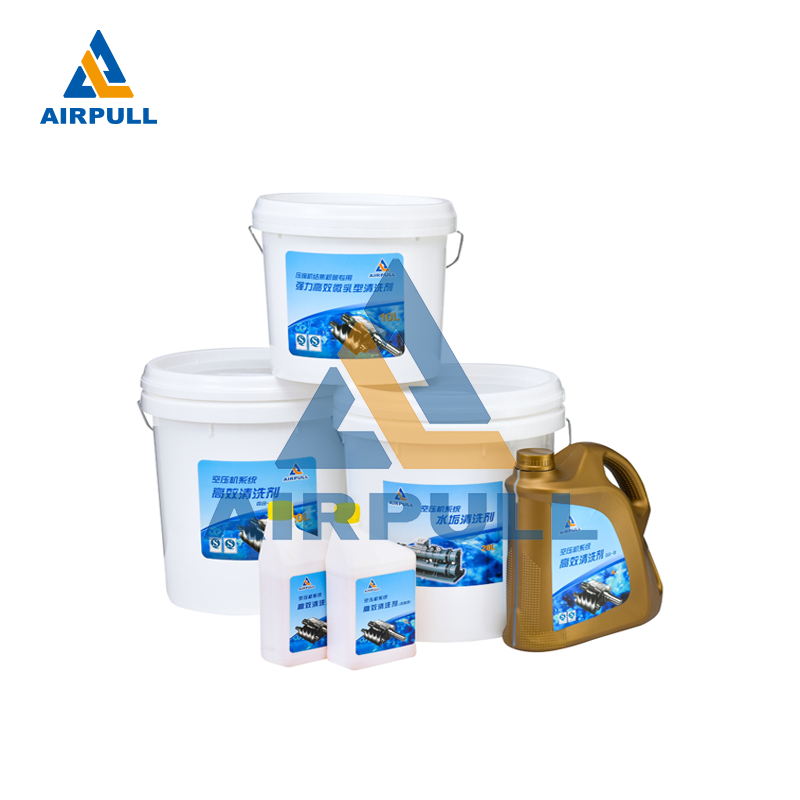
আপনার অবস্থা বুঝতে কমপ্রেসর তেল সঠিক বিশ্লেষণের মাধ্যমে সর্বোত্তম সরঞ্জাম কর্মক্ষমতা বজায় রাখতে এবং ব্যয়বহুল ভাঙ্গন প্রতিরোধ করতে মৌলিক। কম্প্রেসার তেলের নিয়মিত পরীক্ষা তৈলাক্তকরণ দ্রব্যের অবক্ষয়, দূষণের মাত্রা এবং সামগ্রিক সিস্টেমের স্বাস্থ্য সম্পর্কে গুরুত্বপূর্ণ অন্তর্দৃষ্টি প্রদান করে, রক্ষণাবেক্ষণ দলগুলিকে তেল পরিবর্তন এবং সিস্টেম রক্ষণাবেক্ষণ সম্পর্কে অবগত সিদ্ধান্ত নিতে সক্ষম করে।
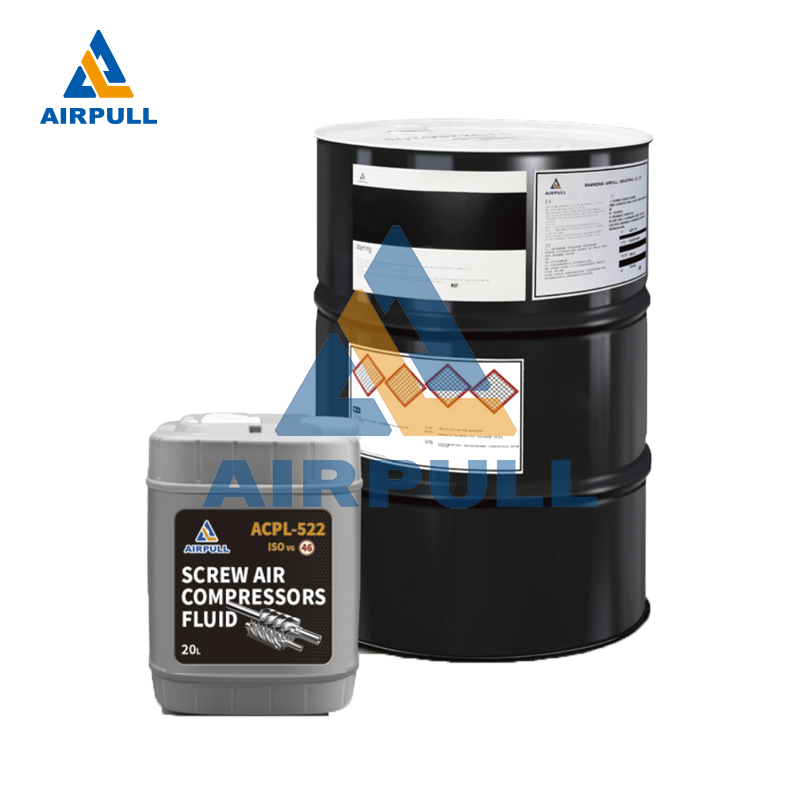
শিল্প প্রয়োগে কম্প্রেসর তেল বিশ্লেষণের গুরুত্বকে অতিরঞ্জিত করা যায় না, যেখানে সরঞ্জামের বিশ্বস্ততা সরাসরি উৎপাদনশীলতা এবং লাভজনকতাকে প্রভাবিত করে। পদ্ধতিগত পরীক্ষা প্রোটোকলের মাধ্যমে অপারেটররা সমস্যাগুলিকে এটি বড় সমস্যায় পরিণত হওয়ার আগেই চিহ্নিত করতে পারেন, যার ফলে সরঞ্জামের আয়ু বৃদ্ধি পায় এবং রক্ষণাবেক্ষণ খরচ কমে। সংকুচিত বায়ু সিস্টেমগুলিকে অপ্টিমাইজ করতে চাওয়া সুবিধাগুলির জন্য লুব্রিক্যান্ট মনিটরিংয়ের এই ব্যাপক পদ্ধতি এখন একটি শিল্প মানদণ্ডে পরিণত হয়েছে।
কম্প্রেসর তেলের জন্য প্রয়োজনীয় ভৌত বৈশিষ্ট্য পরীক্ষা
স্নিগ্ধতা বিশ্লেষণ এবং তাপমাত্রা পারফরম্যান্স
সান্দ্রতা পরীক্ষণ কম্প্রেসর তেল বিশ্লেষণের সবচেয়ে গুরুত্বপূর্ণ দিকগুলির মধ্যে একটি, কারণ এটি বিভিন্ন কার্যকরী অবস্থার অধীনে চলমান অংশগুলিকে সুরক্ষিত রাখার লুব্রিক্যান্টের ক্ষমতাকে সরাসরি প্রভাবিত করে। কম্প্রেসর তেলের সান্দ্রতা তাপমাত্রা ও ক্ষয়ক্ষতির সাথে পরিবর্তিত হয়, ফলে সিস্টেম জুড়ে উপযুক্ত লুব্রিকেশন বজায় রাখতে নিয়মিত নিরীক্ষণ অপরিহার্য। আদর্শ সান্দ্রতা পরীক্ষাগুলি নির্দিষ্ট তাপমাত্রায়—সাধারণত ৪০°সে এবং ১০০°সে—তেলের প্রবাহ বৈশিষ্ট্য পরিমাপ করে, যা কার্যকরী তাপমাত্রা পরিসরে এর কার্যকারিতা সম্পর্কে তথ্য প্রদান করে।
তাপীয় স্থিতিশীলতা পরীক্ষণ কম্প্রেসর তেলের তাপীয় চাপের অধীনে এর বৈশিষ্ট্যগুলি কতটা ভালোভাবে বজায় রাখতে পারে তা মূল্যায়ন করে, যা উচ্চ-তাপমাত্রার অ্যাপ্লিকেশনগুলিতে বিশেষভাবে গুরুত্বপূর্ণ। এই বিশ্লেষণটি নির্ধারণ করতে সাহায্য করে যে তেলটি কি কম্প্রেশন চক্রের সময় উৎপন্ন তাপ সহ্য করতে পারবে না যার ফলে এটি বিঘ্নিত হবে বা ক্ষতিকর জমাট গঠন করবে। এই পরীক্ষার ফলাফলগুলি তেল পরিবর্তনের সময়সীমা নির্ধারণে সিদ্ধান্ত গ্রহণকে নির্দেশনা প্রদান করে এবং কখন তাপীয় অবক্ষয় লুব্রিক্যান্টের কার্যকারিতা ক্ষতিগ্রস্ত করেছে তা চিহ্নিত করতে সাহায্য করে।
পাওর পয়েন্ট এবং ফ্ল্যাশ পয়েন্ট নির্ণয়
পার পয়েন্ট পরীক্ষণ কম্প্রেসর তেলের সেই নিম্নতম তাপমাত্রা নির্ধারণ করে যার নীচে তেলটি প্রবাহিত হবে না, যা শীতল পরিবেশে বা স্টার্টআপ অবস্থায় কাজ করছে এমন সরঞ্জামের জন্য অত্যন্ত গুরুত্বপূর্ণ। এই বৈশিষ্ট্যটি তেলের পাম্পযোগ্যতা এবং সিস্টেম জুড়ে এর সঞ্চালনকে প্রভাবিত করে, বিশেষ করে প্রাথমিক স্টার্টআপের সময়, যখন পরিবেশগত তাপমাত্রা কম হতে পারে। পার পয়েন্টের বৈশিষ্ট্যগুলি বুঝতে পারলে চ্যালেঞ্জিং পরিবেশগত অবস্থার মধ্যেও উপযুক্ত লুব্রিকেশন বজায় রাখা সম্ভব হয়।
ফ্ল্যাশ পয়েন্ট বিশ্লেষণ কম্প্রেসর তেলের বাষ্পগুলি যে তাপমাত্রায় খোলা শিখার সংস্পর্শে আসলে প্রজ্বলিত হয় তা পরিমাপ করে, যা হ্যান্ডলিং ও সংরক্ষণ পদ্ধতির জন্য গুরুত্বপূর্ণ নিরাপত্তা তথ্য প্রদান করে। এই পরীক্ষাটি তেলের বাষ্পীভবন বৈশিষ্ট্য এবং অপারেশনের সময় বাষ্প গঠনের সম্ভাবনা নির্দেশ করে। নিয়মিত ফ্ল্যাশ পয়েন্ট পরীক্ষণ হালকা হাইড্রোকার্বন বা বিঘটনজনিত উৎপাদগুলির সাথে দূষণের সনাক্তকরণ করতে পারে, যা নিরাপত্তা ঝুঁকি তৈরি করতে পারে বা কার্যকারিতাকে প্রভাবিত করতে পারে।
রাসায়নিক বিশ্লেষণ এবং দূষণ সনাক্তকরণ
অ্যাসিড সংখ্যা এবং অক্সিডেশন টেস্টিং
অ্যাসিড নম্বর টেস্টিং কম্প্রেসার তেলে অ্যাসিডিক যৌগগুলির ঘনত্ব পরিমাপ করে, যা সাধারণত সময়মতো লুব্রিকেন্ট অক্সিডাইজ এবং বিঘ্নিত হওয়ার সাথে সাথে বৃদ্ধি পায়। উচ্চতর অ্যাসিড সংখ্যা তেলের রাসায়নিক বিভাজন নির্দেশ করে, যা অভ্যন্তরীণ উপাদানগুলির ক্ষয় এবং সমালোচনামূলক পৃষ্ঠগুলির ত্বরিত পোশাকের দিকে পরিচালিত করতে পারে। এই পরীক্ষাটি অক্সিডেশন প্রক্রিয়াগুলির প্রাথমিক সতর্কতা প্রদান করে যা লুব্রিকেন্ট এবং এটি সুরক্ষিত সরঞ্জাম উভয়কেই হুমকি দিতে পারে।
অক্সিডেশন স্থায়িত্ব পরীক্ষা করে দেখা যায় যে, কমপ্রেসর তেল দীর্ঘ সময় ধরে তাপ ও অক্সিজেনের সংস্পর্শে থাকলে রাসায়নিক বিভাজন প্রতিরোধ করে। এই বিশ্লেষণ দীর্ঘমেয়াদী সেবা অবস্থার অনুকরণ করে এবং প্রকৃত অপারেটিং অবস্থার অধীনে তেলের দরকারী জীবন পূর্বাভাস সাহায্য করে। অক্সিডেশন পরীক্ষার ফলাফলগুলি রক্ষণাবেক্ষণের সময়সূচী নির্দেশ করে এবং স্বতঃস্ফূর্ত সময় ভিত্তিক সময়সূচির পরিবর্তে প্রকৃত অবক্ষয়ের হারের ভিত্তিতে উপযুক্ত তেল পরিবর্তন ব্যবধান নির্ধারণে সহায়তা করে।
জলীয় অংশ এবং আর্দ্রতা বিশ্লেষণ
জলীয় দূষণ কম্প্রেসর তেলের দূষণের সবচেয়ে সাধারণ ও ক্ষতিকর রূপগুলির মধ্যে একটি, যা যেকোনো পরীক্ষা কর্মসূচিতে আর্দ্রতা বিশ্লেষণকে একটি অত্যন্ত গুরুত্বপূর্ণ উপাদান করে তোলে। ঘনীভবন, সিল লিকেজ বা দূষিত সংযোজন তেলের মাধ্যমে বিভিন্ন পথে এই জল সিস্টেমে প্রবেশ করতে পারে, এবং এমনকি খুব সামান্য পরিমাণ জলও লুব্রিক্যান্টের কার্যকারিতাকে উল্লেখযোগ্যভাবে প্রভাবিত করতে পারে। পরীক্ষা পদ্ধতিগুলি সরল ক্র্যাকেল পরীক্ষা থেকে শুরু করে নির্ভুল আর্দ্রতা পরিমাপের জন্য উন্নত কার্ল ফিশার টাইট্রেশন পর্যন্ত বিস্তৃত।
কম্প্রেসর তেলে জলের উপস্থিতি লুব্রিক্যান্টকে বিয়োজিত করে এমন জলবিশ্লেষণ বিক্রিয়া সৃষ্টি করতে পারে, ক্ষয়কারী অ্যাসিডের গঠন ঘটাতে পারে এবং ফিল্ম শক্তি হ্রাস করতে পারে, যা গুরুত্বপূর্ণ উপাদানগুলির রক্ষা নিশ্চিত করতে ব্যাহত করে। নিয়মিত আর্দ্রতা পরীক্ষা দূষণের উৎসগুলি চিহ্নিত করতে সাহায্য করে এবং উন্নত সিলিং, উত্তম সংরক্ষণ পদ্ধতি বা উন্নত ফিল্ট্রেশন সিস্টেমের মতো সংশোধনমূলক ব্যবস্থাগুলি গ্রহণে নির্দেশনা প্রদান করে। জলের মাত্রা বোঝা দূষণ ঘটলে ডিহাইড্রেশন পদ্ধতিগুলি অপ্টিমাইজ করতেও সাহায্য করে।
কণা দূষণ এবং ক্ষয়জনিত অবশিষ্টাংশ বিশ্লেষণ
আইএসও পরিষ্কারতা কোড মূল্যায়ন
আইএসও পরিষ্কারতা কোড ব্যবহার করে কণা দূষণ বিশ্লেষণ কম্প্রেসর তেলে সাসপেন্ডেড কঠিন কণাগুলির একটি মানকৃত পরিমাপ প্রদান করে, যেখানে কণাগুলির আকারের পরিসর অনুযায়ী দূষণের মাত্রা শ্রেণিবদ্ধ করা হয়। এই পদ্ধতিগত পদ্ধতি তেলের পরিষ্কারতা নির্ভরযোগ্যভাবে পর্যবেক্ষণ করতে সক্ষম করে এবং নির্দিষ্ট অ্যাপ্লিকেশনের জন্য উপযুক্ত ফিল্ট্রেশন প্রয়োজনীয়তা নির্ধারণে সহায়তা করে। আইএসও কোড সিস্টেমে তিনটি সংখ্যা ব্যবহার করা হয় যা বিভিন্ন আকারের পরিসরে কণার গণনা নির্দেশ করে, যা দূষণের মাত্রা সম্পর্কে একটি সম্পূর্ণ চিত্র প্রদান করে।
নিয়মিত কণা গণনা করা হলে দূষণের উৎসগুলি চিহ্নিত করা সম্ভব হয়, যার মধ্যে বাইরে থেকে প্রবেশকৃত দূষণ, অভ্যন্তরীণ ক্ষয় বা অপর্যাপ্ত ফিল্ট্রেশন সিস্টেম অন্তর্ভুক্ত থাকে। সময়ের সাথে সাথে কণা গণনা ডেটার প্রবণতা বিশ্লেষণ করলে এমন প্যাটার্ন উদঘাটিত হয় যা সরঞ্জামের ক্ষতি হওয়ার আগেই বিকশিত সমস্যাগুলির ইঙ্গিত দিতে পারে। এই তথ্যগুলি ফিল্টার প্রতিস্থাপনের সময়সীমা, সিস্টেম পরিষ্কার পদ্ধতি এবং কম্প্রেসর তেল ও সরঞ্জাম উভয়কে রক্ষা করার জন্য দূষণ নিয়ন্ত্রণ ব্যবস্থা সংক্রান্ত সিদ্ধান্ত গ্রহণে সহায়তা করে।
ক্ষয় হওয়া ধাতুর জন্য মৌলিক স্পেকট্রোস্কোপি
পারমাণবিক নি:সরণ স্পেকট্রোস্কোপির মতো পদ্ধতির মাধ্যমে মৌলিক বিশ্লেষণ ব্যবহৃত কম্প্রেসর তেলে উপস্থিত ধাতব মৌলগুলির শনাক্তকরণ ও পরিমাপ করে, যা ক্ষয়ের প্যাটার্ন এবং দূষণের উৎস সম্পর্কে বিস্তারিত তথ্য প্রদান করে। এই উন্নত পরীক্ষা পদ্ধতি অত্যন্ত নিম্ন ঘনত্বে ক্ষয়জনিত ধাতুগুলি সনাক্ত করতে সক্ষম, যার ফলে দৃশ্যমান ক্ষতি ঘটার আগেই অস্বাভাবিক ক্ষয়ের প্রাথমিক সনাক্তকরণ সম্ভব হয়। সাধারণ ক্ষয়জনিত ধাতুগুলির মধ্যে রয়েছে লোহা, তামা, অ্যালুমিনিয়াম এবং ক্রোমিয়াম, যেগুলি প্রত্যেকে নির্দিষ্ট ধরনের উপাদানের সাথে যুক্ত।
সময়ের সাথে ক্ষয়জনিত ধাতুর ঘনত্বের প্রবণতা বিশ্লেষণ করলে রক্ষণাবেক্ষণ দলগুলি স্বাভাবিক ক্ষয়ের প্যাটার্ন বুঝতে পারে এবং ত্বরিত ক্ষয় যখন বিকশিত সমস্যার ইঙ্গিত দেয় তখন তা চিহ্নিত করতে পারে। নির্দিষ্ট ধাতুর হঠাৎ বৃদ্ধি ব্যর্থ হচ্ছে এমন উপাদানগুলির স্থান নির্দেশ করতে পারে, অন্যদিকে ধীরে ধীরে বৃদ্ধি পাওয়া স্বাভাবিক বয়স্করণ বা উন্নত ফিল্ট্রেশনের প্রয়োজনীয়তা নির্দেশ করতে পারে। এই নৈদানিক ক্ষমতা কম্প্রেসর তেল মনিটরিং-কেন্দ্রিক ভবিষ্যদ্বাণীমূলক রক্ষণাবেক্ষণ কর্মসূচির জন্য মৌলিক বিশ্লেষণকে সবচেয়ে মূল্যবান সরঞ্জামগুলির মধ্যে একটি করে তোলে।
উন্নত পরীক্ষণ কৌশল এবং বিশেষায়িত বিশ্লেষণ
রাসায়নিক পরিবর্তনের জন্য অবলোহিত স্পেকট্রোস্কোপি
অবলোহিত স্পেকট্রোস্কোপি সংক্রান্ত পদ্ধতি কম্প্রেসর তেলে ঘটছে এমন রাসায়নিক পরিবর্তনগুলির বিস্তারিত বিশ্লেষণ প্রদান করে, যা লুব্রিক্যান্টে উপস্থিত নির্দিষ্ট আণবিক বন্ধন এবং কার্যকরী গ্রুপগুলি চিহ্নিত করে। এই পদ্ধতির মাধ্যমে জারণজনিত উৎপাদ, নাইট্রেশন যৌগ, সালফেশন এবং অন্যান্য তরল বা যোগমাত্রা দ্বারা দূষণ সনাক্ত করা যায়। তেলের স্পেকট্রোস্কোপিক ফিঙ্গারপ্রিন্ট বিভিন্ন ক্ষয়করণ প্রক্রিয়া এবং দূষণের উৎস সম্পর্কে তথ্য প্রকাশ করে, যা অন্যান্য পরীক্ষায় হয়তো বাদ পড়ে যায়।
উন্নত FTIR বিশ্লেষণের মাধ্যমে কম্প্রেসর তেলে অ্যান্টিঅক্সিডেন্ট এবং অন্যান্য যোজকগুলির ক্ষয় ট্র্যাক করা যায়, যা লুব্রিক্যান্টের অবশিষ্ট কার্যকরী আয়ু এবং সুরক্ষামূলক ক্ষমতা সম্পর্কে অন্তর্দৃষ্টি প্রদান করে। এই তথ্যটি যোজক প্যাকেজগুলির অপ্টিমাইজেশনে সহায়তা করে এবং তেল কন্ডিশনিং চিকিৎসা সম্পর্কিত সিদ্ধান্ত গ্রহণে নির্দেশনা প্রদান করে যা সেবা আয়ু বাড়াতে পারে। স্পেকট্রোস্কোপিক ট্রেন্ডিং এছাড়াও তেল পরিশোধন ব্যবস্থা এবং দূষণ নিয়ন্ত্রণ ব্যবস্থার কার্যকারিতা যাচাই করতে সহায়তা করে।
মেমব্রেন প্যাচ কালারিমেট্রি এবং জমার বিশ্লেষণ
মেমব্রেন প্যাচ কালারিমেট্রি মানকীকৃত ফিল্ট্রেশন এবং রং তুলনা পদ্ধতির মাধ্যমে কম্প্রেসর তেলে অদ্রাব্য দূষণ এবং জমা গঠনের সম্ভাবনার দৃশ্যমান মূল্যায়ন প্রদান করে। এই পরীক্ষাটি দূষণের মাত্রার একটি স্থায়ী রেকর্ড তৈরি করে এবং সেবাকালীন সময়ে যেসব জমা গঠিত হতে পারে তাদের প্রকৃতি চিহ্নিত করতে সহায়তা করে। ফলস্বরূপ প্রাপ্ত মেমব্রেন প্যাচগুলিকে আরও বিশ্লেষণ করে দূষণের গঠন এবং উৎস নির্ণয় করা যায়।
জমার বিশ্লেষণ পদ্ধতিগুলি কম্প্রেসর তেলের নমুনা থেকে সংগৃহীত উপাদানগুলির ভৌত ও রাসায়নিক বৈশিষ্ট্য পরীক্ষা করে, যা জমার গঠন প্রক্রিয়া এবং সম্ভাব্য সিস্টেম সমস্যাগুলির বিষয়ে অন্তর্দৃষ্টি প্রদান করে। এই বিশ্লেষণের মাধ্যমে জমা কি তাপীয় বিঘটন, জারণ, দূষণ অথবা অসামঞ্জস্যপূর্ণ লুব্রিক্যান্টের ফলে হয়েছে কিনা তা চিহ্নিত করা যায়। জমার বৈশিষ্ট্যগুলি বোঝা উপযুক্ত পরিষ্কারকরণ পদ্ধতি নির্বাচনে সহায়তা করে এবং দূষণ সমস্যার পুনরাবৃত্তি প্রতিরোধে সাহায্য করে।
কার্যকর তেল বিশ্লেষণ প্রোগ্রাম প্রতিষ্ঠা
নমুনা সংগ্রহ পদ্ধতি এবং পরিমাপের পরিধি নির্দেশিকা
যথাযথ নমুনা সংগ্রহের পদ্ধতিগুলি যেকোনো কার্যকরী কম্প্রেসর তেল বিশ্লেষণ প্রোগ্রামের ভিত্তি গঠন করে, কারণ দূষিত বা অপ্রতিনিধিত্বমূলক নমুনাগুলি ভুল উপসংহার এবং অপ্রাসঙ্গিক রক্ষণাবেক্ষণ সিদ্ধান্তের দিকে পরিচালিত করতে পারে। নমুনা সংগ্রহ অবশ্যই এমন একটি মানকৃত পদ্ধতি অনুসরণ করবে যা নিশ্চিত করে যে নমুনাটি সিস্টেম জুড়ে তেলের অবস্থার সঠিক প্রতিনিধিত্ব করে। এর মধ্যে রয়েছে উপযুক্ত নমুনা পোর্ট নির্বাচন, পাত্র প্রস্তুতি এবং কার্যকরী অবস্থার সাপেক্ষে নমুনা সংগ্রহের সময় নির্ধারণ।
নমুনা সংগ্রহের পৌনঃপুনিকতা বিভিন্ন বিষয়ের উপর নির্ভর করে, যেমন— সরঞ্জামের গুরুত্ব, কার্যকরী অবস্থা, তেলের ধরন এবং ঐতিহাসিক কার্যকারিতা ডেটা। কঠিন পরিস্থিতিতে কাজ করা গুরুত্বপূর্ণ কম্প্রেসরগুলির জন্য মাসিক নমুনা সংগ্রহ প্রয়োজন হতে পারে, অন্যদিকে কম গুরুত্বপূর্ণ সরঞ্জামগুলির জন্য ত্রৈমাসিক বা ছয় মাস অন্তর নমুনা সংগ্রহ করা যেতে পারে। মূল বিষয় হলো এমন সুস্থির নমুনা সংগ্রহ ব্যবধান নির্ধারণ করা যা পর্যাপ্ত ট্রেন্ডিং ডেটা প্রদান করে এবং একইসাথে নির্দিষ্ট অ্যাপ্লিকেশনের জন্য খরচ-কার্যকর থাকে।
ডেটা ব্যাখ্যা এবং ট্রেন্ডিং বিশ্লেষণ
কম্প্রেসর তেল বিশ্লেষণের ফলাফলের কার্যকরী ব্যাখ্যা করতে হলে সংশ্লিষ্ট সরঞ্জাম ও অপারেটিং অবস্থার জন্য নির্দিষ্ট বেসলাইন মানগুলি, স্বাভাবিক ট্রেন্ডিং প্যাটার্ন এবং সতর্কতা সীমা বোঝা আবশ্যিক। অর্থপূর্ণ সীমা নির্ধারণ করতে হলে নির্মাতার সুপারিশ, শিল্প মানদণ্ড এবং সমান ধরনের সরঞ্জাম থেকে প্রাপ্ত ঐতিহাসিক কার্যকারিতা ডেটা বিবেচনা করা হয়। একক পরীক্ষার ফলাফলের তুলনায় ট্রেন্ডিং ডেটার মূল্য অনেক বেশি, কারণ এটি সময়ের সাথে সাথে প্যাটার্ন এবং পরিবর্তনের হার উন্মোচন করে।
ট্রেন্ডিং বিশ্লেষণ স্বাভাবিক বয়স্করণ প্রক্রিয়া এবং তৎক্ষণাৎ মনোযোগ প্রয়োজন এমন অস্বাভাবিক অবস্থার মধ্যে পার্থক্য করতে সহায়তা করে। কম্প্রেসর তেলের বৈশিষ্ট্যগুলিতে ধীরে ধীরে পরিবর্তন সাধারণত স্বাভাবিক সেবা-সংশ্লিষ্ট বয়স্করণকে নির্দেশ করে, অন্যদিকে হঠাৎ পরিবর্তন বা ত্বরান্বিত ট্রেন্ড বিকশিত সমস্যাগুলির ইঙ্গিত দিতে পারে। সফল প্রোগ্রামগুলি তেল ও সরঞ্জামের অবস্থা সম্পর্কে ব্যাপক চিত্র গঠনের জন্য একাধিক পরীক্ষার প্যারামিটারকে একত্রিত করে, যা ব্যর্থতা প্রতিরোধ এবং কার্যকারিতা অপ্টিমাইজ করার জন্য পূর্বানুমানমূলক রক্ষণাবেক্ষণ সিদ্ধান্ত গ্রহণে সক্ষম করে।
FAQ
অপ্টিমাল সরঞ্জাম সুরক্ষার জন্য কম্প্রেসর তেল কতবার পরীক্ষা করা উচিত
কম্প্রেসর তেল পরীক্ষার ফ্রিক uency নির্ভর করে একাধিক বিষয়ের উপর, যেমন— সরঞ্জামের গুরুত্ব, কার্যকরী পরিবেশ এবং ঐতিহাসিক কার্যকারিতা ডেটা। গুরুত্বপূর্ণ উৎপাদন সরঞ্জামের ক্ষেত্রে মাসিক পরীক্ষা শুরুতে সমস্যা শনাক্তকরণ এবং খরচ-কার্যকারিতার মধ্যে সর্বোত্তম ভারসাম্য প্রদান করে। কম গুরুত্বপূর্ণ কম্প্রেসরগুলির ক্ষেত্রে প্রতি তিন মাস অন্তর পরীক্ষা করা যেতে পারে, অন্যদিকে ব্যাকআপ বা স্ট্যান্ডবাই সরঞ্জামগুলির জন্য ছয় মাস অন্তর বিশ্লেষণ করা যথেষ্ট হতে পারে। উচ্চ তাপমাত্রা, ধূলিপূর্ণ পরিবেশ বা অবিচ্ছিন্ন কার্যকরী অবস্থা ইত্যাদি কঠিন কার্যকরী অবস্থার ক্ষেত্রে যথেষ্ট সুরক্ষা নিশ্চিত করতে আরও ঘন ঘন পরীক্ষা প্রয়োজন হতে পারে।
কম্প্রেসর তেল বিশ্লেষণে পর্যবেক্ষণ করা সবচেয়ে গুরুত্বপূর্ণ প্যারামিটারগুলি কী কী
কম্প্রেসর তেল মনিটরিংয়ের জন্য সবচেয়ে গুরুত্বপূর্ণ প্যারামিটারগুলির মধ্যে রয়েছে স্নিগ্ধতা, অ্যাসিড সংখ্যা, জলের পরিমাণ এবং কণা দূষণের মাত্রা। এই চারটি পরীক্ষা লুব্রিক্যান্টের অবস্থা এবং সিস্টেমের স্বাস্থ্য সম্পর্কে ব্যাপক তথ্য প্রদান করে। স্নিগ্ধতা তেলের কার্যকরভাবে স্নিগ্ধকরণের ক্ষমতা নির্দেশ করে, অ্যাসিড সংখ্যা অক্সিডেশন ও বিঘটনের প্রক্রিয়া প্রকাশ করে, জলের পরিমাণ ঐ আর্দ্রতা দূষণ চিহ্নিত করে যা গুরুতর ক্ষতি সৃষ্টি করতে পারে, এবং কণা বিশ্লেষণ যন্ত্রপাতির উপাদানগুলিকে ক্ষতিগ্রস্ত করতে পারে এমন ক্ষয়জনিত অবশিষ্টাংশ ও বহিরাগত দূষণ সনাক্ত করে।
কম্প্রেসর তেল বিশ্লেষণ কি যন্ত্রপাতির আয়ু বৃদ্ধি করতে এবং রক্ষণাবেক্ষণ খরচ কমাতে সাহায্য করতে পারে?
হ্যাঁ, পদ্ধতিগত কম্প্রেসর তেল বিশ্লেষণ প্রোগ্রামগুলি সময়-ভিত্তিক রক্ষণাবেক্ষণ পরিকল্পনার পরিবর্তে অবস্থা-ভিত্তিক রক্ষণাবেক্ষণ সিদ্ধান্ত গ্রহণের মাধ্যমে সরঞ্জামের আয়ু উল্লেখযোগ্যভাবে বৃদ্ধি করে এবং রক্ষণাবেক্ষণ খরচ হ্রাস করে। দূষণ, ক্ষয় প্যাটার্ন বা তেলের অবক্ষয়ের প্রাথমিক সনাক্তকরণের মাধ্যমে রক্ষণাবেক্ষণ দলগুলি সরঞ্জামের ক্ষতি ঘটানোর আগেই সমস্যাগুলি সমাধান করতে পারে। এই প্রতিরোধমূলক পদ্ধতিটি সাধারণত অপরিকল্পিত ডাউনটাইম হ্রাস করে, তেলের সেবা আয়ু বৃদ্ধি করে এবং উপাদানগুলির প্রাথমিক প্রতিস্থাপন রোধ করে, ফলস্বরূপ সরঞ্জামের পরিচালন আয়ু জুড়ে উল্লেখযোগ্য খরচ সাশ্রয় হয়।
যদি কম্প্রেসর তেল পরীক্ষার ফলাফল দূষণ বা অবক্ষয় নির্দেশ করে তবে কী করা উচিত?
যখন পরীক্ষার ফলাফলে কম্প্রেসর তেলের দূষণ বা অবক্ষয় নির্দেশ করে, প্রথম পদক্ষেপ হল পুনরাবৃত্তি রোধ করার জন্য দূষণের উৎসটি চিহ্নিত করে এবং তা অপসারণ করা। দূষণের তীব্রতা ও ধরনের উপর নির্ভর করে, সংশোধনমূলক ব্যবস্থাগুলির মধ্যে তেল ফিল্টারেশন, ডিহাইড্রেশন, সম্পূর্ণ তেল পরিবদল বা সিস্টেম পরিষ্কারের প্রক্রিয়া অন্তর্ভুক্ত হতে পারে। গুরুতর দূষণ বা অবক্ষয়ের ক্ষেত্রে ক্ষতি রোধ করার জন্য তৎক্ষণাৎ সরঞ্জাম বন্ধ করা আবশ্যক হতে পারে। সংশোধনমূলক ব্যবস্থা গ্রহণের পর অনুসরণমূলক পরীক্ষা করা উচিত, যাতে সংশোধন ব্যবস্থার কার্যকারিতা যাচাই করা যায় এবং চলমান নজরদারির জন্য নতুন বেসলাইন মানগুলি প্রতিষ্ঠা করা যায়।
সূচিপত্র
- কম্প্রেসর তেলের জন্য প্রয়োজনীয় ভৌত বৈশিষ্ট্য পরীক্ষা
- রাসায়নিক বিশ্লেষণ এবং দূষণ সনাক্তকরণ
- কণা দূষণ এবং ক্ষয়জনিত অবশিষ্টাংশ বিশ্লেষণ
- উন্নত পরীক্ষণ কৌশল এবং বিশেষায়িত বিশ্লেষণ
- কার্যকর তেল বিশ্লেষণ প্রোগ্রাম প্রতিষ্ঠা
-
FAQ
- অপ্টিমাল সরঞ্জাম সুরক্ষার জন্য কম্প্রেসর তেল কতবার পরীক্ষা করা উচিত
- কম্প্রেসর তেল বিশ্লেষণে পর্যবেক্ষণ করা সবচেয়ে গুরুত্বপূর্ণ প্যারামিটারগুলি কী কী
- কম্প্রেসর তেল বিশ্লেষণ কি যন্ত্রপাতির আয়ু বৃদ্ধি করতে এবং রক্ষণাবেক্ষণ খরচ কমাতে সাহায্য করতে পারে?
- যদি কম্প্রেসর তেল পরীক্ষার ফলাফল দূষণ বা অবক্ষয় নির্দেশ করে তবে কী করা উচিত?