EN
EN



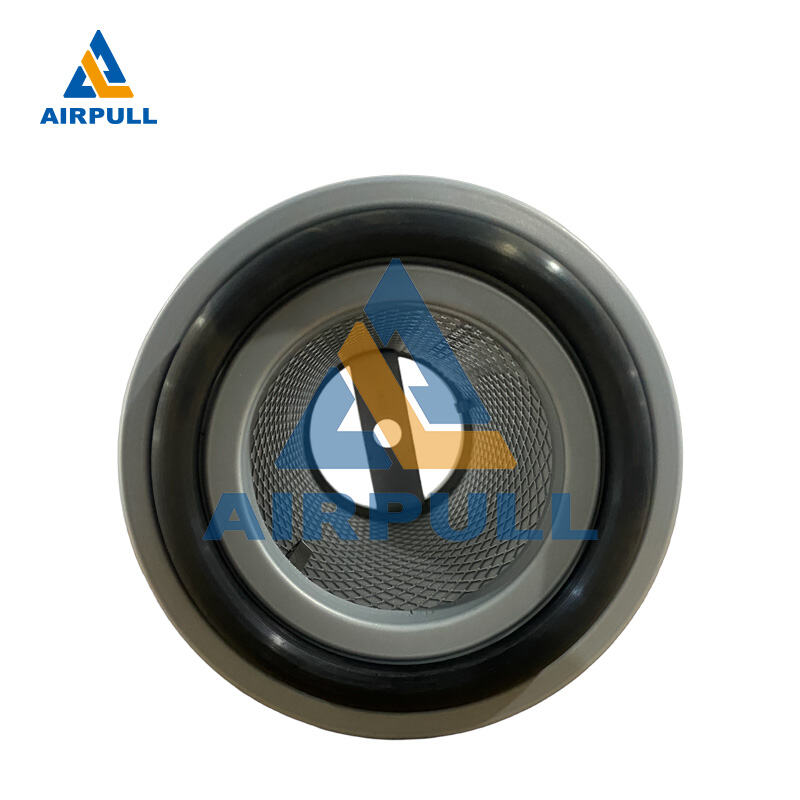
Replacing rotary screw air compressor filters is a maintenance task that directly affects airflow stability, oil cleanliness, energy consumption, and equipment life. The correct method is not just removing an old part and installing a new one, because each filter position has a different function and failure mode. When rotary screw air compressor filters are changed in the right sequence, contamination risk drops and restart quality improves. This guide explains the full workflow so maintenance teams can perform repeatable, low-risk service with better operating consistency.
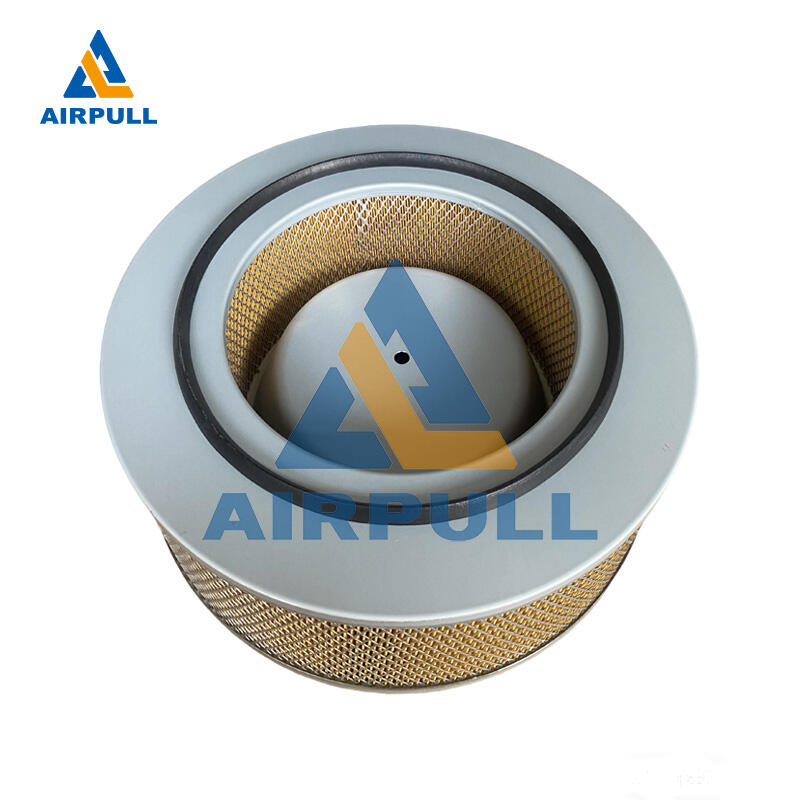
In practice, rotary screw air compressor filters should be treated as a system rather than isolated consumables. A blocked inlet element can raise temperature, a degraded oil filter can circulate wear particles, and a saturated separator can increase oil carryover. Using the correct parts and sequence, including verified rotary screw air compressor filters, helps prevent avoidable downtime. The sections below walk through preparation, removal, installation, startup checks, and long-term control measures.
Preparation and Maintenance Control Before Replacement
Define filter scope and service triggers
Before opening the machine, confirm which rotary screw air compressor filters are being replaced in this service window. Most units include an inlet air filter, an oil filter, and an oil separator element, and each one has distinct replacement criteria. Hour-based scheduling is useful, but pressure differential trends and operating environment often provide a more accurate trigger. A dusty plant, high humidity zone, or frequent load cycling can shorten the life of rotary screw air compressor filters significantly.
A maintenance order should document part numbers, last change date, running hours, and any alarm history related to rotary screw air compressor filters. This avoids fitting the wrong element and reduces the chance of duplicated shutdowns. If previous records show rising discharge temperature or unstable pressure, treat the filter replacement as a corrective task rather than routine service. Clear scope at this stage prevents partial replacement that leaves one weak point inside the rotary screw air compressor filters chain.
Set safety isolation and contamination boundaries
Any procedure involving rotary screw air compressor filters starts with lockout and depressurization. Isolate electrical supply, close isolation valves, and verify zero pressure before loosening housings or covers. Residual pressure can eject components and contaminated oil mist, creating both safety and quality risks. A controlled zero-energy state is mandatory before handling rotary screw air compressor filters in any industrial site.
Prepare clean tools, lint-free wipes, catch trays, and sealed packaging for new rotary screw air compressor filters. Keep replacement elements in original wrapping until installation to prevent airborne dust from entering media surfaces. Mark a clean zone around open ports so fittings and gaskets are not placed on dirty floors or machine frames. Good housekeeping during replacement is one of the most effective ways to protect new rotary screw air compressor filters from immediate contamination.
Step-by-Step Replacement Sequence Inside the Compressor
Replace the inlet air element with seal integrity checks
Open the inlet filter housing carefully and remove the used element without shaking accumulated dust back into the intake line. Inspect the housing interior, cover, and gasket grooves before installing new rotary screw air compressor filters in this position. If dust bypass marks are visible downstream of the old seal, check clamping surfaces for distortion or cracks. Seal integrity matters as much as media quality for inlet-stage rotary screw air compressor filters.
Wipe mating surfaces, fit the new element squarely, and apply even closure pressure when resealing the housing. Avoid over-tightening fasteners because uneven compression can warp the cover and compromise rotary screw air compressor filters performance. Confirm that any restriction indicator is reset or replaced according to the unit design. A correct inlet element change stabilizes airflow and protects downstream rotary screw air compressor filters from excessive loading.
Replace the oil filter and separator in controlled order
After confirming zero pressure and safe oil temperature, remove the spin-on or cartridge oil filter as specified by the machine design. Pre-clean the mounting face and verify that the old gasket is not stuck to the adapter before fitting new rotary screw air compressor filters for oil circulation. Lightly lubricate the gasket with clean compressor oil where required and tighten to the recommended method, usually hand-tight plus a defined fraction of a turn. Incorrect gasket seating is a frequent cause of leaks after rotary screw air compressor filters replacement.
For separator replacement, open the separator vessel according to service instructions and avoid damaging internal surfaces during extraction. Keep fasteners organized and inspect flange condition, O-rings, and anti-static connections where applicable to ensure rotary screw air compressor filters function properly. Install the new separator element with correct orientation and uniform torque sequence on the cover. Poor seating or uneven torque can cause bypass and oil carryover, reducing the benefit of new rotary screw air compressor filters.
If oil condition is degraded, coordinate oil change timing with rotary screw air compressor filters replacement to avoid contaminating new elements immediately. Reusing heavily oxidized oil can shorten service life of newly installed components and distort pressure-drop trends. In harsh duty cycles, pairing oil analysis with scheduled rotary screw air compressor filters replacement creates a clearer reliability baseline. This integrated approach supports cleaner internals and more predictable operating cost.
Restart Procedure and Verification After Installation
Prime, inspect, and run at controlled load
Before restart, verify every cover, drain point, and fitting touched during rotary screw air compressor filters service. Refill or top up lubricant to the correct level and inspect for tool or rag left-behind risks in the enclosure. Start the unit in a controlled mode and allow pressure and temperature to rise gradually while observing abnormal noise. Early detection during this phase protects new rotary screw air compressor filters from secondary damage.
During warm-up, inspect the oil filter interface, separator vessel joints, and inlet housing for seepage or air ingress. Even minor leakage can shift operating parameters and reduce the expected benefit of fresh rotary screw air compressor filters. If leakage appears, shut down, depressurize, and correct seating or torque before returning to normal load. Stable startup behavior is a key acceptance criterion after replacing rotary screw air compressor filters.
Validate differential pressure and control settings
Record baseline values immediately after service, including inlet restriction, oil pressure, discharge temperature, and any separator differential indicators linked to rotary screw air compressor filters. These values become the new reference for trend analysis in daily operation. If controller service counters are used, reset only after verification is complete so records remain accurate. Good data discipline makes future rotary screw air compressor filters decisions faster and more objective.
Compare post-service readings with historical ranges for similar load and ambient conditions. A large deviation may indicate installation error, wrong part specification, or hidden process contamination despite new rotary screw air compressor filters. When baseline values are normal, release the machine to production and schedule a short follow-up inspection within the next operating shift. This confirms that rotary screw air compressor filters continue to perform after thermal stabilization.
Operating Practices That Improve Replacement Outcomes
Control environment and upstream contamination sources
The life of rotary screw air compressor filters is strongly influenced by compressor room conditions. Excessive dust, poor ventilation, and process aerosols can overload filter media long before calendar intervals are reached. Improving room sealing, intake positioning, and housekeeping frequency reduces stress on rotary screw air compressor filters and extends service consistency. Environmental control often delivers higher returns than simply shortening replacement intervals.
Moisture management is also important because wet particulate can cake on inlet media and disturb pressure behavior in rotary screw air compressor filters. Where humidity swings are common, routine inspection frequency should increase during seasonal transitions. Linking environmental observations to maintenance logs helps explain why rotary screw air compressor filters age differently across lines or buildings. Better context supports better planning.
Build a repeatable maintenance standard across shifts
Standard work instructions should define torque method, seal checks, cleanliness rules, and restart validation for all rotary screw air compressor filters tasks. Consistent execution reduces variation between technicians and lowers restart risk after shutdown. Training should include common failure signatures such as dust bypass, gasket pinch, and unexpected differential rise following rotary screw air compressor filters replacement. Practical pattern recognition shortens troubleshooting time.
Keep critical spares in controlled storage with clear labeling, lot traceability, and protection from temperature and dust exposure. Damaged packaging or mixed inventory can undermine even a well-planned rotary screw air compressor filters program. A simple audit routine for spare condition and record accuracy supports reliable installation quality. Over time, disciplined handling improves the total value gained from every rotary screw air compressor filters maintenance cycle.
FAQ
How often should rotary screw air compressor filters be replaced?
Replacement frequency depends on run hours, load profile, ambient contamination, and the specific element type. Many teams start with manufacturer hour guidance, then adjust using pressure differential and operating trends. In dusty or humid facilities, rotary screw air compressor filters may need earlier replacement than standard intervals. The most reliable method is combining hour-based planning with condition-based checks.
Can I replace only one filter and leave the others for later?
It is possible, but it is not always efficient or low risk. Because rotary screw air compressor filters function as a connected system, one overloaded element can stress the others and reduce overall benefit. If shutdown cost is high, coordinated replacement often gives better stability and fewer repeat interventions. Use operating data and contamination history to decide whether partial replacement is justified.
What are the most common mistakes during filter replacement?
Frequent errors include skipping depressurization checks, contaminating open housings, reusing damaged seals, and over-tightening closures. Another common issue is failing to capture post-service baseline readings after rotary screw air compressor filters installation. Without baseline data, teams cannot detect early performance drift effectively. A controlled sequence and clean work discipline prevent most of these problems.
How do I confirm the replacement was successful?
Successful replacement is confirmed by leak-free operation, stable temperature and pressure, normal differential indicators, and clean startup behavior under load. After installing rotary screw air compressor filters, compare readings with expected values for similar conditions and verify that controller counters and logs are updated. A follow-up check after thermal stabilization adds confidence that seals remain intact. Consistent verification is the final step in quality replacement practice.