EN
EN



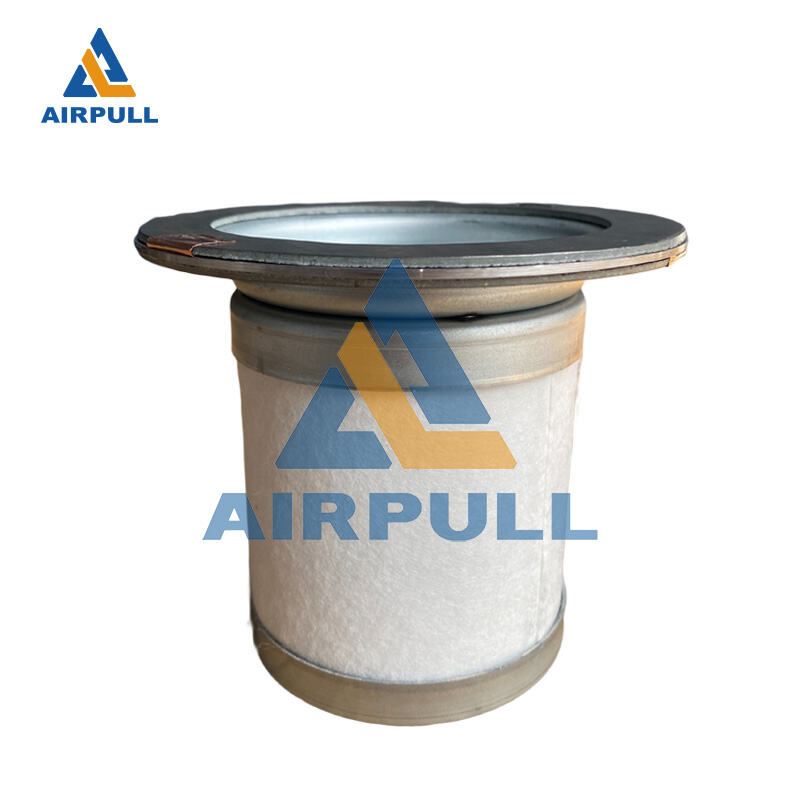
ដាក់ កត់ត្រាខ្យល់កម្មវិធីស្ក្រឺ ប្រព័ន្ធនេះដែលត្រូវបានដំឡើងបានត្រឹមត្រូវ មិនមែនគ្រាន់តែជាការធ្វើឱ្យស្អាតប៉ុណ្ណោះទេ ប៉ុន្តែវាគឺជាការសម្រេចចិត្តដែលទាក់ទងនឹងភាពអាចទុកចិត្តបាន ដែលប៉ះពាល់ដល់ស្ថេរភាពសម្ពាធ ថ្លៃថាមពល និងអាយុកាលឧបករណ៍ចាប់តាំងពីថ្ងៃដំបូង។ នៅក្នុងរោងចក្រឧស្សាហកម្ម ប្រព័ន្ធតម្រងខ្យល់សម្រាប់ម៉ាស៊ីនបើកបរប្រភេទស្ក្រូវ (screw compressor) ដែលត្រូវបានដំឡើងយ៉ាងមិនបានត្រឹមត្រូវ ជាញឹកញាប់បង្កឱ្យមានការធ្លាក់សម្ពាធ (pressure drop) ដែលមិនអាចមើលឃើញ ការតានតឹងដែលបណ្តាលមកពីការញ័រ និងការឆ្លងចូលនៃសារធាតុប៉ះពាល់ដែលមិនត្រូវការ ដែលនឹងបង្ហាញខ្លួននៅពេលក្រោយក្នុងទម្រង់នៃការឈប់ដំណាំង (downtime)។ វិធីសាស្ត្រដំឡើងដែលត្រឹមត្រូវ ចាប់ផ្តើមពីការរៀបចំផែនការ (layout logic) បន្តដោយការប្រមូលផ្តុំផ្នែកមេកានិកដោយការគ្រប់គ្រងយ៉ាងតឹងរ៉ឹង ហើយបញ្ចប់ដោយការពិនិត្យសាកល្បង (commissioning checks) ដើម្បីធានាថា ប្រព័ន្ធប្រតិបត្តិការបានតាមដែលបានរចនា។ គោលការណ៍ណែនាំនេះ ពន្យល់អំពីដំណាំទាំងមូល ដើម្បីឱ្យប្រព័ន្ធតម្រងខ្យល់សម្រាប់ម៉ាស៊ីនបើកបរប្រភេទស្ក្រូវរបស់អ្នក ប្រតិបត្តិការបានតាមដែលបានរចនា ក្រោមលក្ខខ័ណ្ឌផលិតកម្មបន្ត។
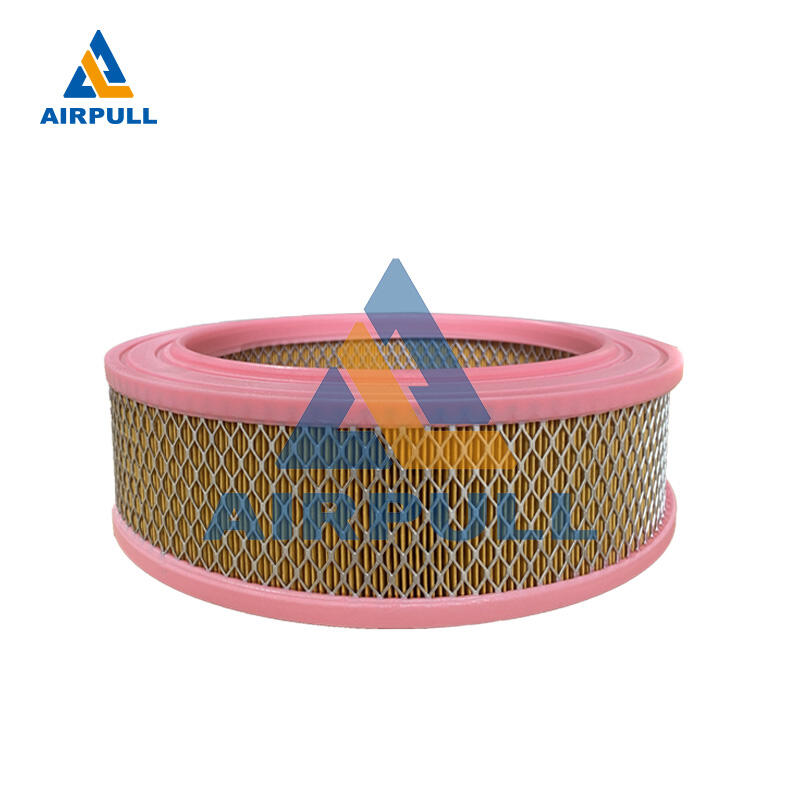
គ្រាប់ចិត្តនៃការដំឡើងប្រព័ន្ធជាក់ស្អិតខ្យល់ស្រែវកូម៉ាស៊ើរគឺគ្រប់គ្រងលំដាប់៖ បញ្ជាក់តម្រូវការដំណាំ រៀបចំតំបន់ដែលនឹងដំឡើងផ្ទាល់ ភ្ជាប់ប៉ាઇប៍ដោយគ្មានការបង្កើតសម្ពាធ និងធ្វើការផ្ទៀងផ្ទាត់ឥរិយាបថនៃការជាក់ស្អិតមុនពេលប្រគល់។ គ្រប់ជំហានមានរបៀបបរាជ័យជាក់លាក់ ហើយភាគច្រើនអាចបង្ការបានដោយការកំណត់ដែនកំណត់ច្បាស់លាស់ និងចំណុចត្រួតពិនិត្យ។ នៅពេលក្រុមការងារចាត់ទុកប្រព័ន្ធជាក់ស្អិតខ្យល់ស្រែវកូម៉ាស៊ើរជាសមាសធាតុដំណាំ ជាជាងគ្រឿងបន្ថែមធម្មតា ពួកគេបានកាត់បន្ថយបញ្ហាក្នុងដំណាំដំបូង និងរក្សាប្រសិទ្ធភាពកូម៉ាស៊ើរឱ្យបានយូរ។ ជំហានខាងក្រោមនេះត្រូវបានសរសេរសម្រាប់ក្រុមថែទាំ B2B ក្រុមវិស្វករ និងក្រុមប្រប្រើប្រាស់ ដែលត្រូវការស្តង់ដារដំឡើងដែលអាចធ្វើម្តងទៀតបាន។
ការរៀបចំដំឡើង និងស្ថានភាពរបស់តំបន់
កំណត់គោលដៅនៃការជាក់ស្អិតមុនពេលប៉ះទង្គិចឧបករណ៍
ការដំឡើងប្រព័ន្ធតម្រងខ្យល់សម្រាប់ម៉ាស៊ីនបើកបរស្ក្រូវត្រូវចាប់ផ្តើមជាមួយគោលដៅបច្ចេកទេស មិនមែនជាមួយឧបករណ៍ទេ។ ក្រុមគួរបញ្ជាក់អំពីថ្នាក់សំណាកដែលគោលដៅ ជួរនៃការធ្លាក់សម្ពាធ ដែលអាចទទួលយកបាន ហានិភ័យនៃការប៉ះទង្គិលទៅនឹងសំណើម និងចំនួនដងនៃការថែទាំដែលគេរំពឹងទុក ដែលផ្អែកលើតម្រូវការផលិតកម្ម។ ប៉ារ៉ាម៉ែត្រទាំងនេះកំណត់ទិសដៅនៃធុងតម្រង ចន្លោះចូលទៅប្រើប្រាស់ និងរយៈពេលសេវាកម្មដែលអាចអនុវត្តបានសម្រាប់ប្រព័ន្ធតម្រងខ្យល់សម្រាប់ម៉ាស៊ីនបើកបរស្ក្រូវ។ ប្រសិនបើមិនធ្វើជំហាននេះ ការដំឡើងអាចមើលទៅពេញលេញ ប៉ុន្តែមិនអាចគាំទ្រគុណភាពខ្យល់ដែលប្រើក្នុងដំណាំ ឬគោលដៅថ្លៃដើមជីវិតរបស់ប្រព័ន្ធ (lifecycle cost targets) បានទេ។
នៅជំហាននេះ ត្រូវសម្របការប្រតិបត្តិការ និងការថែទាំឱ្យស៊ីគ្នាជាមួយនឹងអ្វីដែលប្រព័ន្ធតម្រងខ្យល់ស្ក្រូវកុម៉ាប៉័រត្រូវតែសម្រេចបានក្នុងអំឡុងពេលផ្ទុកធម្មតា និងផ្ទុកកំពូល។ បន្ទាត់មួយដែលដំណាំជាបន្តបន្ទាប់អាចទទួលយកឥរិយាបថសម្ពាធខុសៗគ្នាបាន ជាងបន្ទាត់មួយដែលដំណាំជាប់គ្នាជាប់គ្នារាល់ពេលវេលា។ ជម្រើសដែលទាក់ទងនឹងការដំឡើង ដូចជា ចំនួនជាន់តម្រង វិធីសាស្ត្របែងចែកមុន និងការរៀបចំផ្លូវបញ្ជូនទឹក គួរតែសមស្របនឹងលក្ខខណ្ឌការប្រើប្រាស់ជាក់ស្តែង។ គោលដៅច្បាស់លាស់នឹងជួយកាត់បន្ថយការធ្វើឡើងវិញ និងធ្វើឱ្យការសាកល្បងទទួលយកមានន័យ។
ផ្ទៀងផ្ទាត់ការដាក់ ចន្លោះ និងការចូលទៅបម្រើ
ប្រព័ន្ធតម្រងខ្យល់ស្ក្រូវកុម៉ាស្សើរត្រូវការខ្យល់ស្អាតដែលហៀរជុំវិញផ្នែកគ្រឹះ និងទំហំគ្រប់គ្រាន់សម្រាប់ការផ្លាស់ប្តូរធាតុដោយសុវត្ថិភាព។ អ្នកដំឡើងគួរបញ្ជាក់ចន្លោះបញ្ឈរ និងចន្លោះផ្នែកខាងស្តាំ-ឆ្វេងសម្រាប់បើកធុង ដោះស្រាយចំណង និងដកកាបូបចេញដោយមិនបង្គោះប៉ះទង្គិចទៅនឹងប៉ះផ្ទៃប៉ះទង្គិច។ កំហុសដែលកើតឡើងញឹកញាប់បំផុតនៅកន្លែងដំឡើងគឺការដាក់ប្រព័ន្ធតម្រងខ្យល់ស្ក្រូវកុម៉ាស្សើរនៅជិតជញ្ជាំង ឬថ្នាក់កាប៊ីល ឬផ្ទៃដែលក្តៅ ដែលប៉ះពាល់ដល់ការបម្រើប្រចាំថ្ងៃ ហើយបង្កឱ្យមានការបិទបរិក្ខារ។ ការរៀបចំចន្លោះប្រើប្រាស់ឱ្យបានល្អ នឹងបន្ថយពេលវេលាបម្រើ និងកាត់បន្ថយកំហុសក្នុងការបិទបើកធាតុពេលផ្លាស់ប្តូរ។
ការដាក់ទីតាំងក៏ប៉ះពាល់ដល់ភាពអាចទុកចិត្តបានក្រោមឥទ្ធិពលនៃការញាក់ផងដែរ។ ប្រព័ន្ធតម្រងខ្យល់ស្ក្រូវកុម៉ាស្សើរមិនគួរត្រូវបានដំឡើងនៅទីកន្លែងដែលការញាក់របស់ឧបករណ៍បង្វិលអាចធ្វើឱ្យចំណងដែលបានប្រើស្ក្រូវធ្លាក់ចេញតាមពេលវេលា។ គួរប្រើចំណុចរចនាសម្រាប់ទទួលទម្ងន់ដែលមានផ្លូវទម្ងន់ច្បាស់លាស់ ហើយជៀសវាងការដំឡើងប៉ះទង្គិចដែលគ្មានការគាំទ្រសម្រាប់ផ្នែកគ្រឹះដែលមានទម្ងន់ច្រើន។ ការគ្រប់គ្រងការដាក់ទីតាំងតាំងពីដំបូង នឹងធ្វើឱ្យការបម្រើបានងាយស្រួល និងការគ្រប់គ្រងការរលាយចេញនៅពេលអនាគតកាន់តែប្រសើរឡើង។
រៀបចំឧបករណ៍ សេល និងលក្ខណៈសម្គាល់សម្រាប់ការត្រួតពិនិត្យ
មុនពេលដំឡើងចាប់ផ្តើម សូមរៀបចំវត្ថុធាតុទាំងអស់ដែលត្រូវការសម្រាប់ប្រព័ន្ធតម្រងខ្យល់កម្លាំងស្វ័យប្រវ័ញ្ច (screw compressor air filter system) រួមទាំងសេលដែលឆបគ្នា ឧបករណ៍វាស់កម្លាំងបង្វិល (torque tools) សារធាតុប៉ះជាប់សម្រាប់ខ្សែស្រឡាយ (thread compounds) ដែលបានអនុញ្ញាតឱ្យប្រើជាមួយខ្យល់កម្លាំង និងគ្រឿងបន្លាស់សម្រាប់ត្រួតពិនិត្យសម្ពាធភាគតិច (differential pressure monitoring accessories)។ ការលាយសេលដែលមិនបានធ្វើការពិនិត្យភាពឆបគ្នាអាចបណ្តាលឱ្យសារធាតុអេឡាស្ទូម៉ែរ (elastomers) ខូច ហើយបណ្តាលឱ្យមានការរួមចំណែកចេញ (bypass leakage)។ កំណត់លក្ខណៈសម្រាប់ការត្រួតពិនិត្យជាមុន ដូចជាជួរកម្លាំងបង្វិល (torque range) ការអត់ទេស (alignment tolerance) និងសម្ពាធសាកល្បងរកការរួមចំណែកចេញ (leak test pressure) ដើម្បីធានាថា ប្រព័ន្ធតម្រងខ្យល់កម្លាំងស្វ័យប្រវ័ញ្ចត្រូវបានវាយតម្លៃដោយស្ថេរភាព។ បញ្ជីត្រួតពិនិត្យជាលាយលក្ខណ៍អក្សរ (written checklist) ធានាបាននូវភាពអ៊ីសាក្រាម (objectivity) នៅពេលប្រគល់ការងារ ហើយកាត់បន្ថយជម្លោះរវាងក្រុមការងារ។
វាក៏មានប្រយោជន៍ផងដែរក្នុងការពិនិត្យមុនពីភាពឆបគ្នានៃគ្រឿងផ្សំ។ គម្រោងជាច្រើនបាត់បង់ពេលវេលាដោយសារតែអ័ឌាប្ទ័រ (adapters) ឬអ័នីយ៉ុន (unions) មិនសមស្របជាមួយរូបរាងចុងក្រោយនៃបន្ទាត់ (line geometry)។ ការបញ្ជាក់ទំហំជាមុន មុនពេលដំឡើងប្រព័ន្ធតម្រងខ្យល់កម្លាំងស្វ័យប្រវ័ញ្ចទៅក្នុងទីតាំង ជួយជៀសវាងការបង្កើតដោយគ្មានការរៀបចំ (improvisation) ក្នុងអំឡុងពេលដំឡើង។ ការរៀបចំដែលគ្រប់គ្រងបានល្អ ជាញឹកញាប់ជាកត្តាសំខាន់បំផុតដែលបែងចែកការដំឡើងដែលរលូន ពីការចាប់ផ្តើមដំណាំយឺត។
លំដាប់ដំណាំផ្នែកមេកានិក
ដាក់ប្រអប់ឱ្យចូលទីតាំងដោយគោរពវិធីសាស្ត្រ
នៅពេលដំឡើងប្រព័ន្ធតម្រងខ្យល់សម្រាប់ម៉ាស៊ីនបើកបរស្ក្រូវ (screw compressor) ត្រូវគោរពសញ្ញាបង្ហាញទិសដៅចរន្ត និងការណែនាំពីអ្នកផលិតអំពីទិសដៅសម្រាប់ការបំបែក និងបំបែកទឹកកក។ ការដំឡើងមិនត្រឹមត្រូវអាចធ្វើឱ្យទឹកកកជាប់នៅកន្លែងដែលវាគួរតែហូរចេញ ដែលបណ្តាលឱ្យក្រឡាប់តម្រងមានផ្ទៃប្រើប្រាស់ថយចុះ និងការធ្លាក់សម្ពាធ (pressure drop) កើនឡើង។ ត្រូវរក្សាប្រព័ន្ធតម្រងខ្យល់សម្រាប់ម៉ាស៊ីនបើកបរស្ក្រូវឱ្យស្មើគ្នា និងមានស្ថេរភាពយន្តសាស្ត្រ ដើម្បីឱ្យផ្ទៃបិទបាក់នៅតែទទួលបានការផ្ទុកស្មើគ្នាជាប់គ្នា។ ត្រូវប្រើគ្រឿងគាំទ្រដែលសមស្រប ជាជាងបង្ខំការតភ្ជាប់ប៉ៃប៉ូ (pipe alignment) ដើម្បីទ្រទម្ងន់។
ក្នុងអំឡុងពេលប្រើប្រាស់ស្ក្រូវ (fastening) ត្រូវប្រើប្រាស់គ្រឿងប្រើប្រាស់ដោយគោរពលំដាប់ដែលបានគ្រប់គ្រង ជាជាងការប្រើប្រាស់គ្រឿងប្រើប្រាស់មួយជ្រុងឱ្យបានតឹងទាំងស្រុងជាមុនសិន។ ការបិទបាក់មិនស្មើគ្នាអាចបណ្តាលឱ្យផ្ទៃបិទបាក់មានការប៉ះទង្គិច ហើយបង្កើតបាននូវការរួលរាយយឺតៗ ដែលកើតឡើងតែនៅពេលដែលប្រព័ន្ធមានសម្ពាធ។ ប្រព័ន្ធតម្រងខ្យល់សម្រាប់ម៉ាស៊ីនបើកបរស្ក្រូវដែលត្រូវបានដំឡើងបានត្រឹមត្រូវ គួរមានអារម្មណ៍ថាមានស្ថេរភាព មានការតម្រូវត្រឹមត្រូវ និងគ្មានការប៉ះពាល់ខាងក្រៅ មុនពេលដែលប៉ះងាយណាមួយត្រូវបានបំពេញសម្ពាធ។ ជំហានមូលដ្ឋាននេះកំណត់ពីរបៀបដែលប្រព័ន្ធអាចទប់ទល់នឹងការញ័រ និងការផ្លាស់ប្តូរសីតុណ្ហភាព។
ដាក់តម្លើងធាតុតម្រងដោយគ្មានការប៉នះប៉ៃ
ការដាក់តម្លើងធាតុតម្រងនៅក្នុងប្រព័ន្ធតម្រងខ្យល់ស្ក្រូវកុម្ព្យូទ័រគួរតែចាត់ទុកជាប្រតិបត្តិការដាក់តម្លើងស្អាត។ រក្សាបរិក្ខារការពារទុកដែលមានស្រាប់រហូតដល់ពេលដាក់ចូល ហើយជៀសវាងការប៉ះផ្នែកសំខាន់ៗដែលត្រូវបានប៉ះទង្គិលដោយស្បែកដៃដែលមានសារធាតុប៉នះប៉ៃ។ សារធាតុប៉នះប៉ៃតូចៗណាមួយដែលនៅលើផ្ទៃដែលត្រូវបានប៉ះទង្គិលអាចប៉ះពាល់ដល់ប្រព័ន្ធតម្រងខ្យល់ស្ក្រូវកុម្ព្យូទ័រ ហើយអនុញ្ញាតឱ្យខ្យល់ដែលមិនត្រូវបានតម្រងឆ្លងកាត់ធាតុតម្រង។ សម្អាតផ្ទៃដែលត្រូវបានប៉ះទង្គិលដោយប្រើសម្ភារៈដែលមិនប៉ះពាល់ ហើយពិនិត្យឱ្យបានច្បាស់ថា រាល់សេល (seal) ត្រូវបានដាក់តម្លើងស្មើគ្នាដោយគ្មានការបង្វិល។
កុំប្រើកម្លាំងច្រើនពេកក្នុងការបិទធាតុរក្សាទុក។ កម្លាំងលើសអាចធ្វើឱ្យផ្នែកចប់ខាងចុងប៉ះពាល់ ហើយបន្ថយប្រសិទ្ធិភាពការប៉ះទង្គិលបន្ទាប់ពីការពង្រីកដោយកំដៅ។ នៅពេលដែលធាតុត្រូវបានដាក់តម្លើងយ៉ាងត្រឹមត្រូវ សូមបង្វិល និងបិទតាមស្តង់ដារ បន្ទាប់មកពិនិត្យឱ្យបានច្បាស់ដោយភ្នែកថា ធាតុត្រូវបានចូលគ្នាយ៉ាងពេញលេញ។ វិន័យសាមញ្ញនេះជួយការពារសុព័ន្ធភាពនៃការតម្រងនៅក្នុងប្រព័ន្ធតម្រងខ្យល់ស្ក្រូវកុម្ព្យូទ័រចាប់ពីវដ្តដំណាំដំបូង។
អនុវត្តការគ្រប់គ្រងកម្លាំងបង្វិល (torque) លើចំណុចទាំងអស់ដែលត្រូវបានភ្ជាប់ និងបិទ
ភាពស្ថិតស្ថេរនៃកម្លាំងបង្វិល (Torque) គឺចាំបាច់ណាស់សម្រាប់ប្រព័ន្ធតម្រងខ្យល់ស្ក្រូវកុម៉ាស៊ើ (screw compressor air filter system) ដែលមិនរួញ។ ការភ្ជាប់ដែលមានកម្លាំងបង្វិលទាបពេកនឹងធ្លាក់ចុះក្រោយពេលរំញ័រ ខណៈដែលការបង្វិលខ្លាំងពេកអាចបណ្តាលឱ្យខ្សែស្ក្រូវ (threads) រលួយ ឬធ្វើឱ្យផ្នែកផ្ទុក (housings) ប៉ះគ្នាឬបាក់។ សូមប្រើឧបករណ៍ដែលបានកំណត់ជាមុន (calibrated tools) ហើយកត់ត្រាតម្លៃចុងក្រោយសម្រាប់ចំណុចភ្ជាប់សំខាន់ៗ រួមទាំងការបិទផ្នែកផ្ទុក ស្ក្រូវប៉ះ (flange bolts) និងច្រវាក់ឧបករណ៍ (instrument ports)។ ការគ្រប់គ្រងកម្លាំងបង្វិលដែលមានការកត់ត្រាជាក់លាក់ ផ្តល់នូវគោលការណ៍គុណភាពដែលអាចវាស់វែងបានសម្រាប់ប្រព័ន្ធតម្រងខ្យល់ស្ក្រូវកុម៉ាស៊ើ ដើម្បីធ្វើការត្រួតពិនិត្យ (audits) និងគម្រោងថែទាំ។
បន្ទាប់ពីបង្វិល សូមអនុវត្តវិធីសាក្សី (witness mark) សាមញ្ញ ដើម្បីឱ្យការត្រួតពិនិត្យនាពេលអនាគតអាចកំណត់ការផ្លាស់ទីបានយ៉ាងឆាប់រហ័ស។ វិធីនេះមានប្រយោជន៍ជាពិសេសនៅក្នុងរោងចក្រដែលដំណាំ (high-duty plants) ដែលមានការរំញ័របន្តបន្ទាប់។ ប្រព័ន្ធតម្រងខ្យល់ស្ក្រូវកុម៉ាស៊ើដែលមានការគ្រប់គ្រងកម្លាំងបង្វិល និងការផ្ទៀងផ្ទាត់ដោយភ្នែក (visual verification) នឹងរក្សាបាននូវសមត្ថភាពបិទបាំង (sealing performance) បានយូរជាងមុន ហើយត្រូវការការបិទបរិបាក់ (corrective shutdowns) តិចជាងមុន។ ភាពច្បាស់លាស់ផ្នែកយាន្តនេះផ្តល់ផលត្រឡប់តាមរយៈការបាត់បង់ខ្យល់តិច និងឥរិយាបថសម្ពាធ (pressure behavior) ដែលស្ថិតស្ថេរ។
ការបញ្ចូលប៉ាઇប៍ និងភាពសុទ្ធ (Integrity) នៃសាក្លាយខ្យល់
ភ្ជាប់ប៉ាઇប៍ចូល និងចេញដោយប្រើរូបរាងដែលបង្កើតបាននូវការតានតឹងទាប
ប្រព័ន្ធតម្រងខ្យល់ស្ក្រូវកុម៉ាស្សើរដំណាំបានល្អបំផុតនៅពេលភ្ជាប់ទៅនឹងប៉ៃប៍ដែលមានការចែកចាយត្រឹមត្រូវ និងគាំទ្រដោយឯករាជ្យ។ ការបង្ខំប៉ៃប៍ដែលមិនត្រឹមត្រូវឱ្យចូលទៅក្នុងទីតាំងដែលត្រឹមត្រូវ បណ្តាលឱ្យមានការតានតឹងចូលទៅក្នុងធុងតម្រង ហើយប៉ះពាល់ដល់ភាពអស់សំពាធនៅតំណាងដែលមានស្ក្រូវ។ ប្រើការភ្ជាប់បត់បែននៅពេលសមស្រប ហើយបញ្ជាក់ថា ប្រព័ន្ធតម្រងខ្យល់ស្ក្រូវកុម៉ាស្សើរនៅតែស្ថិតក្នុងស្ថានភាពអព្យាក្រឹតបន្ទាប់ពីការប្រើប្រាស់ស្ក្រូវឱ្យជាប់តឹងចុងក្រោយ។ រូបរាងដែលមានការតានតឹងទាប ការពារការប៉ះពាល់ដល់រូបរាង និងរក្សាការផ្ទុកសៀលឱ្យស្មើគ្នា។
ការជ្រើសរើសទំហំប៉ៃប៍ក៏មានសារៈសំខាន់ដែរ ព្រោះផ្នែកដែលមានទំហំតូចពេកនឹងបង្កឱ្យបានល្បឿនខ្ពស់ ហើយបង្កឱ្យមានការធ្លាក់សម្ពាធ (pressure drop) ច្រើនជាងមុនតាមប្រព័ន្ធតម្រងខ្យល់ស្ក្រូវកុម៉ាស្សើរ។ ត្រូវធ្វើការផ្គូផ្គងទំហំប៉ៃប៍ទៅនឹងសមត្ថភាពចរន្តខ្យល់របស់កុម៉ាស្សើរ និងការពង្រីកដែលបានរំពឹងទុក មិនមែនតែតាមតម្រូវការបច្ចុប្បន្នទេ។ ការផ្លាស់ប្តូរប៉ៃប៍ដែលត្រឹមត្រូវ និងការរៀបចំប៉ៃប៍ឱ្យរាបសាមី នឹងជួយប៉ះពាល់ដល់ស្ថេរភាពនៃចរន្តខ្យល់ និងការពារអាយុកាលនៃធាតុតម្រង។ គុណភាពនៃការបញ្ចូលប្រព័ន្ធទៅក្នុងរោងចក្រ មានសារៈសំខាន់ស្មើគ្នានឹងគុណភាពនៃតម្រង ក្នុងការដំណាំប្រព័ន្ធជាក់ស្តែង។
ការពារការចូលមកដល់សារធាតុប៉ះពាល់ក្នុងអំឡុងពេលធ្វើការភ្ជាប់ប្រព័ន្ធ
ក្នុងអំឡុងពេលភ្ជាប់ប៉ាઇប៍ សូមបិទចុងបញ្ចប់ដែលបើសារ និងរក្សាទម្លាប់ការតម្រូវឱ្យបានស្អាត ដើម្បីការពារប្រព័ន្ធតម្រងខ្យល់ស្ក្រូវកុម៉ាស៊ើរពីធូលី និងសំណល់នៃការសាងសង់។ ការចូលរួមនៃគ្រាប់មេតាល់ ផ្នែកសេលាន់ និងធូលីក្នុងអំឡុងពេលដំឡើង អាចប៉ះពាល់ភ្លាមៗដល់ធាតុតម្រង ហើយប៉ះពាល់ដល់ការអានគំរូដើម។ មុនពេលបិទចុងបញ្ចប់ជាស្ថាពរ សូមសម្អាត និងត្រួតពិនិត្យប៉ាઇប៍ ដើម្បីឱ្យប្រព័ន្ធតម្រងខ្យល់ស្ក្រូវកុម៉ាស៊ើរចាប់ផ្តើមដំណាំពីស្ថានភាពស្អាតដែលគេដឹងច្បាស់។ វិធីនេះជៀសវាងការប្រកាសគ្រោះថ្នាក់ខុស និងការហៅសេវាកម្មជាមុន។
នៅពេលជំនួសគ្រឿងបរិក្ខារចាស់ៗ សូមត្រួតពិនិត្យផ្ទៃខាងក្នុងនៃប៉ាઇប៍ដែលនៅជាប់គ្នាដើម្បីរកការបាក់ស្រាយដែលបណ្តាលមកពីការឆ្លង ឬសំណល់ប្រេងដែលអាចធ្វើឱ្យមានការរាតតាយទៅចុងផ្នែកក្រោម។ ប្រព័ន្ធតម្រងខ្យល់ស្ក្រូវកុម៉ាស៊ើរជាញឹកញាប់ត្រូវបានចាត់ទៅជាប៉ារេន្តនៃបញ្ហាដែលកើតឡើងពីផ្នែកខាងលើ។ ការគ្រប់គ្រងការភ្ជាប់ប៉ាઇប៍ឱ្យបានស្អាត ធានាថាប្រសិទ្ធិភាពតម្រងឆ្លុះបញ្ចាំងពីលក្ខខណ្ឌប្រើប្រាស់ពិតប៉ុណ្ណោះ ជាជាងការប៉ះពាល់ពីការដំឡើង។ វាក៏ជួយបង្កើនទំនុកចិត្តលើទិន្នន័យដែលបានប្រមូលក្នុងអំឡុងពេលដំឡើងផងដែរ។
បញ្ចូលចំណុចត្រួតពិនិត្យសម្ពាធខុសគ្នា
ប្រព័ន្ធតម្រងខ្យល់ស្ក្រូវកុម៉ាស្សើរគួរតែរួមបញ្ចូលការត្រួតពិនិត្យសម្ពាធភាគត្រាដែលមានប្រសិទ្ធភាពតាំងពីដំបូង មិនមែនជាការគិតបន្ទាប់ពីដំឡើងរួចទេ។ ដំឡើងប៉ះពាល់ ឬម៉ែត្រនៅកន្លែងដែលការអានមានស្ថេរភាព និងងាយស្រួលសម្រាប់បច្ចេកទេសទៅប្រមើលក្នុងអំឡុងពេលធ្វើការធម្មតា។ ការត្រួតពិនិត្យជាបន្តបន្ទាប់ជួយឱ្យក្រុមការងាររកឃើញនូវទំនោរនៃការផ្ទុក និងរៀបចំការផ្លាស់ប្តូរធាតុមុនពេលការបាត់បង់សម្ពាធប៉ះពាល់ដល់ផលិតកម្ម។ វាបំប្លែងប្រព័ន្ធតម្រងខ្យល់ស្ក្រូវកុម៉ាស្សើរទៅជាប្រព័ន្ធដែលគ្រប់គ្រងបាន ជាជាងជាផលិតផលថែទាំដែលឆ្លើយតបតាមស្ថានភាព។
កំណត់ការអានដំបូងភ្លាមៗបន្ទាប់ពីដំឡើងប្រព័ន្ធ ហើយរក្សាទុកការអានទាំងនេះក្នុងកំណត់ត្រាថែទាំ។ ការប៉ះពាល់នាពេលអនាគតនឹងក្លាយជាច្បាស់លាស់ នៅពេលដែលការយោងដំបូងមានភាពត្រឹមត្រូវ។ ភ្ជាប់ការត្រួតពិនិត្យជាមួយបរិបទនៃការប្រើប្រាស់ ដូចជាការផ្លាស់ប្តូរស្ទូច និងគំរូសំណើម ដើម្បីបកស្រាយប្រព័ន្ធតម្រងខ្យល់ស្ក្រូវកុម៉ាស្សើរឱ្យបានត្រឹមត្រូវ។ វិធីសាស្ត្រនេះគាំទ្រការគ្រប់គ្រងរយៈពេលប្រើប្រាស់បានប្រសើរ និងការចូលរួមដោយមិនបានរៀបចំជាមុនតិច។
ការដំឡើង ការផ្ទៀងផ្ទាត់ និងការប្រគល់
បង្កើនសម្ពាធជាជំហានៗ ហើយផ្ទៀងផ្ទាត់ភាពជាប់គ្នាដោយគ្មានរន្ធដែលចេញខ្យល់
ការដំឡើងប្រព័ន្ធតម្រងខ្យល់សម្រាប់ម៉ាស៊ីនបើកបរប្រភេទស្ក្រូវ (screw compressor) គួរប្រើវិធីសាស្ត្របង្កើនសម្ពាធជាជំហានៗ ជាជាងដំណាំងប្រើប្រាស់ផ្ទុកពេញលេញភ្លាមៗ។ ត្រូវបង្កើនសម្ពាធយឺតៗ ដោយពិនិត្យចំណុចភ្ជាប់ ច្រវ៉ាក់ និងច្រវ៉ាក់សម្រាប់ឧបករណ៍វាស់វែង ដើម្បីស្វែងរកសញ្ញានៃការរួលរាយ។ ការបង្កើនសម្ពាធយឺតៗអនុញ្ញាតឱ្យសេល (seals) អាចអង្គុយបានត្រឹមត្រូវ ហើយផ្តល់ពេលវេលាដល់បើកបរដើម្បីកែសម្រួលបញ្ហាតូចៗមុនពេលវាក្លាយជាបញ្ហាធ្ងន់ធ្ងរ។ ការចាប់ផ្តើមដំណាំងដោយមានវិន័យ អាចការពារប្រព័ន្ធតម្រងខ្យល់សម្រាប់ម៉ាស៊ីនបើកបរប្រភេទស្ក្រូវ និងកាត់បន្ថយពេលវេលាដើម្បីឱ្យប្រព័ន្ធស្ថិតក្នុងស្ថានភាពស្ថិរស្ថេរ។
ប្រើវិធីសាស្ត្រស្វែងរកការរួលរាយដែលបានអនុម័ត ហើយកត់ត្រាប៉ារាម៉ែត្រដែលបានរកឃើញ រួមទាំងទីតាំង និងសកម្មភាពកែសម្រួល។ ទោះបីជាការរួលរាយតូចៗក៏ដោយ ក៏វាអាចបង្កើនផ្ទុកលើម៉ាស៊ីនបើកបរ ហើយអាចលាក់បំពាក់ប្រសិទ្ធភាពពិតប្រាកដនៃការតម្រង។ បន្ទាប់ពីការពិនិត្យរួលរាយបានឆ្លង ប្រព័ន្ធតម្រងខ្យល់សម្រាប់ម៉ាស៊ីនបើកបរប្រភេទស្ក្រូវ អាចប្រើប្រាស់ក្នុងស្ថានភាពប្រតិបត្តិការធម្មតាដើម្បីប្រមូលទិន្នន័យមូលដ្ឋាន។ ការកត់ត្រាដែលច្បាស់លាស់នៅដំណាក់កាលនេះ អាចបង្កើនការទទួលខុសត្រាច់ចំពោះការដំឡើង និងការប្រតិបត្តិការ។
បញ្ជាក់ពីសាកសព្វ ការធ្លាក់សម្ពាធ និងស្ថេរភាពនៃការប្រតិបត្តិការ
បន្ទាប់ពីធ្វើការផ្ទៀងផ្ទាត់ការរហ័សចេញ សូមដំណាំប្រព័ន្ធតម្រងខ្យល់សម្រាប់ម៉ាស៊ីនបើកបរស្រូវ (screw compressor) ក្រោមតម្រូវការដំណាំជាក់ស្តែង ហើយកត់ត្រាការធ្លាក់សម្ពាធ សម្ពាធលើបន្ទាត់ និងការធ្វើចលនាមិនធម្មតា ឬសំឡេងមិនធម្មតាណាមួយ។ ប្រៀបធៀបតម្លៃទាំងនេះទៅនឹងជួរតម្លៃដែលគេរំពឹងទុក ដែលផ្អែកលើការសន្មត់អំពីការរចនា និងគំរូការប្រើប្រាស់។ តម្លៃដែលស្ថិតស្ថេរបង្ហាញថា ប្រព័ន្ធតម្រងខ្យល់សម្រាប់ម៉ាស៊ីនបើកបរស្រូវ (screw compressor) ត្រូវបានភ្ជាប់បានត្រឹមត្រូវ ហើយមិនត្រូវបានរារាំងដោយរូបរាងប៉ៃប៉ូល (piping geometry) មិនល្អ។ នេះគឺជាពេលវេលាដែលអ្នកអាចរកឃើញកំហុសនៃការដំឡើងដែលមិនស្គាល់ មុនពេលប្រគល់ប្រព័ន្ធដោយផ្លូវការ។
នៅពេលជ្រើសរើសគ្រឿងផ្សំសម្រាប់គម្រោងនាពេលអនាគត ក្រុមជាច្រើនពិនិត្យមើលជម្រើសដែលបានប្រើប្រាស់ជាក់ស្តែងនៅក្នុងវាល ដូចជា ប្រព័ន្ធកត់ត្រាខ្យល់កម្មវិធីស្ក្រឺ ការរៀបចំដែលស័ក្តិសមនឹងការចូលទៅជួសជុល និងគោលដៅសម្ពាធ។ គោលដៅមិនមែនគឺការប្រៀបធៀបម៉ាក់ទេ ប៉ុន្តែគឺការរៀបចំដែលអាចធ្វើម្តងទៀតបាន ដែលស័ក្តិសមនឹងលក្ខខណ្ឌរោងចក្រ និងដំណាំសេវាកម្ម។ ទិន្នន័យស្ថេរភាពនៃការដំណាំ ដែលបានប្រមូលពីដំណាំដំបូង គួរតែប៉ះពាល់ដោយផ្ទាល់ទៅលើការសម្រេចចិត្តទាំងនេះ។ ការបញ្ជូនតម្លៃប្រតិបត្តិការត្រឡប់មកវិញ (feedback loops) ដែលល្អ នឹងធ្វើឱ្យការដំឡើងបន្ទាប់កាន់តែលឿន និងអាចទស្សន៍ទាយបានកាន់តែច្បាស់។
បង្កើតបញ្ជីប្រគល់ដែលរៀបចំសម្រាប់ការថែទាំ
ការប្រគល់ទូទាំងមួយសម្រាប់ប្រព័ន្ធតម្រងខ្យល់កុងប្រេស័រស្ក្រូវ រួមបញ្ចូលមានកំណត់សម្គាល់ទិសដៅនៅពេលបានប៉ះប៉ូវរួច (as-built orientation notes), កំណត់សម្គាល់កម្លាំងបង្វិល (torque records), សម្ពាធភាគតាងដំបូង (baseline differential pressure), លទ្ធផលនៃការធ្វើតេស្តរកការរហ័ស (leak test results) និងការណែនាំអំពីចន្លោះពេលសេវាកម្ម។ កញ្ចប់នេះអនុញ្ញាតឱ្យក្រុមថែទាំអាចរក្សាទុកគុណភាពនៃការដំឡើងបាន បន្ទាប់ពីក្រុមគម្រោងចាកចេញពីកន្លែង។ ប្រសិនបើគ្មានឯកសារណាមួយ ទោះបីជាប្រព័ន្ធតម្រងខ្យល់កុងប្រេស័រស្ក្រូវត្រូវបានដំឡើងយ៉ាងល្អក៏ដោយ វាអាចធ្លាក់ចុះគុណភាពយ៉ាងឆាប់រហ័សដោយសារការថែទាំមិនស៊ីគ្នា។ គុណភាពនៃការប្រគល់គឺជាកត្តាប្រតិបត្តិការដែលកំណត់ប្រសិទ្ធភាពជីវិតរបស់ប្រព័ន្ធ។
រួមបញ្ចូលស្តង់ដារផ្នែកទស្សនៈដែលងាយស្រួលសម្រាប់ស្ថានភាពសេល (seal condition), សំអាតរបស់ធុង (housing cleanliness) និងប៉ៃស្ណីសេវាដែលអាចទទួលយកបាន (acceptable pressure-drop trends)។ ស្តង់ដារទាំងនេះជួយឱ្យក្រុមប្តូរការងាររក្សាការសម្រេចចិត្តឱ្យស៊ីគ្នាទាំងមូល ក្នុងគម្រោងដែលមានការប្រតិបត្តិការជាបន្តបន្ទាប់។ ប្រព័ន្ធតម្រងខ្យល់កុងប្រេស័រស្ក្រូវដែលមានឯកសារចែងច្បាស់ អាចធ្វើការស្វែងរកបញ្ហាបានងាយស្រួល ហើយមានសារប្រយោជន៍តិចជាងក្នុងការផ្លាស់ប្តូរធាតុមុនពេលវេលា ឬការមិនបានសង្កេតឃើញការរហ័ស។ ការប្រគល់ដែលមានរចនាសម្ព័ន្ធបិទបញ្ចប់ដំណាក់កាលដំឡើងដោយការគ្រប់គ្រងប្រតិបត្តិការ។
សំណួរញឹកញាប់
ការដំឡើងធម្មតាមួយត្រូវការរយៈពេលប៉ុន្មាន នៅក្នុងស្ថានីយ៍ដែលកំពុងដំណើរការ?
ពេលវេលាដែលត្រូវបានគេប្រើដើម្បីដំឡើងប្រព័ន្ធតម្រងខ្យល់សម្រាប់ម៉ាស៊ីនបើកបរប្រភេទស្ក្រូវ (screw compressor) អាស្រ័យលើការចូលបានទៅកាន់បន្ទាត់ផ្គត់ផ្គង់ រយៈពេលដែលរោងចក់បានបិទ និងការផ្លាស់ប្តូរប៉ៃប៉ូល (piping) ដែលត្រូវការឬអត់។ នៅក្នុងសណ្ឋាគារដែលបានរៀបចំរួចហើយ ដែលមានការតភ្ជាប់សមស្រប ការងារផ្នែកយាន្តនឹងអាចបញ្ចប់បានក្នុងរយៈពេលថែទាំខ្លីៗ ខណៈដែលការរៀបចំឡើងវិញដែលស្មុគស្មាញនឹងធ្វើឱ្យពេលវេលាដំឡើងយឺតចុះ។ កត្តាដែលជះឥទ្ធិពលខ្លាំងបំផុតគឺជាគុណភាពនៃការរៀបចំមុនដំឡើង ជាជាងជំហានដំឡើងផ្ទាល់ខ្លួន។ ការរៀបចំដែលត្រូវបានធ្វើឱ្យបានត្រឹមត្រូវ និងលក្ខខណ្ឌច្បាស់លាស់សម្រាប់ការដាក់ឱ្យដំណាំប្រព័ន្ធ នឹងជួយឱ្យគម្រោងប្រព័ន្ធតម្រងខ្យល់សម្រាប់ម៉ាស៊ីនបើកបរប្រភេទស្ក្រូវ (screw compressor) បានបំពេញតាមកាលវិភាគដែលបានកំណត់។
តើប្រព័ន្ធនេះអាចត្រូវបានដំឡើងដោយគ្មានការបិទរោងចក់ទាំងមូលដែរឬទេ?
គេបានដំឡើងប្រព័ន្ធតម្រងខ្យល់សម្រាប់ម៉ាស៊ីនបើកបរប្រភេទស្ក្រូវនៅលើគេហទំព័រជាច្រើនកន្លែង ក្នុងអំឡុងពេលបិទផ្នែកមួយ ដោយការប៉ះពាល់បន្ទាត់ខ្យល់ដែលរងផលប៉ះពាល់ ហើយរក្សាបន្តការផ្គត់ផ្គង់តាមរយៈសមត្ថភាពសមាមាត្រ។ ការងារនេះទាមទារឱ្យមានការសម្របសម្រួលយ៉ាងប្រុងប្រយ័ត្នជាមួយផ្នែកប្រមូលផ្តុំ ដើម្បីធានាថាដំណាំដែលអាស្រ័យលើសម្ពាធ នៅតែបានការពារ។ ការប៉ះពាល់សុវត្ថិភាព និងការគ្រប់គ្រងការប៉ះពាល់បាក់ទេរី គឺជារឿងដែលមិនអាចចរចាបាន ក្នុងអំឡុងពេលធ្វើការនៅក្នុងស្ថានីយ៍ដែលកំពុងដំណាំ។ យុទ្ធសាស្ត្រប៉ះពាល់ដែលបានគ្រប់គ្រងយ៉ាងប្រុងប្រយ័ត្ន អនុញ្ញាតឱ្យប្រព័ន្ធតម្រងខ្យល់សម្រាប់ម៉ាស៊ីនបើកបរប្រភេទស្ក្រូវ ត្រូវបានបញ្ចូលដោយមានផលប៉ះពាល់តិចប៉ុណ្ណោះទៅលើការផលិត។
តើកំហុសដែលគេធ្វើញឹកញាប់បំផុតក្នុងការដំឡើង ដែលគេគួរជៀសវាង គឺអ្វី?
កំហុសដែលកើតឡើងញឹកញាប់បំផុតគឺការចាត់ទុកប្រព័ន្ធតម្រងខ្យល់ស្ក្រូវកូម៉ាស៊ើរថា ជាសមាសធាតុដែលភ្ជាប់តាមបន្ទាត់ធម្មតាមួយ ហើយមិនបានយកចិត្តទុកដាក់លើការតម្រីសាក់ប៉ៃប៍ដែលមិនបង្កឱ្យមានការតានតឹង និងចន្លោះសេវាកម្មដែលគ្រប់គ្រាន់។ វិធីសាស្ត្រនេះជាញឹកញាប់បណ្តាលឱ្យមានការរួញរាយ ការធ្លាក់សម្ពាធខ្ពស់ និងការចូលទៅជួសជុលបានលំបាក ក្នុងរយៈពេលប៉ុន្មានខែ។ បញ្ហាទូទៅមួយទៀតគឺការមិនកត់ត្រាការប្រែប្រួលសម្ពាធ (differential pressure) ជាការចាប់ផ្តើមដំបូង (baseline) នៅពេលដំណាំ។ ការជៀសវាងកំហុសទាំងពីរនេះ នឹងធ្វើឱ្យប្រព័ន្ធតម្រងខ្យល់ស្ក្រូវកូម៉ាស៊ើរមានភាពអាចទុកចិត្តបាន និងប្រសិទ្ធភាពការថែទាំប្រសើរឡើងយ៉ាងច្បាស់។
តើគួរធ្វើការពិនិត្យឡើងវិញនូវសមត្ថភាពដំបូង (baseline performance) នៅពេលណា បន្ទាប់ពីដំណាំ?
ពិនិត្យឡើងវិញនូវទិន្នន័យមូលដ្ឋានរបស់ប្រព័ន្ធតម្រងខ្យល់សម្រាប់ម៉ាស៊ីនបើកបរស្ក្រូវ (screw compressor) បន្ទាប់ពីរយៈពេលដំណាំដំបូងដែលមានស្ថ្ាភាព ហើយបន្ទាប់មកម្តងទៀតបន្ទាប់ពីចក្រវាឡផលិតកម្មដំបូង ដែលឆ្លុះបញ្ចាំងពីការប្រែប្រួលផ្ទុកធម្មតា។ ការធ្វើបែបនេះបញ្ជាក់ថា ឥរិយាបថនៃការផ្ទុកដំបូងគឺសមស្របទៅនឹងការរំពឹងទុក និងថា តើមានការប៉ះពាល់ណាមួយដែលបណ្តាលមកពីការដំឡើង ដែលបណ្តាលឱ្យមានការប៉ះពាល់ចេញពីតម្លៃស្តង់ដារឬអត់។ ប្រើចំណុច និងលក្ខខណ្ឌវាស់វែងដូចគ្នាដែលបានប្រើកាលពីពេលដំឡើងប្រព័ន្ធដើម្បីរក្សាបាននូវភាពអាចប្រៀបធៀបបាននៃលទ្ធផល។ ការតាមដានជាប់គ្នាប៉ះពាល់ដល់ការគ្រប់គ្រងប្រព័ន្ធតម្រងខ្យល់សម្រាប់ម៉ាស៊ីនបើកបរស្ក្រូវ ចាប់ពីដំឡើងរួចមកដល់ដំណាំធម្មតា។