EN
EN


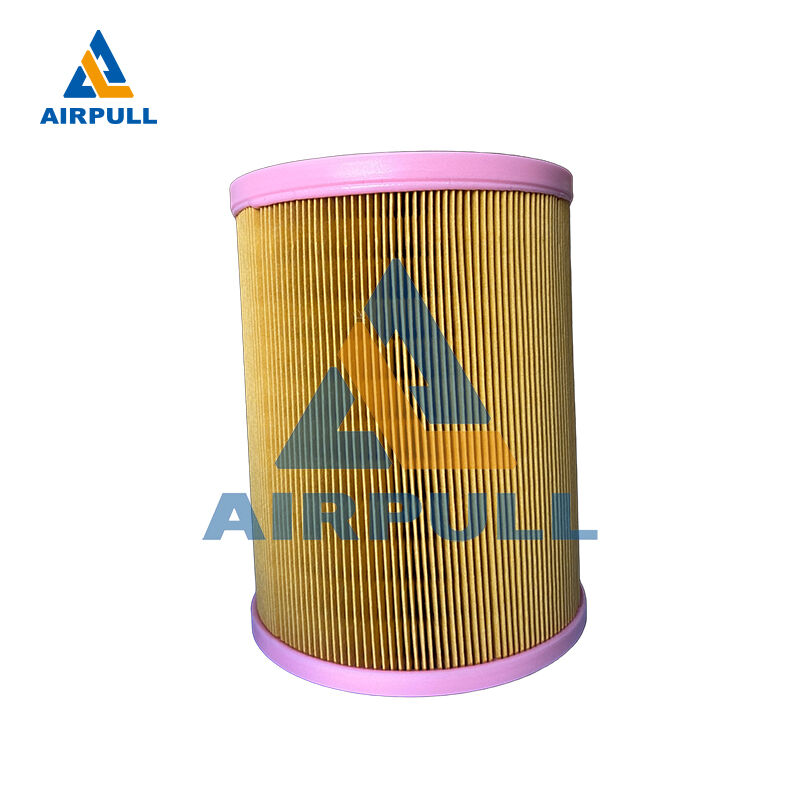
ב-2026, הבחירה במסנן המוחלף הטוב ביותר לקומפרסור עוסקת פחות ברכישת חלק באופן מהיר ובעיקר בהגנה על יציבות הייצור, יעילות אנרגטית ותכנון תחזוקה. עבור רוב הצוותים התעשייתיים, המסנן המוחלף הנכון מסנן דחיסה תחליפי הוא זה שמתאים לתנאי הפעלה, לטעינת זיהום, לפרופיל הלחץ וליעדי פרקי הזמן של השירות, מבלי ליצור עלות מחזור חיים נסתרת. מסנן לא טוב מסנן דחיסה תחליפי עשוי עדיין להתאים פיזית, אך עלול לגרום לנחיתת לחץ, לעצירות תכופות ולבלאי מוקדם בכל מערכת אויר דחוס.
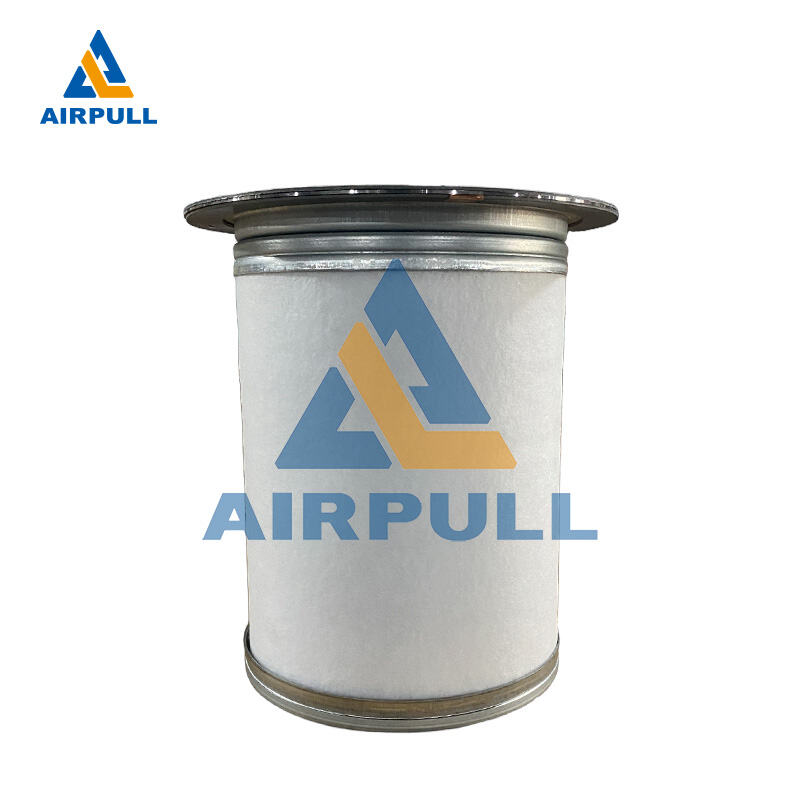
מודל ההחלטה הטוב ביותר לשנת 2026 מבוסס על תרחישים: יש לערוך הערכה של ביצועי הסינון תחת מחזורי עבודה ריאליים, לאשר את איכות החומר ואת האמינות המבנית, ולאמת את ההשפעה הכוללת על הפעלה לפני סטנדרטיזציה של מודל אחד מסנן דחיסה תחליפי בכל הנכסים. מאמר זה מתמקד באיך קונים B2B והנדסאים במפעל יכולים להגדיר, לבדוק ולהרחיב את האסטרטגיה הטובה ביותר מסנן דחיסה תחליפי לדרישות התעשייתיות הנוכחיות, כולל זרימות עבודה דיגיטליות לתחזוקה וציפיות מחמירות יותר מהזמינות (uptime).
מה פירוש 'הטוב ביותר' עבור מסנן דחיסה חלופי בשנת 2026
התאמה בביצועים חשובה יותר מאשר مواصفות נומינליות
ברוב תהליכי הקנייה, הצוותים מתחילים עם מידות ושוויון חלקים. זהו צעד הכרחי, אך אינו מספיק בעת הערכת מסנן דחיסה תחליפי מסנן. ההגדרה המעשית של 'הטוב ביותר' מתחילה בכفاءת הסינון בטווח הגודלים האמיתי של החלקיקים שמופיע בתהליך שלכם, ולאחר מכן מתרחבת להתנהגות נפילת הלחץ במהלך כל חלון השירות. מסנן מסנן דחיסה תחליפי שמפגין ביצועים טובים רק בתנאי הפעלה ראשוניים (clean-start) עלול להפוך לייקר בייצור ממשי.
הסף המנחה לשנת 2026 עבור מוצר בעל ערך גבוה מסנן דחיסה תחליפי כולל תמיכה בזרימה יציבה, איטום עקבי וסיכון נמוך לנטישה תחת רטט או שינוי טרמי. במערכות אוויר דחוס שפועלות ללא הפסקה, המוצר הטוב ביותר מסנן דחיסה תחליפי אמור לשמור על מאפייני הפעלה צפויים במקום לסטות מהר לאחר ההתקנה. עקביות זו חשובה יותר מאשר טענות מרשימות, משום שצוותי התיקון זקוקים לתוצאות חוזרות ונשנות משמר אחר משמר.
הכלכלה לאורך מחזור החיים מגדירה את האיכות בפעולות B2B
מחיר רכישה נמוך עלול להסתיר עלות تشغילית גבוהה בעת בחירת מסנן דחיסה תחליפי . אם ירידה בלחץ עולה מהר מדי, עומס המניע גדל, וצריכת האנרגיה עלולה לבטל כל חיסכון מראש. המוצר הטוב ביותר מסנן דחיסה תחליפי נבדק באמצעות הכלכלה הכוללת לאורך מחזור החיים: משך פרקי השירות, זמן העבודה הנדרש לכל החלפה, מורכבות המלאי והסיכון לייצור במהלך אירועים הקשורים לממסרים.
לקונים תעשייתיים בשנת 2026, הסטנדרטיזציה של מוצר אמין מסנן דחיסה תחליפי המשפחה לעתים קרובות משפרת את איכות התכנון. פחות שינויים חירום, לוחות זמנים מוגדרים יותר של פעולות מניעתיות ותנודתיות נמוכה יותר בהתנהגות המערכת מובילים לבקרת עלויות חזקה יותר. לכן, מפעלים בעלי ביצועים גבוהים מתייחסים לכל מסנן דחיסה תחליפי החלטה כהחלטה תפעולית, ולא רק כהחלטה רכש.
מאפיינים טכניים המבדילים בין אפשרויות ממוצעות ואפשרויות הטובות ביותר
מבנה המדיה, התנהגות השמירה והיציבות הלחצנית
המדיה היא הליבה הפונקציונלית של כל מסנן דחיסה תחליפי . בסביבות תעשייתיות מודרניות, איכות המדיה חייבת לאזן בין לכידה של חלקיקים קטנים לבין זרימת אוויר מתמשכת לאורך זמן. מדיה מעוצבת היטב מסנן דחיסה תחליפי עומדת בפני דפוסי עומס מהירים ותומכת בהתקדמות יציבה של הפרש הלחצים, ועוזרת למפעילים להימנע מאיבוד יעילות פתאומי בסמוך לסוף תקופת השירות.
בעת השוואת המועמדים, בדקו כיצד כל מסנן דחיסה תחליפי מתמודד עם השפעת לחות, הפצת אבק וקיצוני פעילות מעברית. היחידות המובילות בזיהוי מצליחות לשמור על שלמותן המבנית בתנאים משתנים אלו ולמנוע קריסה, עיוות או הפרעה לאختמה. לכן, ביקורות טכניות צריכות לכלול לא רק את ערכי הבדיקה הראשונית אלא גם את עקביות הביצועים לאחר חשיפה ריאלית.
אמינות מכנית ואיטום בתנאי תחנה אמיתית
א מסנן דחיסה תחליפי חייב להישאר אמין תחת רטט, מחזורי חום ושינויי לחץ. הדבקת כיסוי הקצה, המרחק בין הקפלים ודחיסת החוטם משפיעים על כך שה- מסנן דחיסה תחליפי ממשיך לשלוט באופן מלא במסלול הסינון או מאפשר דליפת מעבר. גם אירועים קטנים של דליפת מעבר יכולים לפגוע בציוד הנותר במורד הזרימה ולתקצר את חיי המרכיבים.
איכות ההתקנה משפיעה אף היא על התוצאות בשטח. הטובים ביותר מסנן דחיסה תחליפי צריך להיות בעל סיבולת התאמה מדויקת והתנהגות איטום חוזרת כדי שטכנאים יוכלו להתקין אותו כראוי ללא התאמות מופרזות. אם הצוות שלכם בודק אפשרויות רכישה, זהו נקודת ביקורת טבעית לעריכה מסנן דחיסה תחליפי המפרטים בפורמט שמתאים לבדיקות הנדסיות וביצוע תחזוקה.
לוגיקה לבחירת המוצר עבור תרחישים תעשייתיים שונים
סביבות ייצור בעומס מתמשך
באתרים לייצור בעלי ניצול גבוה, המוצר הטוב ביותר מסנן דחיסה תחליפי הוא בדרך כלל זה שמתאפיין בהתנהגות צפוייה לאורך פרקי זמן ארוכים ובסיכון נמוך לאסטביליות. פעולות בעומס מתמשך אינן מסוגלות לספוג הפסקות תחזוקה תכופות, ולכן מסנן דחיסה תחליפי המוצר חייב לתמוך בחלונות תחזוקה מתוכננים ולמנוע סתימות מוקדמות תחת עומס מתמשך. האמינות לאורך זמן פעילות ארוך היא הציר העיקרי להחלטה.
צוותי הרכש במצב זה צריכים להתאים כל מסנן דחיסה תחליפי תיעוד טכני עם תדר תחזוקה ומערכת ניטור אנרגיה. אם מחלקת המסנן שנבחרה מפחיתה התערבותים הבלתי מתוכננים, היא תורמת ישירות ליציבות של מדד OEE וליעילות העבודה. מסנן דחיסה תחליפי למצב עבודה רציף איננו זה שדורג הכי גבוה בדפי הספציפיקציה, אלא זה שממשיך לפעול באופן יציב בתבנית זמן הפעלה המדויקת שלכם.
מתקנים בעלי עומס משתנה וסביבות הראיות לזיהום
מתקנים בעלי דרישה משתנה או באיכות אוויר לא אחידה דורשים מסנן מסנן דחיסה תחליפי שיכול לסבול מחזורי הפעלה-השהיה חוזרים ונשנים ושינויים בהפרעות זיהום. בסביבות אלו, המסנן האופטימלי מסנן דחיסה תחליפי לרוב מציג התנהגות טובה יותר באגירת אבק ועיצוב מבני עמיד, מאחר שפסגות קצרות בזמן יכולות להאיץ את עיכוב המסנן הרבה יותר מההנחות המבוססות על ממוצעים.
צוותי האתר צריכים לבדוק כיצד כל מסנן מסנן דחיסה תחליפי מגיב לעליות חדה בעת ההפעלה הראשונית, לשינויי לחות ולשינויים עונתיים בזיהום. הבחירה הנכונה משפרת את היכולת לחזות את הביצועים ומפחיתה את הפתעות התחזוקה. מסנן עמיד מסנן דחיסה תחליפי מדיניות בסביבות משתנות יכולה גם לפשט את תכנון החירום על ידי צמצום מורכבות מלאי החירום.
יישום ומערכת ממשל לקבוצות הקנייה לשנת 2026
תהליך אישור טרם השיקול המלא
הדרך הטובה ביותר לאשר את מסנן דחיסה תחליפי האשכול הוא ביצוע אישור שדה מבוקר. התחלו עם ציוד ייצוגי, עקובו אחר מגמת הלחץ הדיפרנציאלי ותעדו את משך החיים הפעליים בהשוואה לחשיפה הממשית לזיהום. פילוט מוצלח צריך להראות שה- מסנן דחיסה תחליפי נשאר עם זרימת אוויר צפויה ולא גורם לבעיות התאמה או איטום במהלך מחזורי התיקון.
הבדיקה המשלבת היא חשובה. מהנדסים, מומחי אמינות ומקנים צריכים להעריך באופן משותף האם ה- מסנן דחיסה תחליפי תומך הן במטרות הטכניות והן בהמשך האספקה. בשנת 2026, קבוצות שמיישמות רשמית את תהליך האישור הזה מפחיתות את סיכון ההחלטות ומניעות החלפות חוזרות של חלקים, אשר לעתים קרובות מגדילות את השונות הפעלית הנסתרת.
סטנדרטיזציה, תיעוד ומעקב אחר הביצועים
לאחר האימות, לקודד את המורשה מסנן דחיסה תחליפי בתקנים לתפעול ותחזוקה, בנתוני המערכת הראשית (ERP) ובתבניות הוראות העבודה. תיעוד ברור עוזר לטכנאים להתקין כל מסנן דחיסה תחליפי באופן עקבי ושופר את אפשרות המעקב בעת ביקורת תוצאות הביצועים. גישה ממשלתית זו הופכת את בחירת המסננים לתוכנית אמינות ניתנת לחזרה, ולא לקנייה לפי מקרה.
מערכת מעקב מתמשכת חייבת לכלול את ההתנהגות של מגמת הלחץ, את התאמות לתקופת ההחלפה המומלצת ואת אירועים של עצירה עקב מסננים. מדדים אלו מראים האם המסנן שבחרתם מסנן דחיסה תחליפי ממשיכה להתאים לתנאי המפעל ככל שהייצור מתפתח. כאשר מודדים זאת, הטוב ביותר מסנן דחיסה תחליפי הוא זה שמשמר ערך תפעולי יציב לאורך זמן, ולא רק תוצאות ראשוניות מקובלות.
שאלה נפוצה
באיזו תדירות יש להחליף מסנן אוויר למחשף תעשייתי?
תדירות ההחלפה תלויה בשעות הפעלה, בכמות המזון המזוהם וה בהתנהגות מגמת הלחץ – לא רק בזמן הקאלנדרי. מסנן דחיסה תחליפי בסביבה נקייה עלול לארוך באופן משמעותי יותר מאשר אותו המודל במפעל עירום באבק. מסנן דחיסה תחליפי מוחלף לפני שאיבוד היעילות משפיע על הייצור.
האם مواصفת מסנן מחליף לאוויר דחוס אחת יכולה לשמש בכל יחידות המניעים?
مواصفה משותפת יכולה לעבוד כאשר סוגי הציוד, מחזורי העבודה ופרופילי איכות האוויר דומים. אם התנאים משתנים במידה רבה, אחד מסנן דחיסה תחליפי עשוי להיות שמרני מדי עבור חלק מהנכסים ולא מספיק עבור אחרים. רוב המתקנים הביזנס-לביזנס משתמשים בסט סטנדרטי מוגבל, ובוחרים כל מסנן דחיסה תחליפי לפי קבוצת תרחישים כדי לאזן בין עקביות להתאמה הטכנית.
מהו הסיכון הגדול ביותר בבחר מסנן מחליף לאוויר דחוס רק על סמך המחיר?
הסיכון הגדול ביותר הוא עלות מחזור חבוייה. מסנן זול מסנן דחיסה תחליפי יכול לגרום לעלייה מהירה יותר בלחץ, לשירותים שכיחים יותר ולחשיפה גבוהה יותר לעצירת ייצור. בפועל, הערך הטוב ביותר נגזר מ- מסנן דחיסה תחליפי שמאפשר פעולה יציבה ותוצאת תחזוקה צפויה לאורך זמן.
איך צוותי רכש יכולים לאמת את איכות מסנני המפרץ החילופיים לפני קנייה בכמויות גדולות?
להשתמש בפilot מבוקר עם מדדים כמותיים מוגדרים, כולל התנהגות הלחץ, עקביות של פרקי הזמן, ואמינות ההתקנה. להשוות את התוצאות תחת עומס עבודה מציאותי, ולאחר מכן לתעד את תנאי הקבלה עבור כל אחד מסנן דחיסה תחליפי . שיטה זו מעניקה לצוותי רכש אמון מבוסס על ראיות ומונעת סטנדרטיזציה יקרה סביב מוצר בעל ביצועים נמוכים מסנן דחיסה תחליפי .