EN
EN



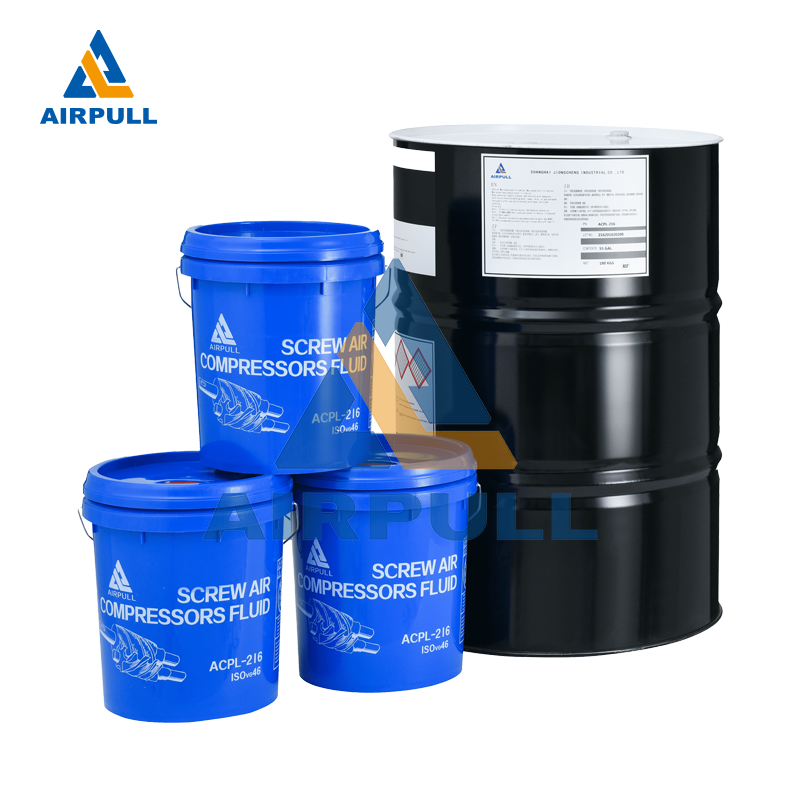
Az ipari levegőkompresszorok a számtalan gyártási folyamat gerincét képezik, és mindenféle pneumatikus szerszámot valamint automatizált gyártósorokat hajtanak. Azonban ezeknek a kritikus gépeknek az üzemhatékonysága és élettartama erősen függ egy gyakran figyelmen kívül hagyott alkatrésztől: szivattyú olaj ez az alapvető kenőanyag több funkciót is ellát a egyszerű kenésen túl, például hőátvitelt, tömítést és szennyeződés-ellenőrzést is végzik. A minőségi kompresszorkenőolaj jelentőségének megértése döntő különbséget jelenthet a zavartalan működés és az ipari környezetben fellépő költséges leállások között.
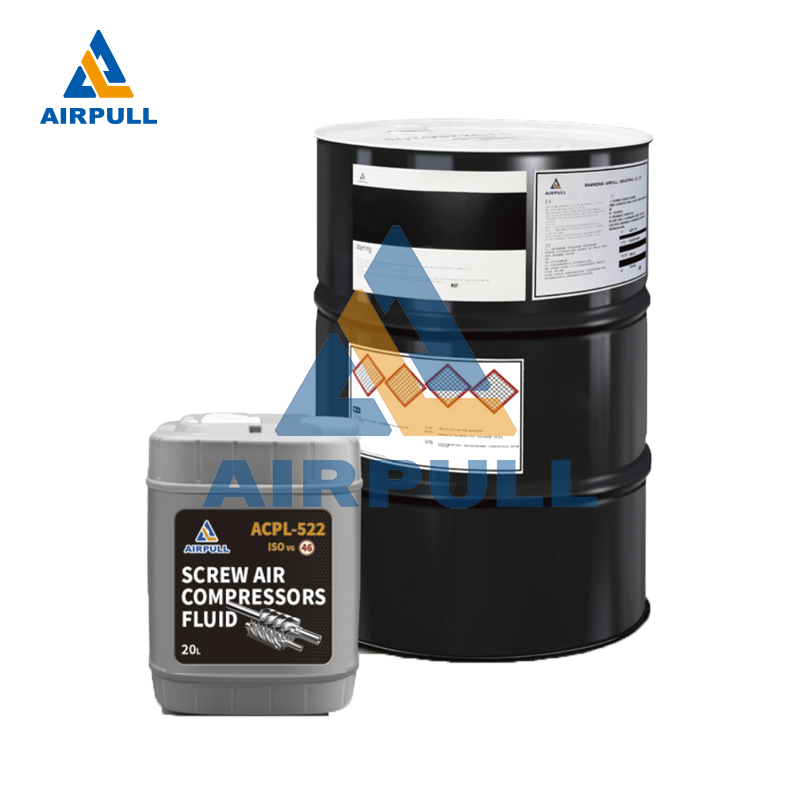
A kompresszorkenőolaj szerepének megértése a levegőkompressziós rendszerekben
A kenőolaj fő funkciói a kompresszorokban
A kompresszorkenőolaj több kritikus funkciót lát el, amelyek közvetlenül befolyásolják a rendszer teljesítményét és megbízhatóságát. Fő feladata a kompressziós kamrában található mozgó alkatrészek kenése, csökkentve a forgórészek, csapágyak és egyéb mechanikai alkatrészek közötti súrlódást. Ez a kenés megakadályozza a fémtől-fémig terjedő érintkezést, amely korai kopást és katasztrofális meghibásodást okozhatna. Ezenkívül a kompresszorkenőolaj hűtőként is működik: elnyeli és elvezeti a kompressziós folyamat során keletkező hőt, így segít fenntartani a megfelelő üzemi hőmérsékletet.
A minőségű kompresszorolaj a kenés és hűtés mellett alapvető tömítő tulajdonságokat is biztosít. A rotorok és a tárolófalok közötti mikroszkopikus réseket tölt ki, ami javítja a tömörítési hatékonyságot a levegő szivárgásának minimalizálásával. Ez a tömítő funkció különösen fontos a csavar típusú kompresszorokban, ahol az olaj közvetlenül részt vesz a tömörítési folyamatban. Az olaj tisztítóanyagként is szolgál, és eltávolítja a szennyező anyagokat, kopott részecskékeket és a nedvességet, amelyek egyébként károsíthatják a belső alkatrészeket vagy csökkentik a rendszer hatékonyságát.
A hőátvitel és a hőmérsékletkezelés
A hőmérséklet-szabályozás a kompresszorolaj teljesítményének egyik legkritikusabb aspektusa. A levegő összenyomása során a hőmérséklet jelentősen emelkedhet, sok alkalmazásban akár 200 °F-t is meghaladva. A minőségi kompresszorolajnak meg kell őriznie viszkozitását és kenő tulajdonságait ezen széles hőmérséklettartományon belül, miközben hatékonyan elvezeti a hőt a kritikus alkatrészekről. Gyenge hőátviteli képesség esetén az olaj maga is hőbontásnak indulhat, káros lerakódásokat okozva és csökkentve a kenés hatékonyságát.
A kompresszorolaj hőállósága közvetlenül befolyásolja a rendszer hatékonyságát és az alkatrészek élettartamát. A minőségi szintetikus és félszintetikus olajok kiválóbb hőállóságot mutatnak a hagyományos ásványi olajokhoz képest, sőt extrém üzemeltetési körülmények mellett is konzisztens teljesítményjellemzőket nyújtanak. Ez a hőállóság stabilabb rendszerhőmérsékleteket, csökkentett energiafogyasztást és meghosszabbított karbantartási időközöket eredményez.
Minőségi jellemzők, amelyek meghatározzák a kiváló minőségű kompresszorolajat
Viszkozitás és áramlási tulajdonságok
A viszkozitás bármely kompresszorolaj legfontosabb tulajdonsága, és meghatározza, mennyire hatékonyan áramlik az olaj a rendszerben, valamint milyen védelmi filmet képez a kritikus felületeken. Az ideális kompresszorolaj a működési hőmérséklet-tartományon belül állandó viszkozitást tart fenn, így biztosítja a megfelelő kenést a hideg indítások során, ugyanakkor megakadályozza a túlzott elvékonyodást magas hőmérsékleten. A többfokozatú összetételű olajok jobb viszkozitás-stabilitást nyújtanak az egyszerű fokozatú alternatívákkal szemben, és így hatékonyabb védelmet biztosítanak különböző üzemeltetési körülmények között.
A folyamatspecifikumok különösen fontosak azokban a rendszerekben, amelyekben összetett olajforgalmi minták vagy távoli hűtők vannak. A minőségi kompresszorolajnak könnyen kell áramlani szűk folyosón és szűrőn, miközben meg kell őrizni a megfelelő testtartalmat a hatékony kenéshez. A rossz áramlási tulajdonságok a kritikus alkatrészek nem megfelelő kenéséhez, az üzembe helyezés során az olaj kiürüléséhez és a rendszer teljes kopásfolyamainak növekedéséhez vezethetnek.
Oxidációs ellenállás és hosszúség
Az oxidációs ellenállás meghatározza, hogy a kompresszorolaj milyen mértékben tartja meg tulajdonságait hosszabb üzemidőszakokon. A magas hőmérsékletnek, a levegőnek és a fém katalizátoroknak való kitettség felgyorsítja az olaj oxidációját, ami savképződéshez, viszkozitásnövekedéshez és betétek kialakulásához vezet. Támogatás szivattyú olaj olyan fejlett antioxidáns csomagokat tartalmaz, amelyek jelentősen meghosszabbítják az élettartamot, miközben a teljesítmény jellemzőit megőrzik.
Az oxidációálló kompresszorolaj gazdasági előnyei nem korlátozódnak a kevesebb olajcsere gyakoriságára. A hosszabb élettartamú olajok jobb tömítő tulajdonságokat biztosítanak, hatékonyabb hőátvitelt és tisztább belső alkatrészeket fenntartva az üzemelésük teljes ideje alatt. Ez javított energiatakarékosságot, csökkent karbantartási költségeket és kisebb környezeti terhelést eredményez, mivel kevesebb olajt kell elhelyezni.
Hatás a rendszer hatékonyságára és teljesítményére
Energiafogyasztás és üzemeltetési költségek
A kompresszorolaj minősége közvetlenül befolyásolja a rendszer energiavizsgálatát több mechanizmuson keresztül. A kiváló kenő tulajdonságokkal rendelkező, magas minőségű olajok csökkentik a belső súrlódást, így a kompresszor hatékonyabban működhet alacsonyabb teljesítményfelvétellel. Ezen felül a minőségi kompresszorolaj által biztosított hatékony tömítés minimálisra csökkenti a belső levegőszivárgást, biztosítva a maximális összenyomási hatékonyságot és csökkentve a meghajtó motor terhelését.
A prémium minőségű kompresszorolaj hőkezelési képességei szintén hozzájárulnak az energia-megtakarításhoz. A jobb hőátviteli tulajdonságok segítenek az optimális üzemelési hőmérséklet fenntartásában, csökkentve ezzel a hűtőrendszerek terhelését és javítva az általános hőhatékonyságot. Tanulmányok kimutatták, hogy a magas minőségű szintetikus kompresszorolajra történő áttérés 3–8%-os energia-megtakarítást eredményezhet a hagyományos ásványi olajokhoz képest, ami hosszú távon jelentős költségmegtakarítást biztosít.
Berendezés megbízhatósága és karbantartási időközök
A kiváló minőségű kompresszorolajok összetétele közvetlenül befolyásolja a berendezés megbízhatóságát, mivel jobb védelmet nyújtanak a kopás, a korrózió és a lerakódások ellen. A hosszabb ideig tartó védelem hosszabb időközöket eredményez a nagyobb karbantartási beavatkozások között, csökkenti a pótalkatrészek fogyasztását, és csökkenti a váratlan meghibásodások valószínűségét. A minőségi kompresszorolaj által nyújtott javított megbízhatóság különösen értékes folyamatos üzemű alkalmazásokban, ahol a leállások jelentős költségvetési következményekkel járnak.
A karbantartási ütemezés előrejelzhetőbbé válik a nagy minőségű kompresszorolaj használatával, mivel az egyenletes teljesítményjellemzők és meghosszabbított szervizéletkor miatt stabilan működik. Ahelyett, hogy reaktív karbantartást hajtanának végre az olaj leépülése vagy a rendszer problémái miatt, az üzemeltetők proaktív karbantartási ütemterveket alkalmazhatnak az aktuális üzemórák és az olaj állapotának figyelése alapján. Ez a megközelítés csökkenti a karbantartási költségeket, miközben javítja a rendszer rendelkezésre állását és termelékenységét.
Kiválasztási szempontok az optimális kompresszorolaj teljesítményének eléréséhez
Az olaj tulajdonságainak igazítása az alkalmazási követelményekhez
A megfelelő kompresszorolaj kiválasztása szigorúan figyelembe veszi a konkrét alkalmazási követelményeket, például az üzemelési hőmérséklet-tartományt, a terhelési ciklusokat és a környezeti feltételeket. A nehézüzemi ipari alkalmazások általában szintetikus vagy félszintetikus kompresszorolaj-formuláktól profitálnak, amelyek kiváló teljesítményt nyújtanak extrém körülmények között. Ellentétben ezzel a könnyebb üzemi igényeket kielégítő alkalmazások gyakran jól működnek magas minőségű ásványi alapú olajokkal is, így költséghatékony üzemelést biztosítva megbízhatóságukat nem veszítve.
A környezeti tényezők – például a külső hőmérséklet szélsőséges értékei, a páratartalom szintje és a szennyeződésekkel való érintkezés – szintén befolyásolják a kompresszorolaj kiválasztását. Poros környezetben végzett működés esetén olyan olajokra van szükség, amelyek kiválóan együttműködnek a szűrőrendszerekkel, és kiváló szennyeződés-kezelő képességgel rendelkeznek. Hasonlóképpen, gyakori hőmérséklet-ingadozásnak kitett alkalmazásoknál olyan kompresszorolajra van szükség, amely kiváló hőállósággal és gyors felmelegedési tulajdonságokkal rendelkezik.
Gyártói specifikációk és kompatibilitás
A kompresszorok gyártói általában különleges olajszükségletet írnak elő, amelyet alapos tesztelés és tervezési szempontok alapján határoznak meg. A gyártó által adott ajánlások követése biztosítja a legjobb teljesítményt, fenntartja a garanciát, és megelőzi a kompatibilitási problémákat, amelyek rendszerhibákhoz vezethetnek. A modern kompresszorolaj-képletek gyakran meghaladják az eredeti felszerelésre vonatkozó specifikációkat, így javított teljesítményt nyújtanak, miközben teljes kompatibilitást biztosítanak a meglévő rendszerekkel.
A kompatibilitási szempontok nem csupán az alapvető specifikációkon túlmutatnak, hanem magukba foglják a tömítőanyagokat, a fémek összetételét és a rendszer tervezésének jellemzőit is. A minőségi kompresszorolaj-gyártók kiterjedt kompatibilitási vizsgálatokat végeznek annak biztosítására, hogy termékeik hatékonyan működjenek különféle kompresszortervezések esetén anélkül, hogy tömítések duzzadását, fémkorrodíciót vagy más kedvezőtlen reakciókat okoznának, amelyek veszélyeztethetnék a rendszer integritását.
Kompresszorolaj-rendszerek karbantartásának legjobb gyakorlatai
Olajvizsgálat és állapotfigyelés
A rendszeres olajanalízis értékes betekintést nyújt a kompresszorolaj állapotába és a rendszer egészségi állapotába. A szakmai olajanalízis korai jeleket tud észlelni a szennyeződésről, a kopásról, az oxidációról és egyéb problémákról, még mielőtt ezek rendszerproblémákhoz vagy meghibásodásokhoz vezetnének. Egy szisztematikus olajanalízis program bevezetése lehetővé teszi az üzemeltetők számára, hogy optimalizálják az olajcsere-időszakokat, korán azonosítsák a lehetséges problémákat, és megbízható alapokon hozzanak döntéseket a karbantartási igényekről.
Az olajanalízis során figyelt kulcsparaméterek közé tartozik a viszkozitás változása, a savszám növekedése, a fémek tartalma és a részecskeszennyeződés szintje. Ezeknek a paramétereknek az időbeli alakulásának nyomon követése átfogó képet ad a kompresszorolaj teljesítményéről és a rendszer állapotáról. A fejlett analízistechnikák akár a kopás konkrét módját vagy a szennyeződés forrását is azonosítani képesek, így célzott karbantartási beavatkozásokat tesznek lehetővé, amelyek a tünetek helyett a gyökérokaikra hatnak.
Megfelelő kezelési és tárolási eljárások
A kompresszorolaj minőségének megőrzéséhez megfelelő kezelési és tárolási eljárások szükségesek a szállítástól kezdve egészen a rendszer feltöltéséig. A tárolás vagy kezelés során bekövetkező szennyeződés jelentősen befolyásolhatja az olaj teljesítményét, még a prémium összetételű termékek esetében is. Tiszta, kizárólagosan erre a célra szolgáló tárolóedények, megfelelő adagolóberendezések és szennyeződés-mentesítési protokollok biztosítják, hogy a minőségi kompresszorolaj fenntartsa előnyös tulajdonságait a felhasználásig.
A tárolás során a hőmérséklet szabályozása hozzájárul az olaj stabilitásának és teljesítményjellemzőinek megőrzéséhez. A szélsőséges hőmérséklet-hatás gyorsíthatja az oxidációs folyamatokat, illetve egyes összetételeknél az adalékanyagok elkülönülését okozhatja. Ezen felül a nedvesség kizárása megfelelő edényzárás és páratartalom-szabályozás révén megakadályozza a vízszennyeződést, amely korróziót, csökkent kenőhatást és mikrobiális növekedést eredményezhet a tárolt kompresszorolajban.
GYIK
Milyen gyakran kell cserélni a kompresszorolajat ipari alkalmazásokban
Az kompresszorolaj cseréjének időköze több tényezőtől függ, köztük az olaj minőségétől, az üzemeltetési körülményektől és a gyártó ajánlásaitól. A magas minőségű szintetikus kompresszorolaj általában 4000–8000 üzemóra közötti szervizidőközt biztosít, míg a hagyományos ásványi olajok esetében az olajcserét 2000–4000 óránként lehet szükségesnek tartani. Az olajvizsgálat azonban a legpontosabb módszer az optimális cserézési időköz meghatározására, mivel az aktuális olajállapot alapján dönt, nem pedig tetszőleges időzítési ütemterv alapján.
Milyen jelek utalnak arra, hogy a kompresszorolajat cserélni kell?
Több jel is utalhat arra, hogy a kompresszorolajat ki kell cserélni: a szín sötétedése, a viszkozitás növekedése, a működési hőmérséklet emelkedése és szokatlan szagok. Meghatározottabban, az olajanalízis eredményei – például megemelkedett savszám, túlzott fém-tartalom vagy a megengedett határokon kívüli viszkozitás-változás – egyértelműen jelezhetik a csere szükségességét. Ezen felül a rendszer teljesítményében bekövetkező változások – például csökkent hatásfok, megnövekedett energiafogyasztás vagy szokatlan zajszint – szintén utalhatnak az olaj minőségromlására, amely azonnali figyelmet igényel.
Keverhetők biztonságosan különböző márkájú kompresszorolajok
Különböző márkájú kompresszorolajok keverése általában nem ajánlott, mivel a különféle adalékanyagok közötti kompatibilitási problémák csökkenthetik a teljesítményt, illetve rendszerproblémákat okozhatnak. A különböző gyártók eltérő adalékanyag-kombinációkat használnak, amelyek előre nem látható módon kölcsönhatásba léphetnek egymással, például lerakódásokat képezhetnek vagy csökkenthetik a kenés hatékonyságát. Amikor olajmárkát váltanak, a rendszer teljes leürítése és átmosása biztosítja az optimális működést, és megelőzi a kompatibilitási problémákat.
Milyen hőmérséklettartomány optimális a kompresszorolaj működéséhez
A legtöbb minőségi kompresszorolaj-képlet hatékonyan működik -10 °F és 250 °F közötti hőmérséklettartományban, bár a konkrét tartományok terméktípustól és alkalmazástól függően változnak. A szintetikus kompresszorolaj általában jobban bírja a hőmérsékleti szélsőségeket, mint a ásványi alapú alternatívák, és konzisztens viszkozitást és kenő tulajdonságokat biztosít szélesebb hőmérséklettartományban. A 200 °F feletti vagy a 32 °F alatti hőmérsékleten történő folyamatos üzemeltetés speciális, extrém hőmérsékleti körülményekre tervezett képleteket igényelhet.
Tartalomjegyzék
- A kompresszorkenőolaj szerepének megértése a levegőkompressziós rendszerekben
- Minőségi jellemzők, amelyek meghatározzák a kiváló minőségű kompresszorolajat
- Hatás a rendszer hatékonyságára és teljesítményére
- Kiválasztási szempontok az optimális kompresszorolaj teljesítményének eléréséhez
- Kompresszorolaj-rendszerek karbantartásának legjobb gyakorlatai
- GYIK