EN
EN


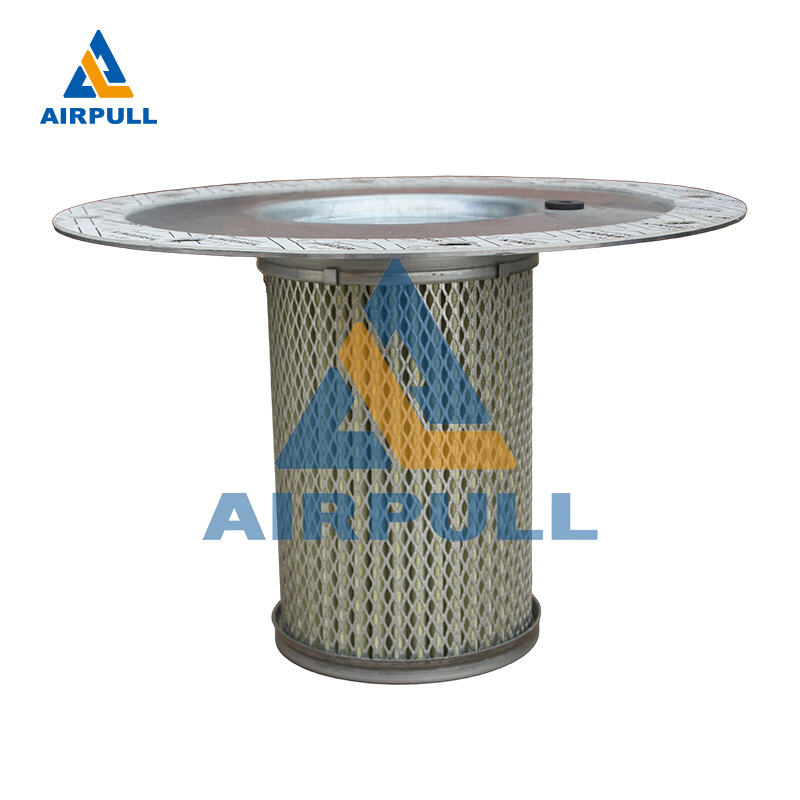
আপনার কমপ্রেসর তেল সেপারেটরটি সংকুচিত বায়ু সিস্টেমে অপ্টিমাল কার্যকারিতা নিশ্চিত করা, সরঞ্জামের আয়ু বৃদ্ধি করা এবং শক্তি দক্ষতা বজায় রাখার জন্য অত্যাবশ্যকীয়। কমপ্রেসর অয়ল সেপারেটর এটি সংকুচিত বায়ু থেকে তেল কণা অপসারণে গুরুত্বপূর্ণ ভূমিকা পালন করে, দূষণ প্রতিরোধ করে এবং নিম্ন-প্রবাহ সরঞ্জামগুলিকে তেল-সমৃদ্ধ বায়ু থেকে রক্ষা করে যা ক্ষতি বা গুণগত সমস্যা সৃষ্টি করতে পারে।
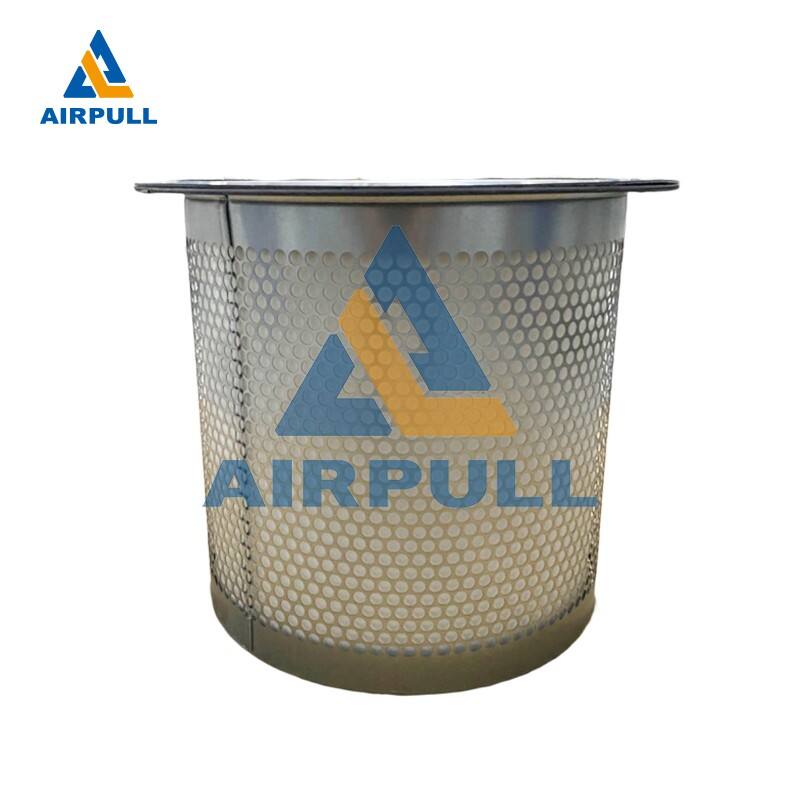
কার্যকরী কমপ্রেসার অয়েল সেপারেটর রক্ষণাবেক্ষণ ছাড়া, আপনার সংকুচিত বায়ু সিস্টেমে দক্ষতা হ্রাস, পরিচালন খরচ বৃদ্ধি এবং সম্ভাব্য সরঞ্জাম ব্যর্থতা ঘটবে। এই পাঁচটি অপরিহার্য রক্ষণাবেক্ষণ টিপস আপনাকে আপনার কমপ্রেসার অয়েল সেপারেটরের কার্যকারিতা ও আয়ু সর্বোচ্চ করতে সহায়তা করবে, যার ফলে আপনার সমস্ত অপারেশনের মধ্যে ধ্রুব বায়ু গুণগত মান এবং সিস্টেমের বিশ্বস্ততা নিশ্চিত হবে।
নিয়মিত পরিদর্শন এবং পর্যবেক্ষণ
দৃশ্যমান পরিদর্শন প্রোটোকল
আপনার কমপ্রেসার অয়েল সেপারেটরের নিয়মিত দৃশ্যমান পরীক্ষা কমপক্ষে মাসিক ভিত্তিতে করা উচিত, যাতে সমস্যাগুলি খরচসাপেক্ষ হওয়ার আগেই সনাক্ত করা যায়। সেপারেটর হাউজিং-এ তেল ক্ষরণ, ক্ষয়ক্ষতি বা শারীরিক ক্ষতির লক্ষণগুলি পরীক্ষা করুন, যা ইউনিটটির কার্যকারিতা ক্ষুণ্ণ করতে পারে। সংযোগ বিন্দু, গ্যাস্কেট এবং ড্রেন ভাল্ভের চারপাশে তেলের দাগ খুঁজুন, কারণ এগুলি সিল ব্যর্থতা বা ঢিলে সংযোগের নির্দেশক, যা তৎক্ষণাৎ মনোযোগ প্রয়োজন।
পরিদর্শনের সময়, কম্প্রেসর অয়েল সেপারেটর এলিমেন্টটি দৃশ্যমান দূষণ, রঙের পরিবর্তন বা গঠনগত ক্ষতির জন্য পরীক্ষা করুন। সঠিকভাবে কাজ করছে এমন একটি সেপারেটর এলিমেন্ট পরিষ্কার ও অখণ্ড হওয়া উচিত, এবং তাতে তেল দ্বারা স্যাচুরেটেড হওয়া বা যান্ত্রিক ক্ষতির লক্ষণ থাকা উচিত নয়। কোনও পর্যবেক্ষণ মেইনটেন্যান্স লগে রেকর্ড করুন যাতে কর্মক্ষমতার প্রবণতা ট্র্যাক করা যায় এবং পুনরাবৃত্তিমূলক সমস্যাগুলি চিহ্নিত করা যায় যা সিস্টেম পরিবর্তন বা কম্পোনেন্ট আপগ্রেডের প্রয়োজন হতে পারে।
কম্প্রেসর অয়েল সেপারেটরের মধ্য দিয়ে ডিফারেনশিয়াল প্রেশার গেজের পাঠগুলির প্রতি বিশেষ মনোযোগ দিন, কারণ এই পরিমাপগুলি ফিল্টারের অবস্থা ও কর্মক্ষমতা সম্পর্কে গুরুত্বপূর্ণ অন্তর্দৃষ্টি প্রদান করে। উচ্চ চাপ পার্থক্য ফিল্টার লোডিং এবং রক্ষণাবেক্ষণ বা প্রতিস্থাপনের প্রয়োজন নির্দেশ করে, অন্যদিকে ধারাবাহিকভাবে নিম্ন পাঠগুলি বাইপাস সমস্যা বা ভুল ইনস্টলেশনের ইঙ্গিত দিতে পারে।
পারফরম্যান্স মনিটরিং সিস্টেম
আপনার কম্প্রেসর অয়েল সেপারেটরের জন্য ব্যাপক পারফরম্যান্স মনিটরিং বাস্তবায়ন করা হলে পূর্বাভাসমূলক রক্ষণাবেক্ষণ সম্ভব হয় এবং অপ্রত্যাশিত ব্যর্থতা রোধ করা যায়। ডিফারেনশিয়াল চাপ অবিরামভাবে মনিটর করতে এবং ধীরে ধীরে পারফরম্যান্স হ্রাসের সনাক্তকরণ করতে সেপারেটরের আগে ও পরে চাপ সেন্সর স্থাপন করুন। আধুনিক মনিটরিং সিস্টেমগুলি চাপের পার্থক্য নির্দিষ্ট সীমা অতিক্রম করলে অপারেটরদের সতর্ক করতে পারে, যা রক্ষণাবেক্ষণের হস্তক্ষেপের প্রয়োজনীয়তা নির্দেশ করে।
উপযুক্ত পরিমাপের সরঞ্জাম ও পদ্ধতি ব্যবহার করে কম্প্রেসর অয়েল সেপারেটরের পরে সংকুচিত বাতাসে অয়েল ক্যারিওভার মাত্রা মনিটর করুন। সংকুচিত বাতাসে অয়েলের অত্যধিক পরিমাণ সেপারেটরের অকার্যকরতা নির্দেশ করে এবং এর তাৎক্ষণিক তদন্ত প্রয়োজন। সংকুচিত বাতাসের গুণগত মানের নিয়মিত নমুনা সংগ্রহ ও বিশ্লেষণ করা হলে সেপারেটরের কার্যকারিতা যাচাই করা যায় এবং বাতাসের গুণগত মানের মানদণ্ড মেনে চলা নিশ্চিত করা যায়।
আপনার কম্প্রেসর অয়েল সেপারেটরের অপারেটিং ঘণ্টা এবং চক্রগুলি ট্র্যাক করুন, যাতে যথাযথ ব্যবহারের ভিত্তিতে—অযৌক্তিক সময় ব্যবধানের পরিবর্তে—রক্ষণাবেক্ষণের সময়সূচী নির্ধারণ করা যায়। এই ডেটা-ভিত্তিক পদ্ধতিটি রক্ষণাবেক্ষণের সময় অপ্টিমাইজ করে এবং অকাল প্রতিস্থাপন ও অপ্রত্যাশিত ব্যর্থতা উভয়কেই হ্রাস করে, ফলে সিস্টেমের বিশ্বস্ততা ও খরচ-কার্যকারিতা উন্নত হয়।
উপাদান প্রতিস্থাপনের সঠিক পদ্ধতি
প্রতিস্থাপনের সময় এবং সূচক
আপনার কম্প্রেসর অয়েল সেপারেটর এলিমেন্টের জন্য অপ্টিমাল প্রতিস্থাপন সময় নির্ধারণ করতে হলে একাধিক কর্মক্ষমতা সূচকের সতর্কতার সাথে পর্যবেক্ষণ করা আবশ্যিক। সবচেয়ে বিশ্বস্ত সূচক হল সেপারেটরের মধ্য দিয়ে চাপের পার্থক্য (ডিফারেনশিয়াল প্রেশার), যেখানে অধিকাংশ নির্মাতা প্রাথমিক পরিষ্কার ফিল্টার পাঠের চেয়ে ১৫–২৫ পাউন্ড প্রতি বর্গ ইঞ্চি (psi) চাপ হ্রাস অতিক্রম করলে প্রতিস্থাপন করার পরামর্শ দেন। তবে, এই সীমা আপনার নির্দিষ্ট অ্যাপ্লিকেশনের প্রয়োজনীয়তা এবং বায়ুর গুণগত মানের মানদণ্ডের উপর নির্ভর করে পরিবর্তিত হতে পারে।
তেল বহন বিশ্লেষণ কম্প্রেসর তেল পৃথকীকরণকারী প্রতিস্থাপনের প্রয়োজনীয়তা নির্ধারণের জন্য আরেকটি গুরুত্বপূর্ণ সূচক প্রদান করে। যখন সাধারণ কার্যক্রমের অবস্থায় থাকা সত্ত্বেও সংকুচিত বায়ুতে তেলের পরিমাণ গ্রহণযোগ্য সীমার চেয়ে বেশি হয়, তখন পৃথকীকরণ উপাদানটি সম্ভবত এর কার্যকরী আয়ুর শেষ পর্যায়ে পৌঁছে গেছে। নিয়মিত পরীক্ষা-নিরীক্ষা করলে আপনি তেল দ্বারা দূষণ যাতে নিম্নপ্রবাহ সরঞ্জাম বা প্রক্রিয়াগুলিকে প্রভাবিত না করে, তার আগেই উপাদানটি প্রতিস্থাপন করতে পারবেন।
আপনার কম্প্রেসর তেল পৃথকীকরণকারীর প্রতিস্থাপন সময়সীমা নির্ধারণের সময় কার্যক্রমের পরিবেশগত কারকগুলি বিবেচনা করুন। ধূলিকণা বা দূষিত পরিবেশে কাজ করা সিস্টেমগুলির জন্য ত্বরিত লোডিং এবং কম দক্ষতার কারণে প্রায়শই উপাদান প্রতিস্থাপনের প্রয়োজন হয়। অন্যদিকে, পরিষ্কার কার্যক্রমের পরিবেশে অপ্টিমাল কার্যকারিতা বজায় রেখে দীর্ঘতর সেবা সময়সীমা অনুমোদিত হতে পারে।
ইনস্টলেশনের সেরা অনুশীলন
আপনার নতুন কম্প্রেসর অয়েল সেপারেটর এলিমেন্টের সর্বোত্তম কার্যকারিতা এবং দীর্ঘস্থায়িত্ব নিশ্চিত করতে সঠিক ইনস্টলেশন পদ্ধতি অত্যাবশ্যক। ইনস্টলেশনের আগে, সেপারেটর হাউজিংটি ভালোভাবে পরিষ্কার করুন এবং সিলিং পৃষ্ঠগুলির ক্ষতি বা দূষণের জন্য পরীক্ষা করুন, যা সিলের অখণ্ডতা ক্ষুণ্ণ করতে পারে। লিকেজ প্রতিরোধ করতে এবং সঠিক সিলিং বজায় রাখতে প্রয়োজন অনুযায়ী O-রিং এবং গ্যাস্কেটগুলি প্রতিস্থাপন করুন।
ইনস্টলেশনের সময় ক্ষতি এড়াতে নতুন কম্প্রেসর অয়েল সেপারেটর এলিমেন্টটি সাবধানে হ্যান্ডেল করুন। ইনস্টলেশনের আগে সমস্ত সুরক্ষামূলক প্যাকেজিং সরিয়ে ফেলুন এবং পরিবহনজনিত ক্ষতির জন্য এলিমেন্টটি পরীক্ষা করুন। নির্মাতার স্পেসিফিকেশন অনুযায়ী সঠিক অভিমুখ এবং সামঞ্জস্য নিশ্চিত করুন, কারণ ভুল ইনস্টলেশনের ফলে খারাপ কার্যকারিতা বা প্রাথমিক ব্যর্থতা ঘটতে পারে।
কম্প্রেসর অয়েল সেপারেটর ইনস্টল করার সময় সমস্ত ফাস্টেনার এবং সংযোগস্থলে উপযুক্ত টর্ক স্পেসিফিকেশন প্রয়োগ করুন। অপর্যাপ্ত টাইটেনিং লিকেজ এবং বাইপাস সৃষ্টি করতে পারে, অন্যদিকে অতিরিক্ত টাইটেনিং কম্পোনেন্টগুলির ক্ষতি করতে পারে অথবা প্রারম্ভিক ব্যর্থতার কারণ হতে পারে এমন চাপ সৃষ্টি করতে পারে। সঠিক ইনস্টলেশন এবং অপ্টিমাল পারফরম্যান্স নিশ্চিত করতে নির্মাতার নির্দেশিকা সঠিকভাবে অনুসরণ করুন।
ড্রেনেজ সিস্টেম ব্যবস্থাপনা
অটোমেটিক ড্রেন ভাল্ভ রক্ষণাবেক্ষণ
অটোমেটিক ড্রেন ভাল্ভ সিস্টেমটি সেপারেটর হাউজিং থেকে জমা কনডেনসেট এবং তেল অপসারণ করে কম্প্রেসর অয়েল সেপারেটরের কার্যকারিতায় গুরুত্বপূর্ণ ভূমিকা পালন করে। এই ড্রেন ভাল্ভগুলির নিয়মিত রক্ষণাবেক্ষণ তাদের সঠিক কার্যকারিতা নিশ্চিত করে এবং সেপারেটরের দক্ষতা কমিয়ে দিতে পারে এমন আর্দ্রতা জমার প্রতিরোধ করে। সপ্তাহে একবার ড্রেন ভাল্ভগুলি পরীক্ষা করুন যাতে তাদের সঠিক কার্যকারিতা নিশ্চিত হয়, এবং পরীক্ষা করুন যে তারা তাদের প্রোগ্রাম করা চক্র অনুযায়ী খোলা ও বন্ধ হচ্ছে কিনা।
তেলের অবশিষ্টাংশ, ধূলিকণা বা অন্যান্য দূষকের কারণে অবরোধ প্রতিরোধের জন্য ড্রেন ভাল্ভের উপাদানগুলি নিয়মিতভাবে পরিষ্কার করুন। ভাল্ভ অ্যাসেম্বলি অপসারণ করুন এবং সমস্ত অভ্যন্তরীণ উপাদান উপযুক্ত দ্রাবক দিয়ে পরিষ্কার করুন, যাতে সমস্ত পথ পরিষ্কার ও অবরুদ্ধ না হয়। নির্মাতার সুপারিশ অনুযায়ী ক্ষয়প্রাপ্ত সিল, স্প্রিং এবং অন্যান্য খরচযোগ্য উপাদানগুলি প্রতিস্থাপন করুন যাতে ড্রেন ভাল্ভের নির্ভরযোগ্য কার্যকারিতা বজায় থাকে।
আপনার কম্প্রেসর অয়েল সেপারেটর সিস্টেমের কার্যকরী পরিসরে সামঞ্জস্যপূর্ণ কার্যকারিতা নিশ্চিত করার জন্য বিভিন্ন লোড অবস্থায় ড্রেন ভাল্ভের সময়বিন্যাস এবং কার্যকারিতা পরীক্ষা করুন। ভুল ড্রেন ভাল্ভ সময়বিন্যাসের ফলে অত্যধিক তেল ক্ষয় বা অপর্যাপ্ত কনডেনসেট অপসারণ ঘটতে পারে, যা উভয়ই সিস্টেমের কার্যকারিতা ও দক্ষতাকে নেতিবাচকভাবে প্রভাবিত করে।
হস্তচালিত ড্রেনেজ পদ্ধতি
নিয়মিত হাতে করা ড্রেনেজ পদ্ধতি স্বয়ংক্রিয় ড্রেন ভাল্ভ অপারেশনকে সম্পূরক করে এবং আপনার কম্প্রেসর অয়েল সেপারেটর হাউজিং থেকে জমা হওয়া তরলগুলির সম্পূর্ণ অপসারণ নিশ্চিত করে। কমপক্ষে সাপ্তাহিকভাবে, অথবা উচ্চ আর্দ্রতাযুক্ত পরিবেশে—যেখানে কনডেনসেট দ্রুত জমা হয়—তার চেয়ে বেশি ঘন ঘন হাতে করা ড্রেনেজ প্রক্রিয়া সম্পাদন করুন। এই প্রতিরোধমূলক ব্যবস্থাটি সেপারেটরের অপ্টিমাল কার্যকারিতা বজায় রাখতে সহায়তা করে এবং আর্দ্রতা-সম্পর্কিত সমস্যা প্রতিরোধ করে।
হাতে করা ড্রেনেজের সময় কম্প্রেসর অয়েল সেপারেটর হাউজিং থেকে অপসারিত তরলের পরিমাণ ও গুণগত মান পর্যবেক্ষণ করুন। অত্যধিক তরল জমা হওয়া ড্রেন ভাল্ভের ত্রুটিজনিত কাজ বা স্বয়ংক্রিয় ড্রেনেজ পদ্ধতির অপর্যাপ্ত ফ্রিক uency নির্দেশ করতে পারে। অস্বাভাবিক তরলের রং বা সামঞ্জস্য দূষণ সংক্রান্ত সমস্যা বা অভ্যন্তরীণ উপাদানের ক্ষয় নির্দেশ করতে পারে, যা তদন্তের প্রয়োজন হয়।
আপনার রক্ষণাবেক্ষণ লগে ড্রেনেজ ক্রিয়াকলাপ এবং পর্যবেক্ষণগুলি নথিভুক্ত করুন, যাতে সিস্টেমের কার্যকারিতা প্রবণতা ট্র্যাক করা যায় এবং অপারেশনের উপর প্রভাব ফেলার আগেই সম্ভাব্য সমস্যাগুলি চিহ্নিত করা যায়। নিয়মিত ড্রেনেজ ডেটা স্বয়ংক্রিয় ড্রেন ভাল্ভের সেটিংস অপ্টিমাইজ করতে সাহায্য করে এবং সিস্টেমের কার্যকারিতা উন্নত করার জন্য সিস্টেম পরিবর্তনের প্রয়োজনীয়তা চিহ্নিত করে।
সিস্টেম চাপ এবং তাপমাত্রা নিয়ন্ত্রণ
চাপ পরিচালনা
সঠিক কার্যকারী চাপ বজায় রাখা কম্প্রেসর তেল পৃথকীকরণ যন্ত্রের অপ্টিমাল কার্যকারিতা এবং দীর্ঘস্থায়িত্বের জন্য অপরিহার্য। অত্যধিক সিস্টেম চাপ পৃথকীকরণ উপাদানগুলিকে ক্ষতিগ্রস্ত করতে পারে এবং তাদের কার্যকারিতা হ্রাস করতে পারে, অন্যদিকে অপর্যাপ্ত চাপের কারণে তেল পৃথকীকরণ দুর্বল হতে পারে এবং তেল ক্যারিওভার বৃদ্ধি পেতে পারে। সিস্টেম চাপ অবিচ্ছিন্নভাবে পর্যবেক্ষণ করুন এবং নিশ্চিত করুন যে এটি আপনার বিশেষ পৃথকীকরণ মডেলের জন্য নির্মাতার নির্দিষ্ট পরিসীমার মধ্যে রয়েছে।
আপনার কম্প্রেসর অয়েল সেপারেটরকে সিস্টেম স্টার্টআপ, শাটডাউন বা অস্বাভাবিক অপারেটিং অবস্থার সময় যে চাপ বৃদ্ধি হতে পারে তার থেকে রক্ষা করতে চাপ মুক্তি ব্যবস্থা বাস্তবায়ন করুন। এই সুরক্ষামূলক ব্যবস্থাগুলি সেপারেটর এলিমেন্ট এবং হাউজিং উপাদানগুলির ক্ষতি রোধ করে, পরিষেবা আয়ু বৃদ্ধি করে এবং সুস্থির কার্যকারিতা বজায় রাখে। রিলিফ ভাল্ভের কার্যকারিতা নিয়মিত পরীক্ষা করা হলে প্রয়োজন হলে বিশ্বস্ত সুরক্ষা নিশ্চিত হয়।
চাপ পরিবর্তনগুলির দ্রুত সমাধান করুন, কারণ এই পরিবর্তনগুলি কম্প্রেসর অয়েল সেপারেটরের উপাদানগুলিকে চাপে ফেলতে পারে এবং পৃথকীকরণ দক্ষতা হ্রাস করতে পারে। চাপ অস্থিতিশীলতার মূল কারণগুলি তদন্ত করুন, যার মধ্যে কম্প্রেসর নিয়ন্ত্রণ সংক্রান্ত সমস্যা, ডাউনস্ট্রিম চাহিদা পরিবর্তন বা সিস্টেম লিকেজ অন্তর্ভুক্ত হতে পারে—যা অপ্টিমাল অপারেটিং অবস্থা বজায় রাখতে সংশোধন করা আবশ্যক।
তাপমাত্রা নজরদারি এবং নিয়ন্ত্রণ
তাপমাত্রা নিয়ন্ত্রণ কম্প্রেসর অয়েল সেপারেটরের কার্যকারিতাকে উল্লেখযোগ্যভাবে প্রভাবিত করে, কারণ অত্যধিক তাপ সেপারেটর এলিমেন্টগুলিকে ক্ষয় করতে পারে এবং তেলের সান্দ্রতা হ্রাস করতে পারে, যা পৃথকীকরণ দক্ষতাকে প্রভাবিত করে। অপারেটিং তাপমাত্রা ধারাবাহিকভাবে মনিটর করুন এবং নিশ্চিত করুন যে এগুলি সেপারেটর নির্মাতার দ্বারা নির্দিষ্ট গ্রহণযোগ্য পরিসীমার মধ্যে থাকে। উচ্চ তাপমাত্রা শীতলীকরণ ব্যবস্থার সমস্যা বা অত্যধিক লোডিং-এর ইঙ্গিত দিতে পারে, যা মনোযোগ প্রয়োজন।
আপনার কম্প্রেসর অয়েল সেপারেটরের জন্য যথেষ্ট শীতলীকরণ ব্যবস্থা বাস্তবায়ন করুন, বিশেষ করে উচ্চ-পরিবেশগত-তাপমাত্রা বা উচ্চ-কার্যচক্র অ্যাপ্লিকেশনে। উপযুক্ত শীতলীকরণ অপ্টিমাল অপারেটিং তাপমাত্রা বজায় রাখে এবং সেপারেটর এলিমেন্টের আয়ু বৃদ্ধি করে, যার ফলে সুস্থির কার্যকারিতা নিশ্চিত হয়। শীতলীকরণ ব্যবস্থার নিয়মিত রক্ষণাবেক্ষণ—যেমন হিট এক্সচেঞ্জার পরিষ্কার করা এবং কুল্যান্ট স্তর পরীক্ষা করা—তাপমাত্রা নিয়ন্ত্রণের জন্য অপরিহার্য।
কম্প্রেসর অয়েল সেপারেটরের কার্যকারিতা মূল্যায়ন করার সময় তাপমাত্রার প্রভাব অয়েলের বৈশিষ্ট্যগুলির উপর বিবেচনা করুন। উচ্চ তাপমাত্রায় অয়েলের সান্দ্রতা কমে যায়, যা পৃথকীকরণকে আরও কঠিন করে তোলে এবং সম্ভাব্যভাবে ক্যারিওভার হার বৃদ্ধি করতে পারে। অপ্টিমাল সিস্টেম কার্যকারিতা এবং বিশ্বস্ততা বজায় রাখতে প্রকৃত কার্যকরী তাপমাত্রার উপর ভিত্তি করে রক্ষণাবেক্ষণ পরিকল্পনা এবং প্রতিস্থাপন সময়সীমা সামঞ্জস্য করুন।
অয়েলের গুণগত মান এবং দূষণ নিয়ন্ত্রণ
কম্প্রেসর অয়েল ব্যবস্থাপনা
কম্প্রেসর অয়েলের গুণগত মান সরাসরি প্রভাব ফেলে কমপ্রেসর অয়ল সেপারেটর কার্যকারিতা এবং সেবা আয়ুর উপর। শুধুমাত্র নির্মাতা-সুপারিশকৃত অয়েলের প্রকার এবং গ্রেডগুলি ব্যবহার করুন যা আপনার সেপারেটর সিস্টেম এবং কার্যকরী অবস্থার সাথে সামঞ্জস্যপূর্ণ। নিম্নমানের বা অসামঞ্জস্যপূর্ণ অয়েলগুলি সেপারেটর এলিমেন্টের প্রারম্ভিক ক্ষয়, বৃদ্ধি পাওয়া রক্ষণাবেক্ষণ প্রয়োজনীয়তা এবং পৃথকীকরণ দক্ষতা হ্রাসের কারণ হতে পারে।
কম্প্রেসর তেলের অবস্থা নিয়মিতভাবে বিশ্লেষণ ও পরীক্ষার মাধ্যমে পর্যবেক্ষণ করুন, যাতে পৃথকীকরণ ক্ষমতাকে প্রভাবিত করতে পারে এমন দূষণ, ক্ষয়ক্ষতি বা যোজক ক্ষয় শনাক্ত করা যায়। তেল বিশ্লেষণ সিস্টেমের অবস্থা সম্পর্কে গুরুত্বপূর্ণ অন্তর্দৃষ্টি প্রদান করে এবং যথাযথ তেল অবস্থার ভিত্তিতে (যান্ত্রিক সময়সূচীর পরিবর্তে) তেল পরিবর্তনের সময়সূচী অপটিমাইজ করতে সহায়তা করে। এই পদ্ধতি সিস্টেমের বিশ্বস্ততা ও খরচ-কার্যকারিতা উভয়কেই উন্নত করে।
তেলটি আপনার কম্প্রেসর সিস্টেমে প্রবেশের পূর্বে দূষণ রোধের জন্য উপযুক্ত তেল পরিচালনা ও সংরক্ষণ পদ্ধতি প্রয়োগ করুন। তেল পরিষ্কার, সীলযুক্ত পাত্রে দূষণকারী উপাদান ও আর্দ্রতার উৎস থেকে দূরে সংরক্ষণ করুন। তেল যোগ করার সময় উপযুক্ত ফিল্ট্রেশন ব্যবহার করুন, যাতে সংরক্ষণ বা পরিচালনার সময় যেকোনো দূষণকারী উপাদান অপসারণ করা যায় এবং আপনার কম্প্রেসর তেল পৃথকীকরণ যন্ত্রকে অপ্রয়োজনীয় ভার থেকে রক্ষা করা যায়।
দূষণ রোধী রणনীতি
আপনার কম্প্রেসর সিস্টেমে দূষণের প্রবেশ রোধ করা কম্প্রেসর তেল পৃথকীকরণ যন্ত্রের ওপর চাপ কমায় এবং এলিমেন্টের সেবা আয়ু বৃদ্ধি করে। কম্প্রেশন প্রক্রিয়ায় প্রবেশের আগে ধূলিকণা, কণা এবং অন্যান্য বায়ুবorne দূষণকারী পদার্থ অপসারণের জন্য উপযুক্ত ইনলেট বায়ু ফিল্ট্রেশন স্থাপন করুন। ইনলেট ফিল্টারগুলির নিয়মিত রক্ষণাবেক্ষণ অব্যাহত সুরক্ষা এবং সিস্টেমের অপ্টিমাল কার্যকারিতা নিশ্চিত করে।
আপনার স্থাপনার মধ্যে থাকা সম্ভাব্য দূষণের উৎসগুলো চিহ্নিত করুন, যেগুলো কম্প্রেসারের গৃহীত বায়ুর গুণমানকে প্রভাবিত করতে পারে। এর মধ্যে থাকতে পারে বিভিন্ন প্রক্রিয়ার নির্গমন, যানবাহনের ধোঁয়া, বা অন্যান্য শিল্প কার্যকলাপ যা পারিপার্শ্বিক বাতাসে দূষক পদার্থ ছড়ায়। কম্প্রেসারের সঠিক অবস্থান এবং ইনটেক সিস্টেমের নকশা দূষণের ঝুঁকি কমায় এবং সেপারেটরের উপর চাপ হ্রাস করে।
রক্ষণাবেক্ষণের সময় দূষণ নিয়ন্ত্রণ পদ্ধতি বাস্তবায়ন করুন যাতে আপনার কম্প্রেসর অয়েল সেপারেটর সিস্টেমে বিদেশী উপাদান প্রবেশ না করে। পরিষ্কার টুল ব্যবহার করুন, সম্ভব হলে পরিষ্কার পরিবেশে কাজ করুন এবং সিস্টেম কম্পোনেন্টগুলি খোলা ও বন্ধ করার জন্য সঠিক পদ্ধতি অনুসরণ করুন। এই অনুশীলনগুলি সেপারেটরের কার্যকারিতা ক্ষুণ্ণ করতে বা সিস্টেম কম্পোনেন্টগুলিকে ক্ষতিগ্রস্ত করতে পারে এমন দূষণ প্রতিরোধ করে।
প্রায়শই জিজ্ঞাসিত প্রশ্ন
আমার কম্প্রেসর অয়েল সেপারেটর এলিমেন্টটি কত ঘন ঘন প্রতিস্থাপন করা উচিত?
কম্প্রেসর অয়েল সেপারেটর এলিমেন্ট প্রতিস্থাপনের ফ্রিক uency নির্ভর করে অপারেটিং শর্ত, বায়ুর গুণগত মানের প্রয়োজনীয়তা এবং ডিফারেনশিয়াল চাপের পাঠের উপর। অধিকাংশ এলিমেন্ট প্রতিস্থাপন করা হয় যখন ডিফারেনশিয়াল চাপ প্রাথমিক পরিষ্কার পাঠের চেয়ে ১৫-২৫ পিএসআই বেশি হয়, যা সাধারণত ২০০০-৮০০০ অপারেটিং ঘন্টার মধ্যে ঘটে। ডিফারেনশিয়াল চাপ নিয়মিতভাবে পর্যবেক্ষণ করুন এবং সর্বোত্তম ফলাফলের জন্য স্থির সময় ব্যবধানের পরিবর্তে কার্যকারিতা নির্দেশকগুলির ভিত্তিতে এলিমেন্টগুলি প্রতিস্থাপন করুন।
আমার কম্প্রেসর অয়েল সেপারেটরের তৎক্ষণাৎ মনোযোগ প্রয়োজন—এর লক্ষণগুলি কী কী?
প্রধান সতর্কতা সংকেতগুলির মধ্যে রয়েছে বৃদ্ধি পাওয়া ডিফারেনশিয়াল প্রেশার পাঠ্যাংক, সংকুচিত বায়ুতে অয়েল ক্যারিওভারের বৃদ্ধি, সেপারেটর হাউজিংয়ের চারপাশে দৃশ্যমান অয়েল লিকেজ এবং কার্যক্রমের সময় অস্বাভাবিক শব্দ। এছাড়াও, চাপ পার্থক্যের দ্রুত বৃদ্ধি, ড্রেন ভাল্ভের ঘন ঘন সাইক্লিং বা সংকুচিত বায়ুর গুণগত পরিবর্তন—এসব আপনার কম্প্রেসর অয়েল সেপারেটর সিস্টেমের তৎক্ষণাৎ পরীক্ষা এবং সম্ভাব্য রক্ষণাবেক্ষণের প্রয়োজন নির্দেশ করে।
আমি কি একটি কম্প্রেসর অয়েল সেপারেটর এলিমেন্ট পরিষ্কার করে পুনরায় ব্যবহার করতে পারি?
অধিকাংশ কম্প্রেসর অয়েল সেপারেটর এলিমেন্ট একবার ব্যবহারের জন্য ডিজাইন করা হয় এবং পুনরায় ব্যবহারের জন্য এগুলিকে কার্যকরভাবে পরিষ্কার করা সম্ভব নয়। জটিল অভ্যন্তরীণ গঠন এবং বিশেষায়িত মিডিয়া উপকরণের কারণে পরিষ্কার করা অব্যবহার্য এবং পৃথকীকরণ দক্ষতার জন্য সম্ভাব্য ক্ষতিকর। এলিমেন্টগুলি পরিষ্কার করে পুনরায় ব্যবহার করার চেষ্টা করলে সাধারণত কার্যকারিতা হ্রাস পায়, পরিষেবা আয়ু সংক্ষিপ্ত হয় এবং সিস্টেমে ক্ষতি হওয়ার ঝুঁকি থাকে; ফলে প্রতিস্থাপনই সুপারিশকৃত পদ্ধতি।
কোন কারণে প্রাথমিক কমপ্রেসর তেল পৃথকীকরণ যন্ত্রের বিফলতা ঘটে?
প্রাথমিক কমপ্রেসর তেল পৃথকীকরণ যন্ত্রের বিফলতার সাধারণ কারণগুলির মধ্যে রয়েছে: সুপারিশকৃত চাপ বা তাপমাত্রা সীমার বাইরে কাজ করা, অসামঞ্জস্যপূর্ণ বা ক্ষয়প্রাপ্ত কমপ্রেসর তেল ব্যবহার করা, ড্রেনেজ সিস্টেমের অপর্যাপ্ত রক্ষণাবেক্ষণ, এবং অপর্যাপ্ত ইনলেট বায়ু ফিল্ট্রেশনের কারণে দূষণ। এছাড়াও, ভুল ইনস্টলেশন, ভুল এলিমেন্ট নির্বাচন এবং নিয়মিত রক্ষণাবেক্ষণের সময়সূচী উপেক্ষা করা পৃথকীকরণ যন্ত্রের সেবা আয়ু ও কার্যকারিতা উল্লেখযোগ্যভাবে হ্রাস করতে পারে।